What Is Off-Roading? A Beginner's Guide
Off-roading is so much more than just leaving the pavement behind. It’s about testing your driving skills, exploring challenging terrain, and reaching remote destinations where most people simply cannot go.
Whether you’re interested in a day trip to do some mudding or you’re off on a 2-week overlanding adventure, understanding the basics will help you be prepared, stay safe, and have fun.
So, What Is Off-Roading?
Off-roading is a sport or entertainment where we drive over rough terrain, challenging both our skills as drivers and the capabilities of our vehicle. Why? For the thrill of doing it or the excitement of being able to explore the roads less traveled.
It’s a way to get outside and explore remote locations, enjoying the beauty of nature without all the noise and distractions of modern everyday life.
What Types of Off-Roading Are There?
There are lots of different types of off-roading adventures you can go on. Here are a few of the most popular types.
Trail Driving and Overlanding
Trail driving and overlanding are different from off-roading because they're more about the adventure than the destination. It’s about traveling long distances on shifting terrain while enjoying the interesting sights along the way.
This type of adventure demands self-sufficiency. This means plenty of camping gear, food, water, repair supplies, and a power source to recharge devices, run lights, cook, and more.
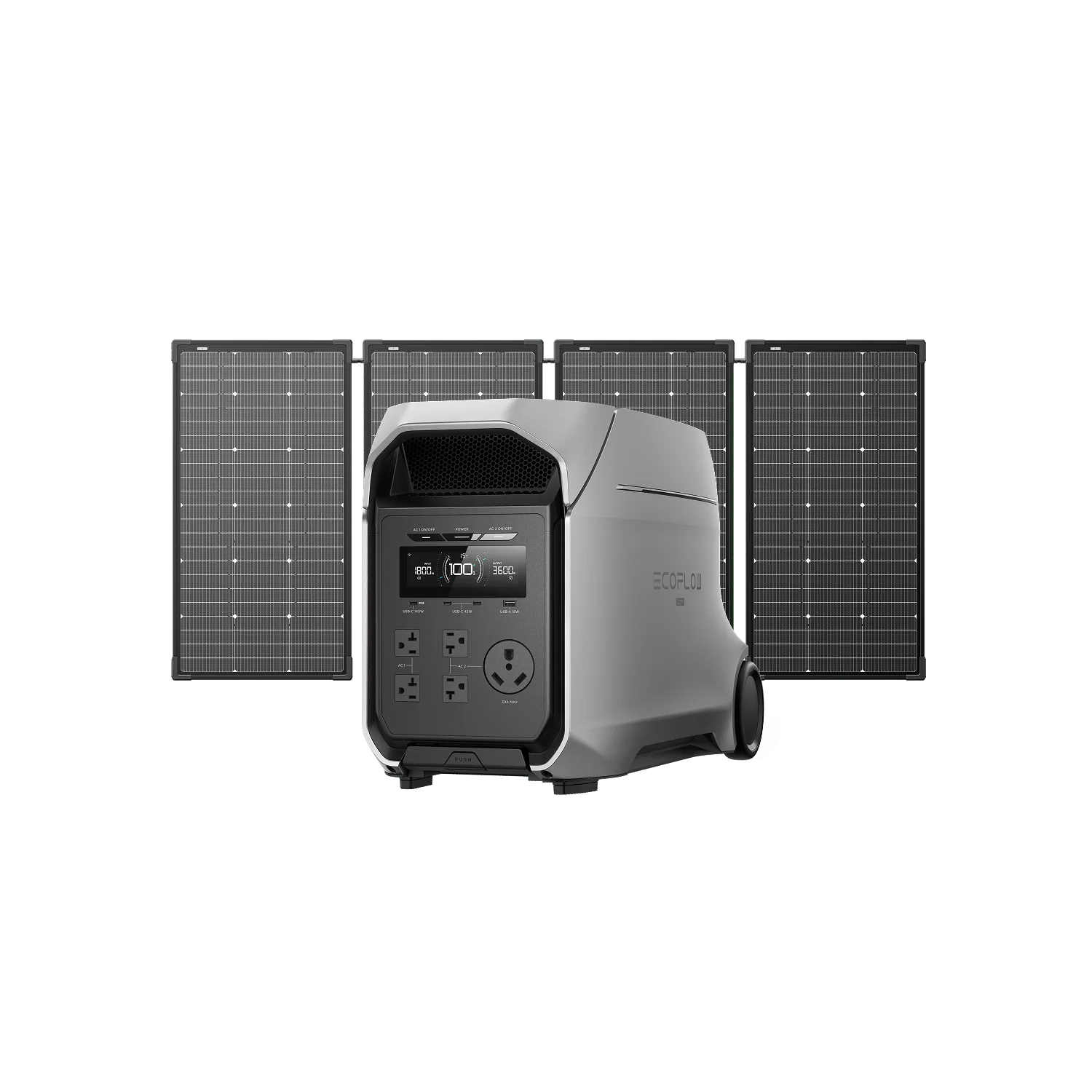
The EcoFlow DELTA 3 Ultra Plus + 500W Solar Panel bundle has plenty of power for any overlanding adventure, and you can recharge it fast with the solar panel, allowing you to stay off-grid as long as you want.
Rock Crawling and Mudding
Rock crawling and mudding are more for daytime adventurers, though weekend campers are no strangers to it either.
Rock crawling is driving, usually slowly and carefully, up and over very steep and often jagged rocks. It takes skill, good tires, clearance, and a roll cage to do it safely and successfully.
Mudding involves driving through, you guessed it, mud! It’s incredibly fun to go splashing through giant mud puddles, but never go alone because you’ll no doubt end up stuck at least once. But that’s part of the adventure, and it gives your 4x4 buddy with a winch or tow rope some fun too.
Sand Dunes and Desert Driving
Sand dunes and desert driving are more leisurely off-roading compared to some others, and can be a good way to dip your toes in.
However, people often make the mistake of assuming it’s always effortless. If you head up a steep dune and you don’t have the right vehicle or skills, you could easily roll over. Take your time and develop your skills climbing and turning before you do anything too wild.
And if you really enjoy climbing steep dunes, consider investing in a roll cage.
What Vehicles Are Used for Off-Roading?
Some of the more popular vehicles used for off-roading include Jeeps and Land Rovers, but really, virtually any truck or SUV with 4WD and decent clearance can be used for any style of off-roading.
Even 4x4 vans can be used for van life overlanding since you drive your ‘home’ with you.
However, many people also enjoy using smaller recreational vehicles because they can be even more fun and can access much tighter spots than larger vehicles. ATVs and side-by-sides are extremely popular. But you can also use 3-wheelers, dirt bikes, and anything else on wheels that can handle the terrain.
What Gear Do You Need for Off-Roading?
Most off-roading adventurers should have the following items on/in their vehicles with them:
Tow straps or a winch
Tow hooks or D-ring shackles
Jack, tire repair kit, and full-size spare tire
Basic tool set
Roll cage on your vehicle (optional but recommended)
Fluids for the vehicle
Shovel
Jumper cables
Fire extinguisher
Complete first aid kit
Flashlight
GPS and paper maps
Snacks, drinking water, and blankets (in case you get stuck)
Camping gear (for extended adventures)
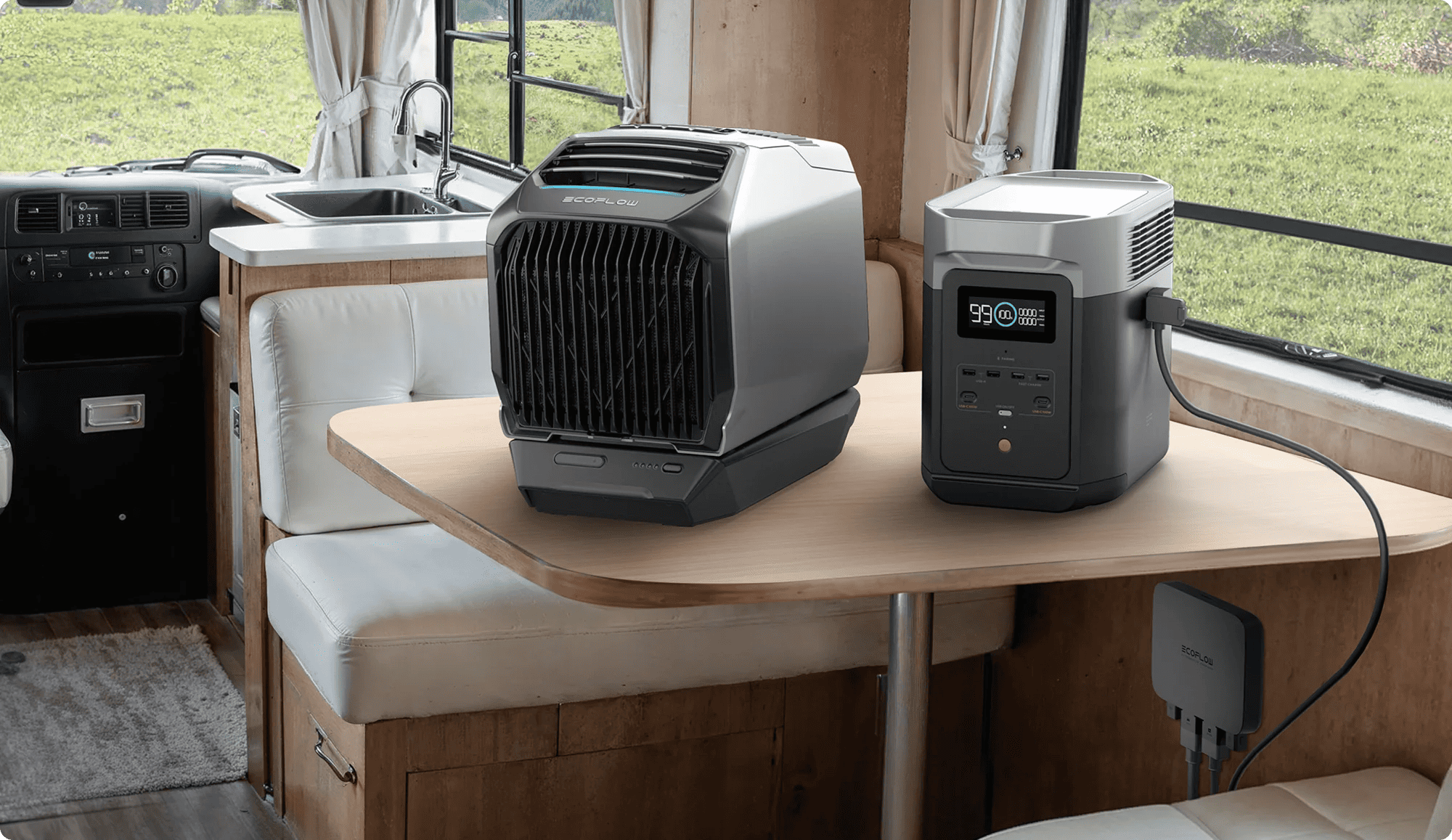
Also, having a small portable power station to recharge your phones is always a good idea. If you plan to camp or cook with an electric grill, bring along a high-capacity but still portable whole-home generator instead.
And, for those who plan to be off-road for a while, consider bringing an alternator charger to recharge while driving, which puts less strain on your alternator than using the DC plug.
Frequently Asked Questions
What Is the Point of Off-Roading?
Most people go off-roading to either test their driving skills or their vehicle, or to explore remote, scenic areas on roads less traveled. Either way, it offers a sense of freedom and accomplishment.
Do You Need Special Equipment for Off-Roading?
The main thing you need for off-roading is a 4WD vehicle with decent clearance. You should also bring tow ropes and hooks or a winch, a full-size spare tire and jack, some basic tools, plus snacks, water, and emergency supplies in case you get stuck.
Where Can You Go Off-Roading Legally?
In the United States, you can legally go off-roading on public lands designated for off-roading, such as many BLM and Forest Service roads. Also, numerous OHV parks are available where you pay a fee for entrance.
Safer, Smarter, More Confident Off-Roading
Off-roading combines skill and preparation with a desire to explore off the beaten path.
For those new to the experience, start with some easy dunes or shallow mud, and work your way up to serious rock crawling and overlanding. The key to success is being prepared and having the right gear, including the right vehicle, repair supplies, and a backup plan with snacks, water, and emergency gear in case you get stuck.
Whether you’re stuck or on a much longer adventure, the EcoFlow DELTA 3 Ultra Plus + 500W Solar Panel bundle will keep all your devices powered up, no matter how long you go off-grid.
For press requests or interview opportunities, reach out to our media team
media.na@ecoflow.com