Overland Equipment Checklist and Setup Guide for Beginners
Getting into overlanding doesn't mean you need to empty your bank account on day one. Whether you're planning weekend trips or month-long adventures, the right overland gear makes all the difference between a memorable experience and a frustrating one. This guide breaks down what overlanding equipment you actually need, how to set up your vehicle for off-grid camping, and why a reliable power station has become the backbone of modern overland setups.
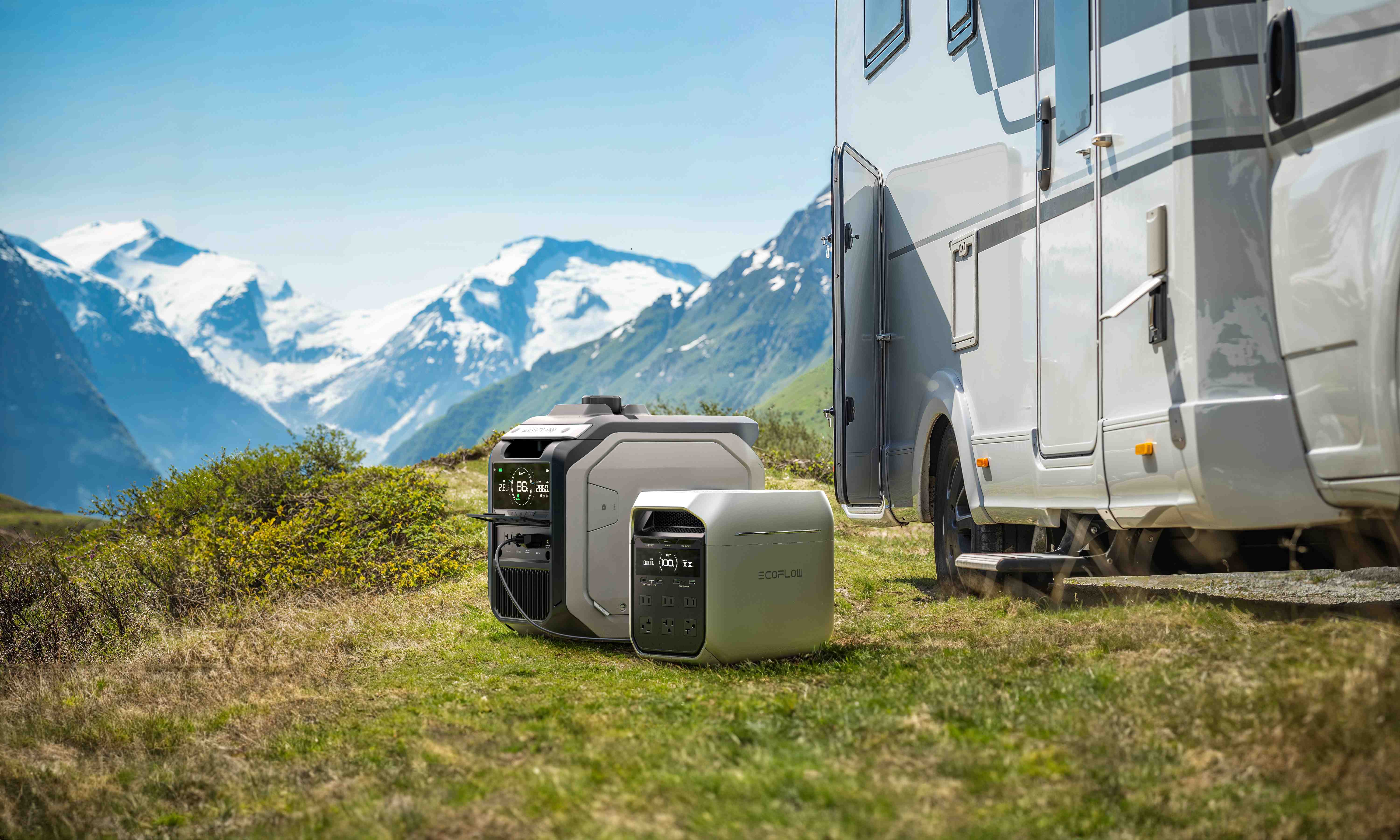
What Overland Gear Do You Actually Need?
Starting your overlanding adventure may look daunting with a never-ending checklist on the internet. Let’s get to the point and cover only what really counts.
Vehicle Basic Modification Equipment
Your rig doesn’t have to have an expedition-level buildout to get out there. Begin with all-terrain tires—this is the starting point for off-road adventures. Next, throw a roof rack on there for storage, and you’re already outshining most newbie adventurers. Recovery boards and a good jack will take care of the "what ifs" when you're hundreds of miles out.
Camping Life Equipment
Consider what you would want for a comfortable night out in the wild. This will involve a tent for the rooftop or ground, sleep bags that can handle the climatic conditions you will be in, and a camp chair setup. You do not need much, and besides, people have camped for centuries with much less. So far as cooking equipment goes, you can keep that minimal with a two-burner stove, a cooler or a fridge, and a set of necessary utensils.
Safety and Emergency Devices
This is where you don’t cut corners. A basic first aid kit, a fire extinguisher, and recovery straps are not items to trim when building an adventure kit. Throw in a satellite communicator if you’re traveling to an area where there’s no cell service. These are not fun items to buy, but they’re the ones that matter most when things don’t go according to plan.
Power and Energy Systems
Designed for the modern age of overlanding, this type of adventure relies on the power of electricity—for example, you’ll need power for your fridge, lights, and communications devices like your phone and camera. Your laptop will also need to be powered. This is where a portable power station comes into play and becomes mandatory.
How Do You Budget Your Overland Gear Costs?
Money talks, and overlanding can easily cost an arm and a leg very quickly if it's not planned out. This will help you budget with what you have to spend.
Entry-Level Setup: $1,000-$3,000 Budget
This is where you can begin your overlanding adventure. The camping setup (~$400-$800), the basic cooking equipment (~$200-$400), and the mid-level power station with 500Wh (~$300-$500) capability are the things to focus on getting first. Then add the basic recovery equipment (~$200-$300), and hold off on the premium accessories.
Mid-Range Setup: $3,000-$8,000 Budget
That’s when we're talking about gear that lasts for years. An upgrade would be the rooftop tent ($1,500-$2,500), a 12V fridge ($600-$900), as well as a 1000-$1500Wh power station with solar panel charging capabilities ($800-$1,200). These should be coupled with drawer organizers ($800-$1,500) and improved lighting options ($300-$500). This is geared towards weekend warriors and frequent adventurers.
Professional-Grade Setup: $8,000+ Budget
At this level, you’re assembling a build capable of managing extended remote travel. High-end rooftop tents w/ annexes ( Starting at $3,000+), dual battery setups or 2000Wh+ power stations ( Starting around $1,500-3,000), full drawer and kitchen slide components ( Starting around $2,000-4,000), and the best recovery gear.
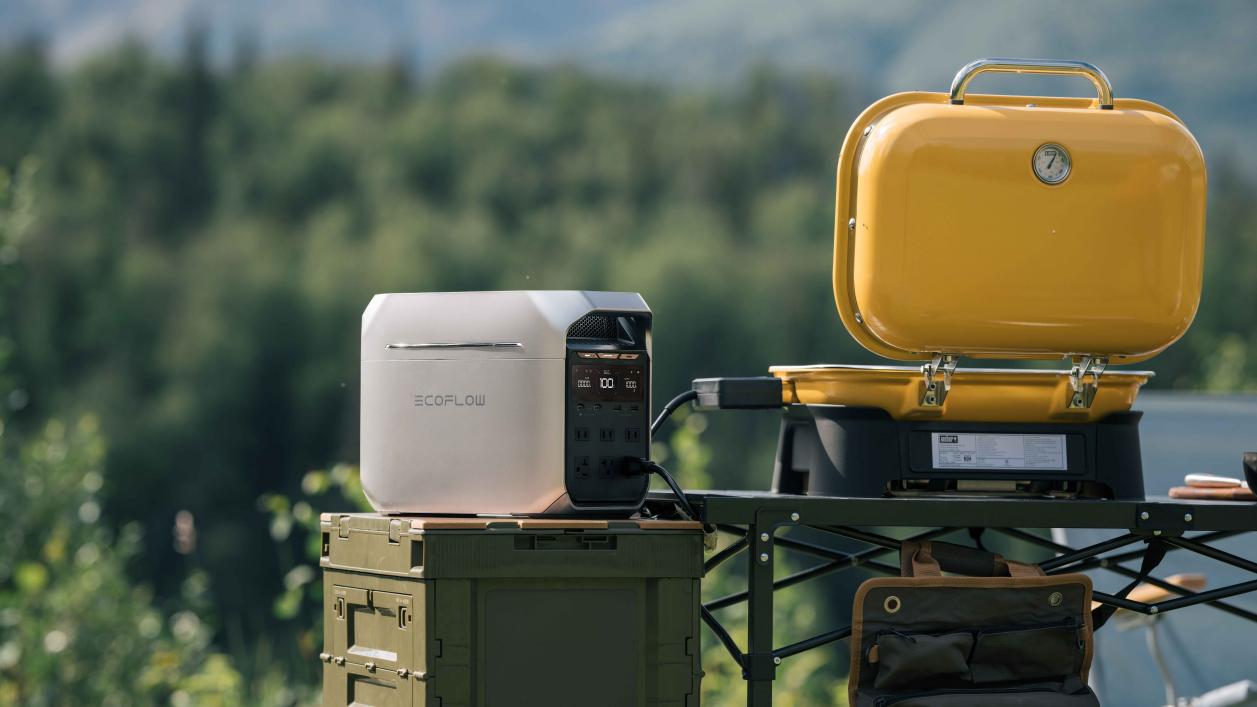
How Do You Build a Reliable Off-Grid Power System?
Your power system is the backbone in stealth. It allows overlanding of modern form. Mess this up, and your world is one of battery worries. Do it right, and almost out of sight, out of mind.
Calculate Your Power Needs
Before making any purchase, calculate the numbers. A 12V refrigerator may consume 30-50Ah per day (typical real-world usage for 12V compressor fridges). Lighting with LEDs could be 5-15Ah. Charging phones and cameras would be 5-15Ah. An overlander would require 40-80Ah per day to camp comfortably. This would mean 500-1000Wh power capacity in power stations.
Select the Best Power Station for Camping
Not all portable power stations are created equal when it comes to overlanding. Keep an eye out for LiFePO4 battery technology, which can withstand temperature fluctuations 3-4 times better than a standard lithium-ion battery and will last 3-4 times longer, too. You'll need multiple DC ports for powering a fridge and lights, as well as AC outlets for a computer or a power tool. The ability to charge from solar power is a must if you're planning a trip longer than 2-3 days.
Portable Power Station Core Parameters
A portable power stations' capacity or energy storage (Wh) will show how much power it holds. The output power or wattage (W) will tell you how many devices you can power simultaneously—make it a point to purchase at least 1000W. The charging speed is also important, as some power stations can charge up to 80% capacity in 1-2 hours using AC charging. The battery weighs according to its capacity, having larger capacities translates to heavier power stations, although it ranges from 20-60+ lbs.
Powering your Camping Fridge
Your refrigerator is going to be your most energy-hungry appliance. An efficient 40L 12V fridge will use between 30-50Ah of energy a day, depending on the ambient temperatures and usage. Your 1000Wh power station will, therefore, last 1-3 days before a recharge, depending on the frequency of use, when running a fridge. You can power the fridge directly from its DC output, as that is much more efficient than using the AC output.
Handling Lights & Electronics Charging
LED light strips and lanterns drink only a tiny amount of electricity—it might be around ~2-5Ah per night. It is more important to keep the cameras, drones, and smartphones powered on or charged. A 1000Wh station can charge a smartphone for 40-60 cycles, depending on the smartphone battery and losses involved; for a laptop, 10-15 cycles; or for a drone battery pack, 10-20 cycles. You can connect the smartphone and camera to USB ports; the laptop and battery chargers will require AC plugs. Overlanders charge all devices during the daytime when the solar panels generate electricity.
Heating Appliance Power Setup
Heating electric blankets or portable heaters are big power consumers. For example, a 12V heated blanket can consume anywhere between 3-5 amps or 36-60 watts, which is possible for a couple of hours. As for the AC space heaters, forget about them, as they'll suck power out of an entire power station in two hours. For cold weather camping, it is better to invest in insulating materials.
How Should You Set Up Vehicle Storage and Functional Zones?
Organization separates pleasant overlanding from chaotic gear explosions every time you need something. Think of your vehicle as a small apartment—everything needs a place.
Roof Rack and External Storage
Your roof handles bulky, lightweight items you don't need constant access to—tents, awnings, spare fuel, recovery boards. Keep the weight centered and as low as possible. A roof’s dynamic load rating is commonly somewhere around ~75–250 lbs (varies by vehicle and rack), but check your vehicle's actual rating. Secure everything twice; wind and rough roads are brutal on loose gear.
Interior Modular Storage Systems
Drawer systems are worth every penny. They prevent the gear avalanche when you open the back and let you find stuff without unpacking everything. Sliding drawers for cooking gear, one for tools and recovery equipment, another for clothes. Use the space under the drawers for water storage or a secondary battery. Modular means you can reconfigure as you learn what works.
Rear Modular Power and Kitchen Station
This is where the magic happens. Your power station lives here, hard-mounted or in a secure box. Position it for easy access but protected from the elements. Build or buy a slide-out kitchen setup nearby—stove, prep surface, and utensil storage in one compact unit. Run your fridge off the power station, with LED strips overhead for night cooking. Everything you need for meal prep is within arm's reach of the tailgate.
A practical example: mounting an EcoFlow DELTA 3 Plus near the fridge keeps 12V runs short, while the higher AC output gives you the option to plug in a laptop charger or small tool battery charger without juggling adapters.
Weight Distribution and Balance Principles
Here's what beginners mess up: they pile everything in the back, making the vehicle squat and handle poorly. Aim for a roughly balanced load with heavy items low and near the axles (exact percentages vary by vehicle setup). Keep heavy items low and centered. Your power station, fridge, and water should sit directly over or slightly forward of the rear axle. Light stuff goes on the roof. The goal is a balanced rig that drives predictably on and off pavement.
Powering Your Overland Journey
Ready to build your overland setup? Start with the essentials: sleeping system, basic overlanding gear for cooking, and a right-sized power station for your needs. Don't wait for the perfect setup—get out there, test your equipment, and upgrade based on real experience. Your first trip will teach you more than any article ever could. Grab that power station, load up your overlanding accessories, and hit the trail this weekend.
If you’re aiming for a modern “mid-range but serious” power core for overlanding—enough capacity for a 12V fridge and electronics, strong AC output headroom, and very fast recharging—EcoFlow DELTA 3 Plus is a clean fit to start with and scale up later.
FAQs
Q1. What’s the Actual Difference Between Car Camping and Overlanding?
Car camping is when you drive to the campground and settle there. Overlanding is all about the adventure—you’re going to places with limited accessibility, and you camp wherever you end up. Your equipment for overlanding should therefore be more resilient and independent because there will not be any facilities around. You would like to carry recovery equipment, and you will need to have independent power as well if you have to survive for several days. Car camping only requires some basic items found in Walmart stores.
Q2. Can I Use a Regular Portable Battery Instead of a Power Station?
Typical portable batteries (power banks) have batteries under 100Wh, which is sufficient for smartphones and gadgets but insufficient for overlanding accessories such as fridges, lights, and laptops. A camping station preferably operates in the 500-3000Wh mark with ports for 12V DC for fridges, USB for smartphones, and AC plugs for laptops. This is for constant use over many days and is not meant for charging smartphones instantaneously. The cost difference is large ($400+ vs $30), and the value too.
Q3. How Do Solar Panels Factor Into Overland Power Systems?
Solar panels allow you to keep on powering with a charged station during the day. For instance, a 200W solar panel would charge a decent amount of energy in strong sunshine (depending on the season and location, of course, and your energy requirements). Then, a station with a capacity of 1000Wh would remain charged on a one-week camping excursion. Add solar to your station for ultimate energy independence, provided your station supports solar charging (which is a common feature on modern stations). Budget another $200-400 for proper solar panels.
For press requests or interview opportunities, reach out to our media team
media.na@ecoflow.com