Is It Legal to Live in an RV? What You Need to Know
- Is It Legal to Live in an RV Full-Time?
- What Is the Legal Status of Living in an RV?
- Where Can You Legally Park and Live in an RV?
- What Regulations Should You Check Before Moving Into an RV?
- What Is a Responsible, Modern Approach to RV Living?
- Frequently Asked Questions
- Live Legally, Stay Mobile, and Power Your RV Confidently
The short answer is yes, you can live in an RV. However, it’s fully legal in some areas, restricted in others, and outright illegal in others.
While it can vary by state, more importantly, you must check local county and zoning laws to be certain. Where you park, how long you stay, and how you dispose of waste all play a huge role. Understanding these rules up front will help you live on the road without fines or legal issues.
Is It Legal to Live in an RV Full-Time?
As more of us are drawn to the lifestyle for its freedom and because RV living costs less than a house (depending on location), we’re wondering what the legalities are.
The answer is complicated because state laws don’t classify campers as permanent dwellings.
Furthermore, some local zoning laws prohibit living in campers, and areas with homeowner associations (HOAs) may prohibit it because they find it visually unappealing.
What Is the Legal Status of Living in an RV?
The legality of RV living is almost always governed at the county or city zoning level.
In many areas, owning and using an RV is fully legal, but using it as a full-time residence on a single property is restricted by local zoning laws, often because of concerns over septic hookups and gray water dumping. This means, in addition to state laws, you must check your local regulations.
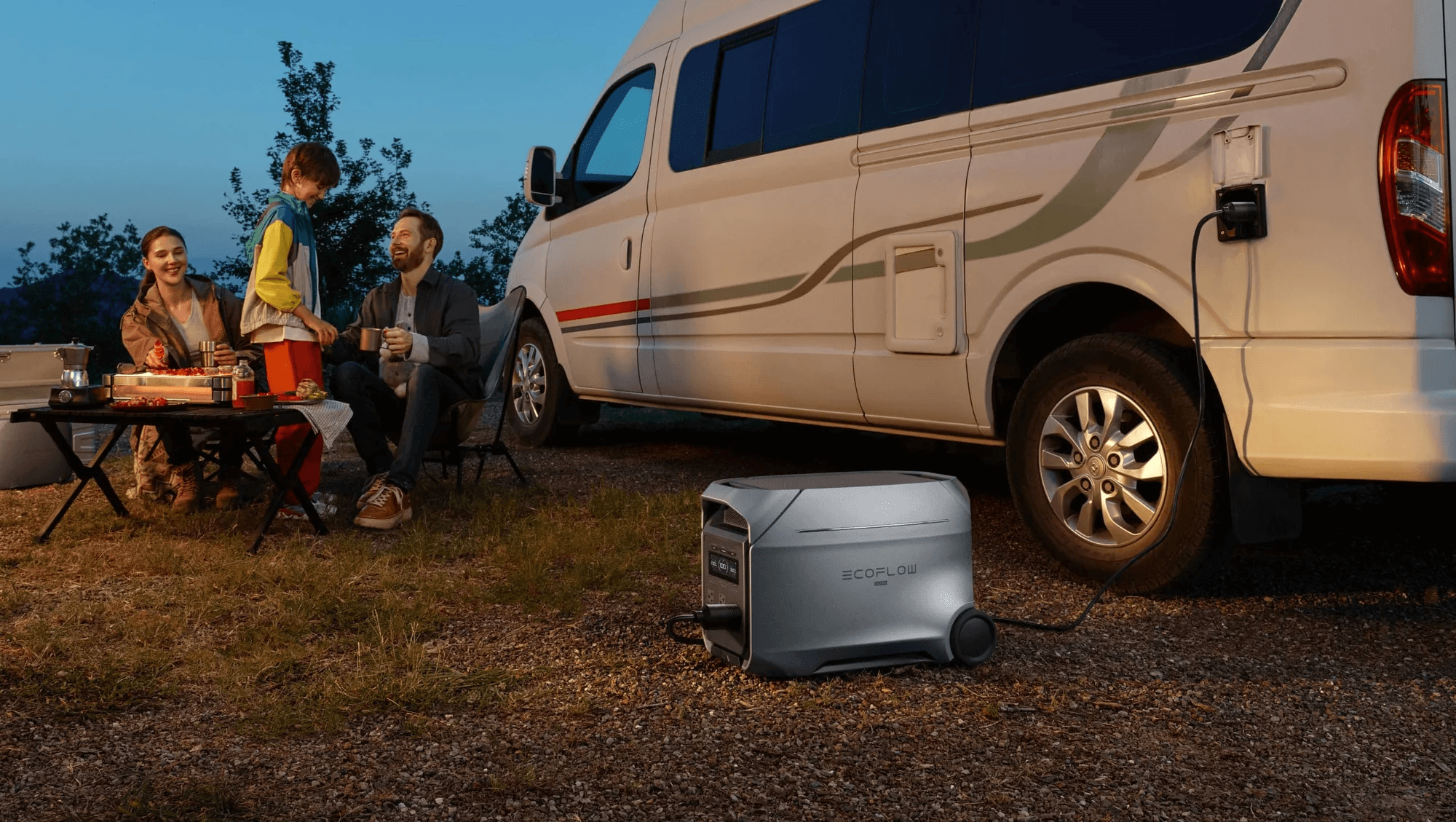
No matter where you live, being prepared for life on the road is essential. The EcoFlow DELTA 3 Ultra Plus + 500W Solar Panel bundle will keep all your appliances running and your devices all charged up, no matter where the road takes you.
Where Can You Legally Park and Live in an RV?
There are a handful of states that don’t require special permits and let you live in an RV as long as you don’t cause problems. These include:
Florida
South Dakota
Colorado
Alabama
Texas
Arkansas
Colorado
Georgia
Maine
Louisiana
Oregon
Many RVers establish a legal domicile in states like Texas, Florida, and South Dakota for favorable tax and registration laws and then travel from there.
However, in states like Iowa, Kansas, Massachusetts, and Missouri, you can live in a camper only on private property. And in many states, stays are limited on public lands anyway. For instance, most Bureau of Land Management (BLM) sites limit stays to 14 days in a 28-day period.
But if you’re in Hawaii, Delaware, Maryland, or Michigan, full-time living in campers is never legal outside of designated RV parks.
Still, you must look past all those state laws and check local county or city zoning bylaws to see what applies to your specific location. For example, check noise bylaws if you plan to use a gas generator, as those are increasingly being banned.
Still, you can live comfortably in your RV without breaking noise bylaws. Battery-operated, indoor-safe, portable power solutions can safely and quietly power your RV adventures anywhere.
What Regulations Should You Check Before Moving Into an RV?
You must check several regulations before making the move, which vary by location, even within the same state. Here is a checklist to get you started:
Is it legal to live in an RV on public land, and are there time limits or fees?
Are there local restrictions when staying on public land, like not being visible from roads?
Is it legal to live on private land? Do you have to own the land?
Check the local waste and septic bylaws.
Check if there are laws requiring you to use city power and water.
Check local noise bylaws (for gas generators).
Check RV registration and insurance requirements when parked and traveling, and ensure they apply to full-time RVers.
With RV parks, do they have rules on how old your vehicle is, appearance standards, and background checks?
Are there any required safety inspections?
Note that in all cases, you will still need a permanent legal home address for taxes, voting, and insurance.
What Is a Responsible, Modern Approach to RV Living?
A modern approach is about more than just freedom. It’s about sustainable RV living, being self-sufficient, and compliant. This involves plenty of research, checking all the state, county, and local bylaws to see what’s allowed.
Even without restrictions (rare), you must maintain your RV and be self-sufficient. Consider how you’ll get water, deal with your septic, and dispose of waste (practicing leave-no-trace principles), all in accordance with local laws.
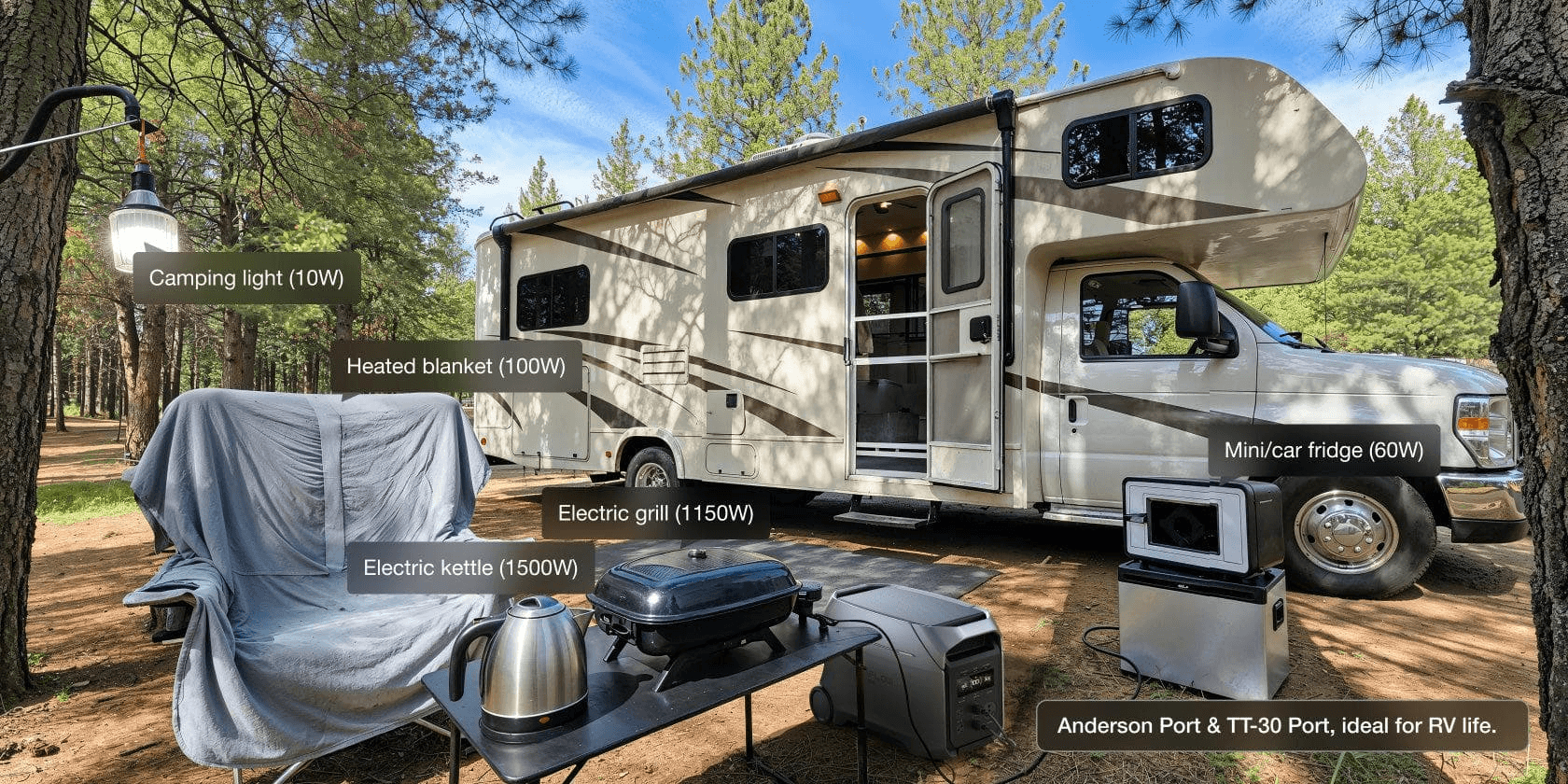
And think about how you’ll generate power without violating noise bylaws. Fortunately, a portable whole-home generator powered with clean, quiet solar panels easily takes care of that.
Frequently Asked Questions
In What States Is It Legal to Live in an RV Full-time?
You can legally live in an RV full-time on public or private land in Florida, South Dakota, Colorado, Alabama, Texas, Arkansas, Georgia, Maine, Louisiana, and Oregon. Although local regulations may apply.
What Is the Cheapest State to Live in an RV?
The cheapest states for RVers to live in are Texas, Florida, and South Dakota because they have no state income tax and low RV registration fees.
Do You Need a Permanent Address to Live in an RV?
For taxes, voting, and insurance, you always need a permanent address (not a PO Box). This is why most full-time RVers not living on private property use mail-forwarding services for a permanent address.
Live Legally, Stay Mobile, and Power Your RV Confidently
Living in an RV offers freedom, flexibility, and potentially lower costs of living, but it does come with a patchwork of regulations that vary enormously with location. From zoning laws and time limits on public land stays to local noise bylaws and insurance requirements, staying compliant means doing your homework before you settle in.
But, with some advance compliance planning and a quiet, self-sufficient power source like the EcoFlow DELTA 3 Ultra Plus + 500W Solar Panel bundle, you can live sustainably and comfortably anywhere the road takes you.
For press requests or interview opportunities, reach out to our media team
media.na@ecoflow.com