Overlanding vs. Off-Roading: What’s the Difference?
Overlanding and off-roading are two terms that quite often get used interchangeably. While both involve putting vehicles through their paces, often in rugged territories on remote landscapes, there are some notable differences between the two. If you’re an adventure enthusiast looking to uncover your next thrill-seeking adventure, you’ve come to the right place.
In this blog, we’re giving you the lowdown on overlanding vs. off-roading, including key differences, packing tips, and how to plan for your big adventure.
What Is Overlanding?
Overlanding comes from the term “overland”, which refers to traveling across land rather than sea or air. In olden days, it was used to describe long journeys by horse, cattle droving, or traveling along trade routes. Today, the meaning is a little different.
Generally, overlanding involves traveling by vehicle—motorized or not—across various terrain in remote landscapes. Most adventurers will travel using a 4WD vehicle, and while it’s not necessary, it may make the journey easier. Overlanding is about the journey—getting from point A to point B and enjoying the experience along the way. Those who go overlanding are self-reliant, packing up their vehicles with everything they need for the days, weeks, or months they’re gone, and camping along the way.
The key factor in overlanding is that it’s not actually about the destination you reach, but about the journey itself and what you learn along the way.
What Is Off-Roading?
Off-roading involves the same thrills as overlanding, but it’s usually done in short stints. For off-roading, you’ll most likely need a 4WD vehicle, unlike overlanding, which can be done in either a 4WD or 2WD vehicle. The purpose of off-roading is to travel over challenging terrains, including mud, dirt, gravel, sand, or rocks, on steep or level inclines. It’s better suited for adrenaline junkies who enjoy navigating tricky terrains.
Most off-roading excursions are completed over the course of a few hours on a day trip or over a weekend, unlike overlanding, which can last for weeks or months.
Key Differences Between Overlanding and Off-Roading
Focus and Experience
Overlanding is all about the journey. Your trip may last anything from days to weeks, or months, and during that time, it’s about disconnecting from the real world and forgetting about everyday life. With off-roading, it’s about living in the moment. It’s short bursts of adventure as you traipse across treacherous land that are enough to get the adrenaline pumping and forget about all of your problems.
Terrain and Challenge Focus
Overlanding involves exploring far and wide across remote landscapes, but the terrain itself tends to be much more manageable in comparison with off-roading. The goal is to explore and appreciate the journey, focusing on slow travel and being self-reliant. Off-roading is often on much more difficult terrain, with the focus being on the challenge and reward of navigating the land.
Trip Duration and Planning
Overlanding can last for days, weeks, or months. One of the key differences between it and off-roading is that those traveling are self-sufficient, often packing up everything they need and camping along the way. As a result, it requires significantly more planning and preparation. You need to consider what off-road trail you’ll take, where you can refuel, and safe camping spots. Off-roading doesn’t require as much planning. It can be done in a day trip, and you won’t need to worry about expensive camping gear and stocking food supplies.
Gear, Storage, and Long-Distance Readiness
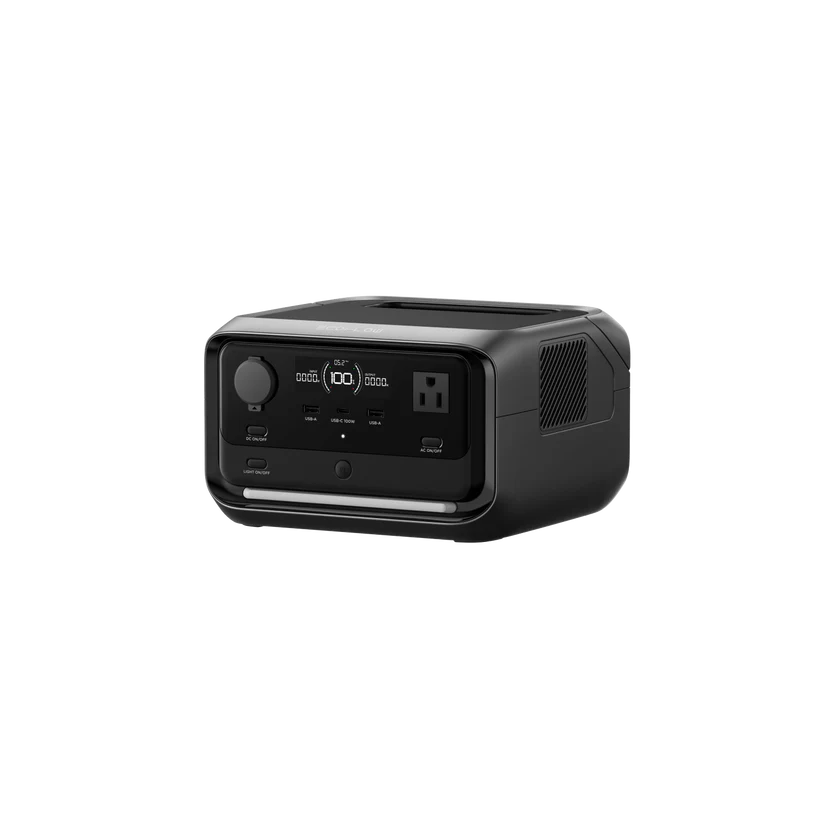
Overlanders generally need more gear than off-roaders, seeing as you’re adventuring for longer periods of time. Overlanders also set up camp along the way, so they’ll have a lot to think about in terms of survival gear. Overlanders will need to pack a tent, sleeping bag, GPS device, fuel, water, cooking equipment, and cooler boxes for food storage. You should also pack vehicle spares (such as a tire, winches, and a recovery strap), as well as a power bank or a portable power station like the EcoFlow RIVER 3 Plus Portable Power Station. It’s also perfect if you plan to do some work while on the move, with four charging ports to power phones, laptops, headphones, and tablets.
Off-roaders have it a little bit easier, though you’ll still need to pack well, including essential recovery tools for your vehicle in case of any accidents while exploring difficult terrain. You won’t need to worry about food storage and camping equipment—unless you’re going away for a weekend trip—and can instead focus on packing safety gear like a helmet, first-aid kit, a fire extinguisher, and a good quality power bank to keep you connected.
Planning Tips for Your Adventure
Research your trip before you set off so you know the exact route you’re taking.
Download offline maps and ensure you have a solid GPS device.
Check trail conditions and forecasted weather beforehand.
Pack some extra food and water, having more than you think you need.
Be familiar with your vehicle’s fuel needs and note locations for refueling.
Have backup vehicle accessories, such as tyres, winches, diff guards, axles, etc.
Always travel with another person or vehicle if possible.
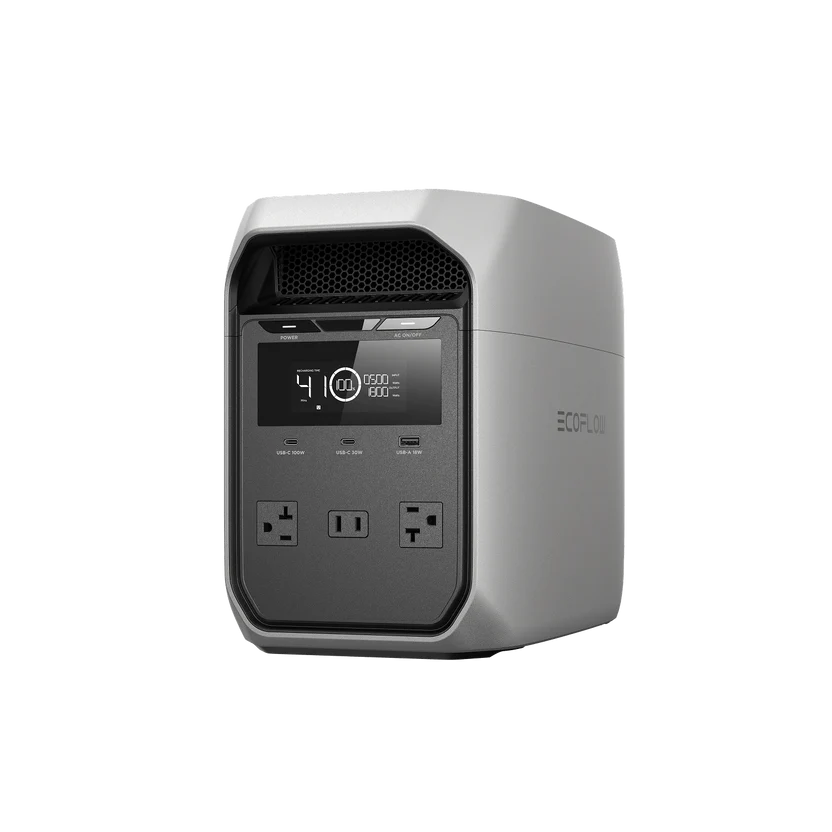
Pro tip: Carry a portable power station so you never have to worry about a dead phone battery or losing contact during an emergency. The EcoFlow DELTA 3 Classic Portable Power Station (1024Wh) can power your essentials such as phone, camera, and drone. With multiple charging ports and 1800W output, it can also power camping equipment like portable refrigerators, lighting, and cooking gear.
Frequently Asked Questions
What Is the Difference Between Overlanding and Off-Roading?
Overlanding is long-distance travel over mostly unpaved roads, it can be with any kind of vehicle—motorized or not—and generally involves camping for multiple nights. Off-roading is when a 4WD vehicle travels over rugged terrains and is usually done in short bursts, often on a day trip or over a weekend.
Why Do They Call It Overlanding?
Overlanding got its name from the term “over land”, which refers simply to journeys made across land. Historically, this would have been on foot or by horse, across unexplored or remote regions, and expeditions across continents. Modern-day overlanding follows this by adventuring into remote regions through challenging terrain, while remaining self-reliant.
Is Overlanding Just Camping?
Not quite. While overlanding usually does involve camping, it’s more about the day-to-day journey and exploring new places along the way. It usually combines self-sufficiency, adventure, and exploration, with an emphasis on enjoying the process rather than reaching a final destination.
Explore EcoFlow’s Portable Power Stations
Whether you choose the slow-paced exploration of overlanding or you’re an adrenaline junkie looking for a quick fix with off-roading, it’s essential to adequately prepare yourself before setting off on your adventure. Know your route, triple-check your vehicle, pack spares, extra food, and water, and carry a reliable backup power solution like the EcoFlow DELTA 3 Classic Portable Power Station (1024Wh) to keep your escapade powered wherever it may take you.
For press requests or interview opportunities, reach out to our media team
media.na@ecoflow.com