Water Filtration: Powering Pumps with DELTA 3
When the power goes out, you lose more than lighting and air conditioning. If your home uses a well, losing electricity means no pump, water flow, or filtration. That means an outage can become a catastrophe if it cuts off your access to water for even a day.
Fortunately, you don’t need a huge, gas-powered generator to keep your pump working. Learn why water filtration is crucial, how portable power keeps water in your taps, and the steps for setting up a simple backup system with EcoFlow DELTA 3 Max Plus.
Why Reliable Water Filtration Matters
You might think you can rough it without water for a few hours, but not all outages are short-lived. You could be without water for a week or longer, especially if you live in a rural area.
Investing in a water pump backup ensures:
Access: If the pump loses power, water may stop flowing into your home entirely. That means no running water for drinking, cooking, cleaning, or flushing toilets.
Safety: Well water doesn’t pass through a municipal treatment facility before it reaches your home. Filtration removes sediment and other unwanted substances, so losing that layer of protection during an outage can be risky.
Water security: A prolonged outage can leave you relying on bottled water or stored reserves. Since most people underestimate how much water they’ll use, these backups don’t last long.
Taste: Filtration isn’t just about safety. Palatability matters, especially if you get water from a lake with sediment. Even if the water is safe to drink, it can taste like mud, which isn’t very appealing.
That’s why water security during a power outage matters. When you can keep water moving and filtered, you’re protecting one of the most basic essentials in your home.
How Portable Power Supports Water Filtration Systems
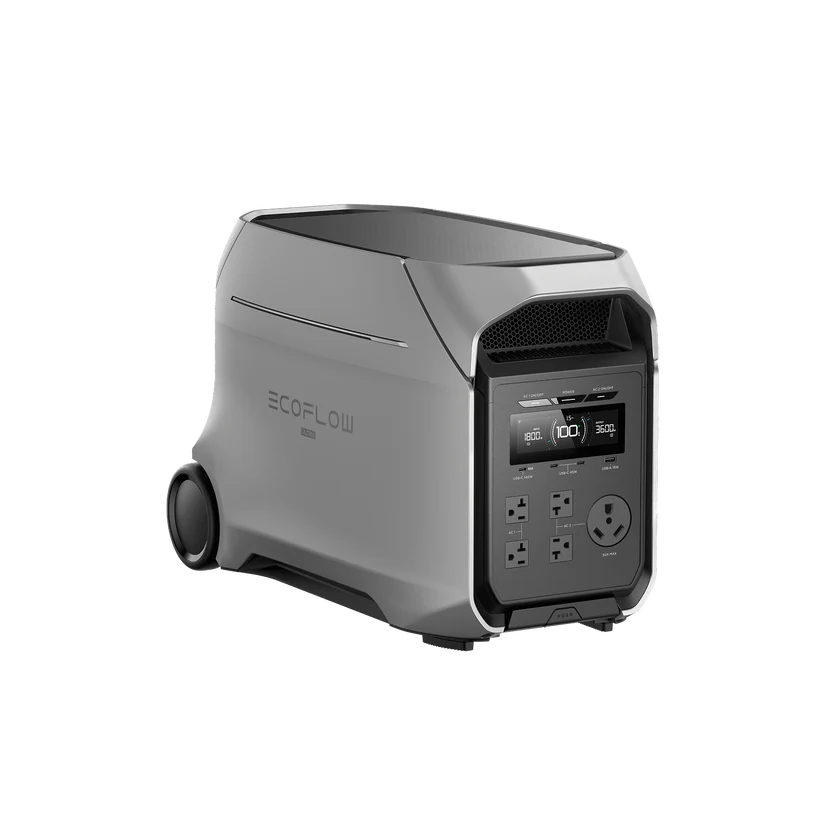
A whole-home backup is a great way to ensure you always have purified water, but it isn’t always a realistic option. What if you can’t do a whole-home setup, or you need to evacuate? In this case, a portable option like EcoFlow DELTA 3 Ultra Plus is the way to go.
This robust but portable backup can make a real difference for water filtration, especially if you need to run more than one essential at a time. Since pumps use a lot of energy when they start up, you need a power source that can handle sudden surges without tapping out.
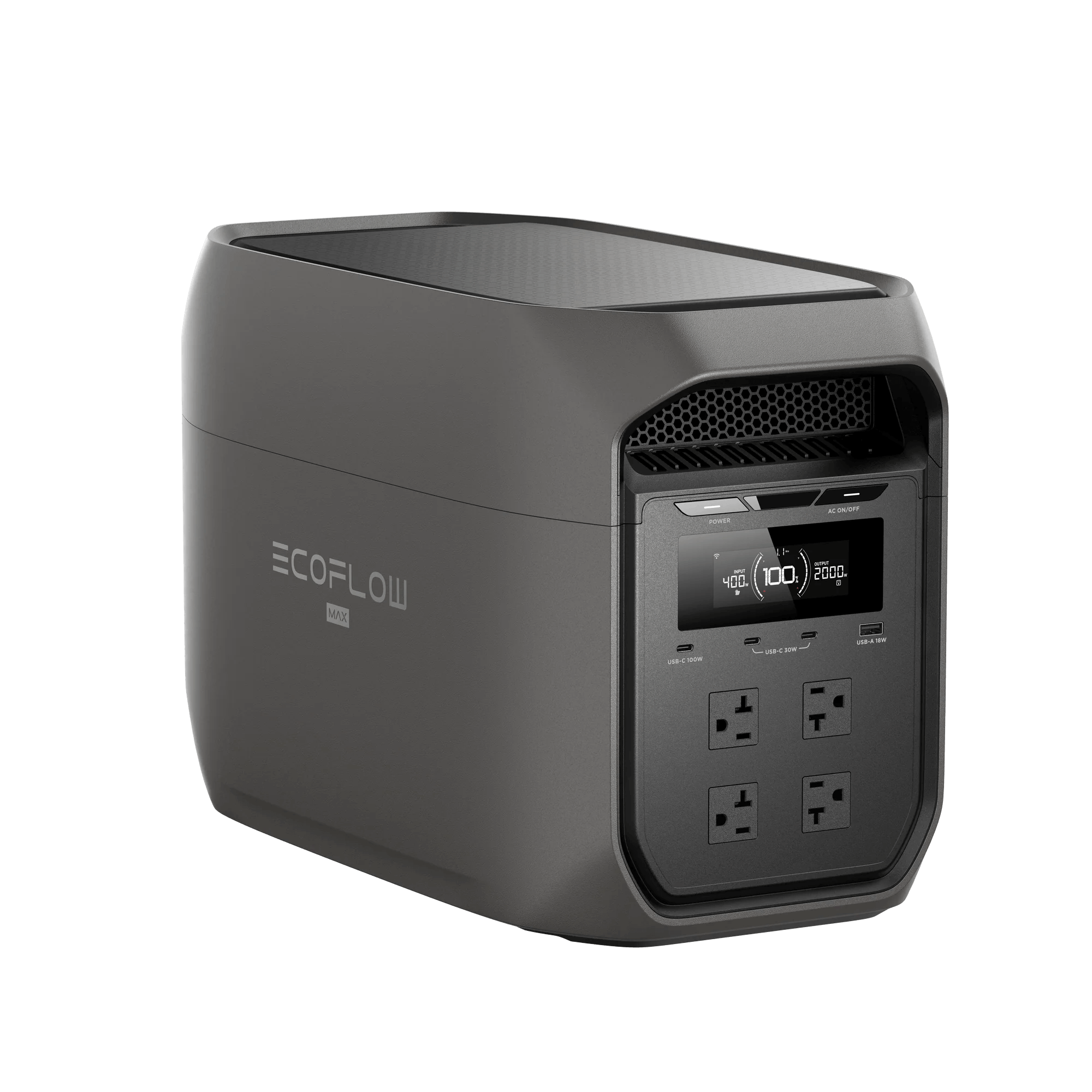
The EcoFlow DELTA 3 Max Plus has a 3000W AC output, 6000W surge output, and X-Boost support for up to 3800W, which is more than enough to keep your water pump and filter going strong. If you need more runtime, you can even expand the system with an extra battery. The portable battery is as simple as plug-and-play, so all you need to do is plug your water pump into it, and you’re good to go.
Types of Water Filtration Pumps That May Need Backup Power
Not all wells use the same type of pump, so you need to size your backup power correctly. The pump you have will determine your power needs—especially at startup, when it draws three times more electricity than it does during normal operation.
Chances are, your well uses one of these types of pumps:
Submersible pump: This type of pump sits underwater in your well and pushes water up to the surface. Submersibles are more common in wells deeper than 25 feet. Since they move water a longer distance, they need a 240V power source that’s more robust.
Jet pump: This pump sits above ground and draws water from your well using suction. This setup is more common for wells that are 25 feet or shallower. Depending on the model, a jet pump will need either 120V or 240V.
Water filtration pumps work differently, so you need to understand your well’s requirements before shopping for backup power. Or you could simplify everything by choosing the EcoFlow DELTA 3 Max Plus, which is designed for higher-output devices.
4 Benefits of Using Portable Power for Water Filtration
You don’t have to white-knuckle your way through a power outage, especially when water access is on the line. There are so many benefits of running your water pump with portable power, including:
Flexibility: You can use portable power wherever it’s needed. Today, it’s running your water pump, but tomorrow it might power your gaming PC. Instead of creating multiple backups, you can bring power with you wherever you are.
Affordability: Permanent backup systems are great, but they’re a bigger commitment. With portable power, you get instant backup that you can deploy as needed, no major installation project required.
Simple setup: Chances are, you won’t want to spend time outdoors when the power’s out. Portable power is as simple as plug-and-play, so you don’t have to spend a lot of time in nasty weather setting up a complex system.
Thrive during longer outages: You can probably limp by for a day without power, but what about extended outages? You can add solar panels to your setup and enjoy virtually constant power. Instead of surviving on bottled water, you’re free to take showers and cook without the anxiety.
Setting Up Backup Power for a Filtration Pump
You don’t need to hire a plumber or electrician to set up backup power for your water pump. Follow these simple steps to get your backup online in minutes:
Identify your pump type and voltage: Do you have a submersible pump or a jet pump, and does it run on 120V or 240V? That one detail affects everything else, because backup power has to match your pump’s actual requirements.
Check the wattage and startup surge: Pumps draw more power when they start up. Make sure your system can handle both normal operation and that initial spike.
Confirm your filtration system’s load: If you have a more sophisticated pump, see if it uses electronic controls, pressure switches, UV purification, or monitoring equipment. Add up the full load so you plan for the entire system.
Install the unit: Store your power station in a dry, ventilated space. When the power goes out, remove it from storage and connect it to your pump. In most cases, this is as easy as plugging in a normal power plug. Make sure you protect the battery from the elements, ideally by keeping it inside your well house.
Frequently Asked Questions
How Much Power Do Filtration Pumps Typically Use?
It depends on your setup, but most residential pumps need anywhere from 500 to 2,000 watts. Smaller shallow-well or jet pumps may land on the lower end, while deeper-well submersible pumps often need more power. However, these pumps also have a startup surge that briefly draws three times their normal running wattage. So, a 1,000-watt pump may need as much as 3,000 watts to kick on.
Can a Portable Power Station Run a Water Filtration Pump?
Yes, as long as it matches your water pump’s power requirements. A portable power station needs enough capacity to handle both your pump’s running wattage and its startup surge. When shopping for a power station, look for options that can handle both; otherwise, your backup power won’t work.
Final Thoughts
When the power goes out, you lose access to a lot of important things, including water. If your filtration system uses a pump, you need a backup plan to stay safe and comfortable during outages.
Ultimately, having portable backup power gives you more options, both during everyday life and emergencies. You can use it at home, take it where it’s needed, and rely on it for more than just your pump. If you want a flexible solution that can handle demanding backup needs, the EcoFlow DELTA 3 Max Plus is a smart place to start.
For press requests or interview opportunities, reach out to our media team
media.na@ecoflow.com