12 Home Electrical Repairs You Can DIY (And When You Need Backup Power)
- Understanding Home Electrical Repairs: What’s Safe to DIY?
- Essential Safety Steps Before Starting Any Electrical Repair
- Common Home Electrical Repairs You Can DIY
- How to Handle Basic Electrical Repairs Step by Step
- Electrical Problems That Should Always Be Handled by a Professional
- Why Backup Power Matters During Electrical Repairs and Outages
- How Whole-Home Backup Power Improves Electrical Reliability
- Frequently Asked Questions
- DIY Electrical Repairs and Reliable Backup Power for Your Home
Not every electrical repair requires a licensed electrician. If you have the confidence, safety awareness, and some basic electrical knowledge, there are several common home electrical repairs you can DIY.
It goes without saying that knowing when to hire a professional electrician is just as important for your safety. This guide covers which electrical repairs you can take on, which ones are best left to experts, and how backup power can keep important appliances running while you work.
Understanding Home Electrical Repairs: What’s Safe to DIY?
Electrical repairs should always be approached with caution, but some repairs are safe for the average homeowner to DIY.
Typically, these are minor repairs involving shutting off a single breaker to work on a switch or an outlet.
However, if you need a major wiring overhaul or electrical panel upgrade, these are best left to the professionals.
Essential Safety Steps Before Starting Any Electrical Repair
Safety is always the top priority. Always proceed with caution and consult with an expert if you can, but here are some essential safety tips to follow before starting an electrical repair:
1. Turn Off the Power
Find the breaker for the circuit you will be working on (like the bedroom lights if you’re installing a ceiling fan) and shut it off.
2. Test to Make Sure Power Is Off
Use a multimeter or other device that tests volts or amps. If the meter doesn’t read any power, it’s safe to work on.
However, if the meter still shows power, then the circuit is still live. Repeat steps 1 and 2 until you’ve shut off the correct breaker.
3. Plan for Temporary Power Needs
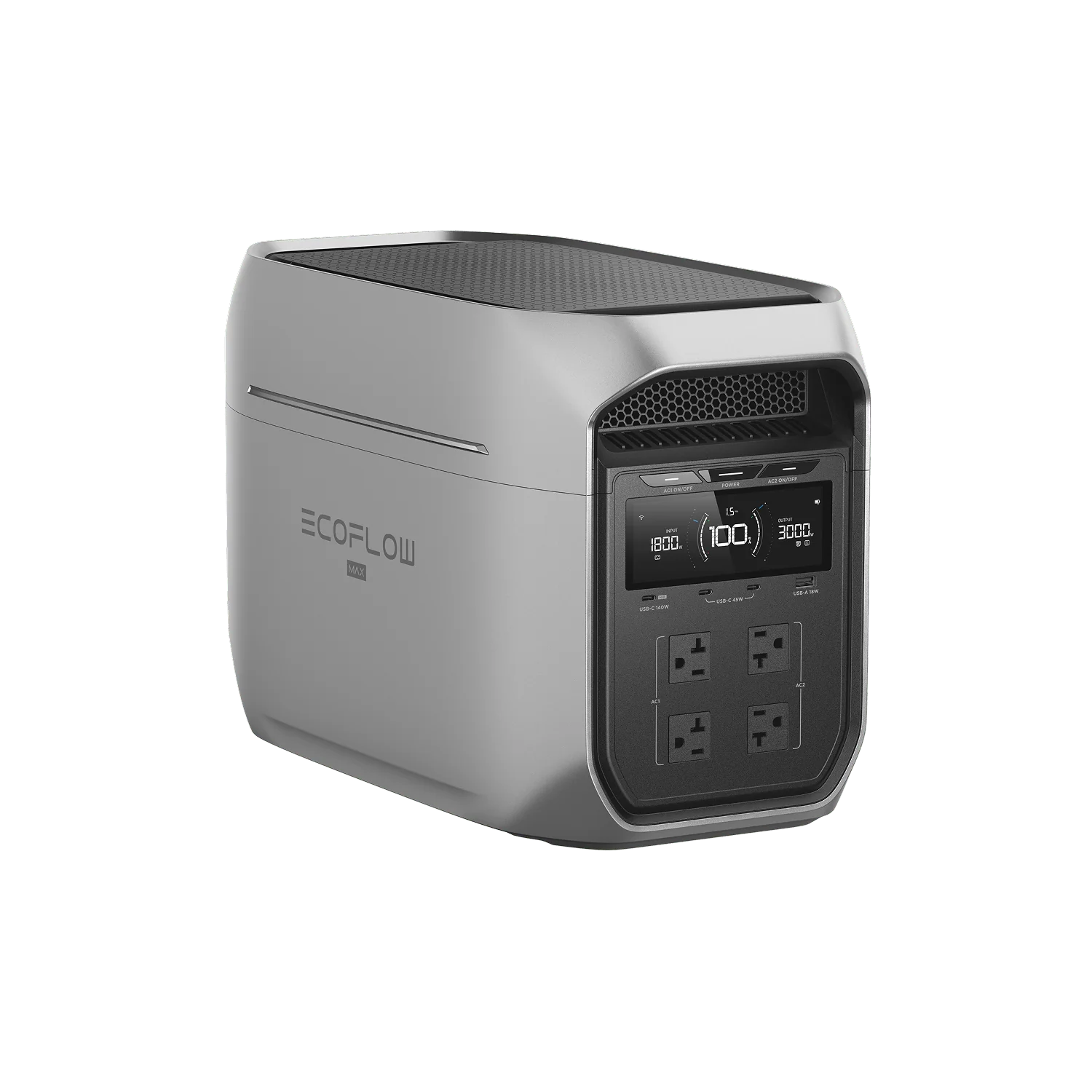
Since shutting off the circuits can leave parts of your home without power, it’s a good idea to have a temporary power system in place. An indoor-safe backup power system, such as the EcoFlow DELTA 3 Max Plus, can keep critical appliances running during repairs — with no emissions or carbon monoxide concerns.
Common Home Electrical Repairs You Can DIY
Here are some common repairs that homeowners can DIY:
Replacing light switches.
Replacing damaged or mismatched outlet covers.
Installing LED recessed lighting.
Installing smart home devices.
Replacing a doorbell.
Extension cord repairs.
Replacing thermostats.
Installing a ceiling fan.
Installing low-voltage outdoor lighting.
Installing motion detectors.
Troubleshooting for tripped breakers (basic).
How to Handle Basic Electrical Repairs Step by Step
Step 1) Gather the parts and tools you need.
Step 2) Turn off the correct breaker.
Step 3) Test the circuit you’re working on to be sure there’s no power.
Step 4) Remove the cover/faceplate and note the wiring before disconnecting anything — taking a picture helps prevent DIY wiring errors.
Step 5) Follow the manufacturer's instructions on installing the dimmer switch, ceiling fan, etc. Pay attention to the wiring diagrams, matching the wires exactly as they describe.
Step 6) Ensure connections are secure and reinstall the faceplate.
Step 7) Turn the breaker on and test the system. If it doesn’t work, turn off the breaker and re-check your connections, wiring diagrams, and your photo.
Electrical Problems That Should Always Be Handled by a Professional
These problems are always best left to professionals who will know how to do it correctly, safely, and according to code.
Electrical panel upgrades.
Repairing faulty circuit breakers.
Wiring whole rooms.
Installing dedicated circuits for high-energy appliances (stoves, dryers, etc.).
Handling aluminum wiring.
Installing major appliances.
Outdoor electrical systems.
Emergency repairs.
Renovating old electrical systems.
Why Backup Power Matters During Electrical Repairs and Outages
When you shut off circuits to perform electrical repairs or work, areas of your home may lose power, even if the rest of the system is still functioning. That can be inconvenient, especially if you rely on appliances like refrigerators, medical equipment, or the internet through the day.
Having a backup power source means you can keep those devices powered while work is carried out.
Just keep in mind that if your backup is connected to your main panel, parts of the system may still be live, so always verify circuits are fully off before starting any work.
How Whole-Home Backup Power Improves Electrical Reliability
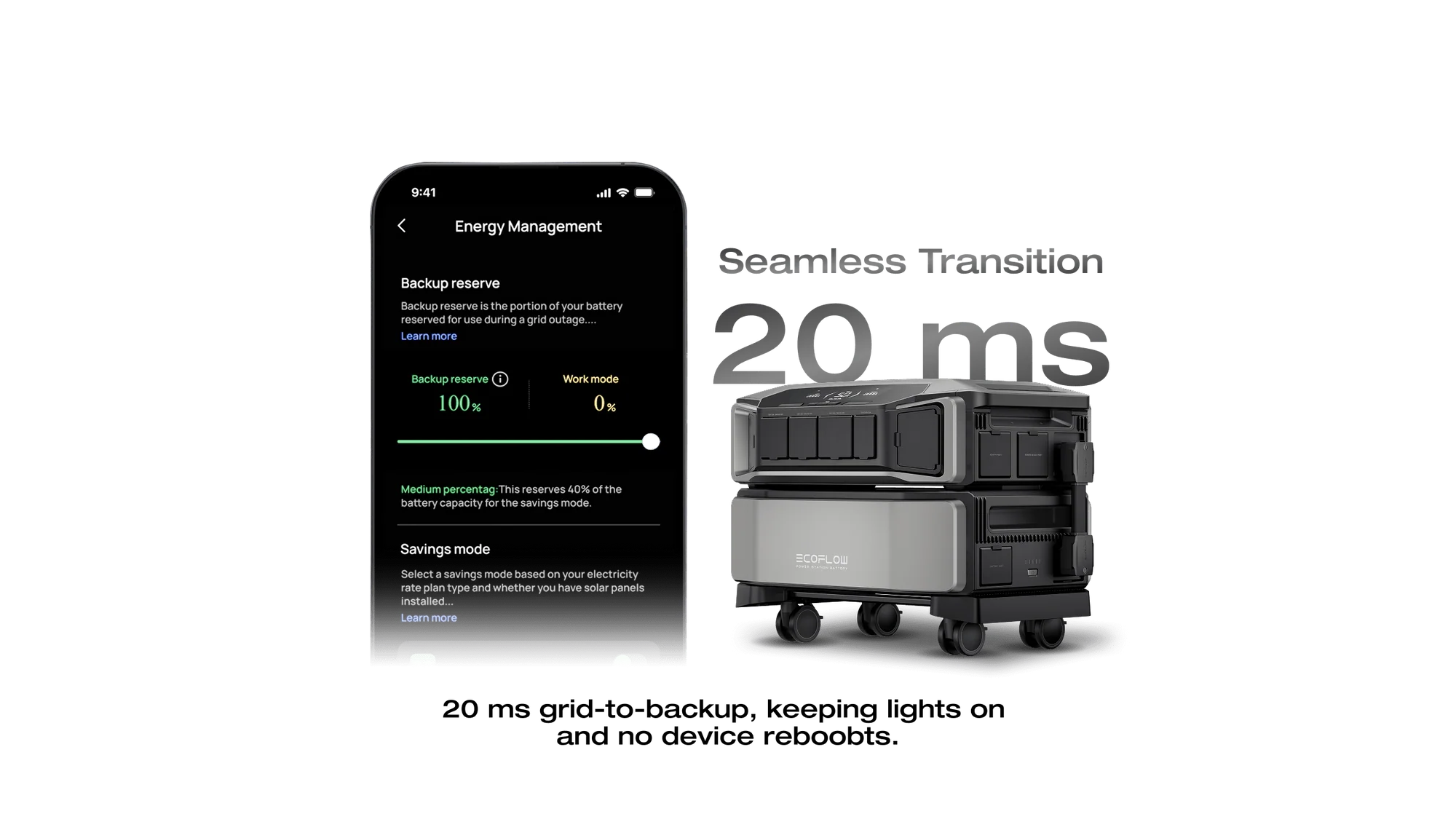
Beyond supporting individual repairs, whole-home backup power systems also improve electrical reliability. When an outage occurs, they provide a continuous power supply to aid in preventing sudden shutdowns (which can damage sensitive devices or systems).
Some setups can automatically switch to backup power when the grid goes down, helping maintain a stable, uninterrupted power supply.
Take the EcoFlow DELTA Pro Ultra Backup Power System, for example. This system is designed to deliver reliable backup power with fast automatic switchover to support seamless power and improve resilience during outages.
Frequently Asked Questions
What Are Common Electrical Problems in Homes?
Some common electrical problems include: outlets and lights that stop working, tripped breakers, outdated wiring, flickering lights, hot outlets, and misused electrical cords overheating.
What Electrical Repairs Can Homeowners Safely Do Themselves?
Repairing light switches, replacing doorbells, and installing dimmer switches, motion sensor lights, and ceiling fans are repairs homeowners can safely DIY. Just make sure you turn off the correct breaker and test the circuit with a multimeter so you know it’s off before working on it.
Can Backup Power Keep Your Home Running During Repairs?
Yes, backup power can be used to keep your home running while you do repairs. However, the portion of your home being repaired will need to be powered off if you’re working on or around the electrical system for safety.
DIY Electrical Repairs and Reliable Backup Power for Your Home
DIY electrical repairs are a great way to save time and money when handled correctly.
However, safety is always the top priority.
Always turn off the breaker at the panel, and test your circuits with a multimeter or other device to be confident that power is off before you open anything up and try to make repairs. Know your limits and when you should hire a professional, like for major wiring or electrical panel upgrades.
Finally, reliable backup power solutions, like the EcoFlow DELTA Series portable power stations, will keep your vital appliances powered, whether you are dealing with a quick fix or an all-day upgrade.
For press requests or interview opportunities, reach out to our media team
media.na@ecoflow.com