Whole Home Surge Protector Installation: How to Protect Your Appliances from Power Surges
- What Is a Power Surge and Why Can It Damage Your Home?
- Common Causes of Power Surges in Residential Electrical Systems
- What a Whole-Home Surge Protector Does
- Whole-Home Surge Protector Installation: How It Works
- Key Features to Look for in a Whole-Home Surge Protector
- Whole-Home Protection vs Plug-In Surge Protectors
- Why Surge Protection Is More Important in Modern Homes
- Frequently Asked Questions
- Ready to Upgrade Your Home Protection with EcoFlow Whole-Home Backup Power Systems?
While power surges happen in an instant, the damage they leave behind is expensive and long-lasting. From major surges like lightning strikes to minor internal surges from appliances starting up, these voltage spikes are more common than people realize.
As modern homes increasingly rely on sensitive electronics and smart appliances, whole-home surge protection has never been more important.
Learn how these systems work and other helpful ways to extend the lifespan of your appliances.
What Is a Power Surge and Why Can It Damage Your Home?
A power surge is any sudden voltage spike that travels through your household electrical system.
It can come from outside, like a lightning strike or grid instability, or smaller internal surges from the startup power demands of large appliances cycling on.
Standard household voltage is usually 120 V. When that spikes, even for a fraction of a second, it can damage sensitive electronics like TVs, computers, routers, and smart appliances — any device with electronic circuit boards. This often shortens their lifespan and may corrupt important data.
Common Causes of Power Surges in Residential Electrical Systems
When we think of power surges, we typically think of large external spikes. However, internal voltage spikes are far more common.
These occur when high-power appliances like refrigerators and air conditioners power up, briefly drawing more watts than usual. Even if you don’t notice immediate damage, small voltage spikes can cause a decline in performance long before the electronics fail.
To protect sensitive devices, you can use surge protectors or a whole-home surge protection system to absorb excess voltage before it reaches your equipment.
What a Whole-Home Surge Protector Does
A whole-home surge protector is a component connected at your main electrical panel. There, it protects your home’s electrical system by diverting excess voltage safely to ground.
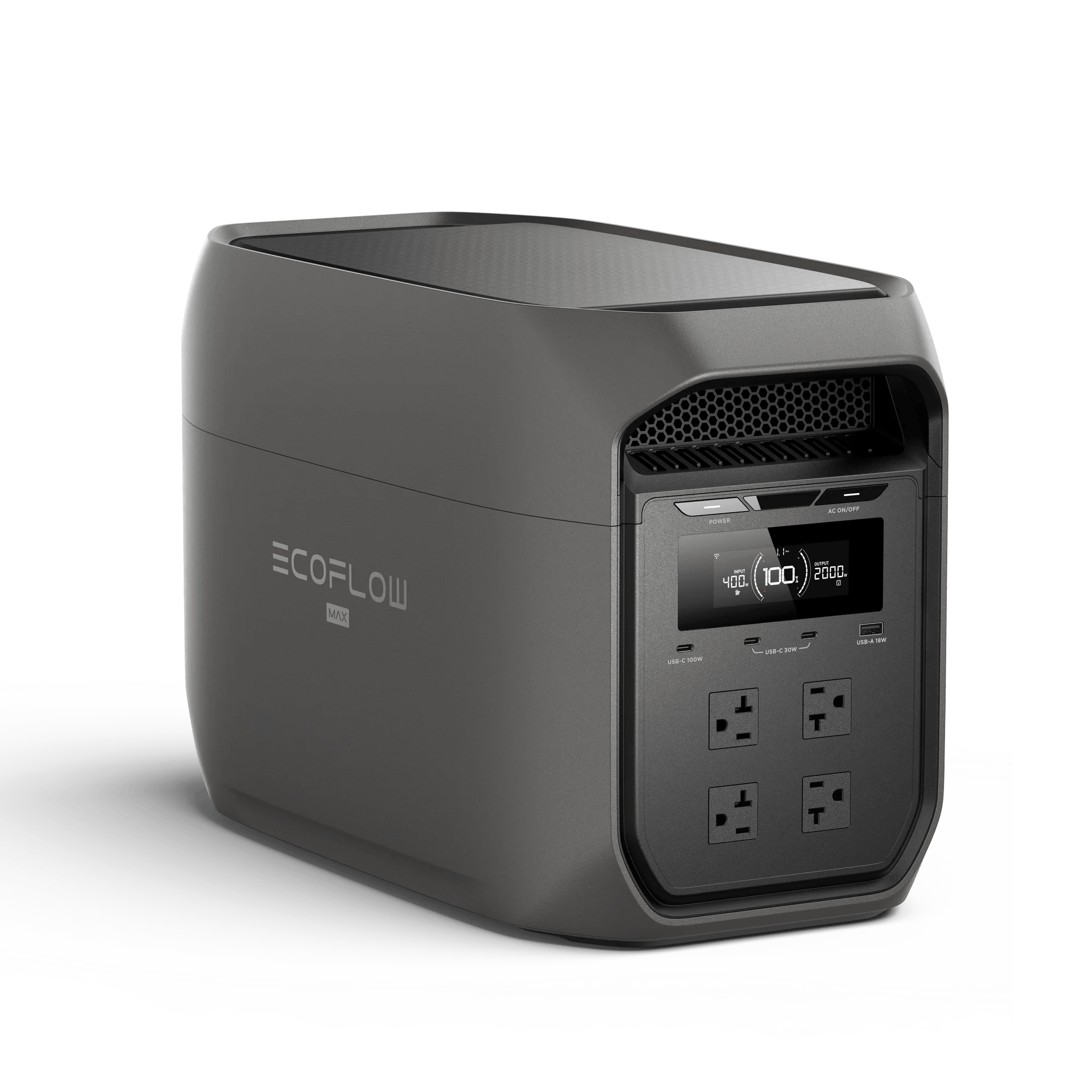
While surge protectors handle voltage spikes, backup power systems help protect devices from sudden outages and unstable power conditions. For example, a portable power system like the EcoFlow DELTA 3 Max Plus can provide backup power with quick automatic switchover, helping prevent potential damage caused by abrupt power outage shutdowns.
Whole-Home Surge Protector Installation: How It Works
Most people hire a licensed electrician because it requires a dedicated breaker and grounding connection. Still, here are some basic instructions to help you understand the process:
Turn off the main power and use a multimeter to confirm there is no electricity flowing to your panel.
Remove the cover from the electrical panel.
Mount the surge protector inside or outside the panel according to the manufacturer’s instructions.
Connect the surge protector wires to its double-pole breaker (using the amps specified by the manufacturer).
Replace the panel cover.
Turn the power on.
Test the surge protector to ensure it’s working.
Key Features to Look for in a Whole-Home Surge Protector
Consider the following features before choosing your system:
Whole-house protection comes in two types:
Type 1 is installed before the main breaker for protection from external surges like lightning.
Type 2 is installed after the main breaker and is used for internal surges.
Is the mount inside or outside the breaker panel? External mounts may be necessary in older homes and retrofits where panel space is limited.
The joule rating tells how much energy the device can absorb; the higher, the better.
The amperage rating shows the maximum current it can handle; choose ones with at least 50 kA.
Clamping voltage is the maximum voltage that passes before the protector kicks in. Look for less than 700 V.
Response time ensures your protector acts quickly.
The National Electrical Manufacturers Association (NEMA) rates enclosures for protection against dust and water. Use NEMA 4 for exposed locations.
UL 1449 certification ensures the device has passed safety and performance tests.
Whole-Home Protection vs Plug-In Surge Protectors
Plug-in surge protectors offer basic protection for small appliances and devices plugged into them.
The main downside is they only protect connected devices and shouldn't be used for high-power appliances, especially those with starting watts. They also cannot be used for HVAC and other equipment directly connected to your electrical panel.
In that case, a whole-home protection system is needed to protect the entire home.
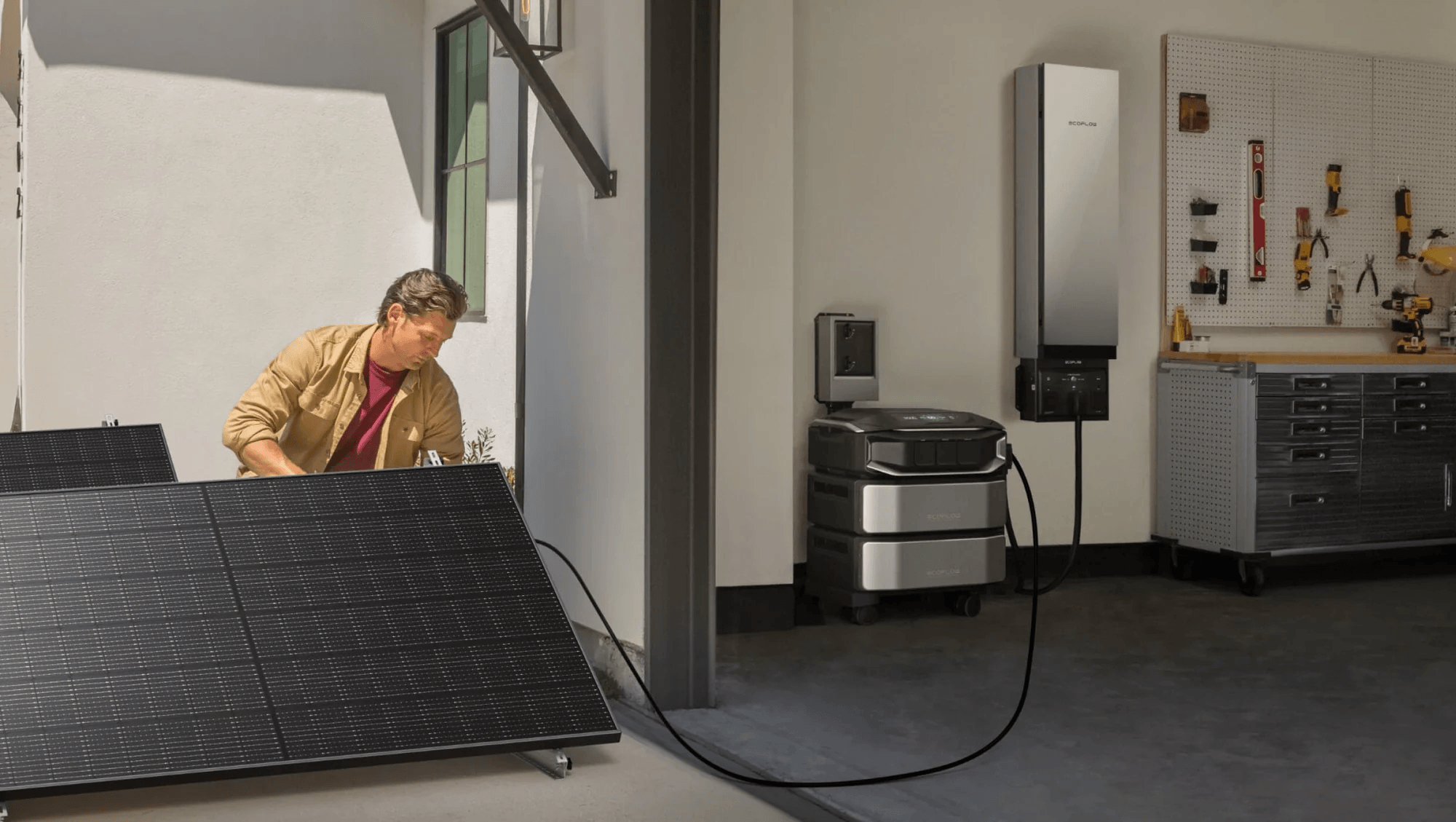
Additionally, battery-operated whole-home backup power solutions that act as a UPS can help protect electronics while providing backup power during outages.
Why Surge Protection Is More Important in Modern Homes
Older homes were never designed to handle the electronics we have today. Even newer homes still rarely have surge protection built-in.
However, our homes now have so many sensitive electronics like computers, TVs, smart appliances, and more, which all need protection from voltage spikes to extend their lifespan.
Frequently Asked Questions
How Much Does It Cost to Install a Whole-House Surge Protector?
A whole-house surge protector costs between $100 and $300 to purchase. With professional installation, it would come to between $300 and $800, depending on the model and labor rates.
What Should Never Be Plugged Into a Surge Protector?
Large appliances like space heaters, microwaves, and fridges shouldn’t be plugged into a surge protector since they draw too much power, overloading the strip. A whole-house protection system works best for large appliances.
What Is the Lifespan of a Whole-House Surge Protector?
Whole-house surge protectors generally last 3–10 years, depending on their quality, the number of surges they have absorbed, and the strength of those surges.
Ready to Upgrade Your Home Protection with EcoFlow Whole-Home Backup Power Systems?
Whole-home surge protection is one of the most effective ways for homeowners to protect their sensitive appliances from unexpected voltage spikes.
By installing one at your main electrical panel, you create a first line of defense that helps extend the life of your appliances, especially large and hardwired units that cannot be protected with plug-in protectors.
For even better protection, use an EcoFlow whole-home backup power system with speedy automatic switchover to ensure your electronics stay powered and avoid damage from sudden outages.
For press requests or interview opportunities, reach out to our media team
media.na@ecoflow.com