Vermont Plug-and-Play Solar Guide
- What Is Plug-and-Play Solar?
- What Does Vermont's New Plug-In Solar Law Allow?
- Who Can Install Plug-and-Play Solar in Vermont?
- What Requirements Must a Compliant System Meet?
- How Do You Install a Plug-and-Play Solar System?
- How Much Can You Save with a 1,200-Watt System?
- How Does Plug-In Solar Compare to Vermont's Other Solar Incentives?
- Frequently Asked Questions
- Vermont's Plug-In Solar Law Gives Homeowners and Renters an Easier Path to Solar Savings
Vermont's plug-and-play solar law makes small, outlet-connected solar systems a legal option for many residents. It expands access to renewable energy without the cost or complexity of a traditional rooftop installation.
This guide explains who can use plug-in solar, the requirements qualifying systems must meet, potential savings, and how the new law compares with Vermont's existing solar programs.
What Is Plug-and-Play Solar?
Plug-and-play solar refers to compact photovoltaic systems designed to connect directly to a standard electrical outlet rather than requiring permanent wiring into a home's electrical panel.
These systems typically include one or more solar panels, a microinverter, mounting hardware, and a compatible plug that allows the electricity generated by the panels to offset a portion of a property's energy use.
Unlike a traditional solar power system for homes, plug-and-play systems are intended for smaller-scale electricity production and are generally easier and less expensive to install.
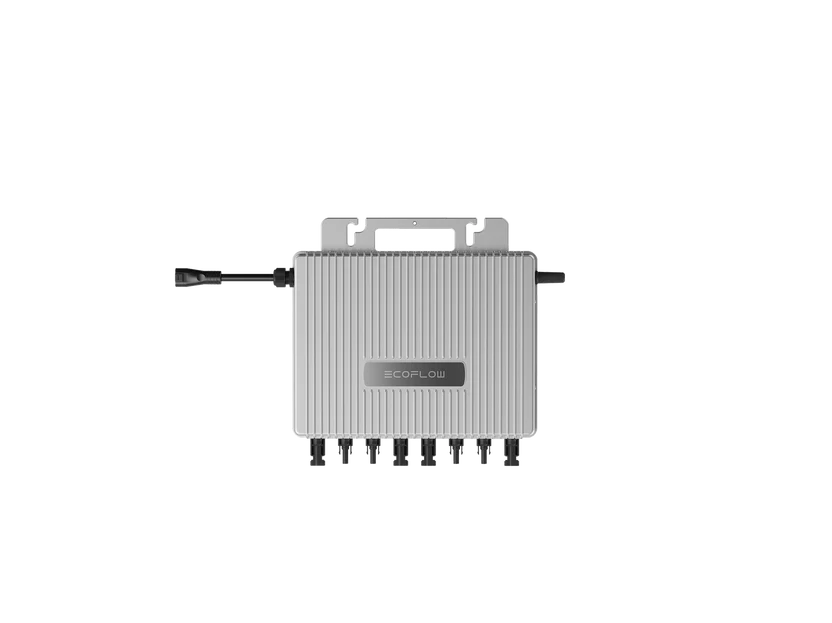
The microinverter is what makes a system "plug-and-play" as it converts the panel's DC output to safe, grid-compatible AC power and automatically shuts off during outages, which is exactly what Vermont's law requires. The EcoFlow STREAM Microinverter is built for this kind of setup and is currently available in Utah and Maryland, with availability in additional states expected to expand over time.
What Does Vermont's New Plug-In Solar Law Allow?
Vermont's plug-in solar law (S.202, "An act relating to plug-in photovoltaic devices") was signed by Governor Phil Scott on June 16, 2026, and took effect July 1, 2026. This article reflects the law as enacted; specific implementation details, including the Public Utility Commission's notification form and utility-specific procedures, may still be finalized. Confirm current requirements with your utility or the Vermont Public Utility Commission before installing a system.
Vermont's plug-in solar law allows residents to install one or more plug-in solar devices per electric meter, up to a combined 1,200 watts (W) of inverter capacity, without a certificate of public good or an interconnection agreement with their electric utility. Devices must connect through a smart meter and include UL-certified equipment that automatically stops sending power to the grid during an outage.
The legislation is designed to expand access to renewable energy by lowering installation costs and reducing barriers for people who cannot justify or accommodate a full rooftop installation.
It also establishes clear standards for utilities, manufacturers, and consumers, ensuring that approved systems operate safely alongside the electric grid.
Who Can Install Plug-and-Play Solar in Vermont?
Vermont's plug-and-play solar law is intended to make small-scale solar more accessible to a wider range of residents.
While homeowners have the greatest flexibility when installing qualifying systems, many renters and tenants may also be able to participate.
Homeowners
Many homeowners may use plug-in solar as a first step toward renewable energy before investing in a larger rooftop installation or pairing it with equipment such as a whole-home generator to improve household energy resilience during power outages.
Renters and Tenants
The law also expands solar access for renters and tenants, but it isn't a no-permission-needed process.
Under the bill, a tenant must give the landlord at least 10 days' written notice before installing a plug-in solar device. The landlord then has 10 days themselves to approve the installation, impose reasonable conditions on it, or deny it outright.
Because plug-and-play systems don't require permanent wiring, many landlords may be more willing to approve them than a traditional rooftop array, but tenants should build that notice-and-response window into their installation timeline.
What Requirements Must a Compliant System Meet?
A compliant plug-and-play solar system must satisfy Vermont's safety and equipment standards before it can be legally connected to a residential electrical outlet.
Approved systems are generally required to use certified components, including listed inverters that automatically disconnect during power outages to prevent electricity from flowing back into the grid when utility workers may be performing repairs.
The system must also remain within the maximum generating capacity established under Vermont law.
Consumers should purchase products from reputable manufacturers and understand the different types of solar panels available.
How Do You Install a Plug-and-Play Solar System?
After selecting an appropriate location with strong sunlight, the panels are mounted securely using the hardware provided by the manufacturer.
The microinverter is connected according to the installation instructions, and the system is then plugged into a compatible electrical outlet that meets applicable safety requirements.
Some residents choose portable mounting solutions that allow the system to be relocated throughout the year. This flexibility makes plug-and-play systems attractive not only for residential use but also for people already familiar with portable solar products, including those researching the best solar panels for camping.
How Much Can You Save with a 1,200-Watt System?
The amount a homeowner or renter can save depends on electricity usage, available sunlight, and system placement. As of April 2026, Vermont's average residential electricity rate is 24.56 cents per kWh, one of the higher rates in New England, which makes offsetting even a modest amount of usage worth more to Vermont households than it would be in many other states.
A properly positioned 1,200-watt plug-in solar system in Vermont may generate roughly 1,200 to 1,600 kilowatt-hours of electricity annually, although actual production varies with weather conditions and seasonal daylight. At Vermont's current residential rate, that translates to approximately $295 to $395 in annual savings.
For households paying average residential electricity rates, this level of production can translate into meaningful annual utility bill savings.
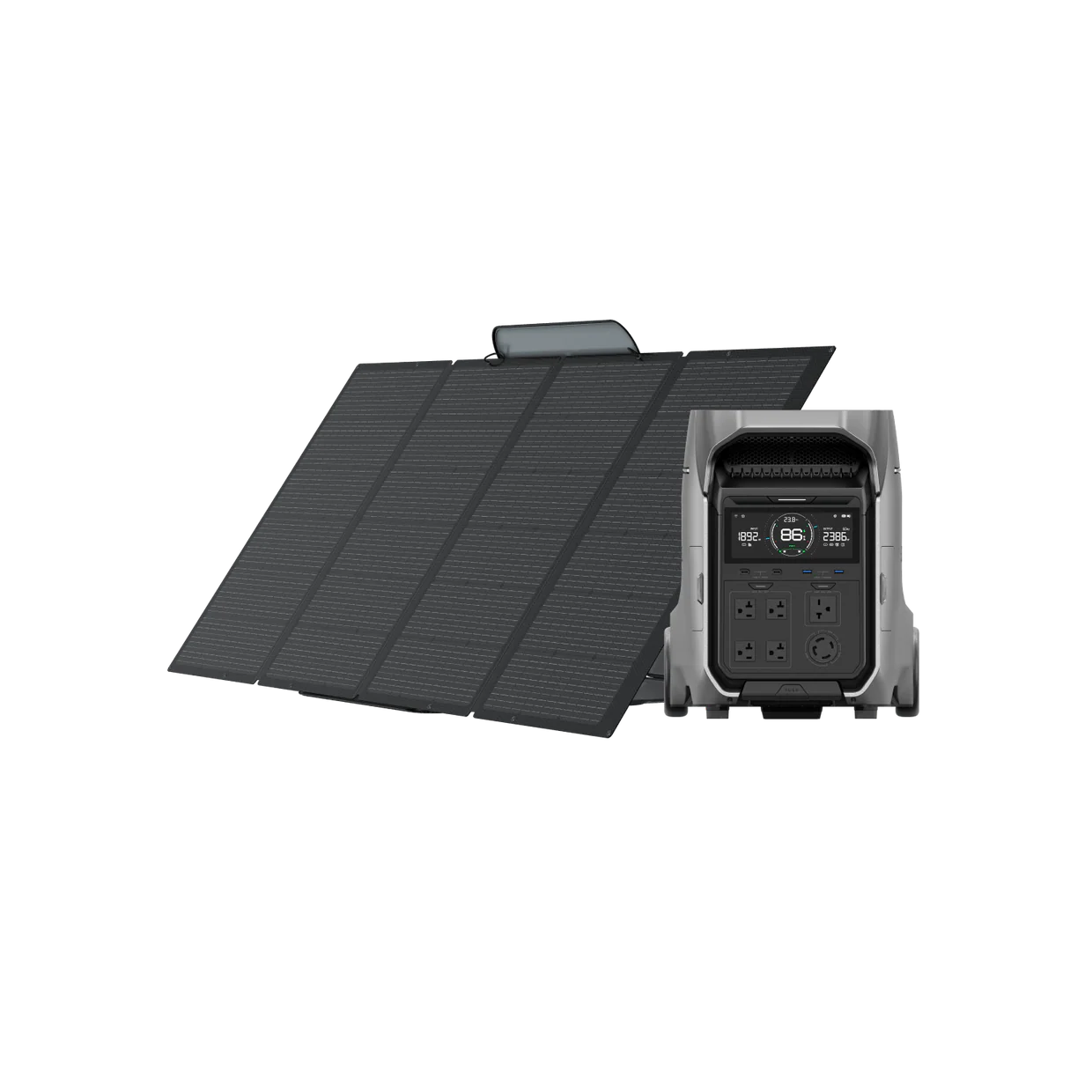
Because excess electricity isn't credited through net metering, some households may choose to pair a plug-in solar system with a home battery to store surplus generation for later use. Products such as the EcoFlow DELTA Pro 3 Portable Power Station lets you store that excess generation instead of losing it, then draw on it later or use it as backup power during an outage.
How Does Plug-In Solar Compare to Vermont's Other Solar Incentives?
Plug-in solar serves a different purpose than Vermont's established solar incentive programs. Traditional rooftop solar systems are designed to produce substantially more electricity and often involve professional installation, permitting, utility interconnection, and higher upfront costs.
By contrast, plug-and-play systems emphasize affordability, portability, and ease of installation. They make solar energy available to households that may not qualify for or desire a larger rooftop installation.
Frequently Asked Questions
Is Plug-In Solar Legal in Vermont?
Yes. Vermont has established a legal framework allowing qualifying plug-and-play solar systems to operate, provided they comply with the state's equipment, safety, and capacity requirements.
Do You Need an Interconnection Agreement for Plug-In Solar?
No. Vermont's law exempts qualifying plug-in solar devices (up to 1,200 watts of combined inverter capacity per electric meter) from needing a certificate of public good or an interconnection agreement with your utility. Your system must still connect through a smart meter and use UL-certified equipment that automatically disconnects during an outage.
Do Renters Need Landlord Approval to Install Plug-In Solar?
Yes, but it's a formal process rather than a simple courtesy. You must give your landlord at least 10 days' written notice before installing a plug-in solar device. Your landlord then has 10 days to approve the installation, set reasonable conditions, or deny it outright. Build this notice-and-response window into your installation timeline before you buy equipment.
Does Vermont's Plug-In Solar Law Affect Net Metering?
No, plug-in solar and net metering are mutually exclusive under Vermont law. A plug-in solar device is not eligible for net metering, and any excess electricity it sends back to the grid isn't compensated. Customers already enrolled in net metering also cannot install a plug-in device. Plug-in solar works by directly offsetting a household's own usage, not by exporting credited power.
Vermont's Plug-In Solar Law Gives Homeowners and Renters an Easier Path to Solar Savings
Vermont's plug-and-play solar law expands access to renewable energy by allowing qualifying residents to install small, outlet-connected solar systems with fewer barriers than traditional rooftop installations.
Homeowners can reduce electricity costs without committing to a full-scale solar project, while renters gain a practical opportunity to benefit from solar energy where permanent installations may not be possible.
Although these systems produce less electricity than conventional rooftop arrays, their lower upfront cost, portability, and simplified installation make them an attractive option for many households.
If you're ready to explore plug-and-play solar, browse EcoFlow’s home solar systems and accessories to find a solution that matches your energy goals and Vermont's latest requirements.
For press requests or interview opportunities, reach out to our media team
media.na@ecoflow.com