Everything You Need to Know About Truck Camping
Truck camping works best when you treat the truck as a mobile shelter, kitchen, power hub, and safety system. Start with legal overnight rules, payload, tires, ventilation, food storage, carbon monoxide prevention, and essential power.
What Is Truck Camping?
Truck camping is sleeping and traveling from a pickup-based setup. It can be a mattress under a canopy, a rooftop tent, a bed platform, or a slide-in camper. The shared goal is simple: keep shelter, food, water, power, and recovery gear organized inside one vehicle.
The benefit is flexibility. A truck can reach trailheads, forest roads, fishing spots, desert routes, and dispersed sites that are harder for large recreational vehicles. The tradeoff is responsibility. A truck camp has less space than an RV, so load planning and site choice matter.
The fastest safe answer is this: confirm the site is legal, keep the truck within its payload rating, sleep with ventilation, store food by local wildlife rules, and never cook or heat with unsafe combustion inside the enclosed sleeping area.
Which Truck Setup Fits You?
Choose the lightest setup that handles your route, weather, and sleep needs. More equipment adds comfort, but also weight, wind drag, setup time, and mechanical strain.
Setup | Best For | Advantage | Risk |
|---|---|---|---|
Canopy platform | Weekends | Low cost and quick packing | Poor ventilation or blocked exits |
Rooftop tent | Rocky or wet ground | Fast setup and ground clearance | Height, wind, and ladder risk |
Slide in camper | Cold or long trips | Insulation and living space | Payload and braking load |
Minimal truck camp | Warm dry routes | Cheap and easy to repair | Less weather protection |
Many people search camping for truck setups because they want one shopping list. A better method is matching the setup to the trip. A summer trailhead night may need a platform, screen, cooler, and lights. A shoulder season mountain route needs insulation, tire recovery, weather alerts, and tested heat.
Comfort follows safety. If the build blocks exits, overloads the truck, traps moisture, or forces unsafe cooking, revise it.
How Do You Check Vehicle Safety?
Start with payload before adding drawers, water, a camper, batteries, recovery boards, bikes, and passengers. Exceeding payload can affect handling, braking, tire heat, suspension wear, and insurance or warranty questions.
Use this quick check before the first trip:
Read the driver's door placard for tire pressure and load information.
Add people, water, food, camper weight, tools, batteries, fuel, and gear.
Keep heavy items low and forward.
Check cold tire pressure before travel.
Inspect tread, sidewalls, spare, jack, and lug wrench.
Recheck after major gear changes.
NHTSA's TireWise guidance says proper tire pressure affects safety, durability, and fuel use, and points drivers to the tire and loading information label or owner's manual. Truck camping weight is carried by tires and controlled by brakes.
If your truck squats heavily, wanders at highway speed, overheats tires, or needs much longer to stop, reduce weight before continuing.
Where Can You Legally Camp?
Legal truck camping depends on land manager rules, not whether a spot looks empty. Check the agency, road status, stay limit, fire restrictions, and dispersed camping rules before parking overnight.
USFS dispersed camping guidance explains that dispersed sites may have no water, restrooms, tables, fire pits, trash service, or other amenities. BLM camping rules generally limit dispersed camping to 14 days within a 28 day period, though local offices can differ.
Use this order when choosing a site:
Confirm the agency and alerts.
Use designated roads and existing sites.
Avoid dry washes, dead trees, and unstable shoulders.
Keep required distance from water and trailheads.
Arrive before dark to inspect exits.
Leave if access requires damage or blocked roads.
A legal site is also safer. Fewer assumptions about access, fires, waste, and stay limits mean fewer problems.
How Do You Plan Power?
Plan power from essential loads first. For truck camping, that usually means phone, headlamp, navigation, radio, fridge, medical device, fan, or laptop. Estimate daily watt hours, then keep a reserve for communication and navigation.
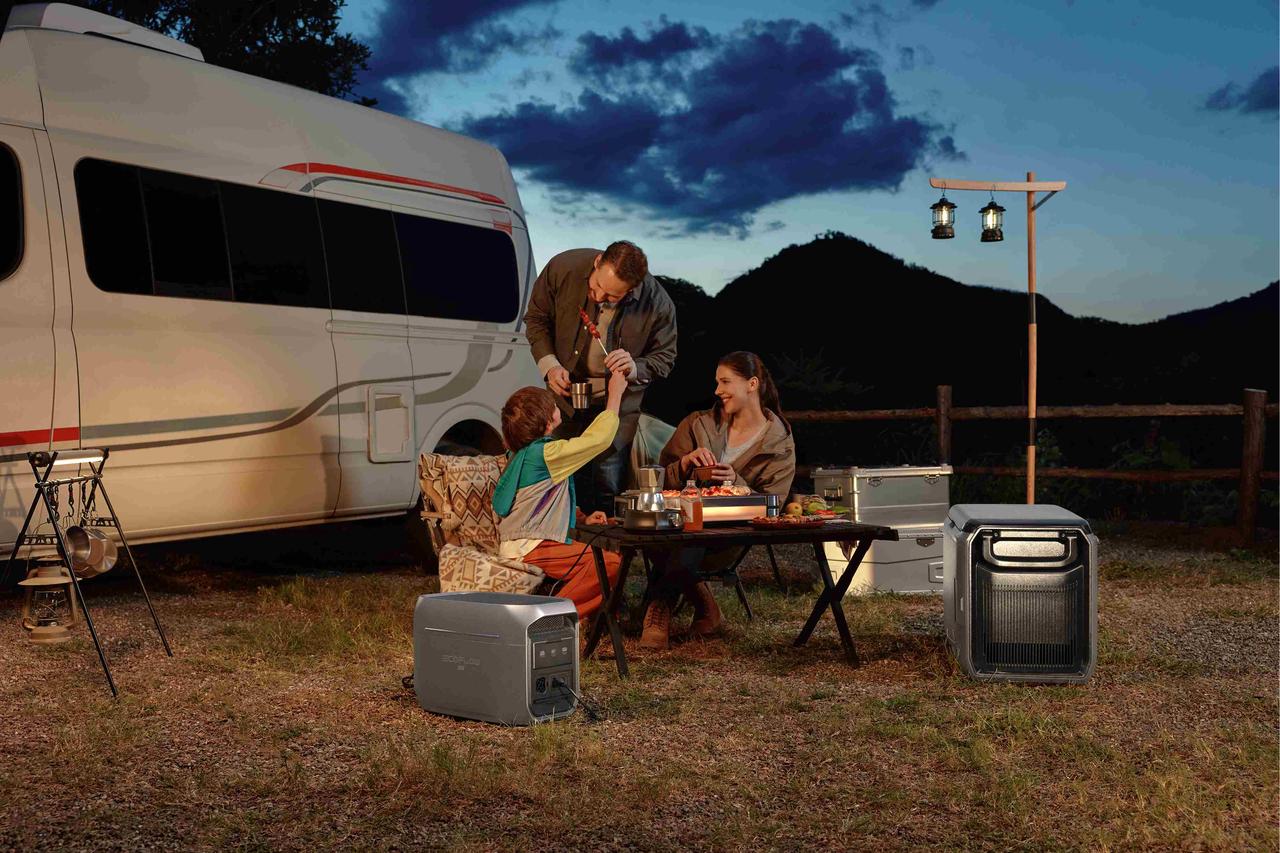
For solar-supported truck camping, the EcoFlow DELTA 3 Max solar generator, which boasts a 2048Wh DELTA 3 Max option with 2400W rated output, 4800W surge, 10 ms UPS, LFP cells, 25 dB operation at 600W, and a 400W solar panel, is a good choice.
Do not ignore electrical basics. Keep power stations dry, ventilated, protected from impact, and within manufacturer limits. Do not overload outlets or route cords where drawers, doors, or platforms can crush them.
Reliable power separates essentials from comfort. Navigation, communication, fridge safety, and medical charging should not compete with screens, induction cooking, or decorative lights.
What Risks Need Priority?
Put carbon monoxide, food storage, weather, and emergency exits ahead of convenience.
Carbon Monoxide
The CDC carbon monoxide page warns not to use a portable gas camp stove indoors and says generators belong outside, more than 20 feet from windows, doors, and vents. For truck camping, that means no charcoal, stove, or unvented fuel heater inside a canopy or camper shell.
Food and Wildlife
The NPS food storage guide says scented items can include food, trash, toiletries, coolers, sunscreen, bug repellent, fuel, and cooking items. In bear country, follow the specific park or forest rule. A pickup bed is not automatically a safe food locker.
Weather and Exit Routes
Sleep where you can leave quickly if wind, floodwater, fire, smoke, or road damage changes overnight. Keep shoes, keys, headlamp, glasses, and emergency layers within reach.
These risks are manageable when planned before the trip and dangerous when handled after dark.
Stay Safe and Ready for Truck Camping
Truck camping is safest when the setup stays legal, light, ventilated, organized, and tested. Build around payload, tire pressure, overnight rules, food storage, carbon monoxide prevention, power reserve, and fast exit routes. Add comfort only after those basics work.
FAQs
Q1. Is Truck Camping Legal in the United States?
Truck camping is legal only where overnight stays are allowed by the land manager, campground, business, or local government. National forests, BLM lands, state parks, cities, and private lots use different rules. Check posted signs, permits, stay limits, fire restrictions, road closures, and agency alerts before sleeping in the truck.
Q2. What Do I Need for Basic Truck Camping?
A basic truck camping kit needs a legal site plan, flat sleeping platform, mattress, water, food storage, lighting, first aid supplies, weather layers, navigation, tire tools, spare tire, recovery gear, trash bags, and a toilet plan. Add a power station or solar only after you know your daily electrical loads and emergency reserve.
Q3. How Much Payload Do I Need for Truck Camping?
You need enough payload for people, camper parts, water, fuel, food, tools, batteries, recovery gear, bikes, and personal items without exceeding the truck's rating. Check the door placard and owner's manual, then weigh the loaded truck if the build is heavy. Payload problems reduce steering, braking, tire safety, and stability.
Q4. Can You Sleep in a Truck Bed Comfortably?
Yes, a truck bed can be comfortable when the platform is flat, dry, ventilated, and insulated. Use a mattress that supports your body, keep bedding away from wet gear, and crack screened windows to reduce condensation. Do not block exits with storage bins, coolers, bikes, or drawer systems overnight safely.
Q5. How Do You Store Food While Truck Camping?
Store food according to local wildlife rules, not habit. In bear country, use required lockers, bear-resistant containers, or approved storage methods. Keep scented items, trash, toiletries, cooking gear, and coolers secured. Never store food in a tent, and do not assume an open pickup bed protects food from animals.
Q6. How Do You Stay Warm While Truck Camping?
Stay warm with a rated sleep system, insulation under the mattress, dry layers, wind control, and controlled ventilation. Do not use charcoal, a camp stove, or an unvented fuel heater inside the sleeping area. If you use a vehicle or camper heater, follow the manufacturer's manual and carry a working carbon monoxide alarm.
Disclaimer
This article provides general camping information, not legal, medical, electrical, or vehicle safety advice. Check local rules and current conditions through USFS camping guidance, BLM offices, park alerts, and your vehicle manual before each trip.
Truck camping can involve fire, carbon monoxide, wildlife, weather, vehicle loading, and electrical hazards. Review CDC carbon monoxide, NHTSA TireWise, and local food storage rules before relying on any setup.
For press requests or interview opportunities, reach out to our media team
media.na@ecoflow.com