Washington State Camping Guide 2026: Olympic Peninsula, Cascades & Off-Grid Power
- Dispersed Camping in Washington: What It Is and Where It’s Allowed
- Rules, Passes, and Limits to Know Before You Go
- How to Find a Good Site and Camp Responsibly Off-Grid
- Where to Camp in Washington: Olympic Peninsula, Cascades, Coast, and Sunny Eastside
- Off-Grid Power for Washington Camping: Stay Comfortable Without Hookups
- Frequently Asked Questions
- Camp Longer, Stress Less, and Keep It Wild for Next Time
Washington State is one of the most rewarding places to camp in the country, especially without a reservation. Vast stretches of national forest and BLM land are open for free dispersed camping, away from crowded campgrounds. Dispersed camping means you'll need to bring everything yourself: shelter, water, food, and power.
Discover where to camp, the rules to abide by, and how to stay powered during your Washington State camping trip.
Dispersed Camping in Washington: What It Is and Where It’s Allowed
Dispersed camping is camping on public land outside of a designated campground. It features no assigned sites, no amenities, and no fee. Washington offers dispersed camping across several land types, each managed by a different agency with its own rules.
Washington’s national forests, managed by the U.S. Forest Service (USDA), offer the greatest opportunity for dispersed camping. Gifford Pinchot, Olympic, Okanogan-Wenatchee, Colville, and Mount Baker-Snoqualmie National Forests all permit dispersed camping across their grounds.
The Bureau of Land Management (BLM) allows dispersed camping across its public lands, while the Washington Department of Natural Resources (DNR) allows dispersed camping in many areas with a Discover Pass. However, dispersed camping is generally not allowed inside national parks.
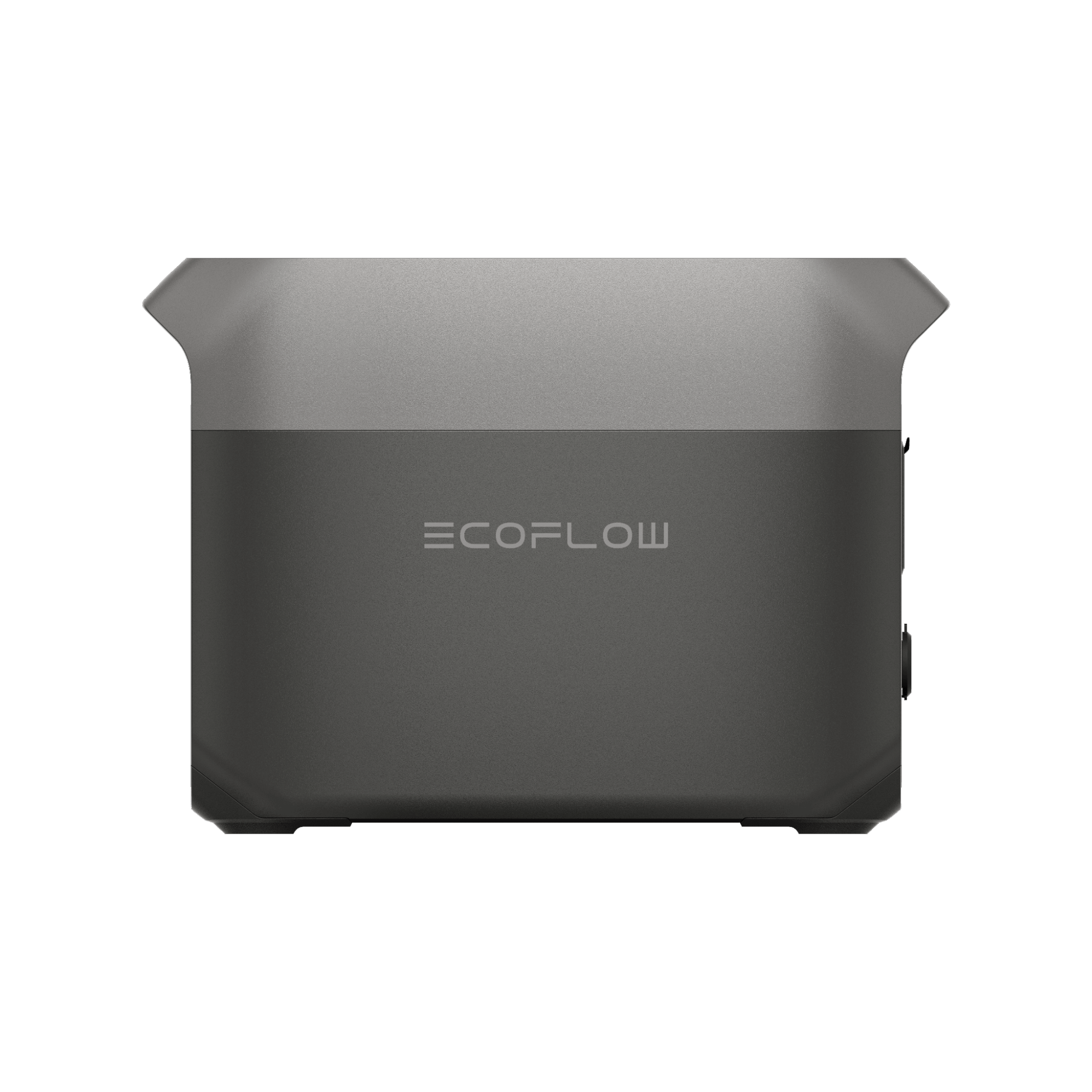
Since dispersed camping comes with no electrical hookups, you'll need to supply your own power. The EcoFlow DELTA 3 Max Solar Generator + 400W Solar Panel is a clean, quiet solution that keeps devices, lights, and appliances running without a generator.
Rules, Passes, and Limits to Know Before You Go
Washington’s public land camping requires one of a few passes, depending on where you park and camp.
The Northwest Forest Pass covers parking at most U.S. Forest Service-operated trailheads and developed sites in Washington and Oregon.
The Discover Pass is required for recreation lands managed by Washington State Parks, the DNR, and the Department of Fish and Wildlife (WDFW).
The America the Beautiful Pass grants access to all federal lands, including national forests, national parks, BLM, and more.
Most national forests and BLM land only allow 14 consecutive days at any one site within 28 days, after which you must relocate your camp at least 25 miles away. Olympic National Forest limits camping to 21 total days per calendar year, while DNR land limits many areas to seven-day stays within a 30-day period.
How to Find a Good Site and Camp Responsibly Off-Grid
Forest Service roads are the main network for dispersed camping access in Washington. Typically marked by brown signs with road numbers prefixed with “FR,” these roads are often lined with sites where previous campers stayed.
Apps such as The Dyrt, Gaia GPS, or FreeRoam show user-reported dispersed sites with recent conditions, notes on road access, and vehicle clearance requirements.
Before committing to any site, check national forest boundaries to ensure you are on public land. Camp on previously used sites and avoid clearing vegetation or disturbing the ground to create a new one. The standard Leave No Trace principles apply.
Where to Camp in Washington: Olympic Peninsula, Cascades, Coast, and Sunny Eastside
The Olympic Peninsula and Olympic National Forest offer stunning dispersed camping locations, from woodlands to river valleys. The forest is open year-round, though winter conditions may force forest roads to close. Note that campfires are not permitted anywhere in Olympic Peninsula DNR forestlands, only in designated fire rings at official campgrounds.
The Cascades offer high-elevation camping with access to alpine lakes, volcanic ridgelines, and old-growth forests. Sites at higher elevations typically open in the summer after the snow melts. Fire restrictions here are common and can quickly change in the summer.
The Coast has limited dispersed camping opportunities, but DNR lands near Grays Harbor have river-adjacent sites worth exploring.
Eastern Washington is the sunnier side of the Cascades, offering a much longer warm and dry season than the west side. This region is a solid option for spring or fall when the western Washington forests are muddy or foggy.
Off-Grid Power for Washington Camping: Stay Comfortable Without Hookups
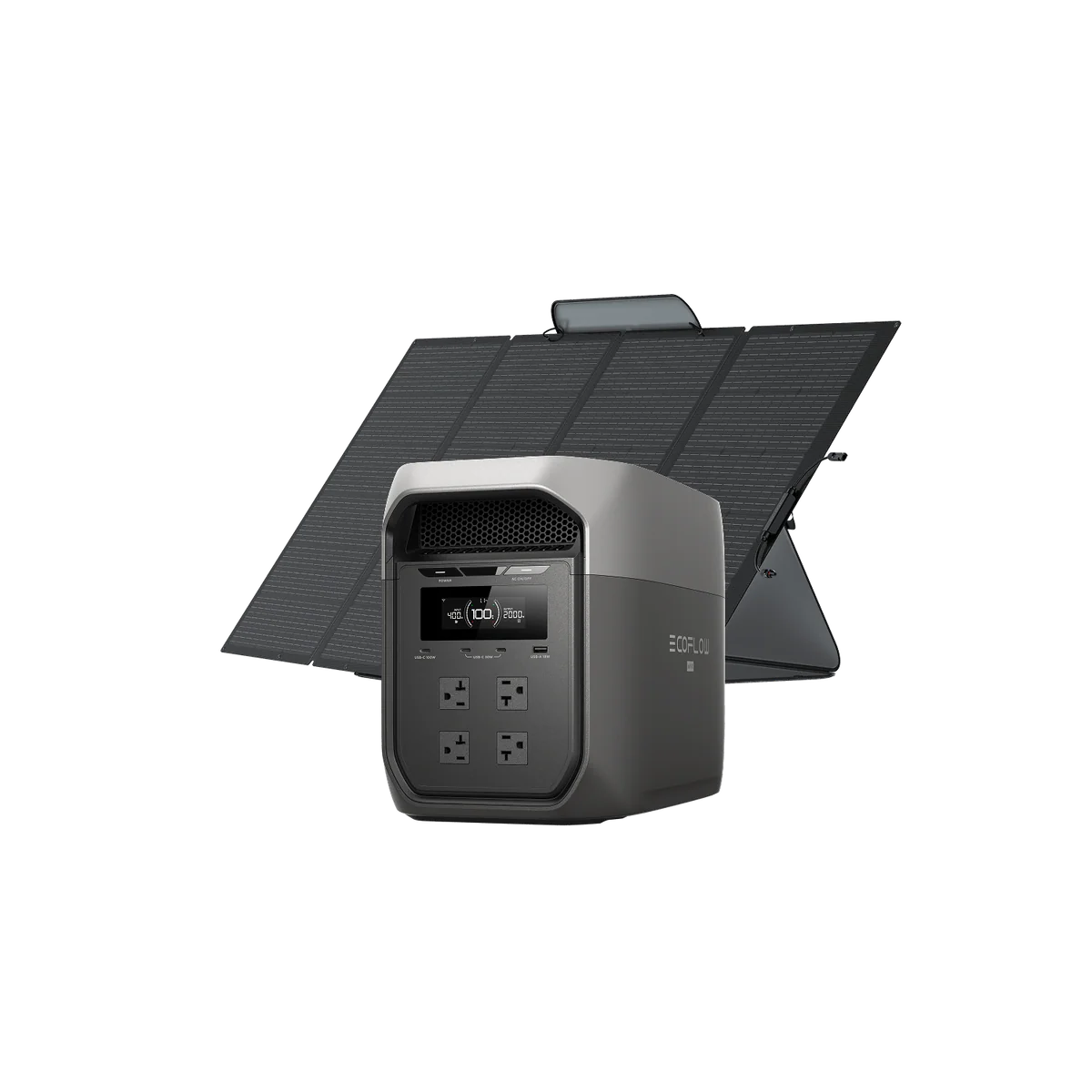
Whether you're elevating your camp setup with creature comforts or keeping it minimal, having reliable off-grid power makes the difference. Dispersed camping means no electrical hookups, and that means you'll need to supply your own power. Generators are permitted in many national forest areas but tend to disrupt the peace that dispersed campers seek, and some areas restrict their use altogether. For most campers, a portable power station, such as the EcoFlow DELTA 3 Max Solar Generator + 400W Solar Panel, is the cleanest solution.
Power solutions keep phones charged for navigation and emergency calls, lights powered for visibility, mini fridges running for food safety, and cooling appliances to fight the heat. Charging everything before you leave home and packing a solar panel to handle ongoing demand will cover most weekend getaways without stress.
Frequently Asked Questions
Do I Need a Permit or Pass for Dispersed Camping in Washington?
Dispersed camping is generally free and doesn’t require a permit on national forest and BLM land, but parking at or near a USFS trailhead requires a Northwest Forest Pass or America the Beautiful Pass. Camping on DNR land requires a Discover Pass.
What’s the Safest Way to Handle Campfires During the Washington Fire Season?
Check fire restrictions at InciWeb or your local Forest Service district office before you go, because restrictions can appear with little notice during dry spells. Where fires are permitted, use an established ring, keep fires small, and extinguish coals completely by drowning with water, stirring, and repeating until cool to the touch.
How Do I Recharge a Power Station While Camping Off-grid?
Solar panels are the main method of recharging a power station. They are especially effective in Eastern Washington’s sunny terrain. In shaded areas or during emergencies, charge your unit using your vehicle’s alternator.
Camp Longer, Stress Less, and Keep It Wild for Next Time
Washington State’s dispersed camping can be fulfilling with the right planning. Understanding land management rules, site conditions, and power preparations is essential to a successful trip. The EcoFlow Solar Generators collection provides a wide range of capacities and outputs, while using the sun to recharge and support days of stress-free camping.
For press requests or interview opportunities, reach out to our media team
media.na@ecoflow.com