"Tread Lightly!" Principles for Motorized Recreation
Whether it’s driving a 4X4 through challenging terrains, setting off on a month-long overlanding adventure, or traveling in your RV, motorized recreation continues to grow in popularity. As more people seek the thrills that come with exploring the backcountry, it’s essential not to overlook the natural habitats and landscapes in the process. That’s where the Tread Lightly! principles come in.
Keep reading to discover exactly what the 5 Tread Lightly! principles are, how to incorporate them on your next adventure, and how to power your trip without harming the environment.
What Is “Tread Lightly!” and Why Does It Matter?
Tread Lightly! is a non-profit organization that’s educating people on the importance of environmental responsibility when using motorized vehicles (such as RVs and campers) for recreational use. Whether it’s on water or land, Tread Lightly! has some key principles to follow to protect nature and landscapes. If you’re an avid hiker, overlander, or off-roader, the same principles apply. As more people take up outdoor hobbies, it’s essential to do our part in protecting natural habitats and minimizing our contribution to erosion.
The 5 T.R.E.A.D. Principles: Explained for Motorized Users
T – Travel Responsibly
When traveling in recreational vehicles on land, stay on designated paths and trails. When driving over obstacles, always drive over them—avoid driving around them, as this can lead to widening the path. When crossing streams, only cross at designated fords. If possible, avoid driving on paths when they are wet or muddy. On water, stay on designated waterways and be conscious of the possibility of water erosion.
R – Respect the Rights of Others
It goes without saying, but always be respectful of others who are also using the trail or path, private property owners, and off-grid campers. Leave gates as you found them, yield right of way to those passing, and be considerate of any animals or livestock you encounter.
E – Educate Yourself
Before embarking on your trip, conduct some research, obtain maps, and familiarize yourself with the rules and regulations that must be followed. You could also take some recreational skills classes and learn how to operate your equipment correctly.
A – Avoid Sensitive Areas
This includes meadows, wetlands, lakeshores, and streams; extra care should be taken when water is present. Avoiding certain areas that are susceptible to damage helps to protect habitats and soil from erosion.
D – Do Your Part
It’s your responsibility to leave the area better than you found it – pick up your trash (and others’ trash!) and dispose of it correctly. Minimize the use of fire, avoid spreading invasive species, and try to restore degraded areas.
How to Power Devices Without Harming the Environment
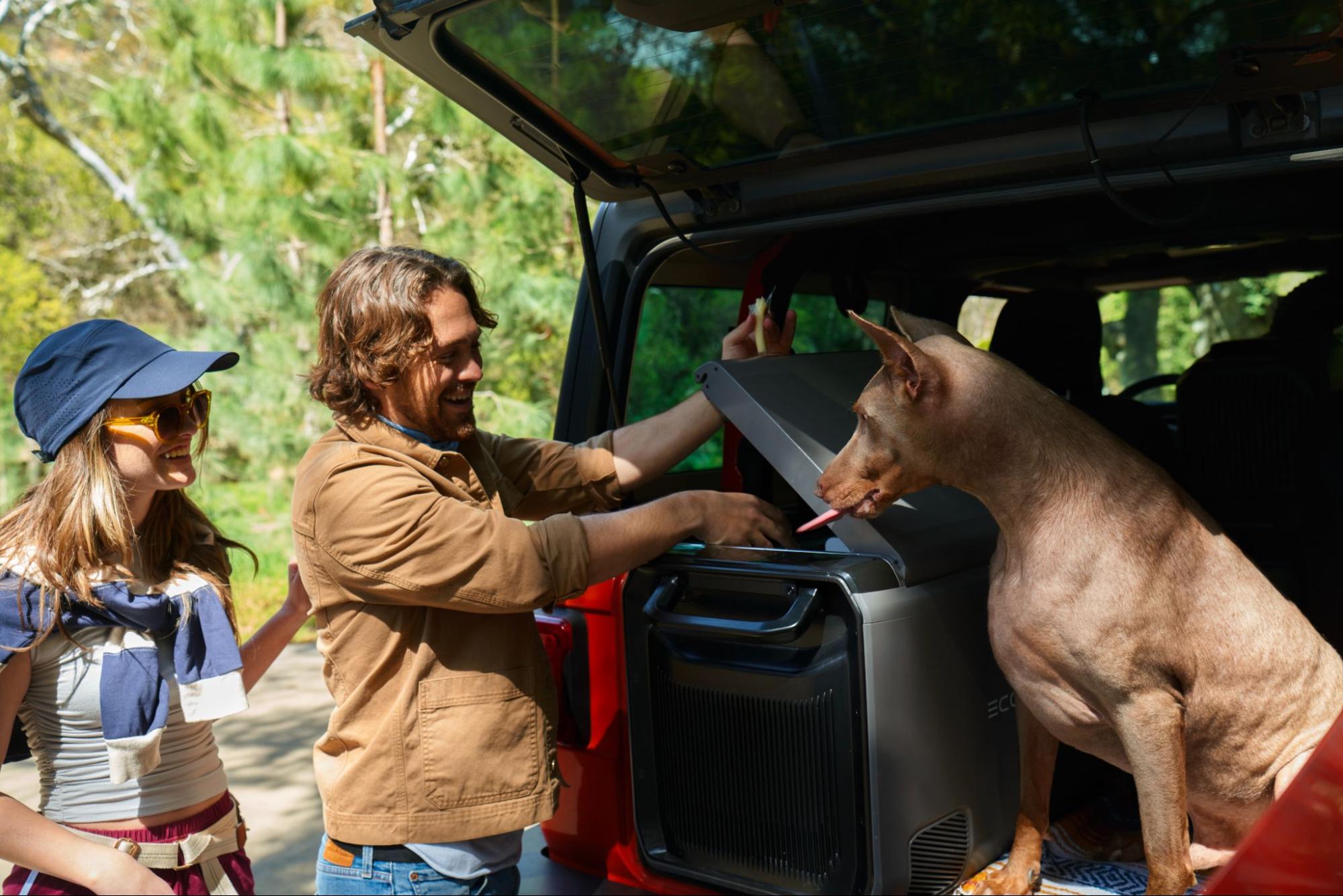
Whether you’re off-roading for the afternoon or car camping for a couple of weeks, it’s essential to have a way to keep your devices charged in case anything goes wrong. One way to achieve this is to adopt smart charging habits and utilize a portable power station with minimal environmental impact.
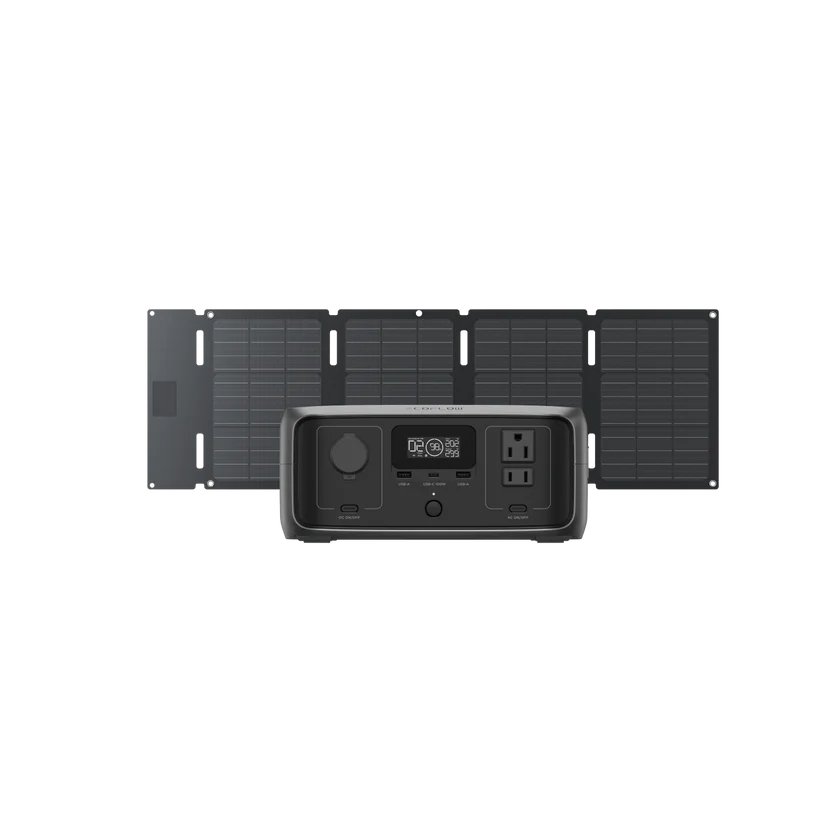
A good example of this is the EcoFlow RIVER 3 + 45W Solar Panel, which combines a powerful 300W output with solar panels to harness clean energy. You can store any excess energy generated during the day in the battery for use when production is lower, such as in the evenings and at night. This clean alternative is much more efficient compared to the likes of gas generators, which often produce toxic fumes and are very noisy. By using a device like the EcoFlow RIVER 3 + 45W Solar Panel or simply the EcoFlow RIVER 3 Portable Power Station, you can do your bit for the environment, all while having peace of mind that your most important devices remain connected.
Frequently Asked Questions
Why Are Portable Power Stations Better for Trailside Camping?
Portable power stations are a great, reliable way to power your devices when trailside camping. It’s a much more eco-friendly alternative to using a gas generator, which can release toxic fumes and is generally much noisier to operate. Portable power stations can be paired with solar panels for a powerful green alternative.
What Areas Are Off-Limits To Motorized Vehicles?
Motorized vehicles aren’t allowed in any areas where they could harm wildlife, cause erosion, or disrupt land management. They must stay on designated paths and shouldn’t veer off onto trails that are not specified for vehicles.
Responsible Trail Use Reduces Environmental Damage
The Tread Lightly! principles are in place to protect the landscape and leave paths and trails exactly as they should be. By sticking to designated paths, respecting others along your route, minimizing pollution, and educating yourself before setting off, we can preserve the land for future riders and ensure a safe adventure for everyone. For a more environmentally friendly way to charge your devices, use the EcoFlow RIVER 3 + 45W Solar Panel for reliable, clean, off-grid power.
For press requests or interview opportunities, reach out to our media team
media.na@ecoflow.com