Tornado Season in 2026: What You Can Expect and How to Prepare
- When Does Tornado Season Start? Timing by Region
- 2026 Tornado Season Forecast: What Experts Predict
- Geographic Hotspots Most Vulnerable to Tornadoes
- Preparation Strategies for Severe Storm Seasons
- Critical Safety Precautions During a Tornado Event
- Property Protection and Post-Storm Recovery
- Build Your Defense Before the Season Starts
- FAQs
Knowing when tornado season hits your region is the most critical step in protecting your home and family. While severe weather can strike at any time, 2026 brings unique atmospheric shifts that change the traditional timing for many states. These new patterns affect when you need to stock supplies, set up shelter plans, and get your backup power ready, all before the first sirens go off. Here's a breakdown of the essential timing, expert forecasts, and practical safety steps you need to navigate this year's storm season.

When Does Tornado Season Start? Timing by Region
Tornado season doesn't follow a single national calendar. Peak risk shifts depending on where you live, which means knowing your region's window is the first step toward staying ahead of the storm.
Standard Seasonal Windows for Different Regions
The table below outlines when tornado activity typically peaks across the most vulnerable regions in the U.S. Use it as a starting point to plan your household preparations well in advance.
| Region | States Included | Peak Tornado Season |
| South / Gulf Coast | Texas, Alabama, Mississippi, Louisiana, Georgia | March – May |
| Central Plains | Kansas, Oklahoma, Nebraska, Missouri | April – June |
| Midwest & Great Lakes | Iowa, Illinois, Indiana, Ohio | May – June |
| Northern Plains | South Dakota, North Dakota, Minnesota, Wisconsin | May – July |
| Southeast / Dixie Alley | Tennessee, Arkansas, South Carolina, North Carolina | March – May |
| Northeast | Pennsylvania, New York, New Jersey, Connecticut | May – Early Summer |
Across most of the country, the core severe weather window runs from March through June. The further north you are, the later the season tends to arrive.
Factors Influencing When the Tornado Season Starts
When does the tornado season start? The timing hinges on atmospheric conditions more than the calendar date. Several key factors determine when conditions become dangerous:
Warm, moist air from the Gulf of Mexico colliding with cold, dry Arctic air creates the unstable atmosphere needed for storm development.
Supercell thunderstorms — large, rotating storm systems — form when that instability reaches a critical threshold, and they are the primary source of significant U.S. tornadoes.
Wind shear (the change in wind speed or direction at different altitudes) provides the rotational energy that can spin a storm into a tornado.
Soil temperature and moisture levels also play a role, as warmer ground accelerates surface heating and speeds up the destabilization of the lower atmosphere.
When these factors align in early spring, tornado season can ignite well ahead of historical averages.
2026 Tornado Season Forecast: What Experts Predict
The 2026 tornado season is shaping up differently from the unusually active 2025 season, but that doesn't mean conditions will be calm. AccuWeather's long-range forecasters have outlined several important trends worth watching.
Expert Predictions Based on AccuWeather Data
According to AccuWeather's 2026 severe weather outlook, forecasters expect total tornado counts for 2026 to fall near the historical average, well below the elevated numbers recorded in 2025. A key driver is the rapid exit of La Niña, a climate pattern in which Pacific Ocean surface temperatures run cooler than normal, which tends to reduce the frequency of classic tornado-producing setups.
That said, meteorologists are cautioning against any sense of complacency. The greater threats in 2026 may be:
Damaging straight-line winds, capable of snapping trees and downing power lines across wide areas
Flash flooding, as repeated storm systems deliver heavy rainfall in quick succession
Large hail, with the highest risk expected from the southern states through the central U.S.
Storm Patterns to Watch in 2026
The most active severe weather corridor is expected to spread across the eastern Plains and into the Mississippi Valley in March and April. By May, the typical storm belt that runs north into Nebraska from northern Texas becomes the focus of activity. The first severe weather events in the Northeast might not occur until May or early summer.
Forecasters emphasize one crucial point: regardless of where the year's total tornado counts fall, a strong storm striking a community at risk can define an entire season.
Geographic Hotspots Most Vulnerable to Tornadoes
Certain regions face elevated tornado risk year after year due to geography, climate, and seasonal wind patterns. Knowing where those hotspots are helps frame how seriously to take preparation in your area.
Traditional Tornado Alley Dynamics
Tornado Alley, the informal name for a stretch of the central U.S. where tornado frequency is historically highest, covers Texas, Oklahoma, Kansas, Nebraska, and South Dakota. This region sits at the convergence of Gulf moisture, Rocky Mountain terrain effects, and Arctic air intrusions from Canada. That combination creates near-ideal conditions for supercell development, making it the most tornado-prone region in the world.
The Growing Impact on Dixie Alley Regions
Tornado risk has been expanding eastward. Dixie Alley, the term used to describe the southeastern tornado corridor spanning Mississippi, Alabama, Tennessee, and Arkansas, has seen a measurable increase in significant tornado activity in recent decades.
What makes this region particularly concerning is a combination of factors. Tornadoes here often strike at night, reducing detection time. Mobile homes and older structures are more prevalent, offering less protection. And population growth in states like Tennessee and Alabama means more people are now in harm's way during any given storm event.
Preparation Strategies for Severe Storm Seasons
The weeks before tornado season begin are the most valuable time to prepare. Once a warning is issued, it is too late to start building a plan from scratch.
Develop a Family Emergency Communication Plan
Every household needs a shelter plan that every member knows by heart. Identify safe locations at home, school, and work. Designate an out-of-state contact, since local phone lines often become overloaded during disasters. Make sure everyone knows how to receive emergency alerts through a weather radio, a certified emergency app, or local TV broadcasts.
Build a Comprehensive Disaster Readiness Kit
A well-stocked emergency kit should include at a minimum:
Three days of water and non-perishable food
A first-aid kit with any necessary prescription medications
Copies of important documents (ID, insurance policies, medical records)
A flashlight, extra batteries, and a battery-powered weather radio
Cash in small bills and warm, layered clothing
Store the kit in an accessible, easy-to-carry bag and refresh it every year before tornado season opens.
Ensure Reliable Backup Power With Portable Power Stations
Power outages are among the most common and disruptive consequences of tornado season. Downed lines and damaged infrastructure can leave homes without electricity for hours or, in more severe cases, multiple days.
Portable power stations — rechargeable battery-based devices that can run electronics, lighting, and small appliances without requiring fuel — have become a core component of modern emergency preparedness. Paired with solar panels, they can recharge even when the grid remains down for extended periods.
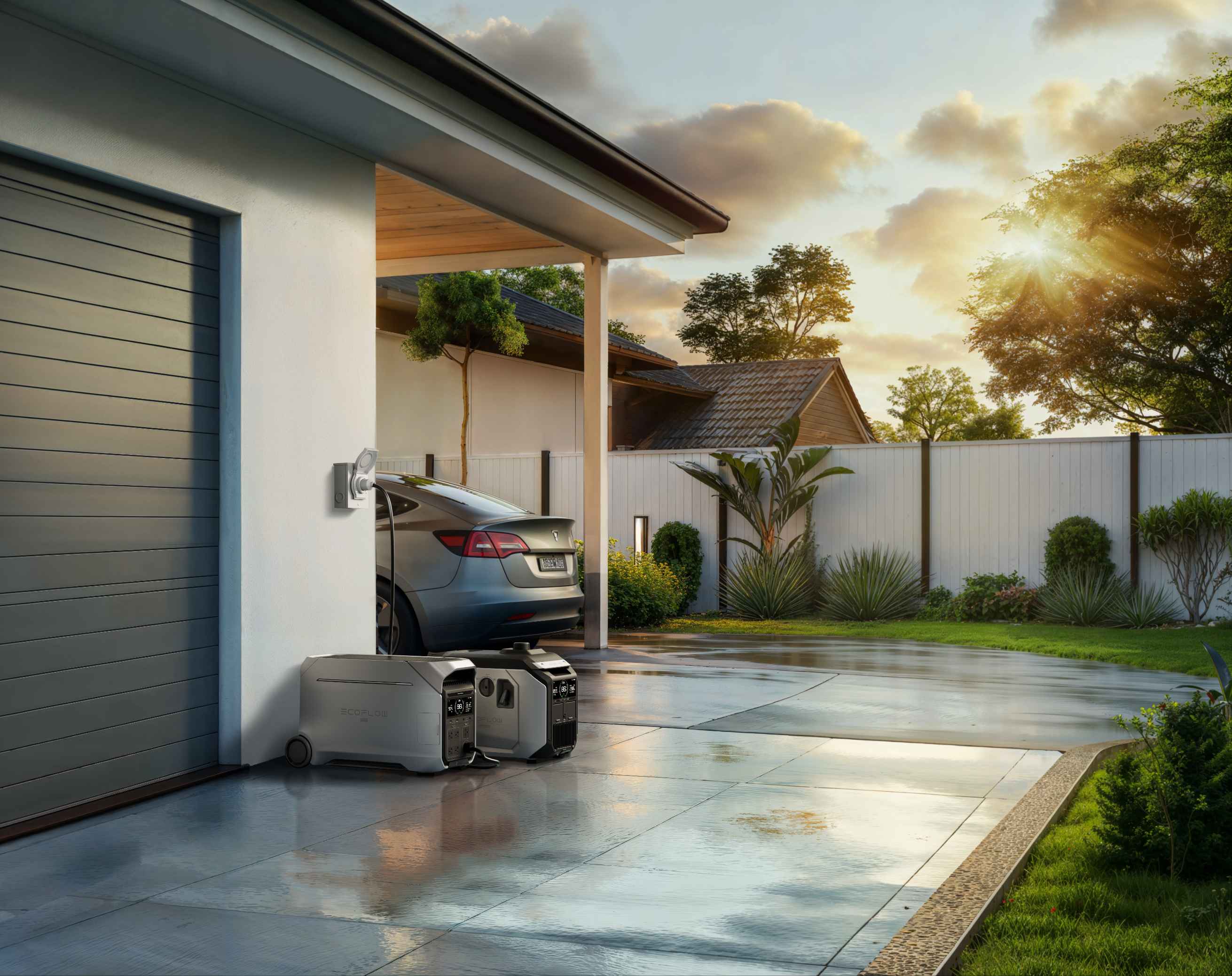
For households seeking a high-capacity option for home use, the EcoFlow DELTA Pro 3 Portable Power Station is worth a look. It delivers 4,000W of continuous AC output, capable of running a well pump for over an hour, keeping an air conditioner on for up to 3.6 hours, or powering a refrigerator for up to 3 days on a single charge. It also supports solar recharging and can be expanded up to 12kWh with additional battery units on a single unit. And if a storm warning drops with little notice, its fast-charging technology can bring the unit from 0 to 80% in just 50 minutes, so last-minute prep is still an option.
Having a fully charged backup power solution ready before storm season starts is not optional. It is essential.
Critical Safety Precautions During a Tornado Event
Knowing the right actions before a tornado arrives is just as important as having supplies on hand. The window between an alert and impact can be measured in minutes.
Immediate Actions When a Warning is Issued
Two official alert levels matter most:
Tornado Watch: Conditions are favorable for tornado formation. Monitor forecasts closely and be ready to act quickly.
Tornado Warning: A tornado has been confirmed by radar or a trained spotter. Seek shelter immediately without delay.
When a Tornado Warning is issued, do not wait to see a funnel cloud. Move to your designated shelter right away, bring pets inside, and stay off roads.
Shelter Selection and Protective Postures
The safest location during a tornado is a basement or underground storm cellar. If neither is available, move to the lowest interior floor of a sturdy building and choose a windowless room such as a hallway, bathroom, or closet.
Once sheltered, crouch low and cover your head and neck with your arms. A mattress or heavy blanket adds some protection against flying debris. If you are caught outdoors or in a vehicle, abandon the car and lie flat in a low-lying area with your head covered.
Property Protection and Post-Storm Recovery
Tornadoes don't just threaten lives. They can cause significant property damage that compounds over time if not handled carefully after the storm passes.
Strengthen Your Home Infrastructure
Before storm season begins, inspect your roof for loose shingles or structural vulnerabilities. Confirm that exterior doors and windows close and seal tightly. Garage doors are a frequent failure point in high-wind events and are worth reinforcing. Residents of manufactured or mobile homes should identify a nearby permanent structure to use as an emergency shelter, since these homes offer minimal protection during a direct tornado strike.
Safe Recovery and Damage Assessment Procedures
After a tornado passes, wait for official clearance from local authorities before going outside. When you begin assessing damage:
Stay away from all downed power lines and treat every line as live
If you smell gas, leave the structure immediately and contact your utility provider from a safe distance
Photograph all visible damage before starting any repairs, for insurance documentation purposes
Wear sturdy, closed-toe shoes and protective gloves when moving through debris
Taking these steps from the start speeds up the recovery process and prevents avoidable secondary injuries.
Build Your Defense Before the Season Starts
Taking the time to establish a safety strategy now reduces the anxiety of an unknown future. By identifying your shelter, gathering materials, and investing in backup energy sources, you can create a preparation shield for your house. When the 2026 tornado season arrives, your shelter is identified, your kit is stocked, and your power is backed up.
FAQs
Q1. What Should You Never Do During a Tornado?
Never hide under a highway overpass. It might feel safe, but it actually funnels wind and debris directly at you, making things far more dangerous. Also, skip the idea of opening windows to "balance the pressure" — it doesn't help and just lets destructive winds straight into your home.
Q2. What Month Do Most Tornadoes Occur?
May is the peak month for tornadoes in the U.S. That's when warm spring air and cold northern air collide most aggressively, creating the perfect conditions for severe storms. April and June are also highly active, so the entire late spring period deserves your full attention.
Q3. What Is the Safest Place to Be in a Tornado?
The safest option is a FEMA-certified safe room, which is a specially built shelter designed to withstand extreme wind and debris. If you don't have one, head to the lowest floor of a sturdy building and find a small, windowless interior room like a bathroom or closet. Stay low and protect your head.
Q4. How Long Do Power Outages Last After a Tornado?
Power outages after a tornado can last anywhere from a few hours to several days, depending on how badly local power lines and infrastructure are damaged. In harder-hit areas, repair crews may need days just to safely reach the damage. The easiest way to keep your home running during an extended power loss is to have a backup power station fully charged and ready before tornado season arrives — not after the warning is already issued.
For press requests or interview opportunities, reach out to our media team
media.na@ecoflow.com