2026 Solar Tax Credit: What Homeowners Lost and What Remains
- Understanding the Federal Solar Tax Credit and Its 2026 Changes
- What the Solar Tax Credit Previously Covered
- Who Qualified for the Credit?
- What Changed: The End of the Residential Clean Energy Credit
- How the Expiration Affects Solar and Battery Storage Costs
- What Remains: Other Incentives and Savings Opportunities
- Manufacturer and Retailer Rebates and Promotions
- How Homeowners Can Maximize Savings without the Tax Credit
- Prioritizing High-Efficiency, Scalable Systems
- The Case for Solar and Battery Storage Independence in 2026
- Ready to Power Your Home with EcoFlow Solar Solutions?
- Frequently Asked Questions
- Energy Independence, Cost Savings, and Practical Next Steps
For over a decade, the federal solar tax credit made rooftop solar and home batteries more affordable, but as of January 1, 2026, that credit has expired. Here's what you've lost, what savings you can still claim, and how to build energy independence without waiting on a federal incentive.
Understanding the Federal Solar Tax Credit and Its 2026 Changes
The Origins of the Residential Clean Energy Credit
The 2022 Inflation Reduction Act allowed homeowners to deduct 30% of the total equipment and installation costs for qualifying clean energy systems through 2033, where a step-down period would begin. In 2033, the credit would fall to 26%, and in 2034, it would fall to 22% before expiring in 2035.
Why 2026 Marks a Turning Point for Solar Incentives
With the signing of the One Big Beautiful Bill Act on July 4, 2025, the Residential Clean Energy Credit was repealed for expenditures made after December 31, 2025. Instead of gradually reducing the credit from 30% to 22% before its 2035 expiration, the credit ended abruptly at the start of 2026.
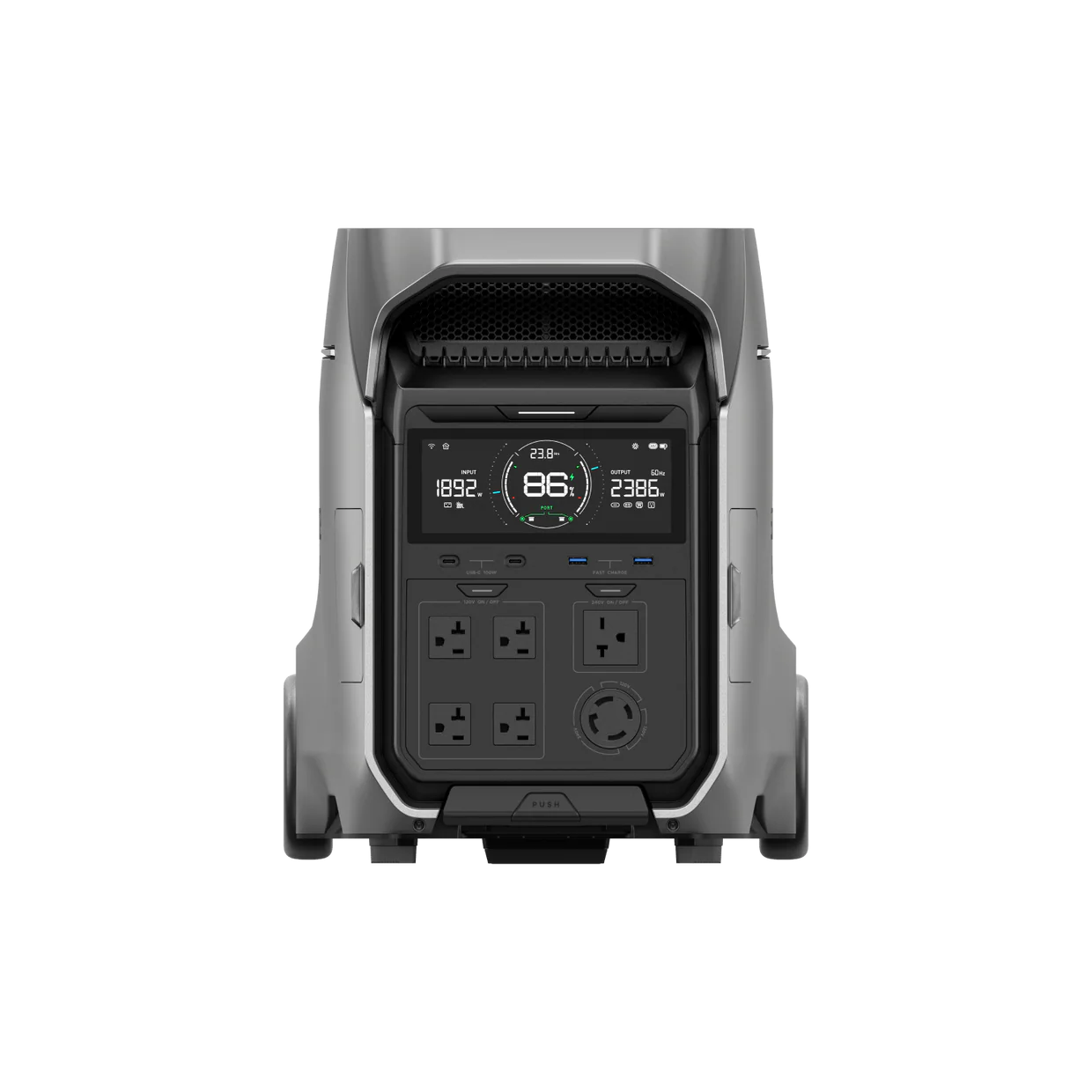
That abrupt cutoff leaves less room for homeowners to plan around installation timelines and permitting delays. Portable battery systems like the EcoFlow DELTA Pro 3 Portable Power Station skip the professional installation and permitting process entirely, letting homeowners start building storage capacity right away.
What the Solar Tax Credit Previously Covered
Eligible Equipment and Installation Costs
The credit covered solar panels, solar water heaters, and battery storage with a capacity of at least 3 kilowatt-hours. It also covered installation costs, including labor, wiring, mounting hardware, and inspection fees.
Credit Percentage and Value Over the Years
The credit offered a rate of 30% of costs from 2022 through 2025, with no cap on the total amount that could be claimed. The credit was offered as a reduction in federal tax owed. It was nonrefundable, but unused amounts could be carried forward into future tax years.
Who Qualified for the Credit?
Both homeowners and renters qualified for the credit, as long as they owned the system outright or through financing, and it was their primary or secondary U.S. residence. Leased systems or those under a Power Purchase Agreement (PPA) were excluded, along with landlords on rental properties they didn’t live in.
What Changed: The End of the Residential Clean Energy Credit
Expiration Date and Legislative Background
Eligibility for the Residential Clean Energy Credit depends on when the installation was completed. The IRS clarifies that an expenditure requires systems to be fully installed, inspected, and generating electricity by December 31, 2025, to qualify.
Systems and Purchases No Longer Eligible
Any solar panel, solar water heater, or battery system placed in service on or after January 1, 2026, no longer qualifies for the credit. Third-party-owned leases and PPAs are still eligible for a separate commercial credit through 2027, but the homeowner credit has officially expired.
How the Expiration Affects Solar and Battery Storage Costs
Impact On Upfront Cost Per Watt and Per Kilowatt-Hour
Without the credit, the upfront cost per watt for solar and per kilowatt-hour for batteries both rise by roughly 30%. Systems that once came with a 30% tax credit now cost full price, stretching payback periods and making upfront pricing a greater consideration.
What Remains: Other Incentives and Savings Opportunities
State and Local Solar Incentives
The expiration of the federal tax credit doesn’t erase all solar incentives. Many states still offer rebates, sales tax exemptions, and property tax exemptions for solar and battery installations, though availability and amounts vary widely by location.
Net Metering and Utility Programs
Net metering, where utilities credit homeowners for excess solar sent back to the grid, remains a major factor in long-term savings in many states. Some utilities offer battery incentives or demand-response programs that pay customers for allowing the grid to draw on stored energy at peak times.
Manufacturer and Retailer Rebates and Promotions
With the federal tax credit gone, manufacturer and retailer promotions carry more weight. Seasonal sales, bundle discounts on solar-plus-battery kits, and financing offers can meaningfully cut upfront costs.
How Homeowners Can Maximize Savings without the Tax Credit
Timing Your Solar Investment Strategically
Without a federal deadline, homeowners have more leeway with their solar investment timeline. They have more room to shop around, wait for manufacturer promotions, and align purchases with state rebate cycles or utility program openings.
Evaluating Long-Term ROI without Federal Incentives
Long-term Return on Investment (ROI) now relies more heavily on local electricity rates, net metering terms, and system efficiency than on federal incentives. Factor in current utility rates, expected rate increases, and any remaining state or utility incentives when estimating payback.
Prioritizing High-Efficiency, Scalable Systems
Choosing modular, high-efficiency equipment that can expand over time, rather than a single large fixed installation, allows homeowners to spread out costs and scale as budgets and demands change.
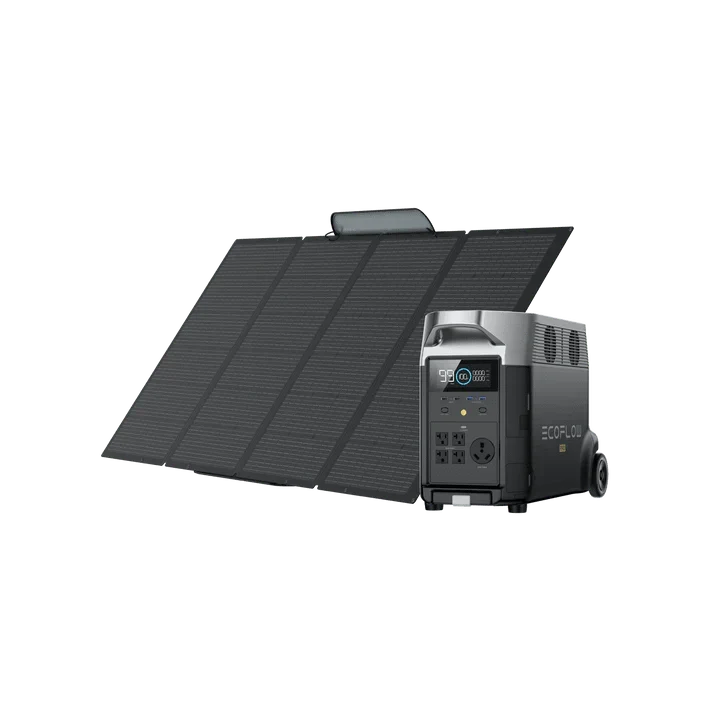
Solar generator bundles like the EcoFlow DELTA Pro Portable Power Station + 400W Solar Panel reflect this approach, starting at 3.6kWh of capacity and expanding up to 25kWh as your needs grow. These scalable systems ease the pressure of a big upfront investment.
The Case for Solar and Battery Storage Independence in 2026
Why Energy Independence Matters More Than Tax Incentives
Even without a federal credit, the case for solar and battery storage remains. Energy independence offers protection from rising utility rates, backup power during outages, and more control over household energy use.
The Role Of Modular, Expandable Energy Systems
Systems that allow homeowners to start small and add capacity over time offer a practical path forward. Homeowners can build toward energy independence at a pace that fits their budget.
Ready to Power Your Home with EcoFlow Solar Solutions?
EcoFlow's portable and expandable solar and battery systems are built for practicality, letting you start with what fits your budget today and scale up as your needs grow. See how the EcoFlow DELTA Pro Portable Power Station + 400W Solar Panel fits into your plan.
Frequently Asked Questions
What Did Homeowners Lose with the 2026 Expiration?
Homeowners lost the ability to claim a 30% federal tax credit on new solar panels, water heaters, and battery storage installations placed in service on or after January 1, 2026. This credit had no dollar cap and could be carried forward to future tax years, so its loss removes a meaningful, uncapped source of savings for new installations going forward.
What Incentives Still Reduce Solar Costs in 2026?
State and local rebates, sales tax exemptions, and property tax exemptions can lower solar and battery costs, and availability varies by location. Net metering programs let you earn credit for excess solar sent back to the grid, while some utilities offer battery incentives or demand-response payments.
Can I Still Claim Any Federal Credit for Systems Installed Before 2026?
Yes. If your solar, battery, or solar water heater system was fully installed and placed in service by December 31, 2025, you can still claim the 30% federal tax credit when you file. The credit is nonrefundable but can be carried forward to future tax years if it exceeds what you owe.
How Do I Calculate Solar ROI without the Federal Credit?
Compare the full upfront cost of your system against expected electricity bill savings over its lifespan, factoring in local utility rates, net metering credit values, and remaining state incentives. Divide the total cost by your estimated annual savings for a rough payback period, then weigh that against how long you plan to stay in your home.
Energy Independence, Cost Savings, and Practical Next Steps
The 30% federal solar tax credit has expired for systems installed in 2026 onward, but state rebates, net metering, utility programs, and manufacturer promotions still offer ways to cut costs.
Modular systems like the EcoFlow DELTA Pro Portable Power Station + 400W Solar Panel let you start small and scale up as your needs grow.
For press requests or interview opportunities, reach out to our media team
media.na@ecoflow.com