The Truth About "Bioplastic" Compostability
- What “Bioplastic” Really Means and Why Compostability Claims Get Confusing
- What Makes Plastic Truly Compostable in the Real World
- Where “Compostable” Bioplastics Actually End Up and What Happens Next
- The Environmental Tradeoffs Behind Bioplastics
- How to Choose and Dispose of Compostable Products More Responsibly
- Frequently Asked Questions
- Make Your Sustainability Choices Count at Home and Beyond
“Compostable” and “biodegradable” constantly appear on packaging, but most consumers don't know the difference between them, or what bio-based materials really are.
Fill in your knowledge gap between what these labels promise and what actually happens at the end of a material's life before you make a purchasing decision based on them. Learn how your home and purchasing choices can genuinely reduce your impact.
What “Bioplastic” Really Means and Why Compostability Claims Get Confusing
Bioplastic has no legal standardized definition. It often refers to bio-based plastics, biodegradable plastics, compostable plastics, or some combination. It's a large and internally inconsistent category that creates consumer confusion.
Bio-Based, Biodegradable, and Compostable Are Not the Same Thing
Learn the definitions of these three commonly misunderstood terms:
Bio-based: Created from plant-derived materials rather than petroleum. Focuses on the source, but tells you nothing about how the material is broken down.
Biodegradable: Capable of breaking down via microorganisms with no specified conditions or time frame. Technically, almost everything is eventually biodegradable.
Compostable: A subset of biodegradable defined by specific conditions and timelines. It can either be industrially- or home-compostable.
What Makes Plastic Truly Compostable in the Real World
When environmental sustainability is important to you, understanding what’s required for compostability allows you to make more discerning purchasing decisions.
It's only meaningful relative to specific conditions, because a product that's certified under industrial conditions won't break down the same way in your backyard bin or landfill.
How Industrial Composting Conditions, Timelines, and Certification Marks Determine Whether It Will Break Down
Industrial composting facilities maintain the environment at 58ºC (136ºF) using controlled airflow and moisture. Your backyard pile can't replicate these conditions.
The US standard for plastics is ASTM D6400, which requires at least 90% conversion of the carbon to CO2 within 180 days, plus full disintegration and zero toxic residue. To confirm a product’s status, look for third-party certification marks, like BPI, The Biodegradable Products Institute. If a product is labeled compostable, but it doesn't have a certification mark, that's an unverified claim.
Home compostable certifications use a separate, lower-temperature standard, but most products labeled compostable don't qualify.
Where “Compostable” Bioplastics Actually End Up and What Happens Next
Compostable certifications guarantee performance under certain conditions, but it doesn't guarantee that those conditions are available to you, which can change where bioplastics end up.
How Limited Facility Access, Sorting Mistakes, and Landfill Realities Can Prevent the Intended Environmental Benefit
Only about 11% of the U.S. population currently lives in cities with composting programs that accept compostable packaging, making industrial composting inaccessible for most Americans. And when you do have access, sorting mistakes and landfill realities can prevent the material from achieving its intended outcome.
Compostable packaging looks like conventional plastic on a conveyor belt, so facilities frequently mistakenly pull it from the compost stream and add it to the landfill. Once in the landfill, compostable plastics don't have access to the oxygen they need. So rather than compost, they break down slowly and can potentially release methane, a greenhouse gas.
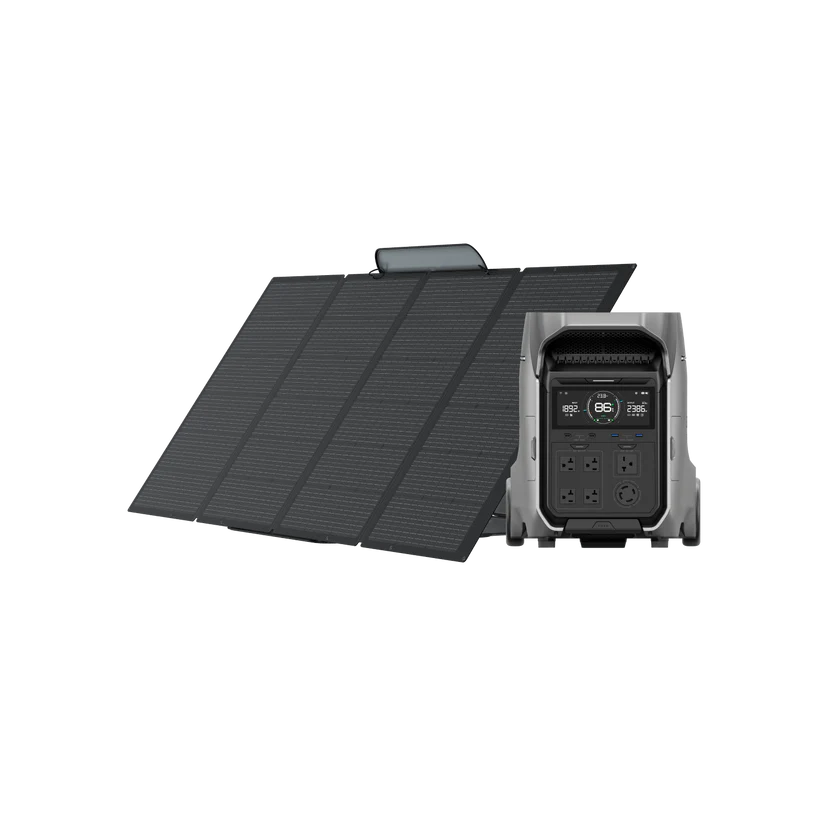
To support more sustainable practices at home, consider a solar-powered generator. Solar generators like the EcoFlow DELTA Pro 3 Solar Generator (PV400W) generate power for your home through sunlight, helping you power home appliances through sustainable and eco-friendly means.
The Environmental Tradeoffs Behind Bioplastics
The conditions surrounding the materials used to create bioplastics matter just as much as their end-of-life behavior.
How Feedstocks, Land Use, Emissions, and End-Of-Life Outcomes Shape the True Sustainability Impact
First-generation feedstocks like sugarcane and corn are the most commonly used materials for bioplastics, but growing them requires land, water, fertilizer, and pesticides that generate their own emissions and create ecological impacts.
Just converting the natural land to crop land to grow these bioplastic feedstocks releases more carbon than the bioplastic ultimately saves, creating a considerable negative impact.
Life cycle assessments show that bioplastics reduce greenhouse gas emissions and fossil fuels compared to conventional plastics, but can score even worse on eutrophication, water use, and land use.
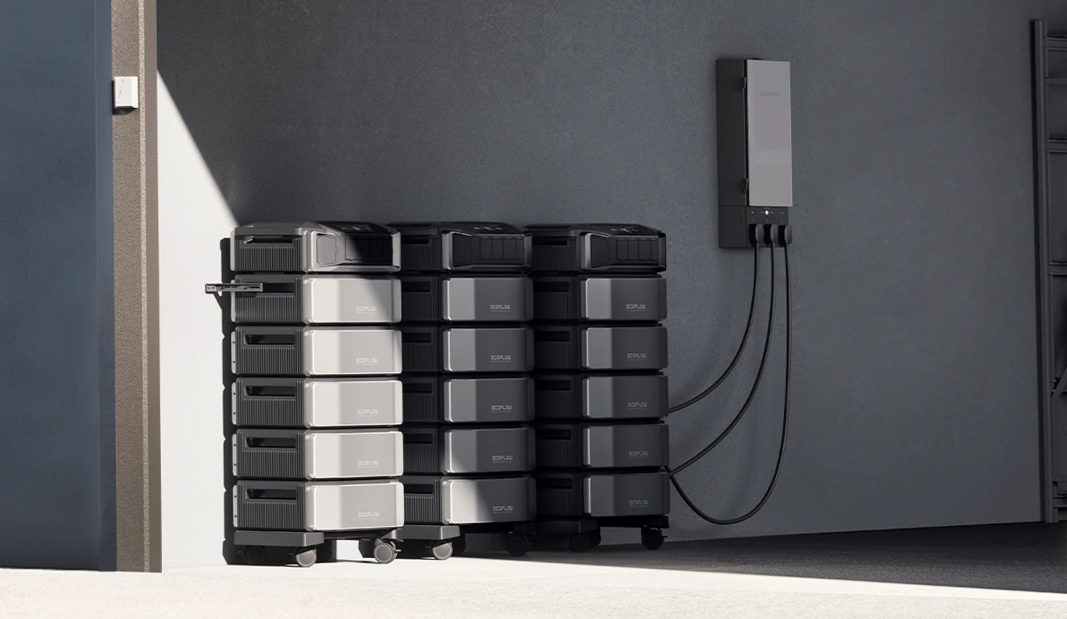
These systems are flawed, but you still have the freedom of your individual choices within the system. There are other ways to be sustainable, such as home energy, where your small decisions like adding a whole-home generator can really add up.
How to Choose and Dispose of Compostable Products More Responsibly
To become more responsible with your product packaging, look for BPI certification, not just the word "compostable." You could also check to see if your municipality supports industrial composting.
Never put your compostable plastics in a recycling bin, because they can contaminate conventional plastic streams.
The higher-priority choices are reusing and reducing plastic use, because compostable packaging only delivers an environmental benefit when it's paired with the right infrastructure.
Frequently Asked Questions
Can I Compost “Compostable” Plastic in My Backyard Compost Pile?
Most products labeled compostable are certified only for industrial composting, which uses controlled conditions and high temperatures that backyard composts can’t reach. Generally speaking, backyard bins can't handle industrially compostable packaging, unless it carries a home compostable certification.
Do Compostable Plastics Break Down in Landfills?
Composting requires oxygen in the conditions of a composting-specific facility, and most landfills are anaerobic. Compostable plastics sent there won't compost. They will either persist or break down slowly in ways that release methane, a greenhouse gas that accelerates climate change.
How Do I Know if My City Accepts Compostable Packaging?
If you're wondering if your city can process compostable packaging, contact your local solid waste management provider directly. Ask if the composting program accepts compostable packaging, not just food scraps. You can also check the Sustainable Packaging Coalition’s composting maps to find facilities near you.
Make Your Sustainability Choices Count at Home and Beyond
A package with “compostable” on the label doesn't always break down the way it's intended. If you care about environmental sustainability, you can't always trust the labels.
Choose products with verified certification marks, check to see if your local infrastructure supports compostable packaging, and prioritize reuse and reduction over single-use alternatives.
You can also find other ways to make more of an impact, like reducing your household energy consumption with the EcoFlow DELTA Pro Ultra X + Smart Home Panel 3. It supports solar integration and can help you reduce grid dependence as part of a broader sustainability approach.
For press requests or interview opportunities, reach out to our media team
media.na@ecoflow.com