Leave No Trace 2.0: Social Media Etiquette in the Outdoors
- What Is Leave No Trace 2.0?
- Why Does Social Media Impact Outdoor Spaces?
- What Are Common Mistakes When Sharing Outdoor Content?
- How Can You Share Responsibly Online?
- What Guidelines Should You Follow for Ethical Posting?
- Frequently Asked Questions
- Responsible Sharing Helps Protect Outdoor Spaces for Everyone
The Leave No Trace principles have long been a guiding foundation for responsible and sustainable outdoor recreation, but social media has now added a new layer of impact, and we need to adapt.
Sharing photos and geotagging locations can either cause unintentional damage to fragile ecosystems or inspire others to protect them. This guide explores “Leave No Trace 2.0,” focusing on how thoughtful posting can protect the places we love while we share our adventures with others.
What Is Leave No Trace 2.0?
Leave No Trace 2.0 is the latest (non-official) iteration of the Leave No Trace principles. It includes the original 7 ethical principles to help minimize our impact when enjoying the great outdoors.
Instead of a list of don'ts, it focuses on education, awareness, and sustainable practices like staying on trails even when they’re muddy, camping on durable surfaces, and leaving what you find behind.
Now, concerned hikers have petitioned the foundation to include an eighth item to cover the impact of social media. While they have not done so, the organization behind these principles now discusses social media etiquette as part of these new guidelines.
Social media etiquette circles around:
Tagging thoughtfully
being conscientious of what you post
Ensuring you show a good example of a stealth camper, leaving no trace
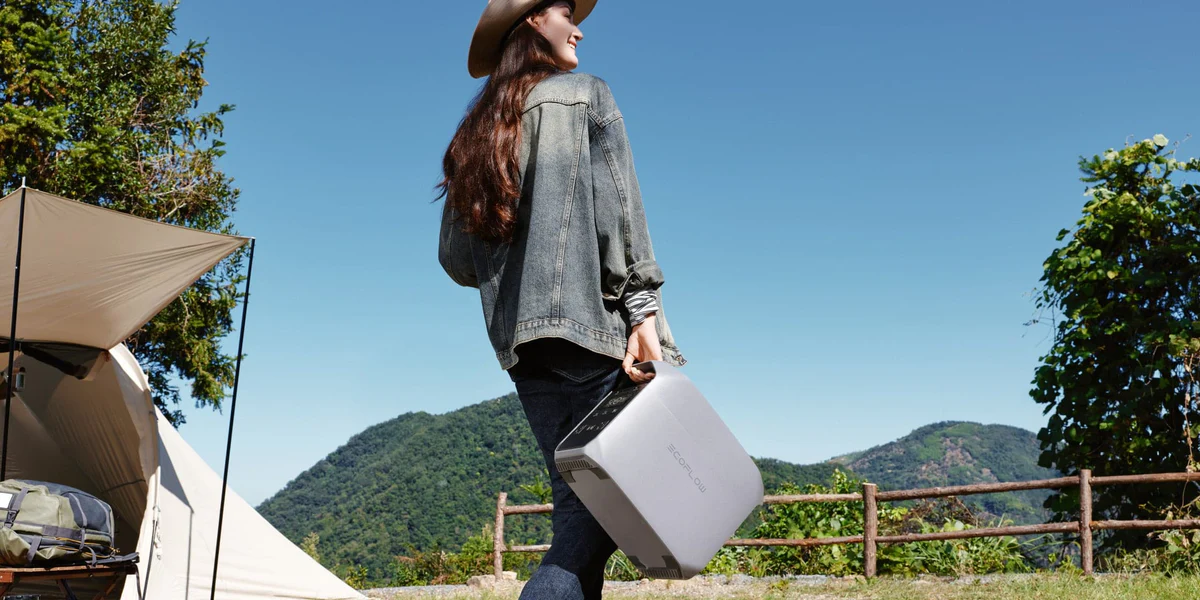
Beyond behavior on the trail, Leave No Trace 2.0 also extends to the gear we use. Choosing quieter, low-impact equipment, such as portable, emission-free power solutions like the EcoFlow DELTA 3 Classic, can help reduce disturbance to wildlife and natural surroundings.

Why Does Social Media Impact Outdoor Spaces?
Social media can have a huge impact on outdoor spaces, for instance, when influencers post a great shot of themselves on their off-grid adventure in a field of wildflowers in a sensitive mountain meadow. Then, everyone flocks to that sensitive ecosystem, trampling on the rare flowers all in an attempt to get that same perfect shot.
It’s not so much the posting and tagging that causes the damage as it is doing so without the education that people need to visit the place safely.
When content spreads without context — such as guidance on staying on trails, protecting wildlife, or respecting fragile ecosystems — it can unintentionally encourage harmful behavior at scale. Over time, even small individual impacts can accumulate into significant environmental damage.
What Are Common Mistakes When Sharing Outdoor Content?
Sharing photos of unethical camping, fire pit creation, or walking off trails that cause others to do the same.
Disturbing wildlife by feeding or getting too close to get that perfect shot (telephoto lenses are an excellent, low-impact way to get wildlife shots).
Geotagging precise, fragile locations, especially without the context of leave no trace principles.
How Can You Share Responsibly Online?
There are plenty of ways to share responsibly online without negative impact. In fact, social media can become a powerful ally in responsible outdoor recreation.
Sharing responsibly can help raise awareness of our parks and natural places, encouraging their protection and funding. The right kind of social pressure encourages governments and agencies to take notice and protect more.
To share responsibly, always consider what you post, provide context and education about the history or rare ecology, and explain how to visit it ethically.
The Leave No Trace organization even offers a social media toolkit with posts you can use to help promote some basic principles.
Responsible outdoor recreation goes beyond what you post; it also includes how you interact with the environment. Using gear like the EcoFlow DELTA 3 Classic can help minimize noise and air pollution, supporting a lower-impact outdoor experience.
What Guidelines Should You Follow for Ethical Posting?
When you’re out camping this spring, here are some guidelines to follow to ensure you post in a way that promotes the proper care of your favorite natural places:
Conscientiously geotag and consider what you’re showing. If it’s a sensitive area, tagging that location can send a flood of people in there who may damage the plants, animals, and ecology. If the area is a concern, leave the geotagging off, and educate your followers about why it’s so sensitive and how we can help protect it.
Never post pictures of someone having an illegal fire, camping where they shouldn’t, or doing anything else the principles say not to, as such actions can encourage more unsustainable behavior.
Set a positive example. Show photos of how the leave-no-trace principles are being followed, like picking up trash, camping, or having fires in designated spots. Additionally, promote the principles online.
Never harshly criticize beginners or others who don’t follow the guidelines. This may make them resentful, which is a poor way to teach others.
Frequently Asked Questions
Why Is Location Tagging a Problem?
Location tagging can be problematic if it encourages people to flock to an area without regard for its fragile ecology or the rare creatures that inhabit it. Instead, try educating your followers about why the area is special and how to reduce our impact if we visit.
What Should You Avoid Posting Outdoors?
Avoid posting exact locations of rare or fragile ecosystems, photos of people feeding or disturbing wildlife, committing illegal acts, or not following ethical leave-no-trace principles. You should also never geotag your home or any other location that would allow criminals to find you.
Responsible Sharing Helps Protect Outdoor Spaces for Everyone
When handled correctly, responsibly sharing our outdoor adventures is a natural extension of the Leave No Trace principles, as it can influence how people treat outdoor spaces.
By mindfully geotagging, modeling ethical behavior, and educating your audience on why these places are so special and how we should treat them when we visit, we can turn social media into a tool for conservation rather than increasing harmful impacts.
To further ensure sustainability on your next outdoor adventure, the ultra-quiet and emission-free EcoFlow DELTA 3 Classic will power your adventures without polluting or disturbing the environment around you.
For press requests or interview opportunities, reach out to our media team
media.na@ecoflow.com