Which States Allow Plug-and-Play Solar in 2026? A State-by-State Guide
Have you heard the buzz about plug-and-play solar? It’s spreading quickly across the US, although the timing and rules depend on which state you live in. It’s already legal in a few states, but dozens of others are debating legislation right now.
Learn how plug-and-play solar works, plus notable legislation that’s either passed or is in the works.
What Is Plug-and-Play Solar?
Plug-in solar panels are mini versions of solar arrays, ranging from 400W to 1,200W. You can’t power an entire home with these systems, but they can definitely offset the cost of your daily energy use. It’s estimated that you could save about $50 a month on your energy bill with plug-in solar.
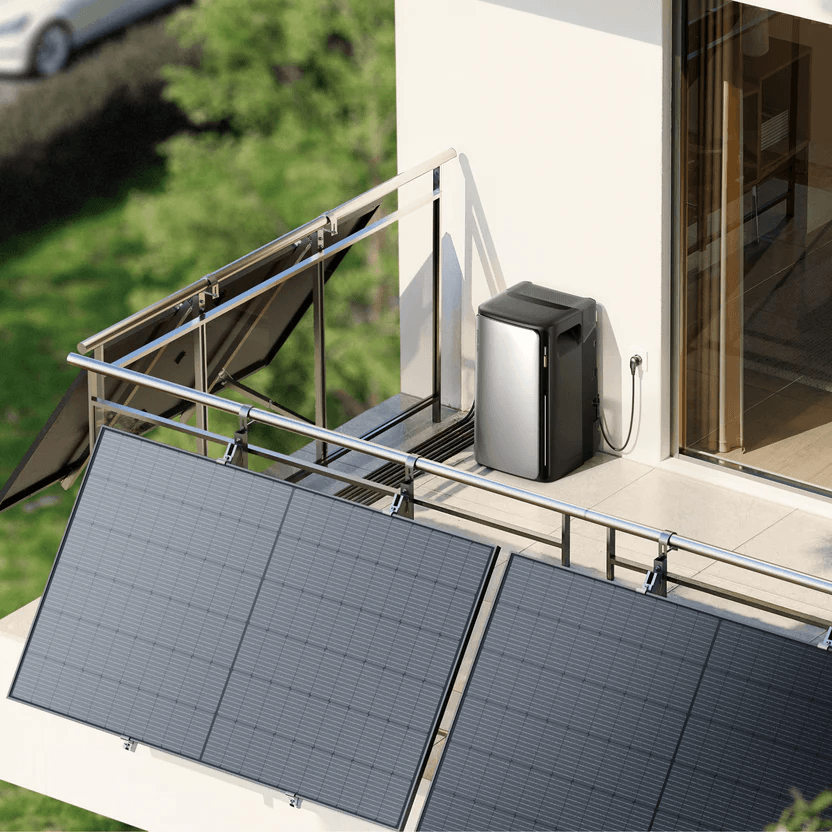
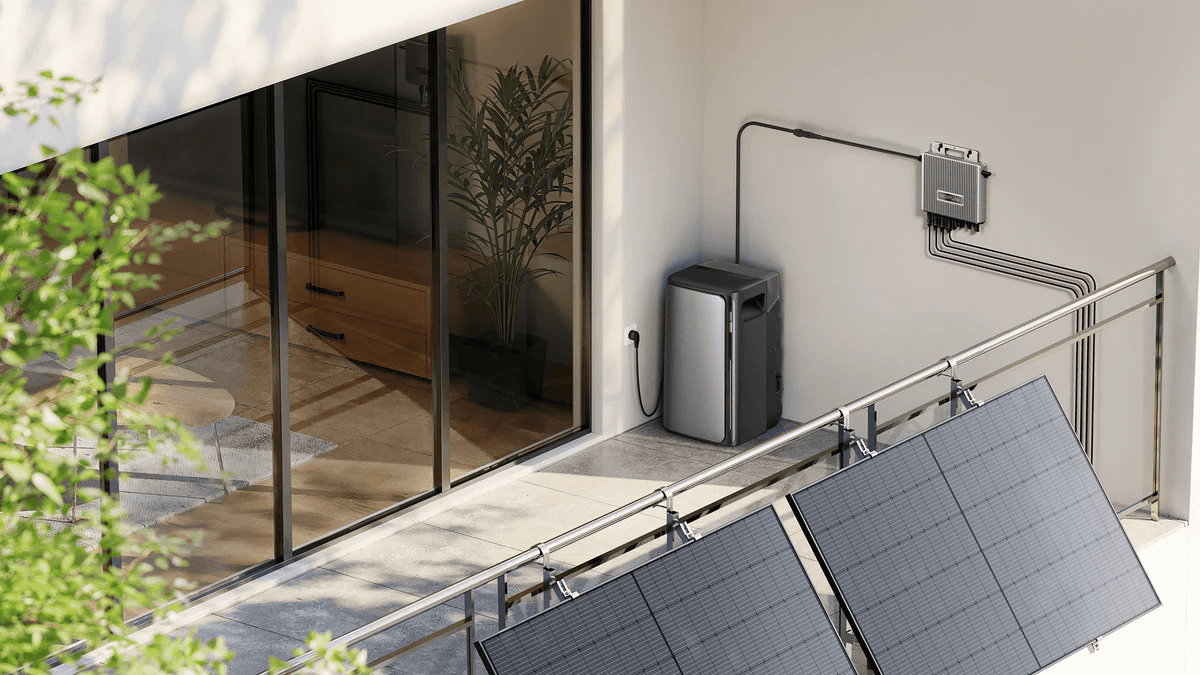
One reason these systems have become so popular is their flexibility. A balcony can become a mini solar power station, and a carport roof can generate electricity throughout the day. Some people install panels along a fence line, while others use ground stakes in a backyard to power a workshop, shed, or outdoor workspace.
Since the systems are relatively small and easy to set up, they work in places where traditional rooftop solar isn’t practical, including apartments and rentals where you usually aren’t allowed to make changes to the property.
Products like the EcoFlow STREAM Microinverter are designed for exactly this kind of setup: just connect your solar panels, plug into a standard outlet, and start generating your own electricity.
Which States Have Pending Legislation or Active Consideration In 2026?
Plug-in systems have exploded in popularity over the past two years. Here’s where things stand as of June 2026.
State | Bill | Status | Wattage Limit | Effective Date |
Utah | Signed into law | 1,200W | May 2025, already in effect | |
Maryland | Signed into law | 1,200W | May 2026, already in effect | |
Maine | Signed into law | 1,200W | July 2026 | |
Virginia | Signed into law | 1,200W | January 1, 2027 (certain provisions) | |
Colorado | Signed into law | 1,920W | January 1, 2027 | |
California | Passed Senate; in Assembly | 1,200W | Pending | |
New York | Passed legislature; awaiting governor | 1,200W | 90 days after signing |
Note: Energy legislation changes frequently. This information reflects the status of plug-in solar laws as of June 2026. Verify current regulations with your state’s public utilities commission or official government website before purchasing or installing a plug-in solar system.
Utah
Utah was the first state to fully legalize plug-and-play solar systems. The law took effect in May 2025 and allows UL-tested systems up to 1,200W. Instead of requiring you to pay for a permit and pricey installation fees, it treats these systems as appliances.
Put simply, that means you can install approved equipment with virtually no regulatory hurdles. As long as you use the system properly and buy a compliant system, you’re good to go.
If you're in Utah and ready to take advantage of the law, the EcoFlow STREAM Microinverter is built for exactly this kind of setup. It connects your solar panels to a standard wall outlet, feeds electricity directly into your home, and requires no permits or professional installation.
Maryland
Maryland's HB 1532 (the Utility RELIEF Act) was signed by Governor Wes Moore on May 12, 2026, and took effect immediately.
The law allows residential customers to install a plug-in solar system of up to 1,200W per meter without prior approval from their utility company. Both homeowners and renters are covered, making Maryland one of the most accessible states for balcony and plug-in solar right now.
Systems of 391W or less are exempt from UL certification requirements, which lowers the barrier to entry even further.
For Maryland residents looking to go further than a basic plug-in setup, the EcoFlow STREAM Ultra combines a plug-and-play microinverter with built-in battery storage. You generate solar energy during the day, store what you don't immediately use, and draw on it whenever you need it.
Maine
Maine signed plug-and-play solar legislation in April 2026, with the law scheduled to take effect in July 2026. The new rules will make it easier for residents, including renters and apartment dwellers, to use small solar systems to offset electricity use.
You don’t need to be an electrical expert to install a balcony system for your apartment. There are plenty of plug-and-play solar kits for renters that walk you through the simple process.
Virginia
Virginia also signed plug-and-play solar legislation in April 2026. HB 395 was signed on April 22, 2026, with certain provisions of the bill taking effect on January 1, 2027. The legislation allows systems up to 1,200W and removes the requirement for a permit or utility pre-approval, including protections for renters.
Colorado
Colorado is doing things a little differently. House Bill 26-1007 passed the legislature, reached the governor's desk in April 2026, and was signed into law in May 2026. It’s set to go into effect on January 1, 2027. The legislation allows systems up to 1,920W, which is way higher than the 1,200W limit in many other states.
The higher wattage limit means Colorado residents can offset more of their electricity use.
California
California hasn’t technically passed plug-and-play solar yet, but it’s expected to. SB 868, or the Plug-and-Play Solar Act, still needs to pass through the California Assembly and get the governor’s signature.
But if all goes well in a timely manner, the law could go into effect in January 2027. Like many other states, it would approve plug-in devices of 1,200W. Thanks to pre-made kits, you don’t need any fancy tools for DIY solar installation: just open the box, plug it in, and start making your own electricity.
New York
New York is close to legalizing plug-and-play solar. The Solar Up Now New York (SUNNY) Act (A9111C) passed both chambers of the state legislature on May 28, 2026, and is waiting for Governor Kathy Hochul's signature.
If signed, the law would take effect 90 days later and allow systems up to 1,200W, giving more New Yorkers access to affordable solar power without a full rooftop installation.
Frequently Asked Questions
What States Have Legalized Plug-in Solar?
As of June 2026, Utah and Maryland are the two states where you can purchase and install a plug-in solar system right now without a permit or utility approval required. Maine's law is scheduled to take effect in July 2026. Virginia and Colorado have both passed legislation with key provisions taking effect on January 1, 2027. California and New York have bills advancing through the legislature but haven't yet been signed into law.
Are There Solar Panels You Can Legally Install Yourself That Are Plug-and-Play?
Yes, but it depends on where you live. Plug-and-play systems must be legal in your state and approved by your utility company first. You also have to consider your HOA rules and local building codes. The upside is that all plug-and-play systems are designed to be very simple to install with zero professional guidance, so it mostly comes down to legality.
Save Money, Increase Resilience, and Start Small With Plug‑In Solar
It's just a matter of time before plug-and-play systems become the norm in households across the country. Utah and Maryland already allow installations today, and Maine is set to join them this summer. Virginia and Colorado have both passed legislation with provisions taking effect January 1, 2027, and many other states are actively considering similar laws.
If you live in an area that has these laws on the books, or will soon, a plug-in solar system can reduce your grid dependence without the complexity of a full installation. Explore EcoFlow's full range of home solar systems to find the right fit for your setup.
For press requests or interview opportunities, reach out to our media team
media.na@ecoflow.com