Is the Solar Tax Credit Going Away? What Homeowners Need to Know Right Now
- Is the 30% Federal Solar Tax Credit Ending Soon?
- Why This Matters Now for Homeowners Planning Solar or a Home Battery
- Who’s Still Eligible and When: Ownership, Leases, and Key Cutoffs
- How to Lock In the Credit and Avoid Common Filing Mistakes
- Choosing the Right Solar-Plus-Storage Setup Before Incentives Change
- Frequently Asked Questions
- Save Money and Build a More Resilient Home Energy Plan
Over the last few years, residential solar installations have often qualified for a generous 30% tax credit from the federal government. This has helped thousands of people supplement their power supply with clean, renewable energy.
But nothing stays still in Washington for long. Changes are coming to the solar tax credit. Let's take a look at what those changes will be, and what it means for your energy projects.
Is the 30% Federal Solar Tax Credit Ending Soon?
The upfront cost of installing solar panels has long been one of the biggest issues holding back widespread adoption. That's why the federal government introduced the 30% solar tax credit. Officially known as the Residential Clean Energy Credit, it allowed eligible homeowners to claim a percentage of qualified installation costs as a federal tax credit.
However, the rules are changing. Specifically, the One Big Beautiful Bill, signed into law in 2025, phased out clean energy tax credits that were included in the 2022 Inflation Reduction Act. That means the 30% federal solar tax credit is coming to an end, but not yet.
Projects that are considered under construction by July 4, 2026, or those that enter service by the end of 2027, can still qualify for the 30% tax credit.
If you're planning a solar installation, it's probably better not to wait too long. Projects can take months to plan, permit, and install, so getting it started right now gives you the best chance of getting that tax credit.
Why This Matters Now for Homeowners Planning Solar or a Home Battery
A solar installation and battery system is a long-term investment. For some people, a 30% tax credit might be the difference between the project being feasible or not. And the uncertainty around the future availability of credits has had homeowners rushing to install solar systems to get a tax credit while they can.
Who’s Still Eligible and When: Ownership, Leases, and Key Cutoffs
Eligibility for the Residential Clean Energy Credit depends on several factors.
Ownership
The credit is intended for people looking to install renewable energy infrastructure on their main home. According to the IRS, the credit is available to both homeowners and renters, but they need to live in the home most of the time.
In some cases, a second home that you live in part-time might be eligible, as long as you don't rent it out to other people.
Qualified expenses
The tax credit is applied to qualified expenses incurred for new clean energy installations, including:
Solar electric panels
Solar water heaters
Wind turbines
Geothermal heat pumps
Fuel cells
Battery storage technology (must have a capacity of at least 3 kWh)
Equipment must be new, not used. Labor costs for installing and connecting the equipment also qualify, but traditional building components don't. So, if you need to put on new roof shingles or trusses to support the solar panels, you can't claim those expenses.
Subsidies, rebates, and incentives
If you receive other subsidies and incentives, you may need to subtract those from the expenses you claim from the IRS.
Some public utility companies offer subsidies for installing clean energy. You may also get rebates from the manufacturer. Meanwhile, state energy efficiency incentives are usually not subtracted from qualified costs unless they are given as a rebate or purchase price adjustments.
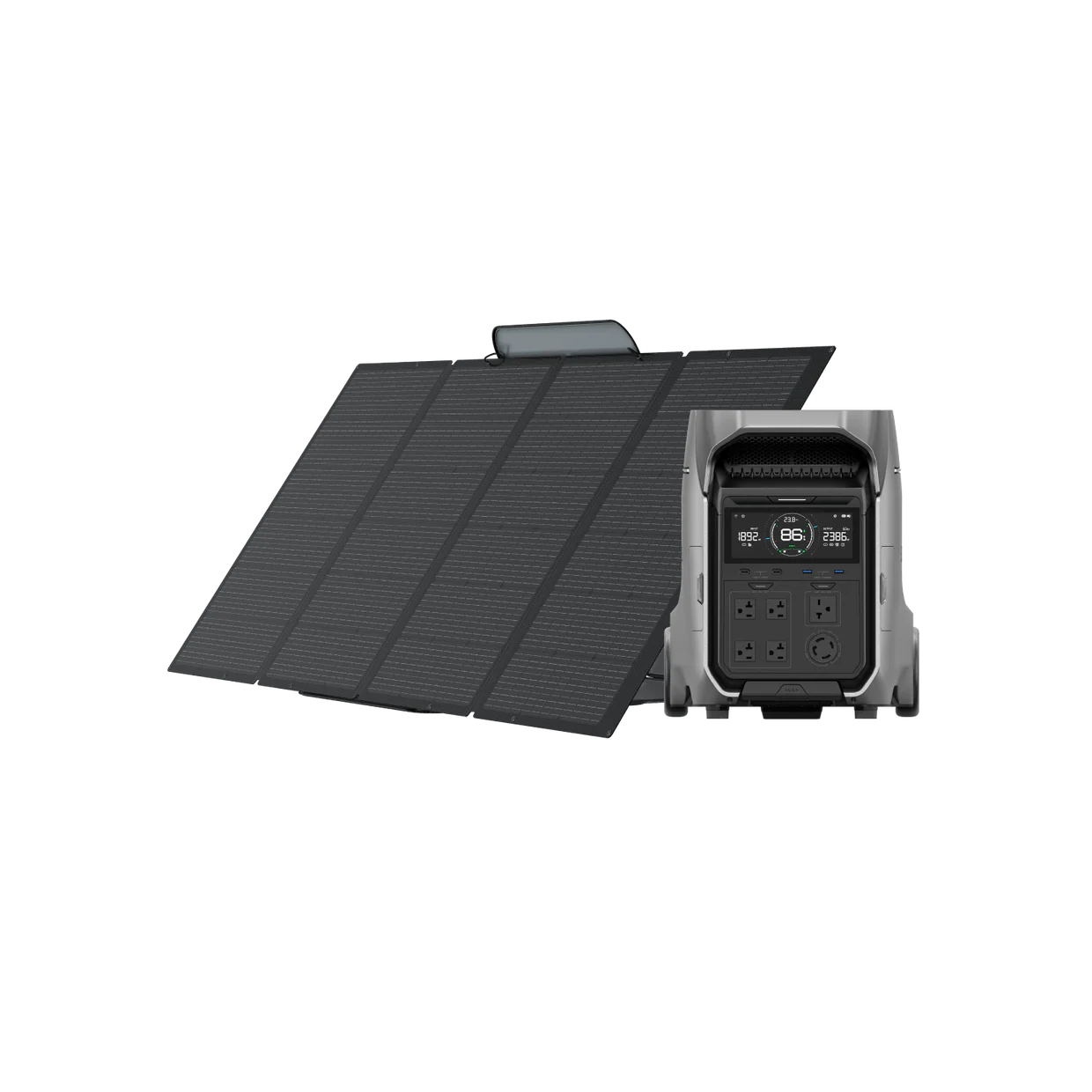
For example, a system built around the EcoFlow DELTA Pro 3 Solar Generator gives you backup power to run critical devices during a short outage. It also allows you to stay charged up on camping trips, at festivals, or during outdoor recreation.
Leases
In general, you must own the solar or battery system to qualify for the credit. A leased system or a power purchase agreement (PPA) will typically not qualify, because the company owns the system, not you.
Timing
Eligibility depends on when the system is completed and placed into service, or when construction begins. The policies are subject to change, as they are currently working their way through the courts, so pay close attention to changing deadlines and installation schedules.
Remember that even a straightforward project can take weeks or months. Right now, you need to have your project underway by July 4, 2026, so the sooner you get started, the better.
How to Lock In the Credit and Avoid Common Filing Mistakes
One of the biggest mistakes you can make is waiting too long to get started.
Remember, a solar installation can involve:
Site assessments
System design
Utility approvals
Permit reviews
Equipment procurement
Installation scheduling
Final inspections
All of these steps take time.
Maintain Documentation
Keep records of contracts, invoices, receipts, financing documents, and inspection records. You may need them to prove that your work was begun in time to qualify for the credits.
Verify Equipment Eligibility
Not every product qualifies for the tax credit. Make sure that what you’re buying qualifies before you commit to the project.
Work With Professionals
A qualified tax professional can help you understand your specific circumstances and filing requirements. That way, you can take advantage of the expiring clean energy tax credit before it's gone.
Choosing the Right Solar-Plus-Storage Setup Before Incentives Change
Incentives make a big difference in the feasibility of a system, but your actual design should still focus on your household needs. Don't buy more than you need just to qualify for a tax credit.
Portable Solar-Plus-Storage
If you’re looking for flexibility, a portable system can give you backup power for emergencies and solar charging capabilities in a package that can go anywhere.
Whole Home Energy Resilience
If you live in areas prone to outages or you just want to protect yourself from rising energy costs, a whole-home generator lets you build resilience away from the grid. These systems are popular in regions affected by natural disasters and grid reliability concerns.
Scalable Home Battery Storage
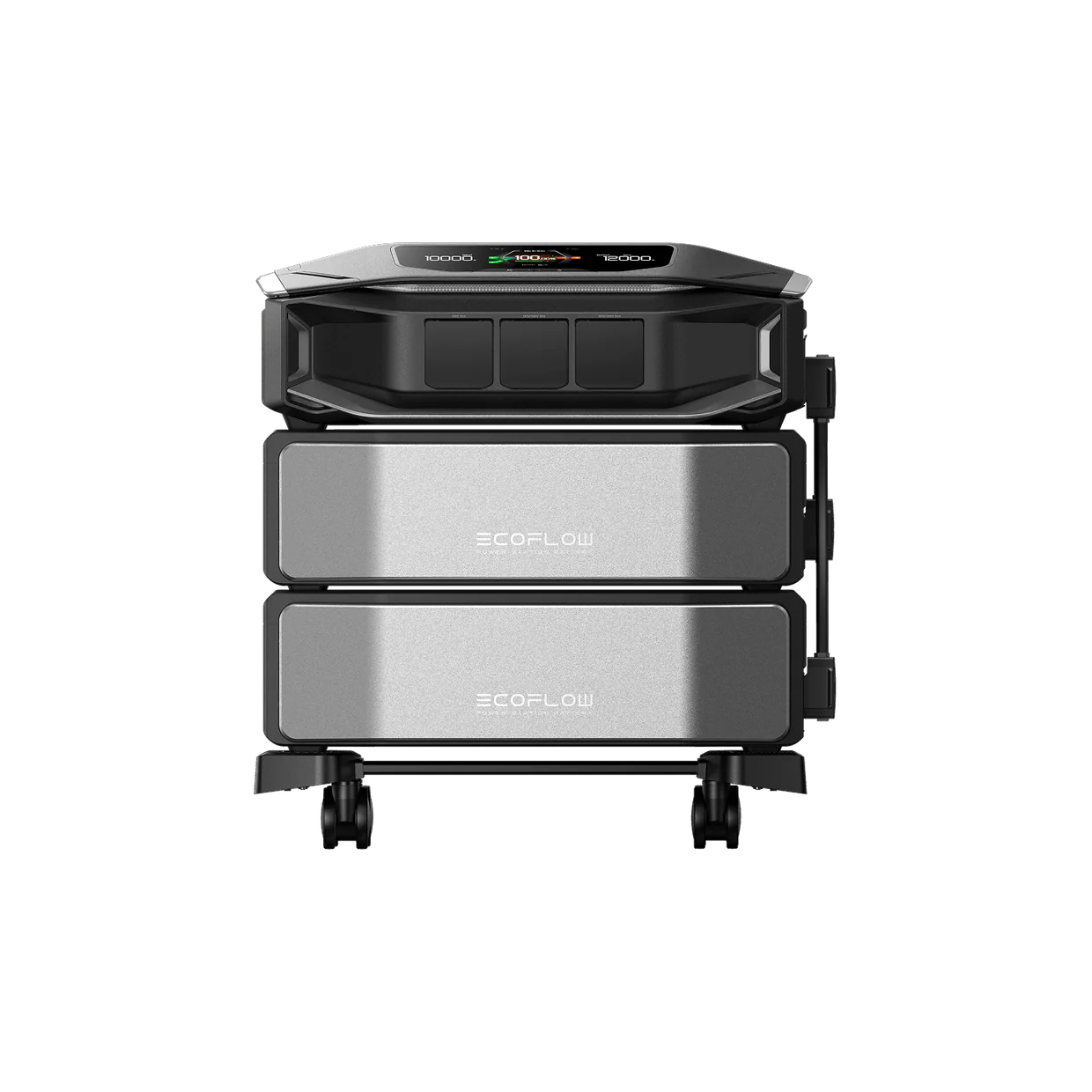
For a more comprehensive energy solution, the EcoFlow DELTA Pro Ultra X offers scalable storage capacity for substantial household energy needs.
Paired with solar generation, it can maximize self-consumption of renewable energy and also provide backup power during outages.
Frequently Asked Questions
What does “installed” or “placed in service” mean for claiming the credit?
"Placed in service" refers to when the system becomes fully operational and able to perform its function. "Installed" means the system is fixed in place and connected. Exact definitions can vary, so it's a good idea to consult current IRS guidance.
Can I claim the solar tax credit if I finance the system with a loan?
Usually, yes. Financing a solar system with a loan means you own the system, and are therefore eligible for the credit as long as it meets other program requirements.
Do batteries qualify for the credit, and does it matter if they’re added later?
Batteries can qualify for the credit, but they need to have a capacity of at least 3 kWh. Eligibility can depend on installation timing, so you should verify details with installers and tax professionals.
Save Money and Build a More Resilient Home Energy Plan
The federal solar tax credit has helped to make solar and battery systems more affordable. Future policy changes threaten that, so many homeowners are acting now to make sure they can access the available incentives while they are still around.
Whether you're contemplating a small portable system for emergency use or a whole home generator so that you can operate independently of the grid, planning early can help maximize the financial benefits. Take a look at our systems and see what works for you.
For press requests or interview opportunities, reach out to our media team
media.na@ecoflow.com