Michigan Solar Incentives 2026: DTE Energy Solar Program, Net Metering & Rebates
- What Michigan Solar Incentives Are Available in 2026?
- Understanding DTE Energy's Distributed Generation Program
- Michigan Net Metering Rules Explained
- Solar Rebates and Utility Incentives in Michigan
- How Much Can Michigan Homeowners Save with Solar?
- Why Battery Storage Adds Value in Michigan
- Frequently Asked Questions
- Maximize Michigan Solar Incentives Before You Install
In 2026, Michigan homeowners are paying electricity rates significantly higher than the national average. But you can still save a considerable amount of money by installing clean energy and using a mix of state and utility incentives, flexible financing, and modern battery storage. Then you can cut your monthly power bill and protect your home from future rate spikes.
What Michigan Solar Incentives Are Available in 2026?
According to the U.S. Energy Information Administration (EIA), Michigan residents pay an average of 21.20 cents/kWh as of March 2026, compared to the 18.56 cent national average from that same period.
While the deadlines for government solar incentives have mostly passed, several state, municipal, and utility tax credits, rebates, and incentives can help reduce the costs of switching to solar.
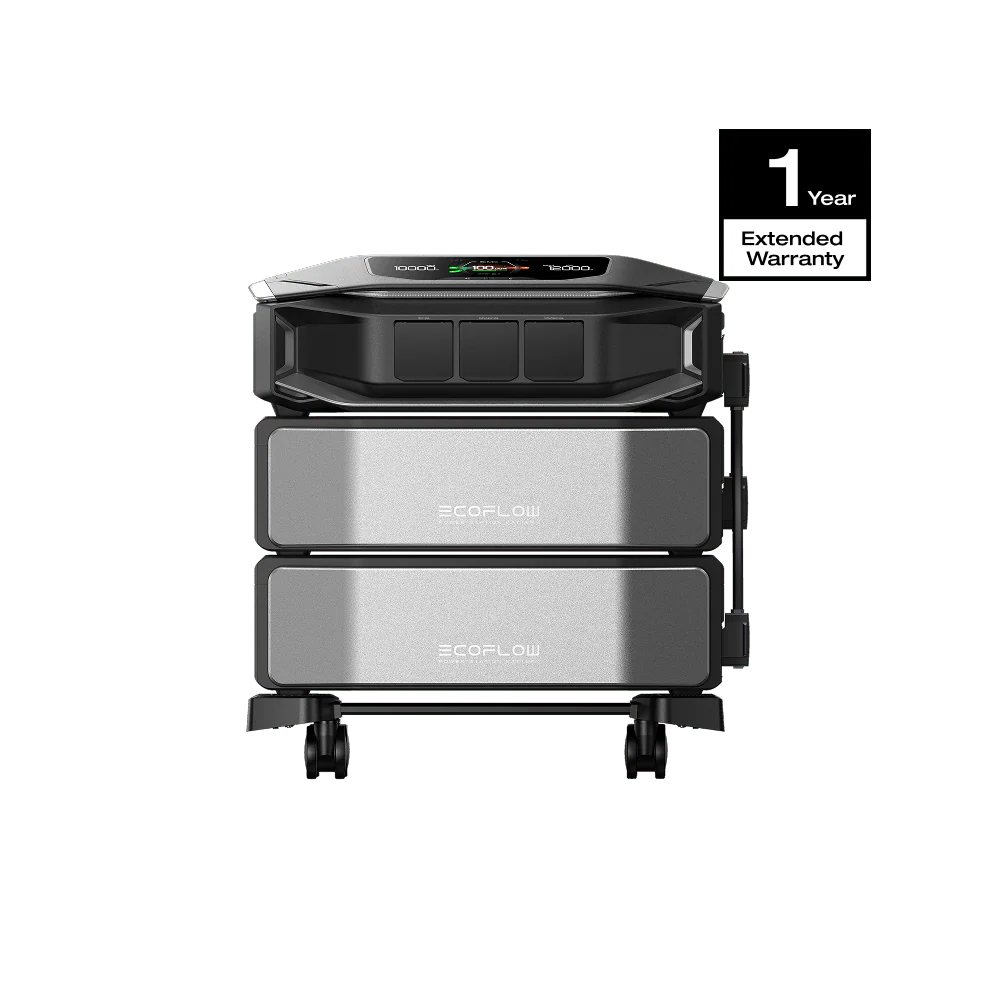
And when you add battery storage like the EcoFlow DELTA Pro Ultra X, you can save even more by consuming all the clean energy you produce, even at night.
Understanding DTE Energy's Distributed Generation Program
DTE Energy is a Detroit-based energy provider that supplies electric and gas to millions of customers in Michigan. Instead of traditional net metering, customers are paid using a smart meter that simultaneously tracks the inflow and outflow of energy.
Instead of paying net metering at the full retail rate, DTE Energy pays less, saying that those using the grid still need to pay for the infrastructure for generation and distribution.
Michigan Net Metering Rules Explained
Michigan doesn’t have traditional net metering. Instead, utilities like DTE Energy offer distributed generation, which is a form of net billing where you pay the full retail rate for energy you consume. Then, excess energy you export to the grid is credited on your bill at a lower rate, which varies over time and depends on your provider and tariff schedule.
If you produce more than you consume, any unused credits are rolled over each month to be applied to future charges.
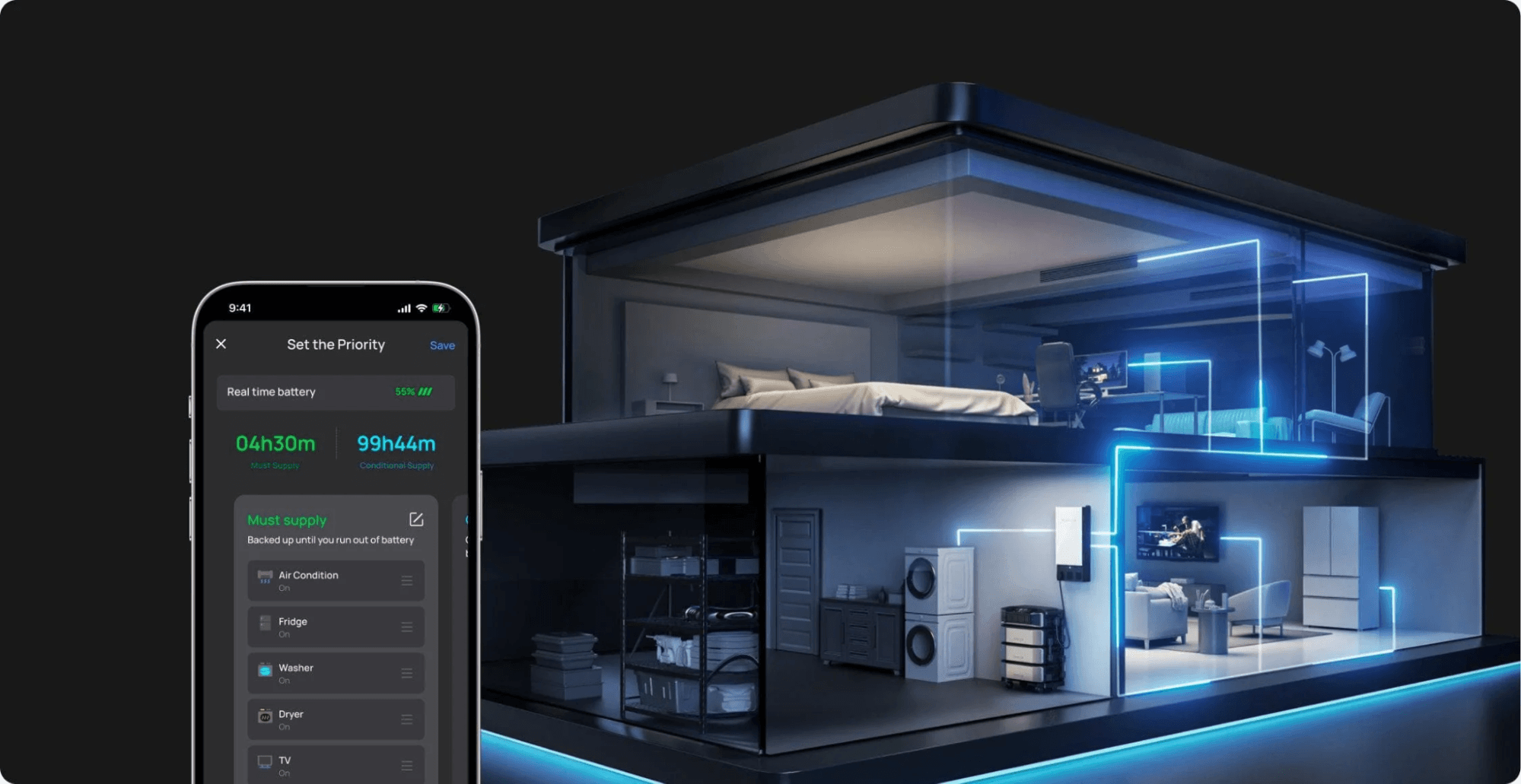
If you’re unhappy with your export rates, install an indoor-safe, battery-operated whole home generator and use all the energy you produce, even at night when the sun isn’t shining.
Solar Rebates and Utility Incentives in Michigan
While you may no longer be able to get the 30% federal tax credit, there are still plenty of rebates and incentives in Michigan to help you save.
Michigan law (MCL 211.9i) exempts qualifying alternative energy systems up to 150 kW that offset your home's energy use from personal property taxes. Confirm eligibility with your local assessor before you install.
Michigan's rate-regulated utilities, including DTE Energy and Consumers Energy, offer distributed generation programs that credit your bill for the excess energy you export to the grid.
BWL customers who install solar can claim $500 per kW, up to a $2,000 maximum.
Seven of WPPI Energy's member utilities in the Upper Peninsula offer rebates of up to $3,500 or 35% of your installed system cost, whichever is lower. Check current funding with your utility before you commit.
Michigan Saves connects you with home energy loans from $1,000 to $50,000, with terms up to 15 years, for solar and other energy upgrades.
How Much Can Michigan Homeowners Save with Solar?
Between rising energy costs and existing solar power incentives at the state and utility level, Michigan homeowners stand to save substantially on energy costs. Assuming you get a standard whole-home solar array installed for $20,000, after the lifetime of those solar panels (about 25 years, though they often last longer), you could potentially save about $40,000 in electricity costs.
Why Battery Storage Adds Value in Michigan
Adding solar panels and battery storage to your home increases the value of your home by about 4.1% according to Zillow. And with Michigan’s property tax exemption, your property taxes won’t increase when your solar array and whole home backup power solution increase your home’s value.
However, this only applies to systems that you own, not leased systems. Leased systems may actually reduce the appeal of your home to buyers who may not want to be locked into a solar lease or pay the penalty for ending the lease early.
Michigan also experiences frequent outages, some lasting several days. Having battery storage offers peace of mind to keep your essential appliances running day and night during outages.
Frequently Asked Questions
What Incentives Are Available for Michigan Homeowners?
Michigan homeowners can benefit from a 6% sales tax exemption on equipment, property tax exemptions so the upgrades don’t increase your property taxes, low-interest financing options, and net billing options to sell excess energy back to the grid.
How Does Net Metering Work with DTE Energy?
DTE Energy doesn’t pay the full retail rate for each kWh you export. Instead, they pay you at a reduced rate, between about 8.5 and 14 cents/kWh. The export rate is reduced to help cover the costs of energy generation and distribution infrastructure.
How Much Can I Save on Electricity by Installing Solar in Detroit?
If you install a solar array in Detroit, after about 25 years, you may save approximately $40,000 on electricity. But it depends on your energy use, the system size, and whether you pair it with a battery to avoid peak utility rates.
How Do I Claim the Federal Solar Tax Credit for My Solar System?
You can only claim the federal solar tax credit if you purchased, installed, and bought your equipment online by December 31, 2025. Claim it using Form 5695 on your 2025 taxes.
Maximize Michigan Solar Incentives Before You Install
Soaring electricity rates make Michigan one of the most financially rewarding states for home energy generation. When you combine sales tax and property tax exemptions with low-interest financing options and net billing, you can reduce or even eliminate your electrical bills and protect your home from energy spikes.
To make the most of Michigan's net billing program, pairing your solar array with the EcoFlow DELTA Pro Ultra X means you can store and use the energy you produce rather than exporting it at a reduced rate, keeping more of your savings at home.
For press requests or interview opportunities, reach out to our media team
media.na@ecoflow.com