Camping Indoor or Outdoor: What Are the Differences?
Outdoor camping builds real nature skills, while indoor camping creates a controlled practice version of the experience. The useful choice depends on weather, age, accessibility, gear confidence, safety needs, and whether the goal is comfort, learning, family bonding, or true outdoor independence.
What Makes Indoor Camping Different?
Indoor camping is camping-inspired play or practice inside a home, cabin, classroom, community center, or other sheltered space. It uses tents, sleeping bags, camp meals, lanterns, and camping ideas without the full exposure to weather, insects, wildlife, darkness, and remote sanitation.
Its main value is control. Families can teach children how to sleep in a tent, pack a bag, use a flashlight, organize layers, and respect quiet hours without handling cold rain or a long drive. Adults can test sleeping pads, practice meal prep, or check whether a pet tolerates a tent.
Indoor camping is not fake when the goal is skill building. It becomes less useful only when people confuse it with the decisions required outdoors, where weather, water, waste, fire rules, and navigation matter.
Indoor practice is best for beginners. It lowers friction and lets people make small mistakes before outdoor camping raises the consequences.
Why Choose Outdoor Camping?
Outdoor camping gives direct contact with changing light, weather, terrain, wildlife, and real campsite systems. It teaches judgment because the environment cannot be paused when something is inconvenient.
The benefits are physical and practical. Campers learn how to choose a level tent site, manage temperature, keep food safe, cook with limited tools, reduce waste, and move through natural areas with less impact. They also experience quiet, distance from screens, and better awareness of daylight and weather.
Outdoor camping requires more responsibility. You must check rules, reserve or identify legal sites, pack water, protect food, prepare for temperature swings, and know how to leave if conditions become unsafe. A living room tent cannot teach that full decision cycle.
Choose outdoor camping when the goal is real skill, solitude, travel, or nature immersion. Choose indoor camping when the goal is practice, accessibility, or weather proof family time.
How Do Setup Needs Compare?
The biggest difference is consequence. Indoors, forgotten gear is annoying. Outdoors, forgotten gear can affect sleep, hydration, warmth, food safety, or navigation.
Category | Indoor Camping | Outdoor Camping |
|---|---|---|
Shelter | Tent or blanket fort for atmosphere | Tent, tarp, camper, or hammock matched to weather |
Sleep | Household pillows and blankets can work | Rated sleeping bag, pad, and insulation matter |
Food | Kitchen access stays available | Cooler, stove, fuel, water, and cleanup plan are needed |
Safety | Home utilities and doors are nearby | First aid, weather, wildlife, and communication plans matter |
Sanitation | Bathroom access is simple | Toilet rules and handwashing systems must be planned |
Power | Wall outlets are available | Lights, phones, and devices need batteries or solar |
The phrase things you need to go camping changes by setting. Indoors, you need imagination, space, and safe lights. Outdoors, you need shelter, sleep insulation, water, food storage, navigation, weather clothing, first aid, and a legal site.
That difference does not make one version better. It means each version answers a different need.
What Should You Pack?
Pack indoor camping for comfort and habit formation. Pack outdoor camping for conditions, risk, and self-sufficiency.
Indoor Camping List
Use a small tent, sleeping bags, pillows, lanterns, story cards, simple snacks, reusable plates, a no-flame cooking activity, and a cleanup bin. Keep cords, candles, and tripping hazards out of the sleeping area. Use battery lights instead of open flames.
Outdoor Camping List
Use a weather suitable tent, groundsheet, sleeping pad, sleeping bag, headlamp, water container, stove, fuel, lighter, cooler, first aid kit, map, layers, rain protection, trash bags, and repair tape. Add insect protection, sun protection, and local food storage equipment when needed.
For simple outdoor camping power, EcoFlow DELTA 3 Classic provides 1024 Wh capacity, 1800W rated output, 3600W surge output, 45-minute AC charging to 80 percent, less than 10 ms switchover, four charging methods, EV-grade full tab LFP cells, BMS monitoring, and 30 dB quiet operation under load.
Packing should remove uncertainty. If you know how you will sleep, cook, see, wash, charge, and leave no trace, the trip becomes easier.
Which Camping Ideas Fit Each?
Good camping ideas match the setting rather than forcing outdoor complexity into an indoor space or treating outdoor sites like living rooms.
Indoor backyard forecast night: check the weather, identify clouds, and compare the forecast with what happens.
Living room tent sleep test: try sleeping pads and adjust bedding before a real trip.
No electricity dinner: cook or assemble a meal without using the oven or microwave.
Gear relay: have children pack ten essentials and explain each item.
Balcony star watch: learn constellations or moon phases from a safe fixed location.
Outdoor one-night campout: test the full kit at a nearby campground.
Leave no trace cleanup race: inspect the site until no small trash remains.
Rain drill: practice pitching a tarp before bad weather arrives.
Indoor camping ideas should build habits. Outdoor camping ideas should build judgment, awareness, and respect for shared spaces.
The best progression is simple. Practice indoors, test nearby, then travel farther once the system works.
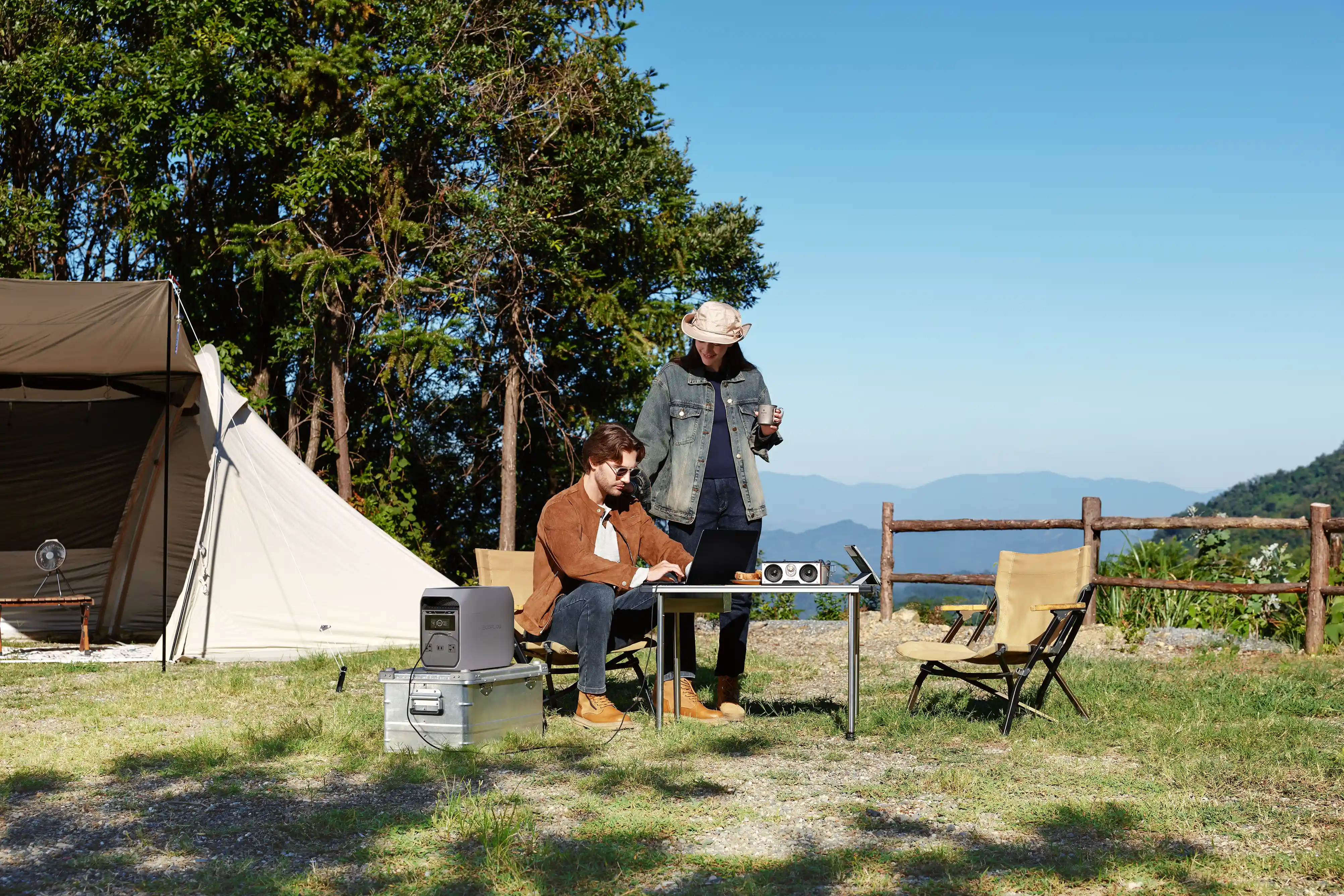
Choose the Right Camping Experience
Indoor camping is a controlled practice and connection. Outdoor camping is real environmental management. Use indoor camping to test comfort, routines, and family interest. Use outdoor camping to build nature skills, independence, and confidence with weather, food, water, waste, and legal campsite rules.
FAQs
Q1. Is Indoor Camping Good Practice for Outdoor Camping?
Yes, indoor camping is a useful practice for sleeping in a tent, organizing gear, using lanterns, and helping children understand camp routines. It does not replace outdoor skills such as site selection, weather planning, food storage, sanitation, navigation, or fire rules. Treat it as a low risk first step for everyone involved.
Q2. What Is the Main Difference Between Indoor and Outdoor Camping?
The main difference is environmental control. Indolow-riskor camping happens in a protected space with easy access to bathrooms, kitchens, and electricity. Outdoor camping requires decisions about weather, shelter, water, food safety, wildlife, darkness, terrain, and legal site use. The outdoor version demands more planning and responsibility from the very start.
Q3. What Things Do You Need to Go Camping Outdoors?
For outdoor camping, you need legal site access, shelter, sleep insulation, water, food, cooking gear, lighting, weather clothing, first aid supplies, navigation, trash storage, and a sanitation plan. Add local items such as bear storage, insect protection, fire permits, or extra water based on your chosen region and season, too.
Q4. Can Outdoor Camping Be Comfortable for Beginners?
Yes, outdoor camping can be comfortable when beginners start with mild weather, a developed campground, simple meals, and tested sleep gear. Comfort depends most on staying dry, sleeping warm, eating reliably, and knowing where bathrooms and water are. Avoid extreme weather and remote sites on a first trip with confidence.
Q5. What Indoor Camping Ideas Work for Adults?
Adults can use indoor camping to test gear, plan routes, practice no-electricity meals, learn basic knots, review first aid kits, or create a screen-free evening. It can also be useful for accessibility, bad weather, apartment living, or introducing pets to tents before an outdoor trip with a clear purpose.
Q6. Is Outdoor Camping Safe for Families?
Outdoor camping can be safe for families when the site, weather, gear, and activities match experience levels. Choose established campgrounds first, keep food stored correctly, supervise water and fire areas, carry first aid supplies, and set clear boundaries for children. Safety improves when routines are practiced before departure together safely.
Disclaimer
This article offers general recreation guidance, not professional safety, medical, or legal advice. Check current site rules and conditions through NPS camping guidance before making outdoor plans.
Food handling, weather exposure, and fire rules can create real risk outdoors. Review CDC food safety, local restrictions, and campground regulations before cooking or storing food at a campsite.
For press requests or interview opportunities, reach out to our media team
media.na@ecoflow.com