Off-Grid Living Power Solutions: Where to Start
- What Does Off-Grid Living Actually Mean?
- What Are the Core Components of an Off-Grid Power System?
- How Much Power Do You Actually Need?
- Should You Go Fully Off-Grid or Start With a Hybrid Setup?
- What Size Solar and Battery System Fits Your Situation?
- How Do Portable Power Stations Make Off-Grid Setups Easier?
- What Should You Consider Before Investing in Off-Grid Power?
- Frequently Asked Questions
- The Right Off-Grid Power System Turns Energy Independence Into Everyday Reality
Cutting ties with the utility grid sounds simple until you start asking how you'll keep the lights on, the fridge cold, and your devices charged. Off-grid power isn't just solar panels on a roof. It's a full system built around your actual energy habits, and getting the basics right from day one saves you money and headaches later.
What Does Off-Grid Living Actually Mean?
Off-grid living means your home generates and stores all the electricity it uses, with no connection to a public utility line. Everything from your lights to your water pump runs on power you produce yourself, usually through solar, sometimes paired with wind or a backup generator. This differs from a grid-tied home with battery backup, which still relies on the utility as a fallback.
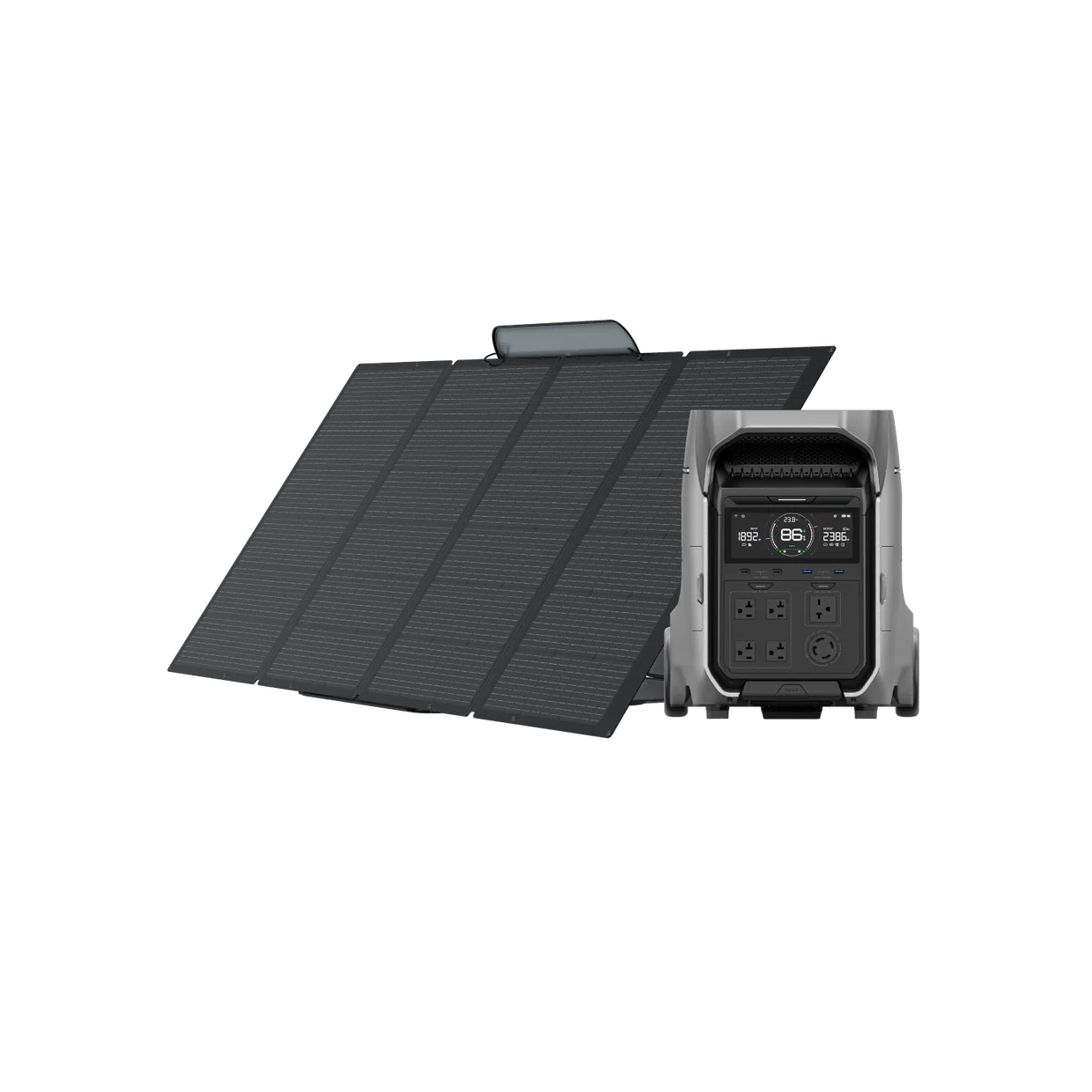
Getting there usually starts with a portable power station like an EcoFlow DELTA Pro 3+ 400W solar panel, which lets you test off-grid habits, like tracking daily usage and rationing power on cloudy days, before committing to a full build.
What Are the Core Components of an Off-Grid Power System?
Every off-grid system, whether it powers a cabin or a full-time residence, comes down to three core parts working together.
Solar Panels
Panels convert sunlight into DC electricity. Panel count and wattage determine how much energy you can generate daily, depending on your available space, local sun hours, and seasonal weather.
Batteries and Energy Storage
Batteries store the energy your panels produce so you have power after dark or during low sun. Capacity, measured in watt-hours, determines how long you can run your home without fresh solar input, so it's usually worth spending the most time getting this number right.
Inverters and Charge Controllers
Inverters convert DC electricity from your panels and batteries into the AC power your appliances use. Charge controllers regulate how much power flows into your batteries, protecting them from overcharging and extending their lifespan.
How Much Power Do You Actually Need?
Before buying anything, add up the wattage of everything you plan to run - refrigerator, lights, water pump, laptop, router, and seasonal loads like a space heater - multiply by daily hours of use, and build in an extra buffer for cloudy stretches or unexpected draws.
Fully off-grid solar-plus-storage systems for an average home often run $40,000 to $80,000 installed. Knowing your real usage before you shop keeps you from over- or under-buying capacity.
Should You Go Fully Off-Grid or Start With a Hybrid Setup?
Most people don't need to choose between fully off-grid and fully grid-tied on day one. A hybrid setup, running your fridge and essential outlets on solar and battery power while keeping the rest connected to the grid, lets you build experience before scaling up.
It also spreads out the cost: start with a power station sized for critical loads, then add panels and batteries as your budget grows. For homeowners weighing a bigger jump, sustainable home energy planning shows what a phased transition looks like.
What Size Solar and Battery System Fits Your Situation?
Sizing comes down to matching your daily watt-hour needs against realistic solar generation for your location and available battery capacity. A weekend cabin needs far less than a year-round residence running a well pump, refrigerator, and HVAC system.
As a rough guide, calculate your daily watt-hour needs, divide by your area's average peak sun hours, and size your panel wattage to cover that generation target with room for cloudy days. Battery capacity should cover at least one to two full days of usage without solar input, more in areas with frequent overcast weather.
How Do Portable Power Stations Make Off-Grid Setups Easier?
Portable power stations combine the battery, inverter, and charge controller into a single unit, removing much of the complexity of piecing together a system from scratch. You plug in solar panels, plug in your appliances, and the unit handles conversion and regulation automatically.
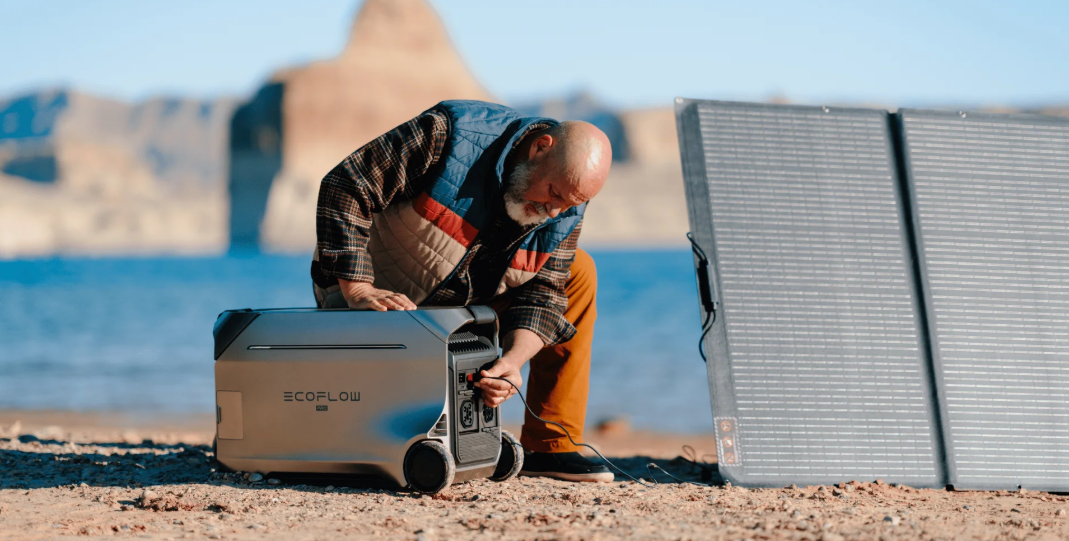
This makes portable setups a practical entry point for anyone testing off-grid living before committing to a permanent installation. A solar generator sized to your daily needs can run a fridge, charge devices, and keep lights on through an outage, without any electrical rewiring of your home. For those disaster-proofing rather than relocating, portable solar panels for disaster relief double as a resilient backup during severe weather.
What Should You Consider Before Investing in Off-Grid Power?
Before you commit real money, confirm your land is zoned for the use you intend and check whether local codes require a grid connection for a dwelling to be legally habitable. Rules vary widely by county - what's fine in a rural area may not fly in a suburban zone.
You'll also want to plan for maintenance, since panels need cleaning and batteries have a finite lifespan. If you're powering an entire house rather than a cabin, a whole home backup power solution shows what a full-scale system involves, with a comparison of six best solar generators as a further reference.
Frequently Asked Questions
How Much Does It Cost to Set Up Off-Grid Power?
Costs vary widely based on system size and battery capacity, but a full off-grid solar-plus-storage setup for an average home typically runs $40,000 to $80,000 installed. Smaller setups built around a single power station and a couple of solar panels can start in the low thousands, making them a realistic entry point.
Can You Live Off-Grid With Just Solar Panels?
Not comfortably. Solar panels only generate power while the sun is out, so you need battery storage to keep appliances running at night or during cloudy stretches. An inverter is also required to convert stored DC power into the AC electricity your home's outlets and appliances use.
Is Off-Grid Living Legal in the US?
There's no federal ban on generating your own power, but legality depends on local zoning, building codes, and health regulations. Some areas require a grid connection for a home to be considered habitable, while rural counties are often more flexible. Always check with local planning and building departments first.
The Right Off-Grid Power System Turns Energy Independence Into Everyday Reality
Sizing your power needs correctly, whether you're running a weekend cabin or a full-time off-grid residence, is what separates a setup that works from one that leaves you scrambling on a cloudy stretch. Start by tallying your real daily usage, then match your panels and battery capacity to that number instead of guessing.
If you're still deciding how far to take it, an EcoFlow DELTA Pro 3+ 400W solar panel setup is a way to test the habits before building anything permanent.
For press requests or interview opportunities, reach out to our media team
media.na@ecoflow.com