Lumens to Watts Conversion: How to Compare Bulbs and Calculate Your Lighting Needs
- Lumens vs. Watts: What Each Measurement Means
- Why There's No Exact Lumens-to-Watts Conversion
- Lumens-to-Watts Conversion Chart for Common Bulb Types
- How to Calculate Your Lighting Needs for Any Room or Task
- Choosing Efficient Lighting for Lower Bills and Better Backup Planning
- Frequently Asked Questions
- Choose Brighter, More Efficient Lighting
Lightbulbs have long been rated in watts, but watts measure energy consumption, not brightness. That's where lumens come in. Understanding the difference helps you choose the right bulb for any space, compare incandescent and LED options accurately, and plan how much power your lighting actually draws.
Lumens vs. Watts: What Each Measurement Means
Watts measure how much energy an item consumes, whether that’s a phone, a refrigerator, or a light bulb. A 60W bulb doesn’t tell us anything about brightness, just that it consumes 60W of power continuously when turned on.
Since we’ve used watts for so many years, we still tend to use this measurement today. However, the shift to LED has completely changed how we should read bulb labels, and the watts of incandescent bulbs vs. LEDs are vastly different for the exact same amount of light.
Enter lumens, which measure visible light as perceived by the human eye. The higher the lumens, the brighter the light. While light manufacturers are beginning to list both values, not all do, and it’s going to take time for everyone to start thinking about light in lumen output instead of watt consumption.
So for now, both terms are still widely used.
That distinction matters for backup power planning. If you’re sizing a portable power station for outages, wattage (not lumens) determines how long your lights can run.
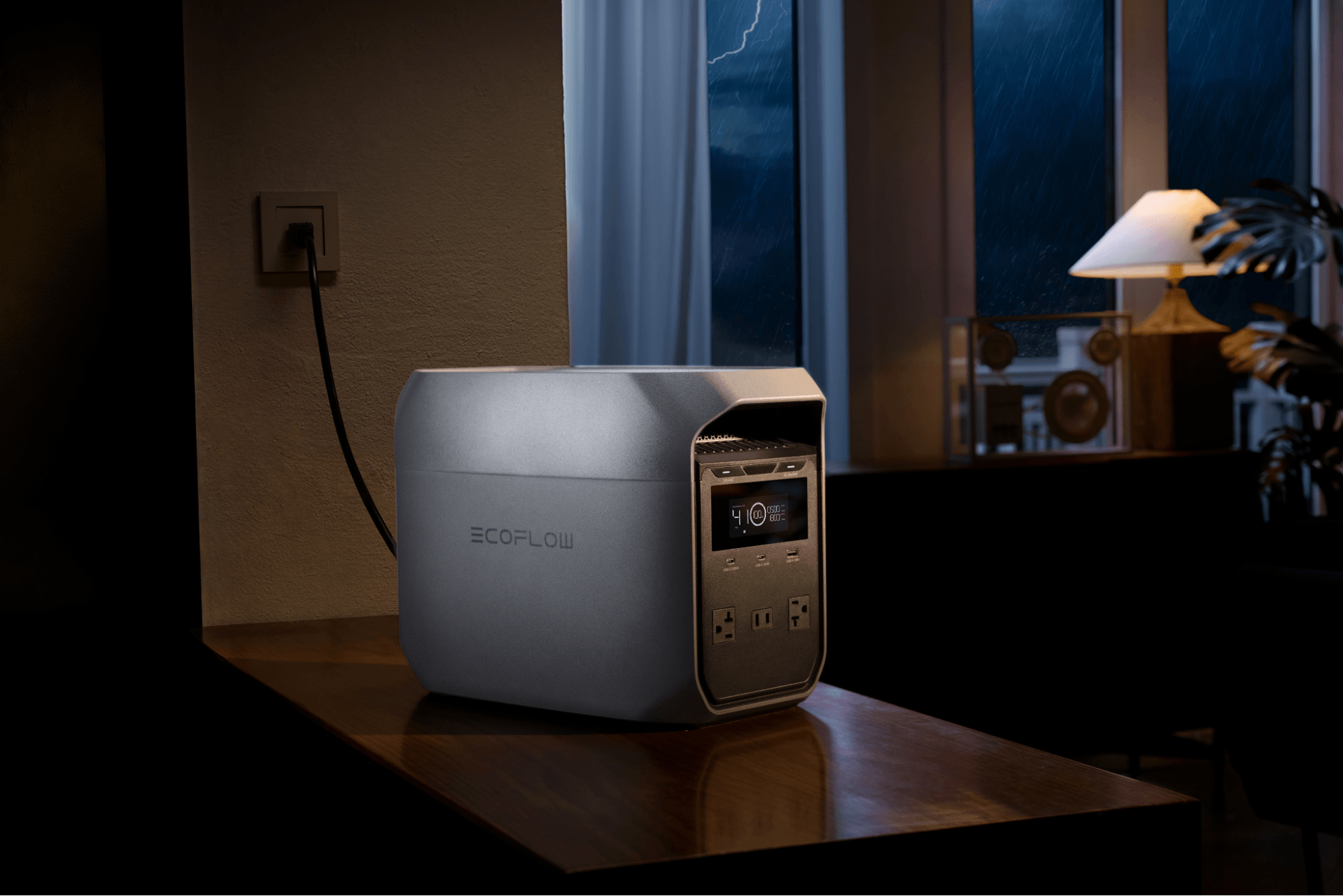
A 9W LED draws significantly less from a battery than a 60W incandescent would, which directly affects runtime. A portable power station like the EcoFlow DELTA 3 Classic can run multiple LED lights for extended periods precisely because of that efficiency gap.
Why There's No Exact Lumens-to-Watts Conversion
Unlike calculating BTU from watts, where you can estimate power by considering thermal units over time, there’s no single equation to accurately convert between lumens and watts. This is because lumens measure how much visible light the human eye sees, and watts measure power consumption.
The relationship between the two depends on luminous efficacy, or how efficiently the bulb converts electricity into light instead of wasting it as heat, which varies enormously with the bulb.
That said, you can estimate wattage if you know a bulb's luminous efficacy, the ratio of light output to energy consumed, measured in lumens per watt (lm/W):
Watts = Lumens ÷ Luminous Efficacy (lm/W)
Lumens-to-Watts Conversion Chart for Common Bulb Types
While exact conversions don’t exist, you can use this chart (based on ENERGY STAR®’s resources) to estimate values for different bulbs. Note that these values are approximate and vary by brand and model.
Lumens | Incandescent Watts | LED Watts |
250 | 25 | 4–5 |
450 | 40 | 9–13 |
800 | 60 | 13–15 |
1100 | 75 | 18–25 |
1600 | 100 | 23–30 |
2600 | 150 | 30–52 |
How to Calculate Your Lighting Needs for Any Room or Task
When we think of lighting, we still default to choosing the right light wattage. While critical when planning backup power, wattage won’t tell you how much light you need for a room.
Fortunately, you can easily estimate how much light you need by considering the size and purpose of the room. Different spaces require different amounts of light. The US Department of Energy suggests:
Living rooms and bedrooms need about 10–20 lumens per square foot.
Kitchen and dining rooms need about 75–80 lumens per square foot.
The IES also recommends that open and private offices need about 30–50 lumens per square foot.
So, to estimate:
Total Lumens Needed = Area (sq. ft.) x Target Lumens per sq. ft.
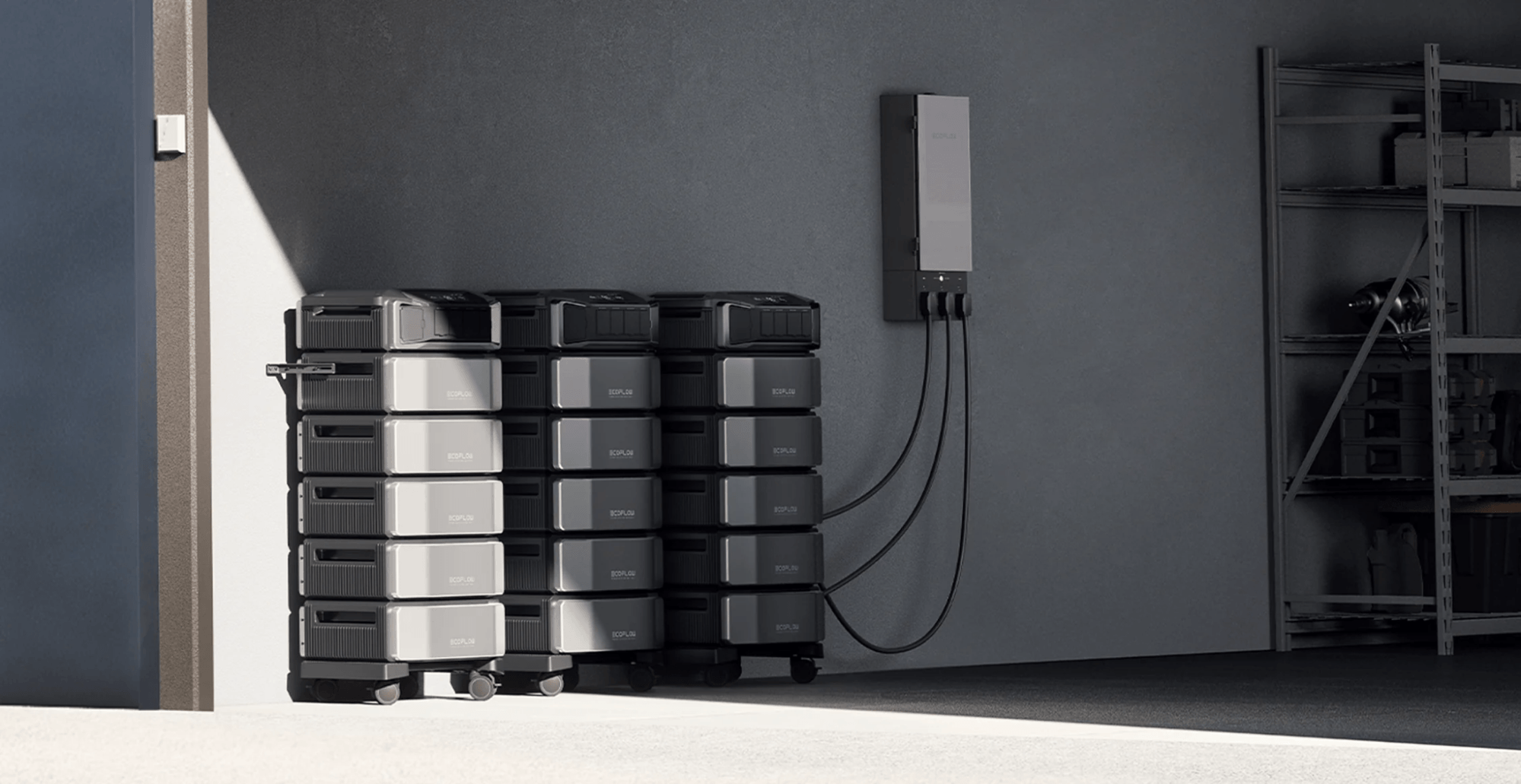
Lumens tell you how much light a space needs, but wattage still matters when you're planning power. If you're sizing a whole-home generator, you'll need the wattage figures for your bulbs, not the lumen output. Individual LEDs draw very little, but across an entire home, total consumption adds up.
Choosing Efficient Lighting for Lower Bills and Better Backup Planning
There are plenty of reasons why everyone is switching to LED lights. They cut electricity bills and run cooler than incandescent bulbs, reducing heat buildup and fire risk in the home.
However, choosing efficient lighting based on wattage is also essential when considering your whole home backup power solution. More efficient lighting means you have more power for other essentials like refrigeration, climate control, and medical equipment like CPAP machines.
Knowing your light bulb energy use is critical when using portable power stations. If you have a portable power station for home backup, traveling, or anywhere you need lights without power, choosing LEDs means you can run them longer and use a smaller power station to do so.
Frequently Asked Questions
How Do I Convert Lumens to Watts for LED Bulbs?
While you can't make an exact lumens-to-watts conversion because they measure different things, you can estimate wattage using luminous efficacy: Watts = Lumens ÷ Efficacy (lm/W). Since efficacy varies by bulb type, any result is an approximation. For precise wattage, check the manufacturer's label.
Why Can Two Bulbs with the Same Lumens Use Different Watts?
Different types of bulbs (incandescent, halogen, LED), manufacturers, and models can all consume very different amounts of power (watts) yet produce the exact same lumens since light output is determined by the luminous efficacy of the bulb, not its watt consumption.
How Many Lumens Do I Need Per Room?
Living rooms and bedrooms need about 10–20 lumens per square foot, while kitchens require 75–80 lumens per square foot. Home offices and workspaces typically need 30–50 lumens per square foot. Multiply your room's square footage by the target range to estimate total lumens needed.
Can EcoFlow Portable Power Stations Run Multiple LED Light Bulbs?
Yes, an EcoFlow portable power station can run multiple LED light bulbs, including compact models for traveling or camping because LEDs use such low wattage. Be sure to choose a capacity that matches your runtime goals.
Choose Brighter, More Efficient Lighting
Incandescent bulbs are increasingly obsolete, and few are sad to see them go. They’re inefficient and create more fire risks in the home. However, LED lights are bright, more efficient, use far less power, and typically last many years longer, making them far more affordable, sustainable, and safer in the long run.
If keeping the lights on during an outage is a priority, LED efficiency works in your favor; you can run more lights for longer on a single charge. A portable power station like the EcoFlow DELTA 3 Classic is well-suited for keeping essential lighting and small devices running when the grid goes down.
For press requests or interview opportunities, reach out to our media team
media.na@ecoflow.com