How to Reduce Your Electric Bill: Proven Ways to Cut Costs This Summer
- Start With a Quick Home Energy Check to Find the Biggest Summer Drains
- Cut Cooling Costs First: Thermostat, Airflow, and Smarter A/C Use
- Block Heat Before It Enters: Shade, Curtains, Sealing, and Night Cooling
- Reduce Hidden Usage: Appliances, Hot Water, Laundry, and Phantom Loads
- Lower Your Rate, Not Just Your Usage: Off-Peak Scheduling, Programs, and Home Energy Management
- Frequently Asked Questions
- Save More This Summer With Smarter Habits and Reliable Backup Options
Summer heat means air conditioning is working overtime. Since increased cooling drives your electric bill up significantly, you’re likely looking for ways to keep those costs down.
With a combination of energy-efficient habits, investments, and strategies, you can see meaningful savings on your summer electric bill.
Start With a Quick Home Energy Check to Find the Biggest Summer Drains
Before making any major changes, ensure the investments you make can actually help cut electricity costs this summer.
First, understand where your electricity is going. Most utilities offer usage data that shows when your home draws the most power. If usage spikes in the afternoon, your AC may be running hard to combat peak heat. Compare the usage data with your own consumption habits to potentially identify appliances drawing the most power.
A plug-in energy monitor allows you to measure individual appliances for an accurate daily watt-hour reading. These small devices can reveal which appliances are drawing the most power.
A home energy audit can help identify areas of inefficiency and propose solutions. Solutions may include:
Sealing air leaks.
Adding insulation.
Replacing aging appliances.
Installing energy-efficient windows.
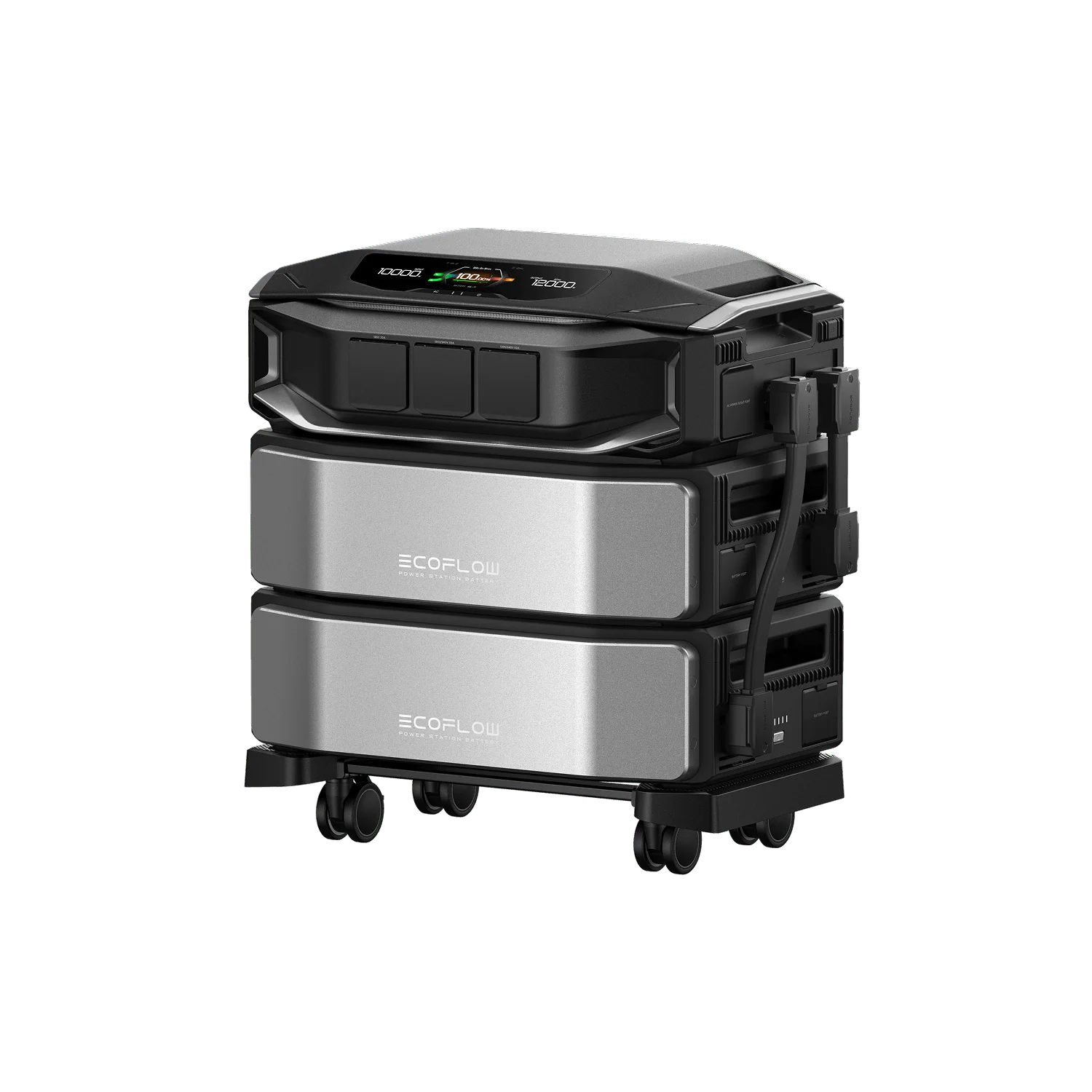
For a more automated approach, the EcoFlow DELTA Pro Ultra X Whole-Home Backup Power monitors your home's energy consumption in real time and can shift charging and discharging around your usage patterns to help lower what you pay.
Cut Cooling Costs First: Thermostat, Airflow, and Smarter A/C Use
Your central A/C unit is typically the largest driver of electricity costs. A/C maintenance is important for cooling efficiency, as something as simple as a dirty air filter can force your system to work harder.
Setting your thermostat at a temperature that is just comfortable enough and raising it when you’re away from home can strike a balance between comfort and savings. A smart thermostat can automate these changes without requiring manual adjustments. Consider closing vents in rooms that are rarely used to direct cool air where it’s needed most.
Airflow also creates a cooling effect that can make higher temperatures more bearable. Ceiling fans use significantly less power than A/C units and can improve comfort in temperatures that would otherwise be unbearable.
Block Heat Before It Enters: Shade, Curtains, Sealing, and Night Cooling
Preventing heat from entering your home in the first place is more efficient than cooling it after the fact.
South- and west-facing windows receive the most direct sun and are a major source of solar heat in most homes. Installing blackout curtains or cellular shades on these windows and closing them before noon can lower indoor temperatures and reduce how hard your A/C works.
Air sealing is an often-overlooked but cost-effective improvement. Gaps around windows and doors allow hot air to enter. Weatherstripping, caulking, and expanding foam can seal cracks and gaps to reduce air infiltration.
Nighttime temperatures typically drop significantly below daytime highs. Night cooling is a passive cooling strategy using nighttime ventilation to release heat trapped inside a home. Opening windows on opposite sides of the house creates cross-ventilation that expels heat and cools your home.
Reduce Hidden Usage: Appliances, Hot Water, Laundry, and Phantom Loads
Loads unrelated to cooling also drive up electric bills. Water heating is a major culprit in energy costs. Lowering your water heater to 120°F saves energy and reduces the risk of scalding. Low-flow showerheads can also reduce the amount of hot water used.
Laundry habits also impact electricity costs. Washing in cold water saves significant energy. A half-full washer or dryer is less efficient than a full one. Run your washer and dryer during off-peak hours, and consider air drying to eliminate dryer energy.
Phantom loads, or the electricity drawn by devices that are plugged in but not actively being used, also increase utility bills. Televisions, gaming consoles, and cable boxes are the most common offenders. Smart power strips will automatically cut power to devices when they detect that the devices are turned off.
Lower Your Rate, Not Just Your Usage: Off-Peak Scheduling, Programs, and Home Energy Management
Reducing energy usage is only half of cutting your electric costs. The other half is changing what you pay per kWh.
In deregulated energy markets, shopping for a lower-rate plan during spring or fall can lock in savings before summer and winter demand peaks. Texas, for instance, is one of the most competitive deregulated markets in the country; switching plans before summer can make a meaningful difference on your bill.
In regulated markets, consult your utility about available rate options. Tiered rates or time-of-use plans may complement your consumption habits.
If your household meets income eligibility requirements, the Low Income Home Energy Assistance Program (LIHEAP) can help cover a portion of your heating and cooling expenses. Utilities often offer hardship programs that can help reduce monthly bills.
A direct load control (DLC) program is a voluntary program that allows utility providers to remotely manage high-demand appliances during peak energy periods in exchange for bill credits.
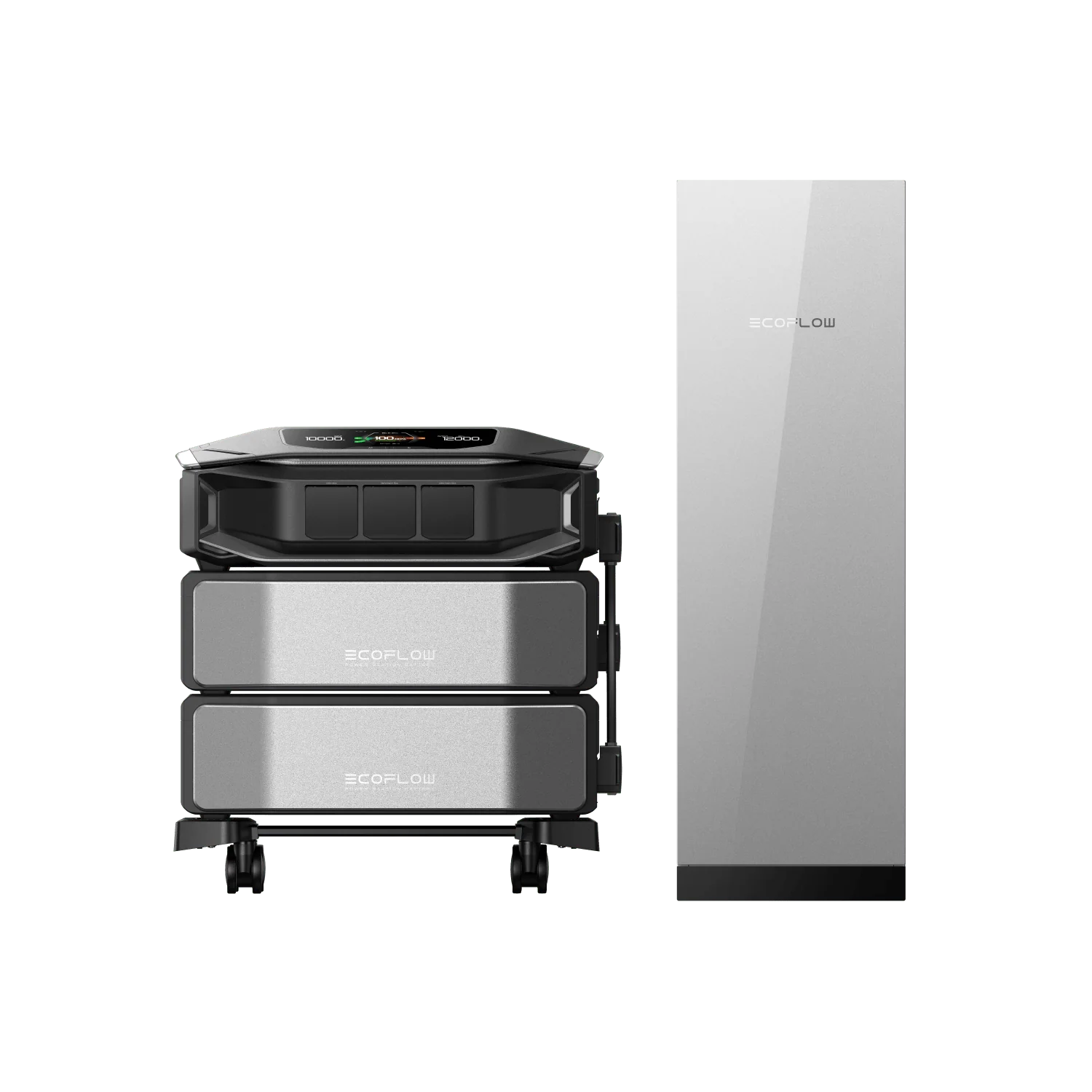
A home energy management system (HEMS) is a smart technology system that monitors and optimizes how electricity is used in your home. The EcoFlow DELTA Pro Ultra X + Smart Home Panel 3 delivers whole-home battery backup while optimizing energy usage by charging during off-peak hours and discharging when rates are high.
Frequently Asked Questions
How Much Can Raising My Thermostat in Summer Actually Save?
According to the U.S. Department of Energy, adjusting your thermostat by 7–10°F from its normal setting for 8 hours a day can save up to 10% on annual cooling and heating bills [1]. This translates to roughly $24, depending on the size of your home and utility rates.
Do Ceiling Fans Reduce Electricity Use or Just Make You Feel Cooler?
Ceiling fans don’t lower the air temperature but rather create a cooling effect that makes you feel cooler. Their value comes from allowing you to raise your thermostat a few degrees without losing that feeling of comfort.
What Is a Direct Load Control Program, and Will I Get Bill Credits?
A DLC program is a voluntary program run by utility providers where they can briefly cycle off high-demand appliances during peak energy events. In exchange, the customer receives bill credits.
Can a Solar Generator Meaningfully Reduce My Electric Bill in Summer?
A solar generator can offset specific loads and reduce your summer electric bill. However, because the bulk of your summer bill comes from air conditioning, you would need a very large array of solar panels to achieve a significant reduction.
Save More This Summer With Smarter Habits and Reliable Backup Options
Cutting down on electricity costs doesn’t require major renovations. Identifying your largest loads and making meaningful changes can shave off several dollars from your monthly bills. Reducing your bill also reduces grid strain.
If you want to go further, the EcoFlow DELTA Pro Ultra X lets you charge during off-peak hours and discharge when rates are high, reducing what you pay and keeping your home running if the grid goes down.
References:
[1] https://www.energy.gov/energysaver/programmable-thermostats
For press requests or interview opportunities, reach out to our media team
media.na@ecoflow.com