Lithium-Ion Battery Safety: How to Use, Store, and Charge Batteries Safely
Lithium-ion batteries are used to power almost everything these days. Smartphones, cordless power tools, RV power stations and whole-home energy backup setups all use lithium-ion batteries. These high-energy cells are remarkably efficient and deserve respect and proper handling. This complete guide identifies the main areas of risk when using batteries along with simple everyday safety habits. It also gives you smart charging protocols, long-term storage guidelines, and early warning signs to be aware of to avoid a hazardous event.
Why Is Lithium-Ion Battery Safety Important?
Lithium-ion batteries are the most common battery type used in everything from power tools and e-bikes to home energy storage systems. Users don’t think much about caring for their batteries, but if they are used improperly it can present some risk. If lithium-ion batteries are damaged or exposed to extreme temperatures there is increased risk of battery failure and thermal runaway. Prioritizing the safety of lithium-ion batteries enables users to spot potential hazards early and prevent dangerous situations.
Internal Battery Defects and Failures
The risk of battery failure is not only due to how they’re used, but also from manufacturing defects. Sometimes there are metallic particles or damaged separators inside a cell that can create internal short circuits. These faults can generate excessive heat and, in severe cases, trigger thermal runaway in lithium-ion batteries.
Improper Usage and Charging Habits
Your battery charger and how you charge also affects your battery’s safety and lifespan. Physical impacts, incompatible or low-quality chargers, and pushing equipment beyond its limits can damage internal components and increase the risk of failure. Understanding how to charge lithium ion-battery equipment safely using manufacturer-recommended chargers ensures long-term cell stability.
Environmental Conditions and Heat Exposure
Extreme high or low temperatures can affect lithium-ion batteries. Prolonged exposure to heat accelerates chemical degradation and can increase internal pressure. On the other end, charging in freezing conditions can cause lithium plating on the anode. This can permanently damage the cell. Keep batteries away from excessive heat and avoid charging them outside the manufacturer’s recommended temperature range.
What Are the Safe Ways to Use Lithium-Ion Batteries?
If you follow a few practical precautions, you can be sure to get maximum performance from your batteries without compromising safety.
Check Battery Condition Before Use
Take time to do a quick visual inspection of your battery before turning on your equipment. It’s quick and easy to check your batteries’ contacts and case before sliding it into position. Before using your lawnmower or packing a power bank for a trail hiking trip, check for subtle warning signs. These include a possible crack in the outer shell, deep scratches, swollen seams, or loose electrical contacts. If a battery has taken a hard fall off a workbench, check it closely for hidden hairline cracks before putting it back on the charger.
Keep Batteries Away From Heat
When you are using battery powered equipment, make sure you don’t place them next to direct heat sources. This especially applies when using power banks, laptops, or portable energy hubs. Don’t use them directly next to campfires, space heaters, or under direct sunlight on a hot patio. Try to keep good air circulation around equipment to prevent internal temperatures from rising into dangerous territory.
Avoid Physical Damage During Use
High-capacity batteries need the same type of care you would give to delicate electronics. If you are transporting portable power gear such as a portable power station or 12V lithium-ion battery system in an RV, pickup, or SUV, make sure the equipment is secure. Properly securing the unit during transit prevents it from sliding around and experiencing physical impacts. Avoid puncturing, crushing, or exposing battery packs to excessive vibration, which could damage internal cell layers.


How Should You Charge Lithium-Ion Batteries?
When you charge, chemical activity inside the battery is highest which makes it the most critical window for safety oversight. Always using proper charging protocols will protect the physical integrity of the battery’s cells. Your financial investment in high-performance power gear will also last longer and be safer.
Follow Safe Charging Practices
Portable power stations are commonly used for camping trip setups, RV boondocking, or home emergency backup power. To safely charge your equipment, follow proper charging practices and use devices with built-in protection features. Users need to follow standard charging practices like using original manufacturer power cords and placing gear on flame-retardant surfaces. Users can also rely on built-in battery monitoring features to track operating status and battery performance. Portable power stations go through frequent charge and discharge cycles especially during cross-country road trips and seasonal power outages. Tracking battery health continuously is essential. For example, advanced units like the EcoFlow DELTA 3 Max Plus Portable Power Station use LFP (Lithium Iron Phosphate) battery chemistry combined with an integrated smart Battery Management System (BMS). This combination continuously monitors key battery parameters, including state of charge, state of health, and temperature. The EcoFlow DELTA 3 Max Plus provides reliable portable power for camping, road trips, and home backup applications.
| Parameter / Feature | Standard Li-ion (NMC) | Advanced LFP (LiFePO4) |
|---|---|---|
| Thermal Runaway Threshold | ~410°F (210°C) | ~518°F (270°C) – Exceptional Thermal Stability |
| Cycle Life (to 80% Capacity) | ~1,000–2,000 cycles | ~3,000 – 4,000+ cycles |
| Chemical Stability | Moderate (Releases Oxygen during runaway) | High (Stable olivine structure with lower oxygen release tendency) |
| Integrated Battery Management System (BMS) Protection | Standard Protection Circuitry | Smart Real-Time BMS & Multi-Point Thermal Monitoring |
| Ideal Applications | Compact handheld electronics | Camping, RVs, Home Backup Power |
Note: Thermal runaway and chemical stability data are based on lithium-ion battery safety research published in the Journal of Power Sources. Cycle life values represent typical ranges for lithium-ion batteries and may vary depending on cell design, operating conditions, and manufacturer specifications.
Charge Batteries in Suitable Temperatures
Always charge your batteries in room-temperature environments, ideally between 50°F and 86°F. Never charge a battery that has been sitting in sub-freezing outdoor winter temperatures or left inside a hot car trunk for hours. Allow the battery pack to adjust to moderate indoor temperatures first. Charging within safe temperature windows preserves cell chemistry and helps keep your home backup power system reliable when unexpected grid outages occur.
Avoid Overcharging Lithium-Ion Batteries
It is good practice to unplug chargers once your devices reach full capacity. You may also be able to rely on intelligent charging hardware designed to prevent continuous trickle overcharging. Most newer devices have automatic cut-offs, but leaving older or uncertified chargers powered indefinitely can stress battery management circuitry over time. When this happens, extra heat is generated and it shortens the battery’s overall lifespan.
How Should You Store Lithium-Ion Batteries?
Storing lithium-ion equipment correctly preserves cell health and eliminates off-season hazards. This applies whether you’re putting seasonal gear away till next year, or getting them ready to use.
Store Batteries in Cool Places
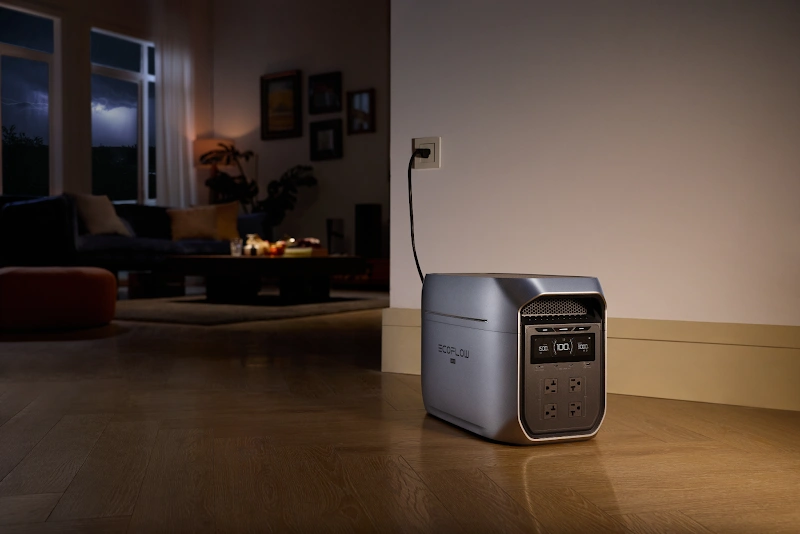
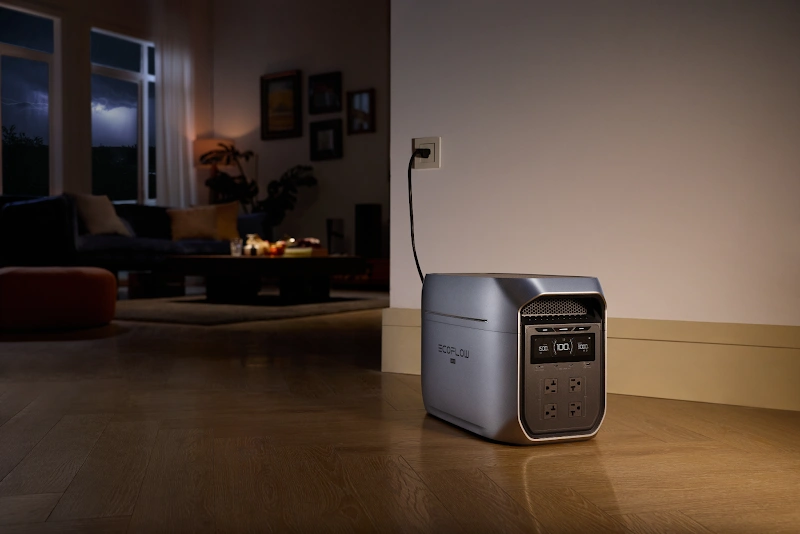
Avoid prolonged exposure to high temperatures during storage. This is essential for extending battery lifespan and ensuring stable, safe operation. Small electronics like flashlight packs, digital camera batteries, or handheld tools simply require a clean, dry, indoor shelf or cabinet. Whole-home power backup systems, however, require even greater attention to temperature management. To supply consistent energy during extended emergency periods, systems like the EcoFlow DELTA Pro Ultra Whole-Home Backup Power use industrial-grade LFP battery chemistry, a smart BMS, and X-Cooling technology. This integrated cooling system helps manage heat during demanding charging and discharging conditions. The EcoFlow DELTA Pro Ultra is designed to provide reliable operation for large-capacity residential backup applications.
Keep Batteries at Proper Charge
Do not store lithium batteries completely drained or fully topped off at 100% for many months while not in use. Storing a battery at 0% can cause it to drop into a deep-discharge state and its internal protection circuits may stop functioning properly. Leaving the battery at 100% for long periods creates high internal mechanical stress. The recommended range for long-term storage is around 50% to 60% charge level. It’s good practice to check inactive batteries every 3 to 6 months and top them back up to mid-level if needed.
Protect Batteries From Moisture Exposure
Humidity and moisture are quiet enemies to battery safety. Store your equipment in dry indoor locations far from potential water leaks, damp basements, or high-humidity sheds. Water penetration can corrode external terminals and short-circuit sensitive internal microchips. This can cause unpredictable electrical behavior when the device is finally turned on.
What Are the Signs of an Unsafe Lithium-Ion Battery?
Be aware of common warning signs that your battery has been damaged or compromised. If there are any issues, you can take action before a small defect escalates into a fire hazard. If you have some damaged batteries, it’s best to replace them quickly to keep your home safe.
Look for Battery Swelling Signs
Swelling is a clear indication that internal chemical breakdown has occurred and is producing gas trapped inside the cell casing. If this happens, replace the battery immediately. If the battery casing on your smartphone, drone, or portable power station looks bulged, warped, or pushes open physical seams, immediately stop using and charging the device. Never attempt to puncture or press down on a swollen battery pack.
Notice Unusual Heat or Odors
A battery that feels excessively hot to the touch while sitting idle or during normal charging demands immediate attention. Similarly, if you detect a sweet, metallic chemical scent, burning plastic odor, or notice smoke coming from the device, immediately disconnect the charger. If it’s a backup battery on a separate circuit breaker, switch the breaker off. Then move the equipment to an outdoor space away from flammable materials.
Notice Charging Problems or Failures
Pay attention to any erratic charging behavior. Warning signs include a battery that takes ten times longer than usual to charge, drains from 100% to zero in minutes, or continuously causes charger fault indicator lights to flash red. This means the internal cells or BMS board may be severely degraded. Replace any such units responsibly at an authorized battery recycling drop-off point and don’t force them to operate.
Conclusion
Lithium-ion batteries have revolutionized the way Americans power their lives. They are compact and portable and perfect for weekend camping adventures, flexible energy on cross-country RV road trips, and reliable backup power during grid outages. To be safe, always handle and use batteries properly, and use smart habits, such as checking your battery for damage. Be sure to charge batteries properly, keep your gear cool, and store equipment at moderate charge levels. When you choose intelligent, LFP-powered systems with built-in thermal management like EcoFlow’s DELTA series, you can enjoy clean, portable energy with total peace of mind.
FAQ
Is It Okay to Leave Lithium Batteries on the Charger Overnight?
Yes, it is generally safe for modern devices with built-in protection circuits, but it is not recommended as a regular habit for older or off-brand gear. Standard modern electronics stop drawing current once fully charged, yet leaving chargers connected continuously on soft surfaces like bedding or near flammable materials adds unnecessary risk if a charger malfunction ever occurs.
How Long Can a Lithium Battery Sit Unused?
A healthy lithium-ion battery can sit unused for 3 to 6 months without significant harm if stored at roughly 50% charge in a cool place. Beyond 6 months, natural self-discharge will slowly lower the cell voltage, so it is best practice to inspect and recharge stored batteries back to 50% twice a year.
Can Lithium-Ion Batteries Catch Fire Even When Completely Discharged?
Yes, a seemingly “discharged” battery still retains residual chemical energy and can catch fire if physically punctured or exposed to severe external heat. Even when a device indicates 0% battery, internal voltage remains; crushing or puncturing the cell can cause internal short-circuiting and localized heating.
Is It Okay to Store Lithium Batteries in the Garage?
Storing lithium batteries in an unconditioned garage is acceptable in mild weather, but highly discouraged during freezing winter cold or severe summer heat. Temperature swings in typical American garages can exceed safe operating thresholds, accelerating cell degradation and increasing moisture condensation risks.
For press requests or interview opportunities, reach out to our media team
media.na@ecoflow.com