Labor Day Trip Ideas: Camping, RV & Outdoor Getaways
Labor Day weekend is a popular time for one last summer trip before school schedules, fall activities, and shorter days settle in. Camping, RV travel, scenic drives, and nearby outdoor getaways can all work well for a three-day weekend, provided the destination fits the time available.
Holiday traffic and limited campground availability can make last-minute travel difficult. Weather can also vary widely across the country in early September, so a successful trip requires more than choosing a destination. Planning the route, reserving a campsite, packing for local conditions, and preparing enough portable power can help make the weekend safer and easier to manage.
What Are the Best Labor Day Weekend Trips?
The best Labor Day trips aren’t always to the places with the biggest names. For a short weekend, the sweet spot is somewhere you can reach with daylight left to unpack, make dinner, and enjoy being there.
National Park and Campground Getaways
National parks are popular choices, but state parks, national forests, county campgrounds, and other public recreation areas are also worth considering. Many offer hiking trails, access to lakes or rivers, wooded campsites, and other outdoor activities, often closer to home and with a shorter drive.
Where you look depends on where you live. Travelers in the Northeast might head toward Pennsylvania or upstate New York. Families in the Midwest have the Great Lakes plus plenty of smaller inland lakes. In the West, a long weekend might mean a mountain campground, a high-desert landscape, or a forest close to home.
Once you find a promising spot, read the actual campground page. Photos won’t tell you whether there’s drinking water, whether fires are allowed, or how far you’ll walk to the restroom. The National Park Service camping guide recommends reviewing rules and facilities before arrival. Also check park alerts for road closures, fire restrictions, and last-minute changes.
RV Road Trips and Scenic Drives
An RV handles transportation, beds, a kitchen, and shelter when the weather turns. That convenience can tempt people to cram too much into the schedule. Don’t turn your weekend into a delivery route.
For most three-day trips, one scenic drive and a two-night stay beats breaking camp every morning. You’ll spend less time leveling, connecting, and hunting for the next site. More time outside, too.
Lakeside, Mountain, and Coastal Getaways
Before paying for a reservation, confirm the site’s length limit, electrical hookup, water access, dump-station availability, and generator hours as part of your RV trip checklist. Owners of larger rigs should look beyond the campground itself. Low clearances, steep grades, tight turns, limited gas stations, and cramped parking lots can turn an easy car route into a stressful tow.
Water and mountain destinations give a group options. Hike in the morning, swim or paddle after lunch, then cook outside when the heat fades. Nobody has to agree on one activity all weekend
Southern lakes can still feel like midsummer in early September. Mountain temperatures may fall quickly after sunset. Atlantic and Gulf Coast plans need a close eye on tropical weather, while Pacific beaches are often much cooler than nearby inland areas.
Check water conditions before swimming or launching a boat, and wear a properly fitted life jacket while boating or paddling. The NPS seasonal camping guide explains how weather, crowds, and campground services can change late in the season.
Short Outdoor Getaways Close to Home
There’s no prize for crossing a state line. A campground 90 minutes away may give you a better weekend than a famous park that takes seven hours to reach in holiday traffic.
Look at nearby state parks, county parks, reservoirs, and trail systems. Staying close cuts fuel costs and makes a late Friday departure much easier. It also takes some pressure off Monday, especially when Tuesday morning comes with school drop-off, work, or both.
No overnight site? Pack lunch, rent a kayak, take a day hike, or stay for sunset. You still get out of town without unloading an entire campsite on Monday night.
How to Choose the Best Labor Day Trip for Your Weekend
Start with what travel photos leave out. When can you honestly leave? How long will the kids tolerate the car? What does everyone need to sleep well and have a decent time?
Match the Destination to Your Available Time
Count usable hours, not days on the calendar. If work keeps you home until late Friday, a five-hour drive is probably too ambitious. For two or three nights, choose one base camp and let the car stay parked.
Three to five hours is a reasonable upper limit for many travelers, not a goal. Go shorter if the route crosses a busy metro area or vacation corridor.
New campers and families with small children may appreciate potable water, flush toilets, showers, and a camp store. That store becomes surprisingly valuable when someone forgets batteries or tent stakes. Experienced campers can consider remote sites if they’re ready for wildlife, permits, rough roads, and limited services.
Check Campground and RV Site Availability Early
Labor Day isn’t a great weekend to arrive and hope for the best. Popular sites may be gone long before September, so check the official reservation system once your dates are firm.
Read every listing closely. “Standard campsite” is a booking category, not a guarantee of shade, electricity, water, or space for a trailer. Site photos help, but the listed dimensions and equipment limits matter more.
If your first choice is full, watch for cancellations and newly released inventory. Sunday night sometimes opens up as the main crowd leaves. Don’t improvise overnight RV parking, though. A visitor-center lot or roadside pullout isn’t automatically a legal campsite. Yosemite’s campground rules, for example, direct overnight RV campers to designated standard or RV sites.
Consider Weather and Seasonal Conditions
September doesn’t mean fall weather everywhere. Arizona and inland California may still be extremely hot, while the Rockies can turn cold at night. The Southeast may see thunderstorms or tropical systems. In the dry West, watch for wildfire smoke and burn bans.
Check the forecast before you leave, and if severe weather could also affect your area while you’re away, make sure your backup power setup is ready before the trip. A backup plan helps. That could be a lower-elevation trail, an indoor stop, a different beach, or a route that avoids a smoky area. Changing plans is annoying; spending the weekend in unsafe conditions is worse.
Balance Driving Distance, Crowds, and Budget
Popular national parks often have long entrance lines, crowded parking areas, and busy trails. These delays may be manageable during a regular week, but on a three-day holiday weekend, they can take up a significant part of the limited time available.
A less famous park close to home buys something valuable: time. You may also spend less on gas and tolls.
Before booking, total the campsite, admission, fuel, tolls, food, ice, firewood, and rentals. Groceries from your usual store will cost less than resort-town shopping. Keep the menu simple. Sandwiches, breakfast burritos, and foil-packet dinners travel well and don’t leave a mountain of dishes.
What Should You Pack for a Labor Day Trip?
Pack from the campsite description and forecast, not from memory. A full-hookup RV site and a tent pad without water or electricity need very different lists, especially if you plan to bring a solar panel for off-grid charging.
Camping and Sleeping Gear
Start with the basics: a tent sized for your group, a footprint, stakes, sleeping bags, sleeping pads, camp chairs, headlamps, and a rain cover or shelter. Taking a new tent? Set it up at home first. Discovering a missing pole after dark is a lousy way to begin the weekend.
For younger campers, a favorite blanket, stuffed animal, or small night-light takes little room and makes an unfamiliar campsite feel less strange.
When you arrive, look up before looking down. Avoid dead branches, then find level ground away from low spots where water collects. Keep sleeping and cooking areas separate. Consider flood, wind, lightning, and tree hazards before the stakes go in.
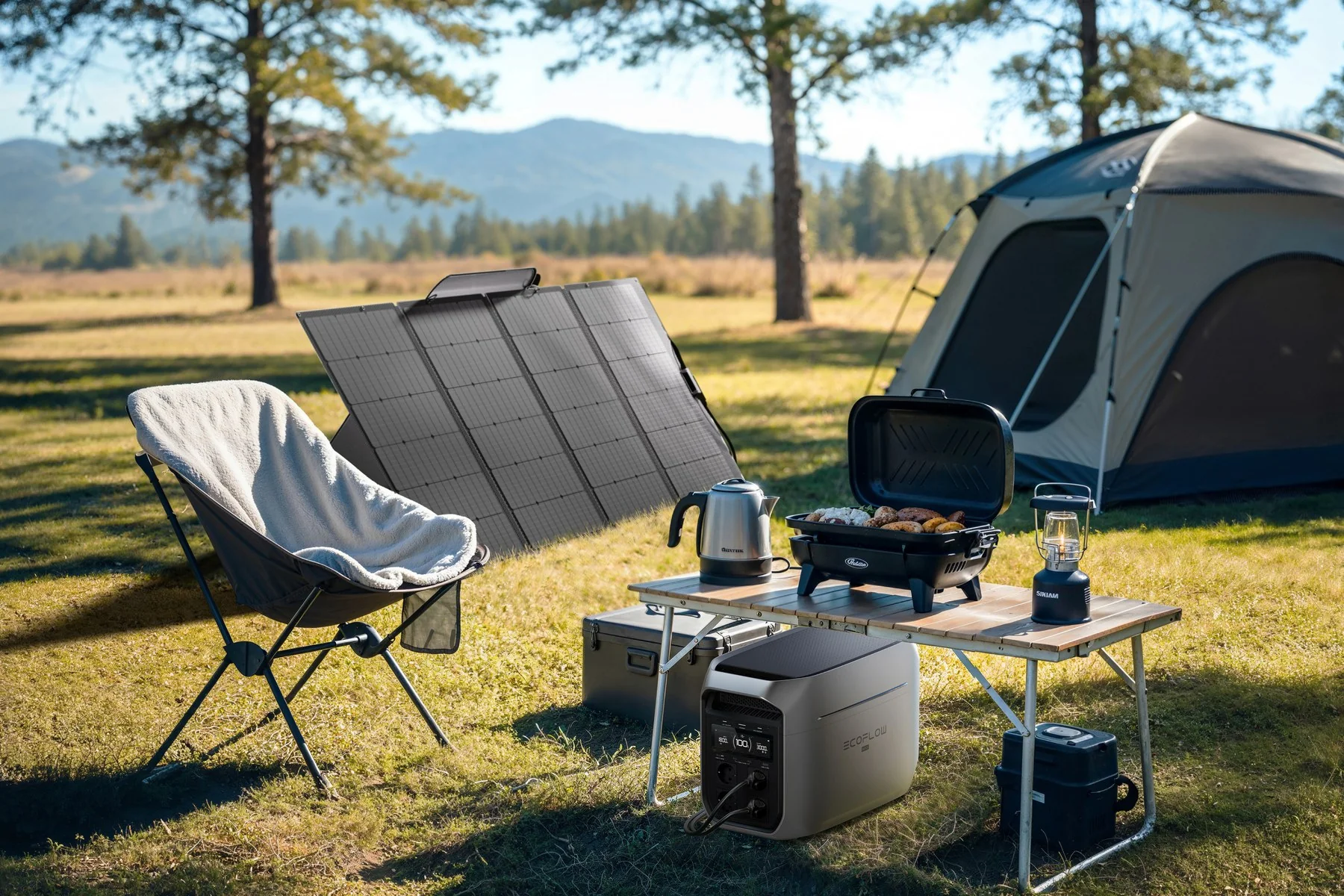
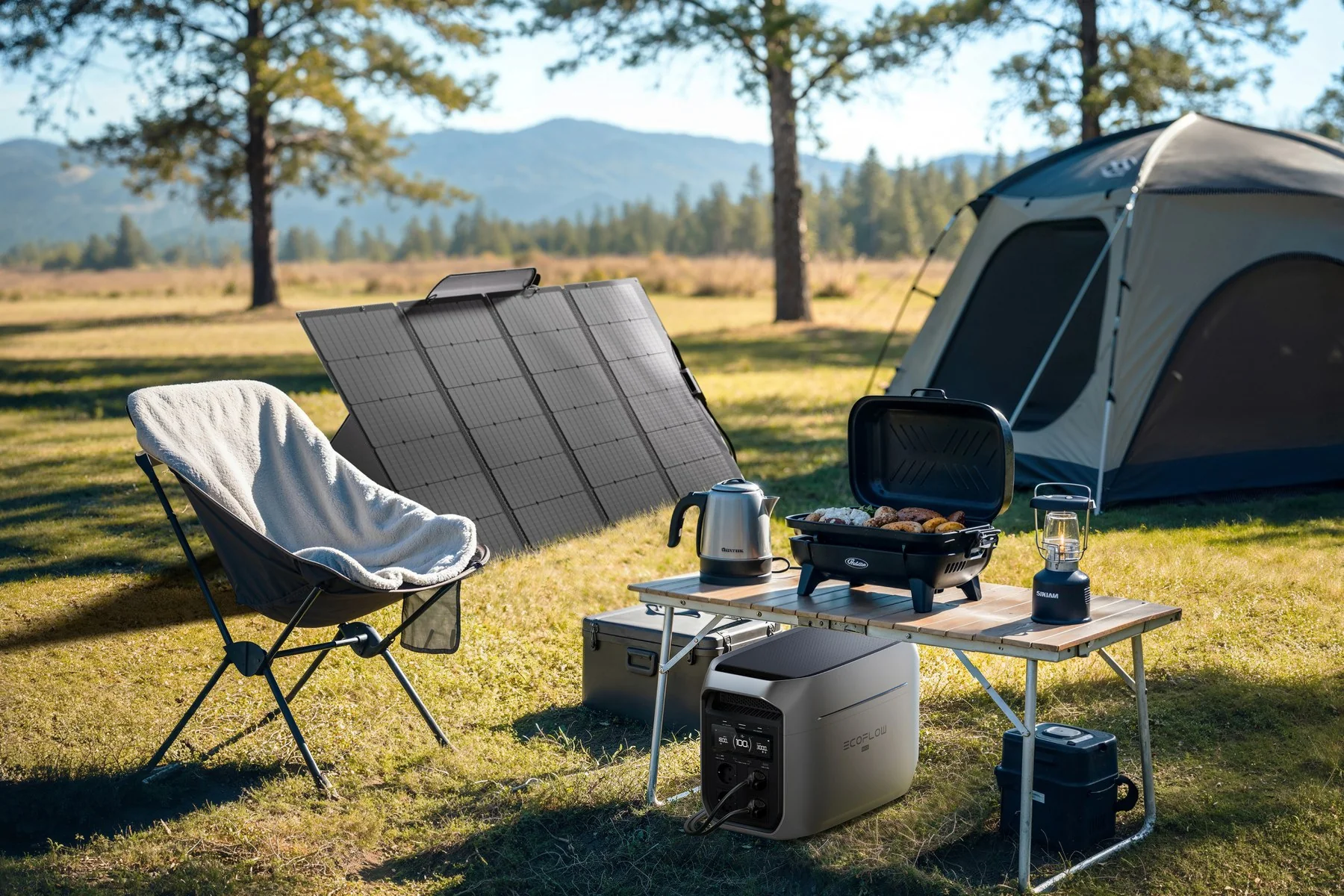
Food, Water, and Outdoor Cooking Supplies
Write a small menu before shopping. A cooler full of random ingredients is not three days of meals.
Unless the campground lists potable water, bring enough for drinking and cooking. Store food, trash, toiletries, and other scented items in sealed containers or the wildlife-resistant system the park requires, following responsible camping practices that help reduce your impact on the campsite and local wildlife.
For cooking, pack an approved camp stove, the correct fuel, cookware, utensils, dish soap, trash bags, and a cooler or portable refrigerator. If dinner depends on a campfire, have a stove-friendly backup. Hot, dry weather can lead to sudden restrictions on open flames and charcoal grills, even when a fire ring is sitting right beside the picnic table.
Navigation, Communication, and Emergency Gear
Download maps while you have Wi-Fi. Cell coverage can disappear a few miles outside town, and a paper map is cheap insurance when your phone can’t load the next turn.
Keep a first-aid kit, medications, flashlights, tire inflator, jump starter, and basic vehicle tools within reach. Burying the jumper under every sleeping bag and food bin rather defeats the point.
Tell a relative or friend where you’re going, which campground you booked, and when you expect to return. For travel well beyond cell coverage, a satellite communicator may be worth carrying. Ready.gov also recommends having another way to charge a phone during an emergency.
Charging and Portable Power Gear
Power needs can add up quickly when several people travel together. In addition to phones, a campsite may need to power lanterns, cameras, fans, a portable refrigerator, and small cooking appliances such as a coffee maker.
Start by checking the label or manual for each device. Wattage tells you whether a power station can run the equipment, while watt-hours help you estimate runtime. Don’t forget startup demand. A fridge or another motor-driven appliance may briefly draw more power when its compressor kicks on.
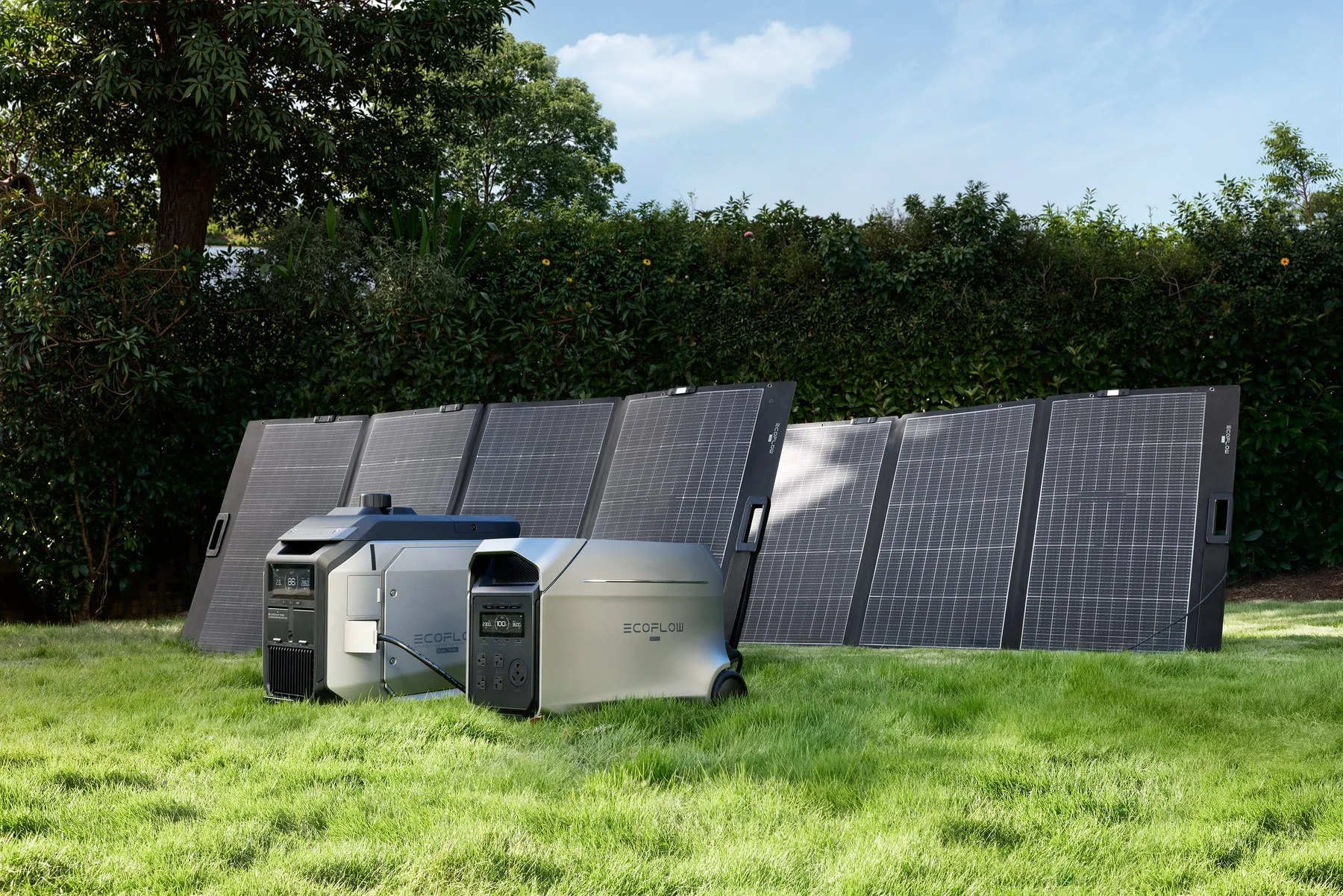
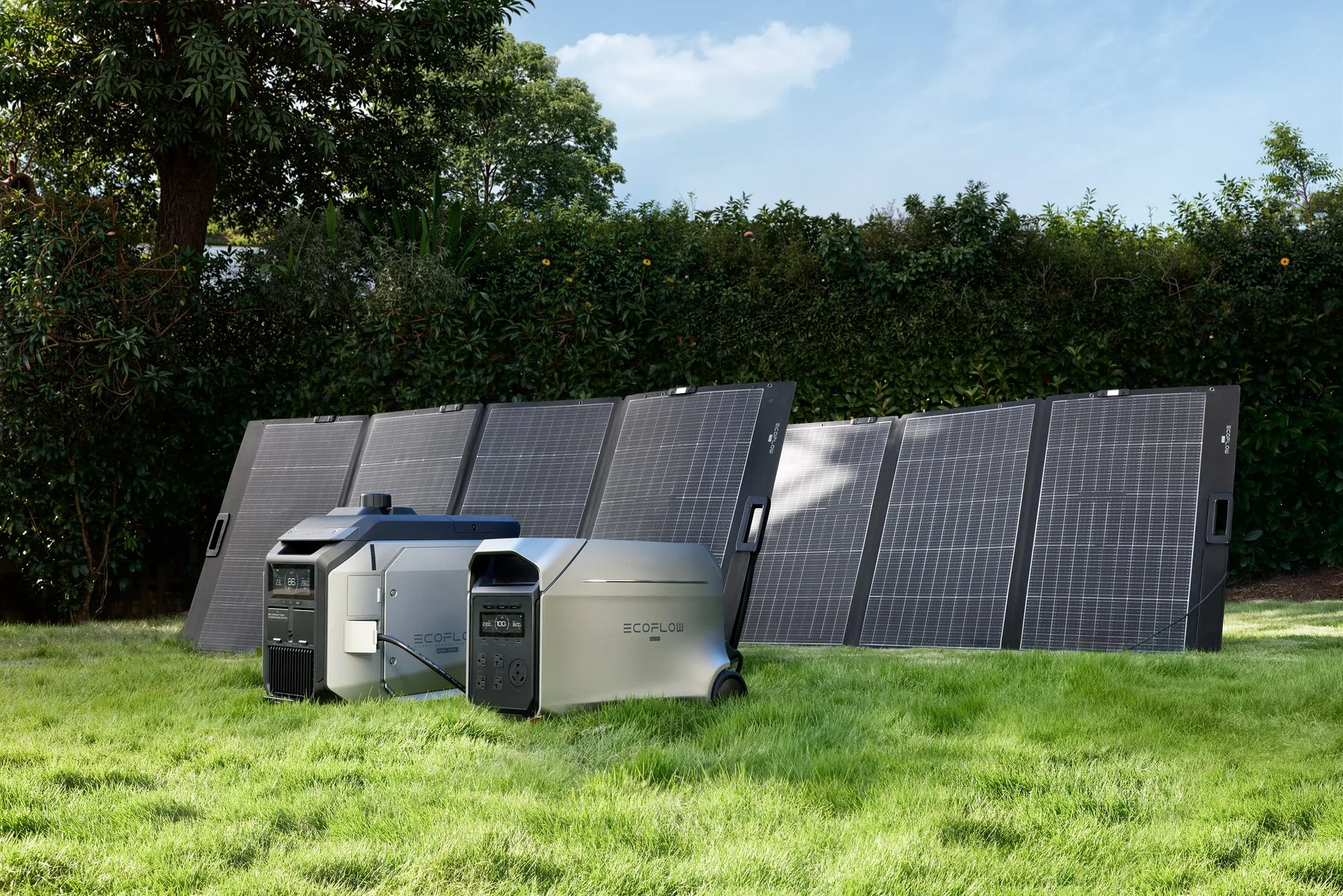
For tent or car camping without dependable outlets, the EcoFlow DELTA 3 Max Plus Solar Generator + 220W Solar Panel combines 2,048Wh of base capacity with 3,000W of rated AC output. Compatible extra batteries can expand its capacity from 2kWh to 10kWh, while the included 220W solar panel provides a practical way to recharge when grid power is unavailable. The power station supports up to 1,000W of total solar input when paired with additional compatible panels. It can cover common campsite loads, including a portable refrigerator, lights, chargers, cameras, and a coffee maker, provided their combined running and startup power stays within the system’s limits.
The included 220W solar panel can recharge the power station during daylight, although actual output will vary with cloud cover, shade, temperature, season, and panel angle.
RV travelers usually have more appliances. The EcoFlow DELTA 3 Ultra Plus Portable Power Station starts with 3,072Wh of capacity, 3,600W rated output, and 7,200W surge output. Compatible equipment can expand it from 3kWh to 11kWh for longer stays or heavier combined loads.
Add running watts, startup power, and likely hours of use. Keep the station and connections dry, leave room for ventilation, and follow the manufacturer’s instructions. Guessing is not a power plan.
How to Make Labor Day Weekend Trips Safer and Less Stressful
Most holiday travel problems aren’t mysterious. They’re the familiar ones: a traffic jam nobody allowed time for, a storm that wasn’t checked, a nearly empty gas tank, or campground rules discovered after dinner is already on the grill. A few small decisions before leaving can save a lot of aggravation later.
Avoid Peak Holiday Traffic When Possible
Friday afternoon and Monday evening are the obvious trouble spots near cities and recreation areas. Leave before the rush or wait until traffic eases if you can. Check live conditions before you’re committed to the highway.
Fill the tank before the route turns rural. Keep water and snacks within reach, and allow time for construction, rest stops, and a slow park entrance. Arriving after dark, hungry, and short on fuel is when small mistakes pile up.
Prepare for Sudden Weather Changes
One weather icon isn’t much of a plan. Pack rain protection, a warm layer, sunscreen, hats, and extra water. Turn on alerts for your destination and the counties along the way. The FEMA app can provide National Weather Service and emergency alerts for selected locations.
If you hear thunder, move to a substantial building or an enclosed, hard-topped metal vehicle with the windows up. A tent or open picnic shelter isn’t adequate lightning protection.
Keep a Backup Route and Offline Navigation
Save the reservation, gate instructions, maps, and alternate route before leaving. A screenshot of the address and gate code beats an email trapped behind a weak signal.
Mark a backup fuel stop. On a remote or weather-sensitive route, find safe lodging in case a road closes or you can’t reach camp before dark. You may never need it. Good. Backup plans are supposed to be boring.
Follow Campground and Fire Safety Rules
Quiet hours, pet rules, food storage, and fire restrictions vary by campground. Read the posted rules even if you’ve camped there before.
Build a fire only where permitted and use the designated ring. Never leave it unattended. Extinguish it completely and make sure the remains are cold. Conditions can change quickly during a dry weekend, so ask a ranger or host about current restrictions. The NPS has more guidance on campground and campfire safety.
Conclusion
A memorable Labor Day trip doesn’t require a famous park or heroic drive. It needs a destination that fits your weekend, a campsite that fits your setup, and a packing list based on real conditions.
Reserve early when you can. Watch the forecast. Download the maps. Bring easy food, basic emergency gear, and enough power for the devices you genuinely plan to use. Do that, and summer’s final getaway is much more likely to feel like a break instead of one long race home before Tuesday morning.
FAQ
What Are the Best Places to Visit for Labor Day Weekend?
National and state parks, lakes, beaches, mountain campgrounds, and scenic RV routes are all strong options. The right choice depends on where you live, what your group enjoys, and how long you want to drive.
A Midwestern family might camp near the Great Lakes; Northeast travelers could look in Pennsylvania or upstate New York. Wherever you go, protect one full day for hiking, swimming, paddling, or sitting by the water. If most of the trip happens through the windshield, you chose a spot too far away.
Where Can You Go for Labor Day Weekend Without Big Crowds?
Skip the places on every holiday travel list. State forests, county parks, reservoirs, national forest campgrounds, and recreation areas near smaller towns often get less attention than marquee parks and beach resorts.
Sunday-night availability may improve as weekend visitors head home. “Quieter” won’t mean empty, though. Labor Day is busy almost anywhere with good weather and easy water access.
How Far Should You Travel for a Three-Day Labor Day Weekend?
For many travelers, three to five hours each way is manageable. Go shorter through a major city or popular vacation corridor, where holiday congestion can stretch an ordinary drive.
Reach camp with enough daylight to find your site and set up. Think about Monday, too. One extra hour at the lake rarely feels worth it when you’re dragging a packed car into the driveway late that night.
What Are Some Affordable Labor Day Weekend Trip Ideas?
Try a nearby public campground, lake, state park, or one night of car camping. If overnight sites are full, take a day hike and pack a picnic or cookout.
To keep costs down:
Stay close enough to burn less gas.
Buy groceries before entering a tourist area.
Cook simple meals at the campsite.
Borrow or share gear you won’t use often.
Pick free park activities instead of paid rentals.
A family could swim and grill at a county reservoir instead of booking a crowded resort hotel. It still feels like a getaway, and nobody has to line up for the waffle maker the next morning.
Is It Too Late to Plan a Last-Minute Labor Day Trip?
Not necessarily. Check official systems for cancellations, newly released inventory, first-come sites, and Sunday-night openings. Smaller parks away from major routes may still have space after famous destinations sell out.
If every overnight option is gone, simplify. Choose a nearby trail, lake, beach, or scenic drive and make a day of it. Confirm parking, weather, fire restrictions, and access before leaving. Last-minute trips work best with fewer moving parts.
For press requests or interview opportunities, reach out to our media team
media.na@ecoflow.com