Illinois Tornado Season: How to Prepare Your Home With Backup Power That Works
- What Illinois Tornado Season Means for Power Outages at Home
- Build a Tornado-Ready Home Power Plan Before the Sirens
- Choose the Right Backup Power: Portable, Expandable, or Whole-Home
- Use Backup Power Safely During and After a Tornado
- Frequently Asked Questions
- Be Ready for the Next Warning With Backup Power You Can Trust
The Illinois tornado season runs from April through June. The weather can change unexpectedly during the spring and early summer, turning a seemingly lovely day into chaos. When severe weather hits, preparedness makes a difference.
From keeping refrigerators and medical devices running to staying connected during extended blackouts, the right backup power setup can make a stressful situation more manageable.
Here’s how to prepare your home before the next tornado touches down.
What Illinois Tornado Season Means for Power Outages at Home
Illinois tornado season doesn’t just bring strong winds and scary skies. It can destroy homes and knock out power for days. Tornadoes are hard to predict and even harder to recover from, which is why it’s so important for everyone to have a storm-ready plan.
Power outages are much more likely and severe during tornado season. Here’s what tornado season means for Illinois homeowners:
Physical destruction: Unlike typical weather events that might trip a few lines or briefly interrupt service, tornadoes can physically destroy infrastructure on a large scale. Even after the storm passes, getting power back isn’t always simple, especially if utility crews have to deal with washed-out roads and downed power lines.
Longer outages: Because utility crews have to fight against the elements, there’s a good chance that a tornado-related outage will last a while. You might lose power for a few hours, or you could face a multi-day disruption with little warning. This is where having a home backup power system in place, like the EcoFlow DELTA Pro X, can be a real benefit.
Stronger storms: Illinois homeowners are also facing tougher storms today than a decade ago. Climate change is making storms stronger and more volatile, increasing the likelihood of severe weather in areas that usually don’t get severe tornadoes.
Old infrastructure: Aging grid infrastructure across many parts of the U.S. is struggling to keep up with rising demand and more extreme weather patterns.

Build a Tornado-Ready Home Power Plan Before the Sirens
Preparation makes a difference during the Illinois tornado season. But you can’t just prep when a storm is imminent; you need everything in place when the skies are clear.
Keep in mind that your plan should fit where you live. Prepping for power outages in the Rocky Mountains, for example, is totally different than what you need to stay safe in an Illinois home. Googling “what to do during a tornado warning” can be helpful, but you still need Illinois-specific considerations to stay comfortable during a storm.
Follow these tips to get your home tornado-ready:
Choose a shelter: Where will you shelter during a tornado? Decide now so you aren’t scrambling at the last minute. If you have a basement, head there first. If not, choose a small, interior room on the lowest level of your home with no windows, like a bathroom, hallway, or closet. Stay away from exterior walls whenever possible.
Prioritize essential power: If the grid goes down, what absolutely needs to stay running? For most homes, your essential loads are refrigeration, medical devices, lighting, and the internet.
Watch the weather: If tornado risks are increasing in your area, charge your portable power stations, stage extension cords, and test your setup ahead of time. Nobody wants to dig through a garage looking for cables while sirens blare. If you haven’t already, set up alerts on your phone so you always know when a storm is coming.
Protect your home: A few smart precautions can go a long way. Install surge protectors, unplug all non-essential devices, secure loose wires or cables, and learn how to shut off your power and water.
Choose the Right Backup Power: Portable, Expandable, or Whole-Home
Traditional gas-powered generators are popular in Illinois, but they aren’t always the best choice, especially for multi-day outages. Unlike fuel generators, battery-powered backup systems have one huge advantage during tornado emergencies: they’re safe to use indoors.
That matters because the safest place during a tornado is usually an interior room without windows, a basement, or a low-level bathroom or closet. You can keep portable backup power right in your shelter space to charge phones, run medical devices, power lights, or even keep weather radios going while staying safely inside.
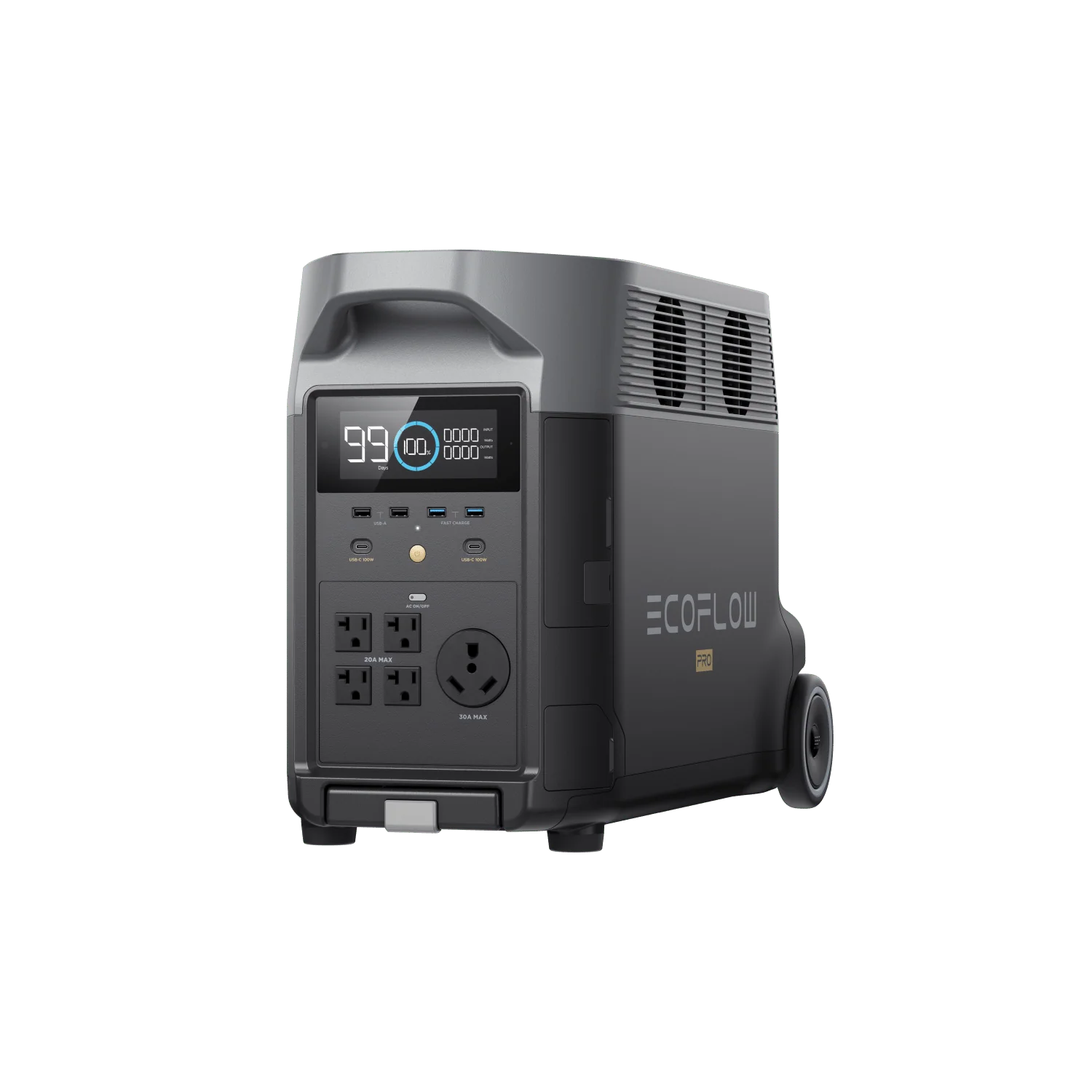
The EcoFlow DELTA Pro is a strong fit for households that want reliable emergency power without committing to a whole-home setup. It’s a lightweight battery bank that will keep you prepared for shorter disruptions and occasional outages.
If you want something more robust that’s designed for multi-day outages, go with the EcoFlow DELTA Pro Ultra X. Instead of just covering the basics, it’s designed to support more substantial backup needs, like:
Multiple refrigerators or freezers.
Home office equipment and internet.
Kitchen essentials during extended outages.
More circuits and appliances across the house.
Longer runtimes with expandable battery capacity.
Use Backup Power Safely During and After a Tornado
Illinois springtime is beautiful, but spring brings severe weather. Not only that, but tornadoes can also create dangerous electrical issues, so knowing how to use backup power correctly can help protect your family.
Don’t use generators indoors: First of all, never use gas-powered generators indoors because they can cause carbon monoxide poisoning. This is why battery-powered backups are such a good idea for tornadoes; they’re safe to use indoors, so you can take them wherever you’re sheltering.
Consider surge protection: Tornadoes and severe weather can trigger power surges both when electricity fails and when it suddenly returns. Installing surge protectors for electronics and unplugging nonessential appliances ahead of major storms can reduce the risk of damage to your expensive devices.
Check everything after the storm: Once the storm passes, resist the urge to plug everything back in or flip breakers immediately. Tornado damage can leave behind hidden electrical hazards that aren’t always obvious, so look over your home and property before you do anything.
If severe weather is in the forecast, the best move is to prep early. Charge backup batteries, test your system, and place essential power where you’ll actually need it. You don’t want to be hunting for extension cords while tornado sirens are going off.
Frequently Asked Questions
What Are the Most Important Circuits to Back Up During a Tornado?
Prioritize the essentials first. That includes refrigerators or freezers, which will protect your food and medications. Lighting, internet, phone chargers, and radios are also important. If someone relies on medical equipment, like a CPAP, that’s also non-negotiable. If you need help prioritizing, think: safety, then communication, then comfort, and finally, convenience.
Do Portable Generators Work Safely During a Tornado Warning?
Battery-powered generators work safely during tornadoes. Since tornado warnings mean you should shelter indoors immediately, indoor-safe power can stay with you in a basement or interior room to charge phones, power lights, or run medical devices. Traditional fuel generators, however, should never be used indoors because of the risk of carbon monoxide.
How Long Can Refrigerated Food Stay Safe During a Power Outage?
Keeping refrigerator and freezer doors closed as much as possible helps preserve cold air. Unopened refrigerators generally keep food cold for about 4 hours during an outage, while a full freezer can typically maintain a safe temperature for about 48 hours (about 24 hours if it’s half full).
Do I Need an Electrician to Set up Home Backup Power?
It depends on your setup. Portable backup power systems are usually simple to charge and operate on your own. However, you’ll need to call an electrician for a more advanced whole-home backup setup. That’s because these backups connect to your household circuits, and the electrician makes sure everything will work properly during an outage.
Be Ready for the Next Warning With Backup Power You Can Trust
The Illinois tornado season is unpredictable, but backup power gives you more control. The right preparation can make outages less dangerous and overwhelming, but the key is to start now, when there isn’t a storm. Know your shelter location, build an emergency kit, prioritize essential circuits, and make sure your backup power is ready to go long before the tornado warnings.
Tornadoes are getting stronger and more frequent, so when it’s time to think about backup power, go with a battery-powered option that expands with your household.
See how EcoFlow whole-home backup power solutions offer reliable power that keeps you comfortable no matter what tornado season brings.
For press requests or interview opportunities, reach out to our media team
media.na@ecoflow.com