Rocky Mountain Power Outage Guide: How to Prepare and Stay Powered During Blackouts
- Why Do Power Outages Happen Frequently in the Rocky Mountains?
- What to Do When the Lights Go Out in the Rockies?
- How Can You Prepare Before the Next Winter Storm Hits?
- What Are Your Backup Power Options During an Outage?
- Why Is a Traditional Gas Generator Not Enough for Everyone?
- Which Home Battery Backup Systems Handle Heavy Loads Best?
- How Do You Start Building Your Home Energy Resilience Today?
- Conclusion
- FAQ
Living in the Rocky Mountains during spring is a breathtaking experience. You can watch the beautiful landscape wake up and the peaks clear. But this seasonal shift also comes with some pretty unpredictable weather. Whether it’s a sudden April thunderstorm, heavy wet snow snapping lines, or spring gales, residents from Montana to Colorado know that a Rocky Mountain power outage is never a matter of “if,” but “when.” This guide will dive into why the region faces unique spring electrical grid challenges. Then it will show you how to keep your daily rhythm, home office, and appliances running smoothly when the storms hit.
Why Do Power Outages Happen Frequently in the Rocky Mountains?
The Rocky Mountain winter is known for its long, cold spells, while the spring is a season of violent weather transitions. The same geography that makes for stunning vistas also creates a high-risk environment for the local power lines in the spring. The true cost of blackouts in this region often goes beyond mere inconvenience, affecting home safety and local infrastructure.
Heavy, Wet "Cement Snow" on Budding Trees
In January, the snow is light and powdery, a skier’s delight. But Spring snow can be heavy and wet. To aggravate the situation, trees begin to leaf out in the spring. The heavy snow can pile up on the new leaves and buds, causing the branches to snap from the weight. When this happens, the falling branches can take down power lines across entire canyons.
Intense Spring Gales and Microbursts
As temperatures rise, the mountains will channel air masses through the valleys, creating powerful Spring gales. These wind gusts can exceed 60 or 70 mph. The high winds can topple utility poles and blow debris into electrical substations.
Rapid Snowmelt and Soil Instability
A quick warm spell can cause a sudden melting of the winter snowpack. This surge of water doesn’t just cause localized flooding. The soil becomes oversaturated, leading to mudslides that undermine the foundations of heavy electrical power poles.
Thunderstorms and Lightning Strikes
Spring marks the return of warm-air, cold-air convection-driven storms. These storms frequently bring lightning to the upper altitudes of the Rockies. Lightning strikes are frequently a cause of a Rocky Mountain Power outage, by causing aging transformers to blow out.
Sudden Temperature Swings Straining the Grid
It’s not uncommon to see a 40°F drop in a single afternoon. These sudden cold snaps after a warm week can cause a large spike in heating demand. This can add stress on the grid that may already be undergoing repairs or seasonal maintenance.
What to Do When the Lights Go Out in the Rockies?
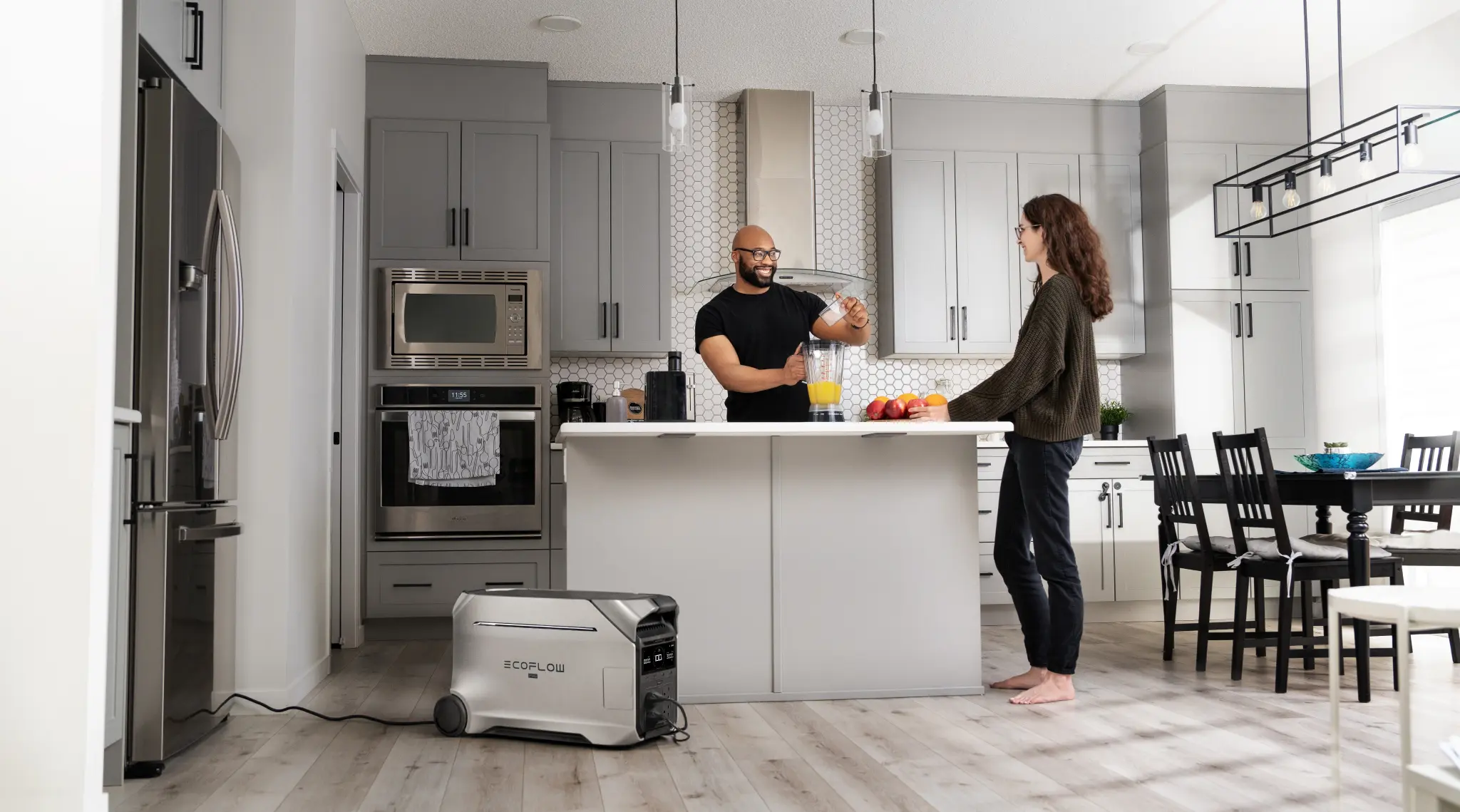
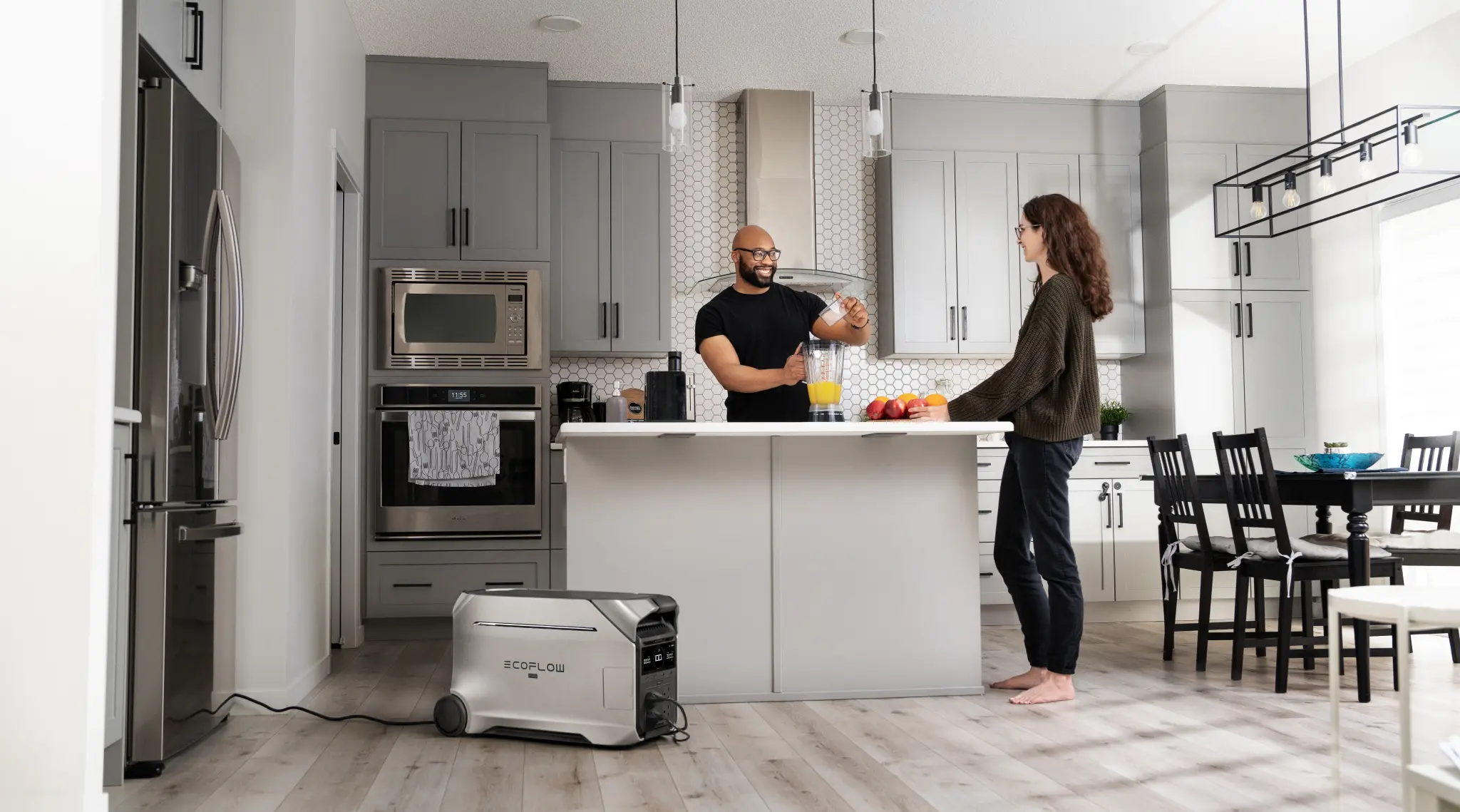
When a spring thunderstorm hits and power goes out, taking a few quick steps can prevent property damage from water and power surges. Ensuring water security during a power outage should be a top priority for homeowners with wells or basements.
Check and Secure Your Sump Pump
In the Rockies, spring means snow runoff. If your power goes out during a rainstorm or rapid melt, your basement’s sump pump also stops working. This is where a high-output backup battery can prevent your basement from flooding.
Unplug Electronics to Guard Against Lightning Surges
Spring outages are often preceded by lightning. Protect your computers, OLED TVs, and appliances from power surges when the grid flickers by unplugging them immediately.
Keep Your Refrigerator Closed to Save Food
Your refrigerator is like an ice chest. If power goes out, keep the door shut, and food will stay safe for about 4 hours. If the outdoor temp is still in the 30s or 40s (℉), you have a bit more time, but don’t take chances with food safety.
Monitor for "Cold Snaps" even in April
If a late-season snowstorm hits and temperatures drop back in the 20°F ‘s, think of your home as a thermos. Keep the warmth in by making sure your weatherstripping is still intact and windows sealed. Cold spring winds can strip heat from a house faster than a frigid winter night.
How Can You Prepare Before the Next Winter Storm Hits?
The best time to prepare for a blackout was yesterday. The second-best time is right now. A little preparation goes a long way when the snow starts piling up.
Stock up on Non-perishable Food Supplies
Keep a pantry stocked with things you actually like to eat. Think canned chilis, protein bars, and dried fruits that have a long shelf life. And don’t forget a manual can opener, your electric one won’t be much help.
Insulate Exposed Water Pipes Against Freezing
Frozen pipes are a nightmare that leads to expensive floods. Check your crawlspace and basement for any exposed pipes. Then wrap them with foam insulation sleeves to give yourself some time during a cold-weather outage.
Prepare a Dedicated Emergency Supply Kit
Keep an emergency kit in an easy-to-reach spot. It should include flashlights, extra batteries, a first-aid kit, a battery-powered radio, and some extra blankets.
Seal Gaps Around Windows and Doors
A drafty house loses heat incredibly fast. Use weatherstripping or even just “door snakes” to keep the precious warmth inside and the cold out.
Install Reliable Battery-Operated Smoke Detectors
When the power is out, people often turn to candles or wood stoves. This increases fire risk, so having battery-backed smoke and CO detectors is necessary for safety.
What Are Your Backup Power Options During an Outage?
Once you’ve got the basic preparations covered, you need to think about how to keep key appliances running. You have a few main paths to choose from.
Gas Generators (Pros & Cons)
Gas-powered units are a traditional choice. They provide sufficient power but come with the hassle of hauling gas cans in the snow and dealing with a lot of noise and exhaust.
Portable Power Stations
Portable power stations are essentially giant, sophisticated batteries. They are silent, safe for indoor use, and can be charged via wall outlets or solar panels. They have become the gold standard for modern emergency preparedness.
Whole-Home Battery Systems
For those who want zero downtime, these systems can be wired directly into your home’s electrical panel. They take over the second the power goes out, often without you even noticing the lights flicker.
Why Is a Traditional Gas Generator Not Enough for Everyone?
Pull-start gas generators have been around for many decades, but these units have some serious drawbacks in a modern mountain environment. While a traditional fuel-based unit can be powerful, a modern solar generator offers a cleaner, quieter alternative that doesn’t require storing hazardous liquids.
Storing Large Fuel Quantities Poses Risks
Storing 20 gallons of gasoline in your garage is a fire hazard, and gas goes stale over time. If the outage lasts longer than your fuel supply, you might not even be able to get to a station to get more.
Loud Engine Noise Disturbs Quiet Neighborhoods
There’s nothing like the constant roar of a gas generator to ruin the mountain peace, sometimes running day and night. It’s annoying for you and your neighbors who are also trying to survive the storm.
Carbon Monoxide Fumes Prevent Indoor Operation
You absolutely cannot run a gas generator inside, even in the garage. This means you’re running extension cords through cracked windows or doors, letting all your precious heat escape.
Cold Weather Makes Engine Starting Difficult
If you’ve ever tried to pull-start an engine in -10°F weather, you know the struggle. Oil thickens, and batteries in electric-start models often die in the cold. One good thing, though, it can warm you up.
Frequent Mechanical Maintenance Requires Specialized Tools
Gas generators need oil changes, spark plug replacements, and carburetor cleaning. If it hasn't been started in six months, there's a good chance it won't start when you actually need it.
Which Home Battery Backup Systems Handle Heavy Loads Best?
In the Rocky Mountain region, power outages aren’t just a winter thing. Spring storms, summer wildfires, and sudden high winds can also knock out the power. When this happens, your biggest concern will be power to critical items. Appliances like your heating system, AC, and well pump are high-wattage systems. Your quality of life depends on keeping these things running.
High Power Output for Heavy Appliances
This is where high-output storage systems really stand out. A system like the EcoFlow DELTA Pro 3 Portable Power Station is built exactly for these high-stakes scenarios. It has 4000W of continuous output and does more than just charge your phone. The DELTA Pro 3 can reliably power your central heating or AC system and also keep the fridge running. It charges to 80% in just 50 minutes, refueling with no worries.
Whole-Home Backup Scalability
If you want the transition to be so seamless that your family barely notices the grid is down, you need a system of sufficient size. A robust system will keep the kitchen going, lights on, and WiFi running during a multi-day power outage or heatwave-induced brownout.
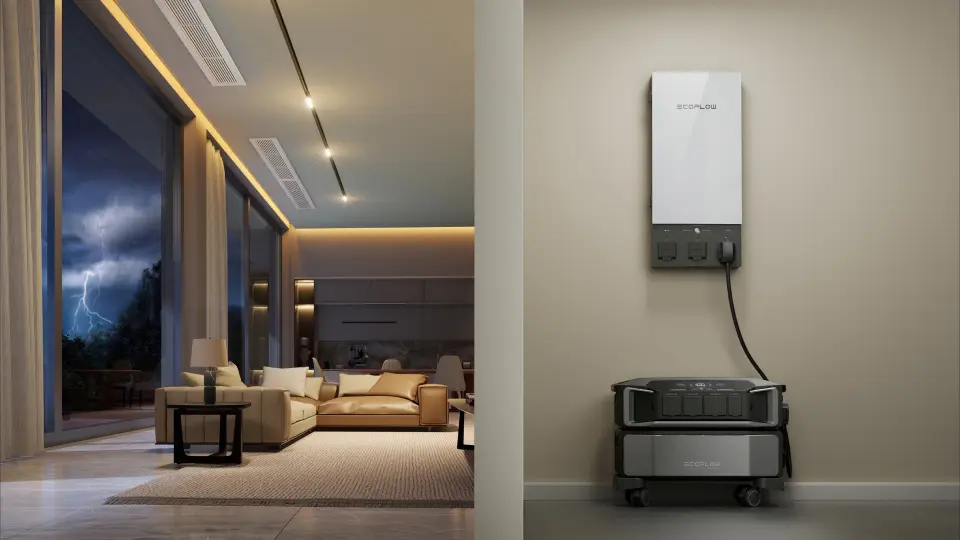
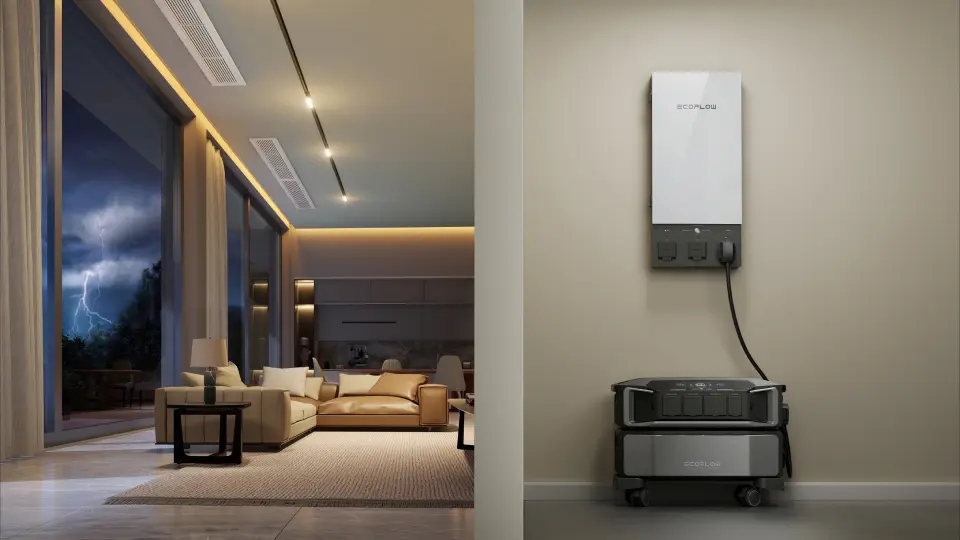
The EcoFlow DELTA Pro Ultra Whole-Home Backup Power takes the outage experience to the next level. The DELTA Pro Ultra has an output capacity of up to 21.6kW and can easily handle multiple heavy appliances simultaneously. Its modular design allows you to expand capacity based on your home’s specific needs. Instead of just surviving a blackout, you can maintain your normal daily rhythm
Resilience Against Extreme Cold Temperatures
Standard batteries lose efficiency in the cold, but advanced LFP (Lithium Iron Phosphate) systems are now built with internal heaters. This is a big benefit for mountain dwellers. This way, their backup power is always ready to discharge even in the coldest winters.
Fast Solar Recharging During Off-Grid Gaps
After the storm passes, the sun usually comes out bright in the Rockies. With the right power stations, you can plug in portable or rooftop solar panels to recharge batteries. This gives you a completely independent energy system that doesn’t rely on delivering fuel.
Automatic Transfer for Seamless Power Continuity
If you have a smart home panel or an integrated switch, your battery system can kick in within milliseconds. No more fumbling for flashlights in the dark, the lights stay on, and your desktop computer doesn’t even reboot.
How Do You Start Building Your Home Energy Resilience Today?
Are you ready to stop worrying about the weather forecast? Here’s a game plan to build a reliably powered home.
Audit Your Essential Household Energy Needs
Make a list of what you must have, such as a fridge, furnace blower, CPAP machine, and well pump. Add up the wattage so you know exactly how much power you need to stay comfortable.
Select the Appropriate Battery Storage Capacity
Choose a system that matches your needs based on the results of your audit. If you just need to keep the lights and fridge on for a day, a portable unit works. If you need power for multi-day outages, consider modular systems that let you add extra battery packs.
Position Your Backup Equipment for Accessibility
Don’t hide your power station in the back of a cluttered closet. Keep it somewhere central, dry, and easy to reach, and ideally near your most important appliances.
Conduct Regular System Performance Test Runs
Every few months, turn off all the breakers and see how your system handles the load. It’s much better to find a loose cord or a setting issue during a test than when it’s pitch black outside.
Establish a Family Emergency Communication Plan
Make sure everyone knows where the power unit is and how to use it. If you aren’t home, can your spouse or kids safely activate the backup power?
Conclusion
Life in the Rockies is incredible, but it requires a bit of pioneer spirit to be comfortable and self-reliant. You don’t have to always be a victim of nature’s storms and an aging electrical grid. You can invest in modern, high-output battery technology like the EcoFlow DELTA series to turn a potential disaster into a cozy, well-lit evening at home. Stay prepared, stay warm, and keep those lights on!
FAQ
How Long Will a House Stay Warm Without Power in Winter?
A well-insulated home will typically stay at a safe temperature for 8 to 12 hours. But this time drops significantly if it’s exceptionally windy or if the house has poor weather stripping.
Can a Portable Power Station Run a Well Pump?
Yes, but you need a high-output unit (like the DELTA Pro Ultra) that can handle the high “starting surge” wattage required by well pumps. Note, these pumps also often run on 240V power.
Should Batteries Be Stored Inside During Winter?
Yes, you should store your backup batteries in a conditioned space such as an insulated garage or a utility room. This will help maintain the battery’s chemistry and ensure it is ready to discharge at full capacity.
How to Know if Freezer Food Is Ok After a Power Outage?
Check the temperature of the food. If the food or packaging still contains ice crystals or is below 40°F, it is generally safe to refreeze or cook. When in doubt, throw it out.
How Long Does It Take Pipes to Freeze During a Power Outage?
In extreme cold (below 20°F), water pipes in uninsulated areas can begin to freeze in as little as 4 to 6 hours if there is no heat or water movement in the house.
For press requests or interview opportunities, reach out to our media team
media.na@ecoflow.com