Hurricane Season 2026: Power Checklist Every Homeowner Needs
- Hurricane Season Dates, Peak Risk, and What Power Outages Really Disrupt
- Pre-Season Planning That Prevents Panic Buying and Costly Mistakes
- Home Hardening Basics That Reduce Damage and Speed Up Recovery
- A Hurricane Power Checklist for 72 Hours to 7 Days Without the Grid
- During and After the Storm: Power, Communication, and Safe Restart Steps
- Frequently Asked Questions
- Stay Powered Through Hurricane Season 2026
Hurricane season is a recurring reality for millions of homeowners across the United States. While coastal states face the highest risk, inland communities can also experience destructive winds, flooding, and power outages from tropical systems. Recent hurricane seasons have shown how quickly life can be disrupted when essential services are unavailable for extended periods.
Preparation before the season begins can significantly reduce stress, protect your property, and help your family stay safe during extended outages.
Hurricane Season Dates, Peak Risk, and What Power Outages Really Disrupt
In the United States, Atlantic hurricane season officially runs from June 1 through November 30. While storms can occur at any point during this period, activity typically intensifies from mid-August through October, with September historically representing the peak of the season.
States such as Florida, Texas, Louisiana, North Carolina, and South Carolina often experience the greatest hurricane impacts. However, storm-related flooding, tornadoes, and power outages can affect communities hundreds of miles from the coast.
When most people think about hurricanes, they focus on wind and flooding. Yet power outages are often the disruption that lasts the longest. Losing electricity can affect:
Refrigeration and food storage
Medical devices and medications requiring cooling
Home internet and communication systems
Cell phone charging
Air conditioning during extreme heat
Water pumps and well systems
Security systems
Remote work and business operations
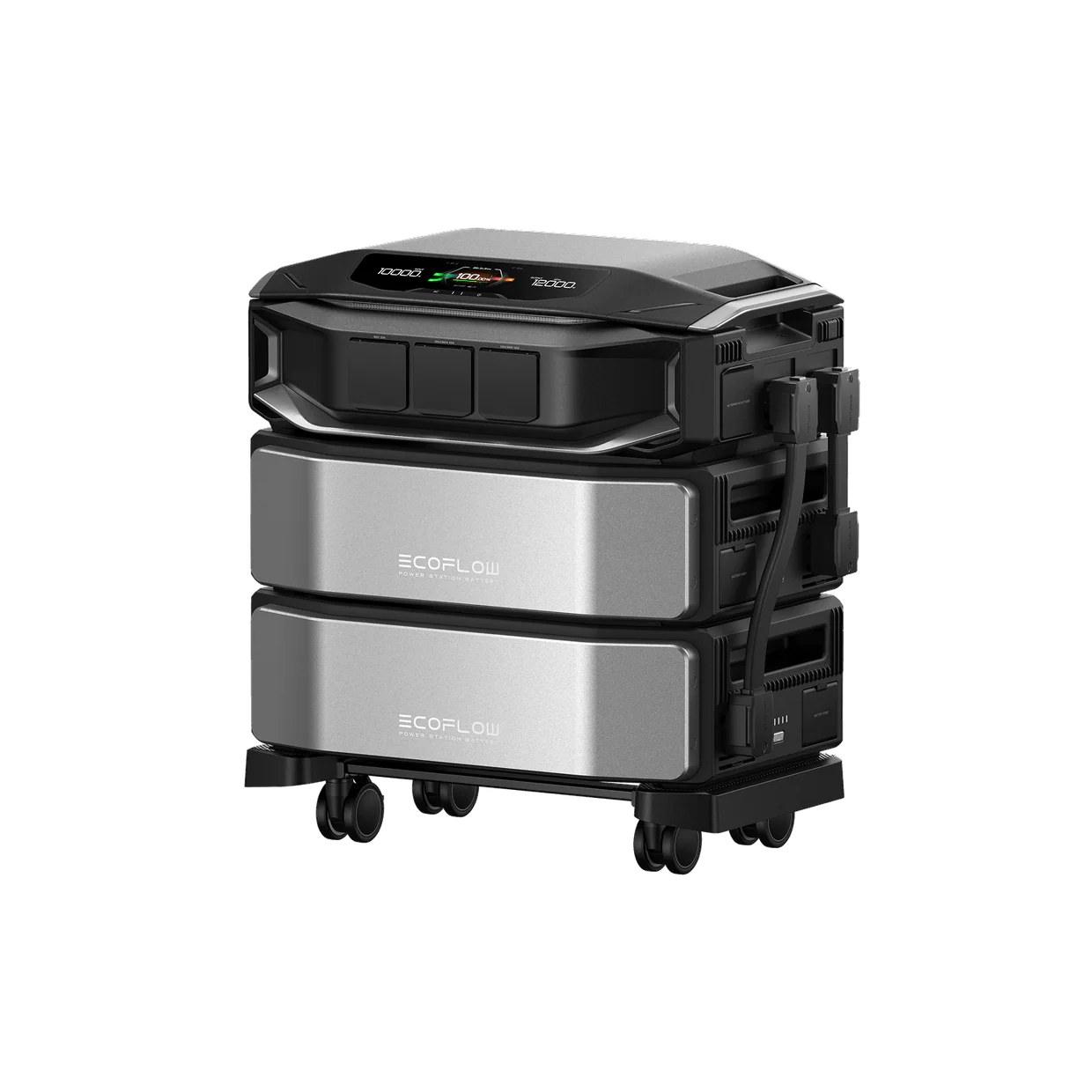
For households that need to keep medical equipment, HVAC, and well pumps running through a multi-day outage, a reliable whole home backup power solution has become an essential part of hurricane preparedness, not an optional one. The EcoFlow DELTA Pro Ultra X is built for exactly that scale, with expandable battery capacity to match your home's needs.
Pre-Season Planning That Prevents Panic Buying and Costly Mistakes
The best time to get ready is before forecasts begin tracking a storm toward your area. Early planning helps you avoid shortages, inflated prices, and rushed decisions.
Store digital and physical copies of critical records, including insurance policies, identification documents, mortgage or lease information, and medical records.
Save copies on a secure cloud service and on a portable storage device that can be accessed without internet service.
Review your insurance policies annually and verify windstorm coverage limits, hurricane deductibles, flood insurance status and additional living expense coverage.
You should also walk through your home and photograph your furniture, electronics, appliances and valuable personal belongings. Store these images offline and in cloud storage.
You can choose backup power options ranging from portable battery systems to a complete whole home generator installation.
Home Hardening Basics That Reduce Damage and Speed Up Recovery
Small preventive maintenance tasks can significantly improve a home's resilience during hurricane season.
Start by inspecting your roof and look for missing shingles, loose flashing, damaged vents and leaks.
Blocked gutters and downspouts can also cause water to overflow and damage siding, foundations, and landscaping. Ensure water is directed away from the home.
To protect windows and doors, install storm shutters, impact-resistant windows and reinforced garage doors. If a garage door fails during high winds, pressure builds inside the structure and pushes up on the roof and against surrounding walls, often triggering a cascade of structural damage to the entire home.
To protect your home from flood, elevate backup batteries, electrical panels, HVAC equipment and water heaters.
A Hurricane Power Checklist for 72 Hours to 7 Days Without the Grid
Hurricane-related outages can last far longer than most households plan for: customers in South Carolina lost power for an average of nearly 53 hours during Hurricane Helene in 2024, with some areas going without electricity for weeks. So, it’s advisable to plan ahead for at least 72 hours and ideally up to seven days.
Keep phones charged and have battery banks, a NOAA weather radio, emergency contacts, water, nonperishable food, medications, a first-aid kit, flashlights, and extra batteries ready.
For backup power, consider portable power stations, solar charging, or larger home backup systems. For a 72-hour outage, the EcoFlow DELTA 3 Classic can keep phones charged, power a portable fan or small refrigerator, and run lights, covering the essentials while you wait for the grid to come back online.
Keep vehicles fueled, evacuation plans and maps accessible, and supplies ready for pets, including food, water, medications, and records.

During and After the Storm: Power, Communication, and Safe Restart Steps
Preparation doesn’t end when the storm arrives. Stay informed through weather alerts, emergency updates, evacuation notices, and utility restoration information, as internet and cellular service may be disrupted.
Use generators safely by operating them outdoors, away from windows and doors, and ensuring carbon monoxide detectors are working.
Conserve backup power by prioritizing medical equipment, communications, refrigeration, and lighting. After the storm, document any damage with photos, keep repair receipts, and contact your insurer promptly to help speed the claims process.
Frequently Asked Questions
When Does Hurricane Season Start and End in the Us?
The Atlantic hurricane season officially runs from June 1 through November 30 each year. Activity generally peaks between August and October, with September often seeing the highest number of storms.
How Much Backup Power Do I Need for a Hurricane Outage?
The answer depends on what you want to run during an outage. Some households only need enough power for phones, lights, and refrigeration. Others require support for medical equipment, HVAC systems, well pumps, or entire-home operation. Conducting an energy assessment before hurricane season can help determine the right backup solution.
What Should Be in a Hurricane Emergency Kit for a Family?
A complete kit should include water, food, medications, first-aid supplies, flashlights, batteries, communication devices, hygiene products, pet supplies, important documents, and backup power sources.
What’s the Safest Way to Use Backup Power During a Hurricane?
Follow all manufacturer instructions, keep generators outdoors and well away from structures, protect equipment from floodwater exposure, avoid overloading circuits, and prioritize critical loads first. Store and operate battery-based systems according to safety guidelines and local regulations.
Stay Powered Through Hurricane Season 2026
Hurricane season preparation is about more than stocking supplies at the last minute. Homeowners who review insurance coverage, create an emergency inventory, strengthen vulnerable parts of their homes, and develop a backup power strategy are often better positioned to weather storms and recover faster afterward.
Whether you're researching Florida hurricane season power outage prep, updating your annual hurricane preparedness checklist, or investing in a long-term energy resilience plan, the key is preparing before a storm enters the forecast cone.
For homeowners looking to maintain power during outages, explore backup energy options ranging from the EcoFlow DELTA 3 Classic for essential devices to a scalable whole home backup power solution.
For press requests or interview opportunities, reach out to our media team
media.na@ecoflow.com