Hurricane Season 2026: Forecast and Power Prep Checklist
- What Is the 2026 Atlantic Hurricane Season Forecast?
- Why Does a Below-Normal Forecast Still Mean You Should Prepare?
- When Does Hurricane Season 2026 Peak?
- What Should Be On Your Hurricane Power Prep Checklist?
- What Should You Power First During a Hurricane Outage?
- How Does Backup Power Help You Ride Out a Hurricane Outage?
- Frequently Asked Questions
- Backup Power Keeps Your Home Running Through Hurricane Season 2026
Forecasters expect a quieter Atlantic hurricane season in 2026, but a lighter forecast doesn't mean a light risk. One storm making landfall near you can still knock out power for days.
Here's what the season looks like and how to get your home ready before the first watch is issued.
What Is the 2026 Atlantic Hurricane Season Forecast?
The NOAA 2026 outlook calls for 8 to 14 named storms, 3 to 6 hurricanes, and 1 to 3 major hurricanes, with a 55% chance of a below-normal season. Forecasters point to a strengthening El Niño suppressing storm activity as the main driver behind the lighter numbers.
For context, an average season produces 14 named storms, 7 hurricanes, and 3 major hurricanes.
Why Does a Below-Normal Forecast Still Mean You Should Prepare?
A below-normal forecast describes the whole season, not any single storm. It only takes one hurricane making a direct hit on your area to cause a multi-day outage. The 2024 season is a clear example: even with a below-average number of storms in some years, individual hurricanes have caused the longest outage durations recorded in the past decade.
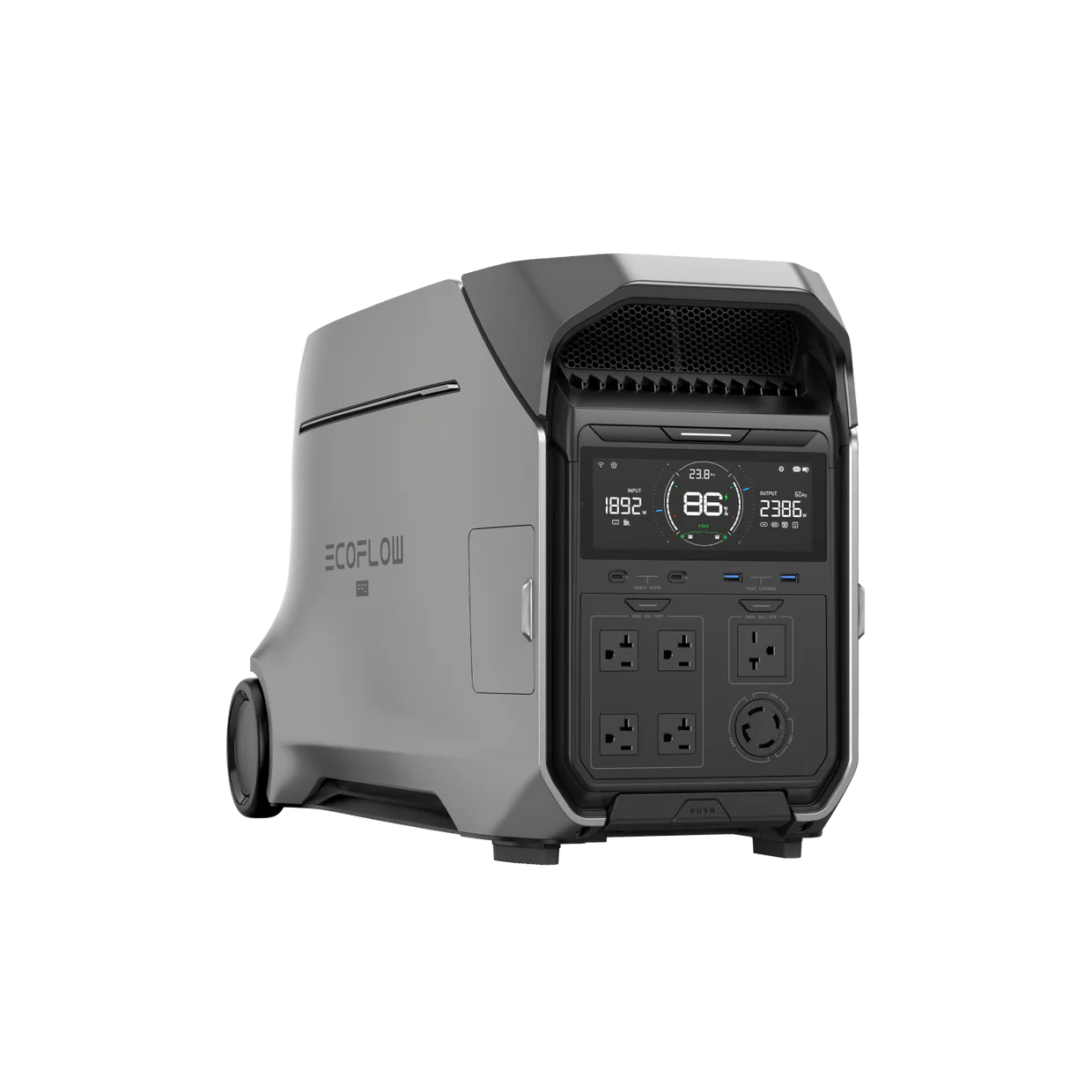
Preparation is about your specific risk, not the basin-wide count. Having a power backup, like the EcoFlow DELTA Pro 3 Portable Power Station, charged and ready before a storm even forms means you're not scrambling to find backup power once a watch is issued.
When Does Hurricane Season 2026 Peak?
Atlantic hurricane season runs from June 1 through November 30, with activity typically climbing sharply from August through October and peaking around mid-September.
That stretch is when ocean temperatures are highest and wind shear tends to be lowest, giving storms the best conditions to strengthen.
If you haven't finished your prep by late July, you're working against the calendar.
What Should Be On Your Hurricane Power Prep Checklist?
Before the Season Starts
Test smoke detectors, review your evacuation route, and confirm your insurance covers wind and flood damage separately. Charge portable power stations, batteries, and phones fully, and inventory what you'd need to run during a multi-day outage: a refrigerator, medical equipment, a sump pump, or a home office setup.
When a Storm Is Forecast
Once a storm enters the forecast cone, fill your vehicles with gas, stock several days of water and non-perishable food, and fully charge every battery-powered device in the house. Bring in outdoor furniture and secure loose items that could become projectiles in high wind.
During the Storm
Stay away from windows, keep a battery-powered radio on hand for updates, and avoid using candles as a backup light source given the fire risk. If you lose grid power, switch to your backup source and prioritize essential circuits rather than running everything at once.
After the Storm
Check for downed power lines and structural damage before going outside, and avoid wading through standing floodwater. Document any damage with photos before starting cleanup, and give your utility company's outage map a look before assuming your line has been restored.
What Should You Power First During a Hurricane Outage?
Refrigeration comes first, since spoiled food is one of the most common and preventable post-storm losses.
After that, prioritize medical devices, phone and internet access for emergency communication, and lighting.
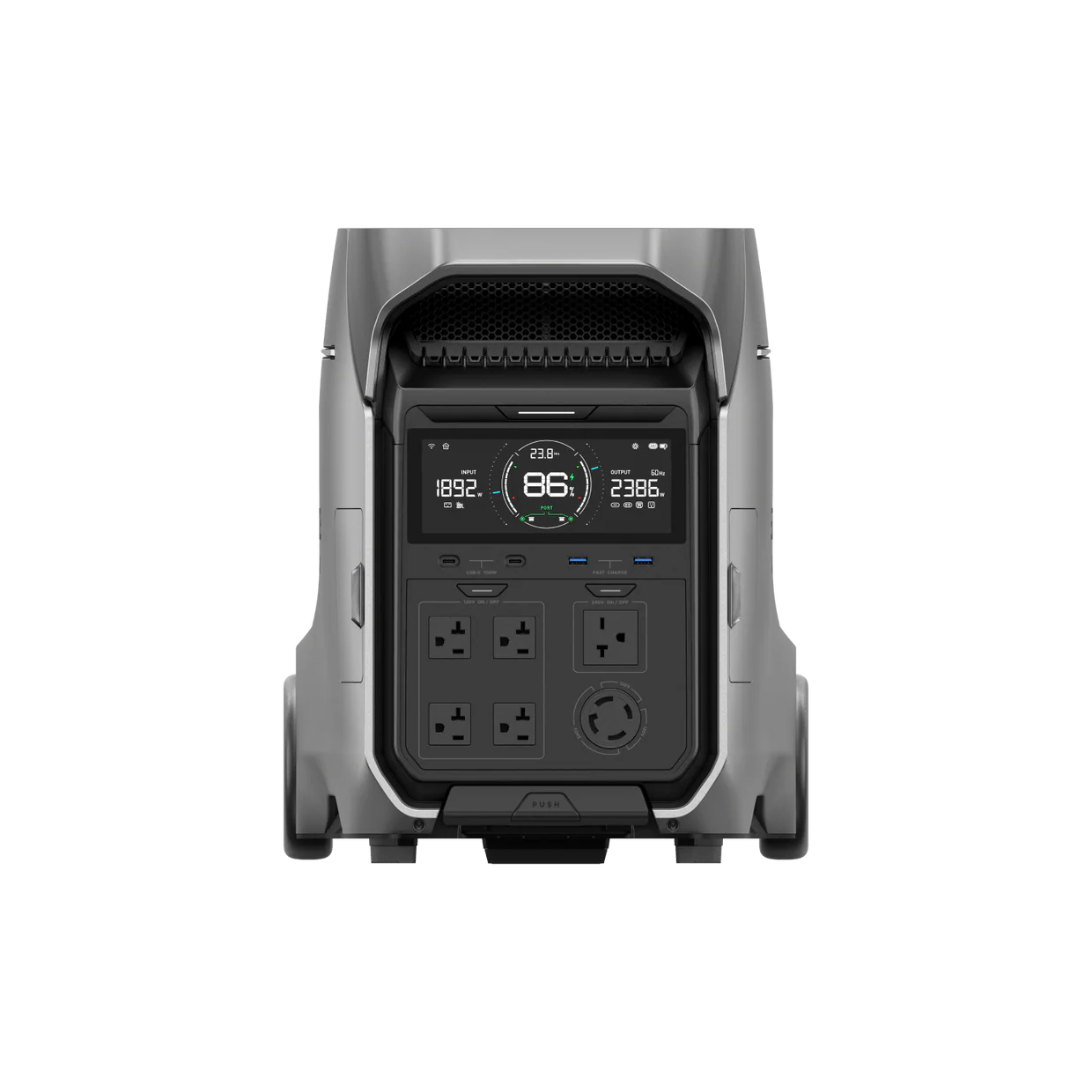
A well-sized power source, like the EcoFlow DELTA Pro 3, can run these essentials in sequence without forcing you to choose between the fridge and your phone charger.
How Does Backup Power Help You Ride Out a Hurricane Outage?
A portable power station bridges the gap between when the grid goes down and when it comes back. For homes that want coverage across the whole property rather than a handful of outlets, a home battery can back up major circuits like the refrigerator, well pump, and HVAC system at once.
Pairing either option with solar panels also means you can recharge during daylight hours if the outage runs past a day or two, which is a setup worth building out well before hurricane season power preparedness becomes urgent.
Choosing between a portable unit and something more permanent comes own to how much of your home you need to cover. A whole-home backup power solution handles every major circuit at once, while sizing guidance from a hurricane season power protection plan can help you land on the right capacity either way. Homeowners in Florida face their own set of utility and permitting quirks worth planning around before Florida hurricane season arrives.
Frequently Asked Questions
How Many Hurricanes Are Predicted for 2026?
NOAA projects 3 to 6 hurricanes for the 2026 Atlantic season, including 1 to 3 major hurricanes. Colorado State University's latest update narrowed that further to 4 hurricanes total, with 1 expected to reach major status. Both forecasts sit below the long-term seasonal average of 7 hurricanes.
When Does Hurricane Season 2026 End?
The Atlantic hurricane season officially runs from June 1 through November 30. Activity is heaviest between August and October, with the statistical peak falling around mid-September. Storms can technically form outside this window, but the vast majority of named systems and nearly all major hurricanes develop within these six months.
How Long Do Power Outages Last After a Hurricane?
Outage duration depends heavily on storm severity and local infrastructure. Some customers see power restored within hours, while others have waited over two weeks after major hurricanes caused widespread damage to transmission lines. Rural and heavily wooded areas typically see longer restoration times than urban centers with more accessible infrastructure.
What Size Power Station Do You Need for Hurricane Season?
The right size depends on what you need to run. A small unit can cover phones, lights, and a router, while a larger power station can handle a refrigerator and medical equipment together. Add up the wattage of your essential devices, then choose a station sized for a typical outage in your area.
Backup Power Keeps Your Home Running Through Hurricane Season 2026
Even a quieter season can produce a storm strong enough to knock your power out for days, and the difference between a minor inconvenience and a stressful outage often comes down to what you've already got charged and ready.
Building your prep list now, rather than the week a storm enters the forecast, is what actually determines how smoothly you ride it out. Start with an EcoFlow DELTA Pro 3 Portable Power Station to cover your essentials, or look into a whole-home backup power solution if you want your entire property covered when the grid goes down.
For press requests or interview opportunities, reach out to our media team
media.na@ecoflow.com