How Long Do Rolling Blackouts Last? What to Expect and How to Prepare
Having your power go out is never fun. And it's not just accidents that can cause the grid to go down. Sometimes, utilities use rolling blackouts to manage electricity when supply can’t keep up with demand.
But what exactly is a rolling blackout, and how can you prepare? Let's take a look at what you can expect and how you can build energy resilience for your home.
What Is a Rolling Blackout?
A rolling blackout is a temporary, controlled power outage. That makes it different from the kind of emergency outages that are caused by bad weather and natural disasters.
Often, utility companies do this to prevent a larger systemwide failure. Instead of letting the entire grid get overloaded, they intentionally interrupt power in select areas, then restore service to that area and take it down in others.
These rolling blackouts are responses to imbalances between supply and demand of electricity. They are generally used as a last resort.
In some regions, increasing electricity demand, aging infrastructure, and extreme weather events have made rolling blackouts more common.
As annoying as they can be, it's better than having the entire grid go down.
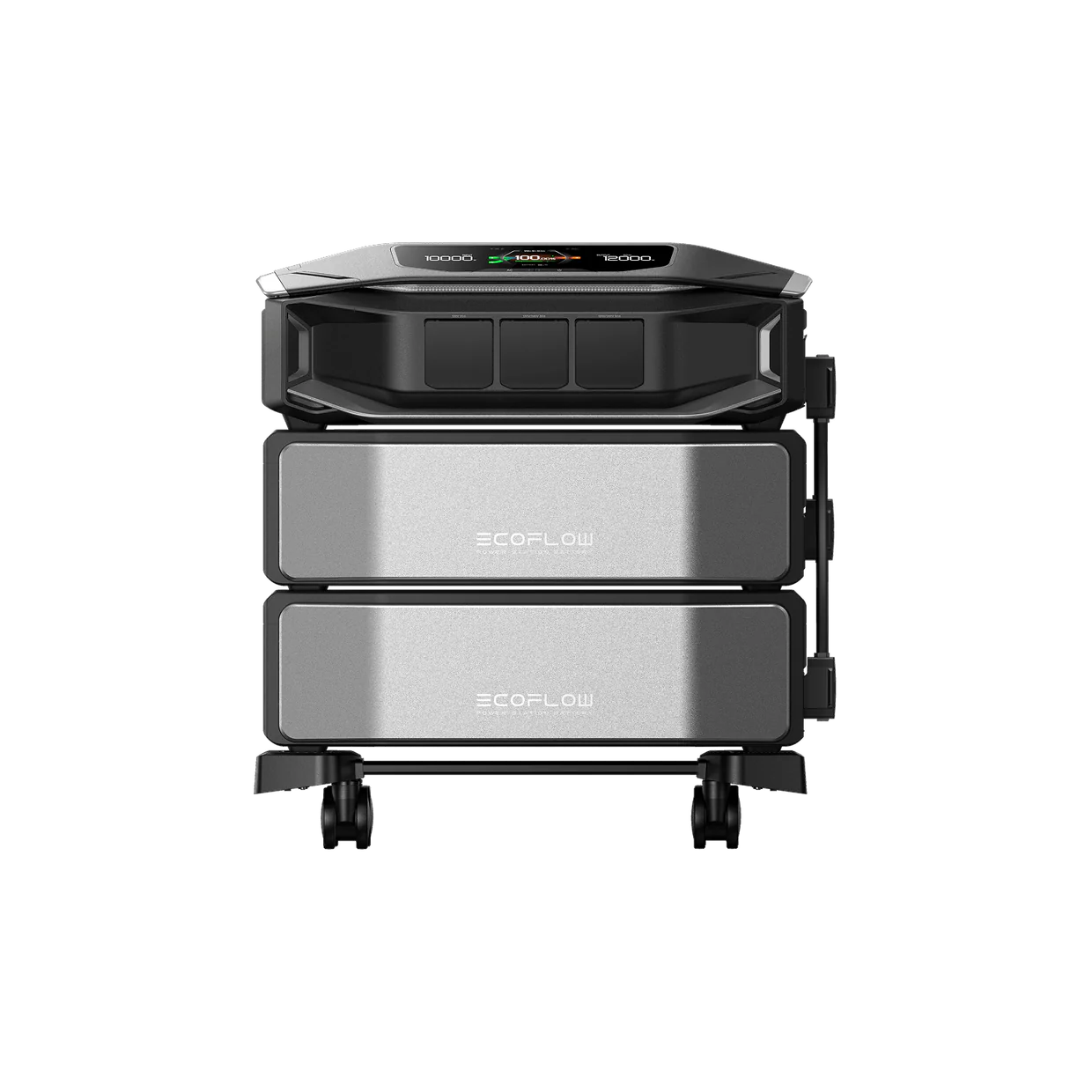
Systems like the EcoFlow DELTA Pro Ultra X are ideal for scalable energy storage to support a wide range of home energy needs. It can also link seamlessly with solar panels and other renewable energy generation technology.
Why Do Rolling Blackouts Happen?
A rolling blackout is used when the grid faces more demand than it can supply. Several factors can make that happen.
Extreme Weather
Extreme weather like heat waves can increase demand for air conditioning. Additionally, winter storms can increase the demand for heating and also disrupt power generation and transmission infrastructure.
Power Plant Outages
Failures at power plants can reduce available electricity generation. When reserve capacity is limited, even a single big outage increases the risk of power interruptions.
Increased Demand
It's not just supply that can be a problem. Rapid population growth or quick electrification can also cause rolling blackouts. The increasing use of energy-intensive technologies like AI data centres can also put a load on the grid that it can't handle.
What Happens During A Rolling Blackout?
The idea behind a rolling blackout is to identify service areas that can be temporarily disconnected without affecting critical infrastructure that must stay online, like:
Hospitals
Emergency services
Water treatment facilities
Major communications infrastructure
During a rolling blackout, the affected area may experience:
Loss of lighting
Internet outages
Air conditioning shutdowns
Refrigeration interruptions
Inoperable electric appliances
Disrupted home office equipment
The blackout will be scheduled for a specific period, often a few hours. Then, power will be restored, and another area may be temporarily disconnected if the grid is still struggling.
It can be hard to know how long a power outage is going to last. But because these outages are scheduled, utilities usually try to keep the interruption as short as possible.
How Should You Prepare for and Respond To Rolling Blackouts?
The good thing about a rolling blackout is that you’ll probably be warned that it's coming. That gives you a chance to prepare.
Charge Devices
Before the blackout hits, make sure to charge:
Phones
Tablets
Laptops
Power Banks
Medical devices
Maintain Essential Supplies
Flashlights
Batteries
Drinking water
Shelfstable food
First aid supplies
A radio for information updates
Protect Sensitive Electronics
Surge protection and battery backup systems can help protect valuable electronics or preserve power to anything that needs to remain switched on.
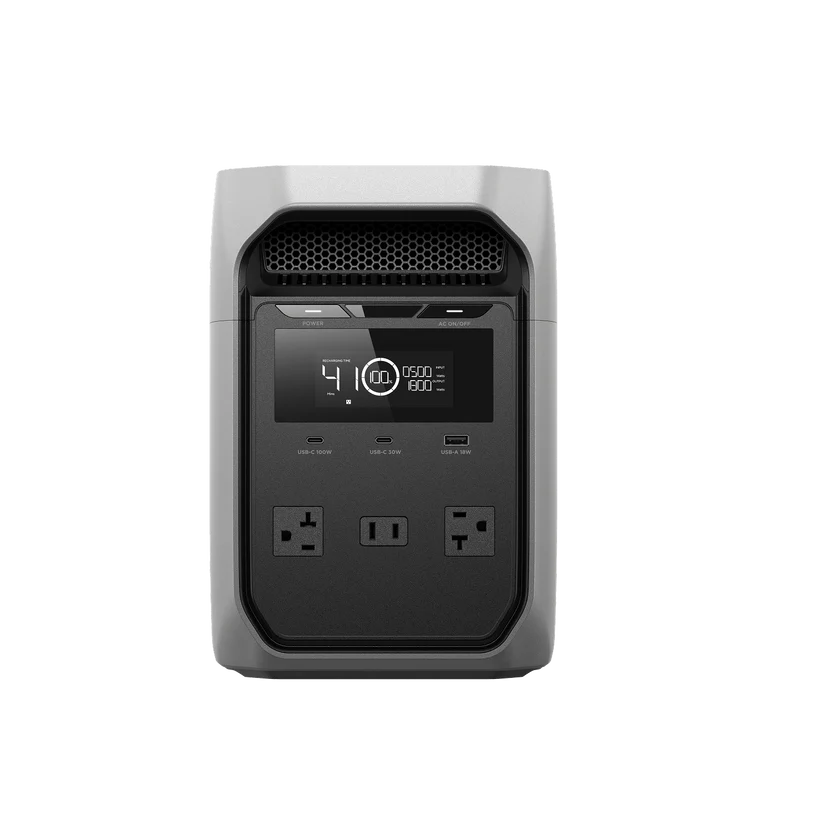
The EcoFlow DELTA 3 Classic Portable Power Station provides backup power for communications equipment, lighting, routers, and other essential devices.
How you prepare for a power outage makes all the difference in how comfortable you are when it happens.
After The Blackout
Once the blackout has been and gone, it's time to charge your devices again. Sometimes, rolling blackouts will recur, so it's important to keep batteries topped up so that you're ready for when the next blackout hits.
Make sure you know the schedule established by utilities so that you can be ready for next time.
What Is Modern Grid Resilience?
Grid resilience means the ability of electrical systems and the homes connected to them to withstand disruptions and recover quickly.
Resilience is often built at the grid level, with utility infrastructure like power stations, substations, and transmission equipment. But these days, technology means that homeowners can build their own energy resilience through backup power and renewable energy sources.
A modern resilience strategy could include:
Battery Backup
Home backup systems can automatically kick in and provide power when the grid goes down.
Smart Energy Management
Advanced systems prioritize critical loads and optimize energy usage during outages. They can also help keep batteries topped up when the power is flowing.
Distributed Energy Resources
Solar panels and battery storage let you reduce your dependence on the grid and maintain greater energy flexibility. Generating and storing your own power means that you'll have access to electricity even when the grid fails.
Whole Home Backup
A whole home backup power solution is the ultimate in energy resilience, keeping your essential devices and appliances powered throughout prolonged outages.
Frequently Asked Questions
How Long Do Rolling Blackouts Typically Last?
A rolling blackout can last anywhere from 30 minutes to several hours, depending on the grid conditions and severity of the shortage. Normally, utilities will rotate the affected areas to minimize disruption.
Are Rolling Blackouts Common?
Rolling blackouts are fairly uncommon in most of the United States, but they are becoming more frequent in regions that are experiencing rapid demand growth or extreme weather events.
Which State Has the Most Rolling Blackouts?
With a combination of fast-growing demand and extreme weather, California leads the country in power outages. However, other states can also experience rolling blackouts, especially in extreme conditions.
Prepare for Rolling Blackouts With EcoFlow
In some places, rolling blackouts are already a fact of life. In others, they are becoming more common as electricity demand grows and extreme weather events become more common.
Luckily, you can protect yourself against an unreliable power grid by building energy resilience. Whole home backup power solutions let you keep critical circuits and creature comforts online, even when the grid gets shut down.
For press requests or interview opportunities, reach out to our media team
media.na@ecoflow.com