The 2026 Atlantic Hurricane Outlook: Predicting Hyperactive Seasons
Recent years have shown just how destructive a hyperactive hurricane season can be. With strong winds, rapid intensification, and widespread disruptions to basic services becoming increasingly common, understanding what drives these storms can help us better prepare and be more resilient to them rather than simply react. This article examines the key factors driving tropical storms in the Atlantic, the new technologies that are making our predictions better, and what you can do to prepare.
The Anatomy of a Hyperactive Season
The National Oceanic and Atmospheric Administration (NOAA) issues predictions each spring for the upcoming hurricane season, which typically lasts from June 1 to November 30.
A hyperactive season simply means there is a greater chance of significant tropical storms in the Atlantic Basin, driven by a combination of factors that create stronger storms. This is typically due to ENSO conditions and weak wind shear, as well as warmer-than-average ocean temperatures and increased West African Monsoon activity, all of which tend to favor tropical storm formation.
In terms of numbers, a hyperactive season is one like the NOAA predicted for 2025, where they said there was a 60% chance of an above-average season with 13 to 19 total named tropical storms (winds =/> 39mph). Of those, 6-10 were estimated to become hurricanes (winds =/>74mph), 3-5 of which would be major hurricanes (category 3, 4, or 5 with winds =/>111mph).
Predicted Vs Actual
So, how did the NOAA predictions for last year pan out? Well, it turns out the 2025 season saw 13 systems (predicted 13-19), of which 5 became hurricanes, which is a bit lower than the 6-10 predicted. However, of those 5 hurricanes, 4 became major hurricanes (predicted 3-5), with 3 category 5s and 1 category 4.
With hurricanes that large becoming more common, you can help keep your home and family protected during the 2026 hurricane season by investing in Whole-Home Backup Power Solutions. With a wide variety of sizes to choose from, you’ll have no problem finding one that suits your needs and budget. Then, the next time a storm knocks out your power, you can keep your essential appliances running.
The ENSO Factor: La Niña and Neutral Transitions
ENSO stands for “El Niño Southern Oscillation.” It’s a pattern of changes in ocean surface temperatures and atmospheric circulation in the tropical Pacific.
When we are in a La Niña year, then the surface water is cooler than average, the trade winds are stronger, and the central equatorial Pacific receives less rain. El Niño is the opposite, with warmer surface temperatures, weaker trade winds, and more rain in the central Pacific.
Finally, ENSO-neutral, as we had in 2025, means neither La Niña nor El Niño is in effect, making seasonal conditions less predictable, though NOAA still did pretty well last year with its seasonal forecast.

Understanding Wind Shear
The reason ENSO has such a strong effect on hurricanes is largely due to its effect on wind shear. While El Niño conditions mean warmer ocean temperatures, which fuel storms, they also shift the jet stream, causing upper-level winds to shear off developing storms, reducing their impact.
La Niña produces weaker upper-level winds and less wind shear, which allows storms to intensify. In 2025, ENSO-neutral conditions also meant relatively less wind shear and an increased hurricane risk, especially when combined with warm ocean temperatures and seeding from the West African Monsoon.
How We Use Technology to Predict Hyperactivity
As we saw in 2025, NOAA’s hurricane predictions are pretty accurate. We now use models more advanced than ever to monitor and predict storms, based on numerous interacting variables.
Here is a list of tools we use to predict hyperactivity:
The Hurricane Analysis and Forecast System has been upgraded to provide more accurate watches and warnings.
The National Hurricane Center and the Central Pacific Hurricane Center can now issue advisories up to 72 hours before the arrival of a storm surge or tropical storm or hurricane-force winds, giving people more time to prepare.
NOAA’s Climate Prediction Center’s Global Tropical Hazards outlook has extended its advance notice from 2 weeks to three weeks to also allow for more preparation time.
NOAA Weather Prediction Center’s experimental Probabilistic Precipitation Portal offers user-friendly forecasts for rain and flash flooding up to three days in advance.
What You Can Do to Prepare for the 2026 Hurricane Season
While NOAA has not yet released its 2026 hurricane outlook, we are in a La Niña that’s expected to wane into ENSO-neutral, followed by a shift to El Niño by summer. While this increases upper-level wind shear (theoretically meaning a milder season), other factors are at play, and conditions can change, so always prepare for a hurricane.
While there is nothing we can do to prevent a tropical storm, there are steps we can take to reduce damage at home:
Prepare an emergency kit and go-bag, including food and water for every family member, including pets, to last at least 3 days.
Develop a family communication plan, including backup meeting places, and practice it with your family every year.
Watch the weather news and don’t delay responding to evacuation orders.
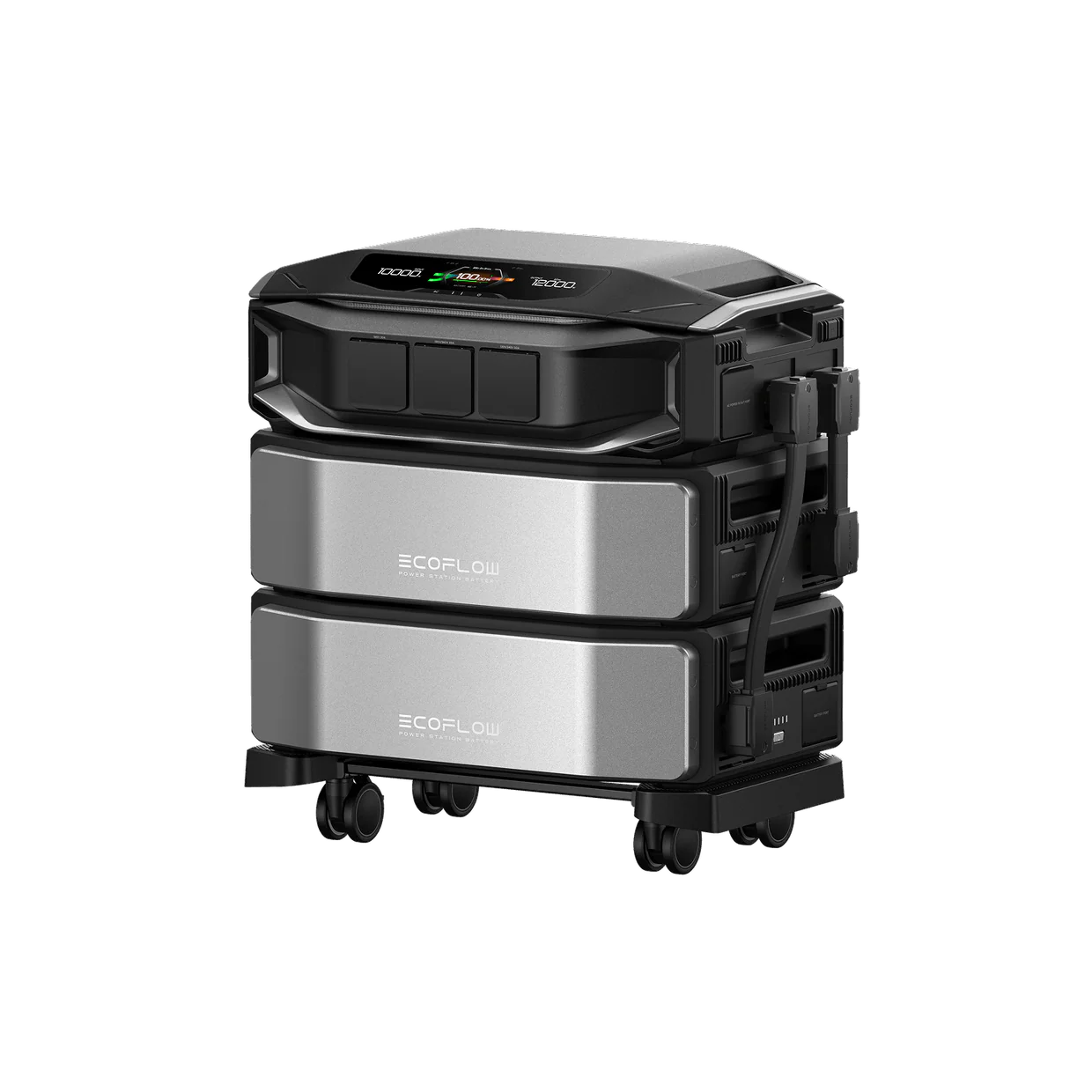
Have a home backup for when the power goes out so you can keep your fridge, freezer, and other essential appliances running. The EcoFlow DELTA Pro Ultra X starts at 12kWh, a perfect backup for the average home, but its expandable batteries will power even large, power-hungry homes for days or weeks at a time.
Final Thoughts
As we saw in 2025, we’re getting better at predicting hurricane intensity, thanks to advances in technology, giving communities more time to prepare than ever before. Still, whether our storm counts fall within predicted ranges or not, understanding how we make these predictions helps us prepare.
Keep your emergency kits ready, ensure your family knows what to do when a disaster strikes, keep watching the weather forecasts, and invest in Whole-Home Backup Power Solutions to help reduce the risk to your home and family as the 2026 hurricane season approaches.
For press requests or interview opportunities, reach out to our media team
media.na@ecoflow.com