Everything You Need to Know About Home Generator Maintenance
Effective generator maintenance is the primary factor in ensuring residential resiliency during a grid failure. Whether preparing for the Atlantic hurricane season or mitigating the risks of a severe Nor’easter, a well-maintained backup system serves as a critical infrastructure lifeline. This guide provides a technical overview of the mandatory service requirements for internal combustion units and evaluates why more homeowners are transitioning toward high capacity energy storage as a low maintenance alternative.
Essential Maintenance Tasks for Home Generators
If you own a classic gas-powered generator, you’re essentially managing another piece of equipment that requires ongoing care. To make sure it starts reliably when the grid goes down, you’ll need to stay on top of the basic mechanical maintenance. Here’s a quick look at the typical “to-do” list:
| Maintenance Task | Frequency |
|---|---|
| Check oil level | Before every use |
| Change engine oil | Every 50–100 hours |
| Replace spark plug | Every 100 hours or annually |
| Inspect air filter | Every season |
| Test battery | Every 3 months |
| Run generator test | Monthly |
Monitor Engine Oil Levels Regularly
Similar to any internal combustion engine, a generator requires consistent lubrication to reduce friction and facilitate heat dissipation. Failure to maintain proper oil levels can result in catastrophic engine wear or total mechanical seizure. It is recommended to inspect the dipstick prior to every activation; during extended outages, levels should be verified every 24 hours of continuous operation to ensure equipment longevity.
Inspect Spark Plugs for Visual Wear
A fouled or cracked spark plug is one of the most common reasons a generator fails to start. When this happens, you may find yourself repeatedly pulling the starter cord without success. It’s recommended to inspect the spark plug once a year for carbon buildup or signs of a burnt electrode. If the tip appears blackened or worn, replacing it is a simple and inexpensive fix. A $5 component is a small price to pay for reliable ignition when the lights go out.
Check Fuel Lines for Potential Leaks
Rubber fuel lines don’t last forever. They can get brittle, crack, or even melt if they’re too close to the engine block. Take a second to trace the lines from the tank down to the carburetor. You’re looking for any wet spots or drips that could cause a performance dip, or worse, a fire right next to your house. Unlike a modern portable power station, these gas units require constant vigilance to prevent dangerous fuel-related accidents.
Test Battery Voltage and Starting Power
If your unit has an electric start button, a dead battery is a massive headache. There’s nothing fun about pull-starting a heavy engine in a downpour because the battery sat idle all winter. Use a multimeter to make sure it’s still holding a charge. Better yet, keep it on a trickle charger during the off-season—or consider upgrading to a robust solar battery system that maintains its charge more efficiently.
Check Coolant Condition and Fluid Levels
For those bigger, liquid-cooled standby units, the coolant is what keeps the engine from melting down under a heavy load. Ensure the reservoir is full and the fluid hasn’t turned a weird, murky color. Discolored coolant usually means internal corrosion is starting to set in, which is a problem you want to catch before the next big storm hits.
The Risks of Neglecting Generator Maintenance
Pushing off your maintenance schedule goes beyond being a “do it later” chore; it is a fast track to equipment failure. Neglect causes specific mechanical breakdowns that almost always seem to happen at the absolute worst moment, usually right as the sky turns green and the wind starts howling.
Old Fuel Clogs the Internal Carburetor
Gasoline begins to chemically degrade within 60 to 90 days, often resulting in the formation of a varnish-like residue. This buildup obstructs the narrow fuel passages within the carburetor, representing the leading cause of ignition failure in portable units. Once fuel lines are compromised by this sediment, the system typically requires a professional mechanical overhaul or a complete component replacement.
Low Oil Levels Cause Engine Seizure
Running an engine without enough oil creates a level of friction and heat that metal just can’t handle. Without that thin layer of lubrication, the internal components can literally fuse together. We call this “seizing” the engine, and once it happens, your expensive backup unit is basically a heavy, metal paperweight.
Weak Batteries Prevent Reliable Emergency Starts
Car batteries gradually lose performance over time, and low temperatures can further reduce their efficiency, increasing the risk of starting issues in cold environments. Regular testing and maintenance can help prevent unexpected failure during emergencies. In addition, many HOAs and some local municipalities enforce nighttime noise restrictions through community CC&Rs and local noise ordinances, which may limit engine or generator operation during quiet hours.
Clogged Filters Reduce Overall Power Efficiency
Dirty air and fuel filters basically “choke” your engine’s breathing. This makes the generator run “rich,” which wastes gas and produces inconsistent power. That “dirty” power can actually fry sensitive electronics like your laptop, high-end TV, or gaming console. Learning how to safeguard your electronics from unstable power is essential when relying on an older mechanical unit during a storm.
Mechanical Fluid Leaks Create Fire Risks
A tiny oil or gas leak might not look like much on the garage floor, but generators run incredibly hot. Any fluid dripping onto a scorching exhaust manifold is an immediate fire hazard sitting right next to your house. Bottom line: always keep it outside. The U.S. Consumer Product Safety Commission is very clear that you should never run these things indoors or in an attached garage; the risk of carbon monoxide poisoning is just too high to gamble with.
How to Maintain Your Generator Step by Step
Following a consistent DIY routine goes beyond just being a weekend project; it is how you extend the life of your machine. Here’s a quick step-by-step to keep things humming along.
Drain and Refill the Engine Oil
First, warm up the engine for a few minutes. This thins out the old oil so it drains more completely. Shut it off, pull the plug, and let the old fluid flow into a pan. Refill it with high-quality synthetic oil, check your manual for the exact grade, like 5W-30 or 10W-30, to ensure the best protection for those internal metal parts.
Clean Carbon Buildup from Exhaust Ports
Over time, carbon deposits can clog the spark arrestor and the exhaust. If that screen gets blocked, the engine can’t “breathe,” which leads to backpressure issues and power loss. Take a second to remove the screen and give it a good scrub with a wire brush. It’s a dirty job, but it keeps the engine running smoothly.
Install a Fresh Paper Air Filter
A clean air filter is what keeps dust and grit from getting sucked into the combustion chamber. It’s a simple swap: pop the filter cover, pull out the old, dirty pleated paper element, and snap a new one into place. Doing this every season is a cheap way to avoid a huge repair bill later.
Tighten All External Engine Mounting Bolts
Generators vibrate a lot. All that shaking can eventually loosen the bolts that hold the engine to its metal frame. Do a quick “nut and bolt” check every few months to make sure everything is snug. Another thing: a loose engine vibrates even more, which can lead to cracked fuel lines or snapped wires.
Keep a Detailed Generator Service Log
Here’s the key: track every oil change, spark plug swap, and monthly test run in a notebook or an app on your phone. This history is invaluable if you ever need to troubleshoot a weird noise, and it definitely helps the resale value if you ever decide to upgrade to a bigger unit.


When Does Generator Maintenance Stop Making Sense
Mechanical backup systems eventually reach a point of diminishing returns, where the frequency of required service outweighs the unit’s operational reliability. The logistical burden of manual ignition, fuel stabilization, and adverse weather deployment often leads to failure at critical moments. Because of these recurring hurdles, many homeowners are shifting their focus toward a green option of home generator alternatives to ensure consistent energy security. Transitioning to a whole-home battery system eliminates the mechanical points of failure associated with aging carburetors and fouled spark plugs, replacing a high maintenance engine with a silent, automated infrastructure.
Upgrade to an Automated Whole-Home System
The EcoFlow DELTA Pro Ultra X Whole-Home Backup Power introduces a new way of thinking about home backup for American families. Forget the grease and the “will it start?” anxiety. This system takes over seamlessly, powering everything from your central AC to that big kitchen fridge without you having to lift a finger. It’s incredibly easy to install, which saves you a fortune on electrician fees. Also, smart scheduling can help you save a ton on your annual energy bills; we’re talking thousands of dollars over the system’s lifespan for high-usage homes.
Switch to a Hassle-Free and Silent Backup
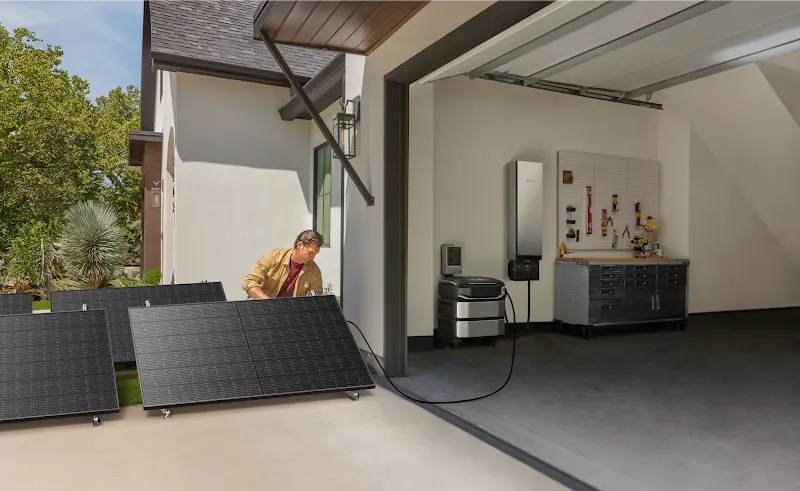
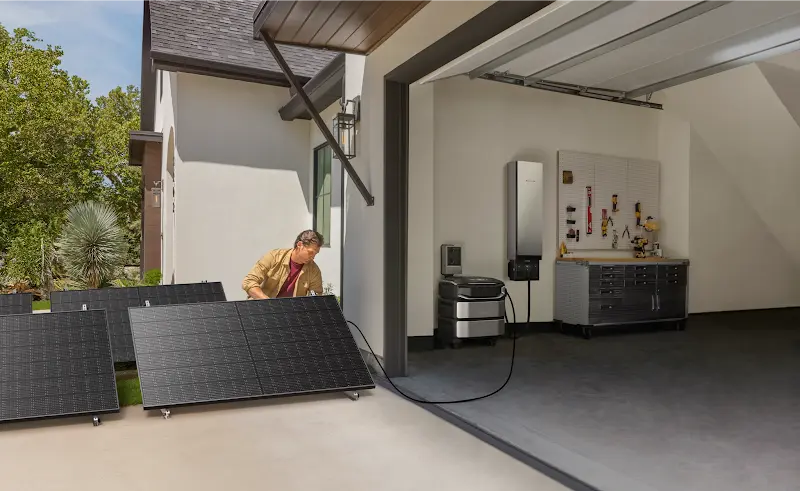
If you live in a typical suburban neighborhood, the deafening roar of a traditional generator is a great way to annoy the neighbors and keep your own family awake all night. The EcoFlow DELTA 3 Ultra (3072Wh) + 2 × 220W Solar Panel offers a silent, powerful alternative to that chaos. It’s actually quieter than your refrigerator and safe enough to keep in the garage or even right inside the house. By quietly harvesting energy from the sun, these panels transform your battery into a self-sustaining power plant that recharges throughout the day without you lifting a finger. No more midnight runs to the gas station or worrying about fire hazards from stored fuel in the shed. With a simple app on your phone, you can see exactly how much power you have left while sitting on your couch. For anyone prioritizing quiet operation and zero chores, a battery system goes beyond being a luxury; it is just a more convenient way to live.
Evaluate the Long-Term Cost of Ownership
When calculating the Total Cost of Ownership (TCO), the expenses associated with stabilized fuel, recurring oil changes, and professional tune-ups accumulate significantly. Furthermore, the “soft cost” of the owner’s time required for manual upkeep must be considered. In contrast, battery integrated systems operate with near-zero recurring maintenance costs, offering a more efficient long-term financial profile for residential backup.
Outgrow the Home's Total Peak Demand
Modern homes have more tech than ever. If your old portable unit can barely keep the lights on without tripping a breaker, it’s time to move to a modular system. You need something that can scale up to meet the demands of high-draw appliances like well pumps and dryers.
Eliminate Messy Gas Cans and Refueling
Handling gasoline in poor weather conditions, especially when the engine is hot, can be inconvenient and unsafe. Switching to a solar-ready battery system allows you to recharge via solar panels or a standard wall outlet. It also eliminates the need for fuel refueling trips, which is particularly useful during grid outages when local gas stations may not be operational.
How to Choose the Right Backup Power for Your Home
Choosing a backup system is all about finding the balance between your power needs and how much maintenance you’re willing to put up with. Here’s how to narrow down the field.
Calculate the Total Essential Appliance Wattage
Make a list of the “must-haves”, usually the fridge, Wi-Fi, and a few lights, and check their labels for “running watts” and “starting watts.” Your power source needs to handle the sum of these to be actually useful. Another thing to remember: appliances with motors, like your fridge, need a big “surge” of power just to kick on.
Compare Lithium Batteries to Gas Generators
Gas units are definitely cheaper the day you buy them, but lithium-ion systems bring silence, indoor safety, and a total lack of chores to the table. You need to weigh whether the low-maintenance, hassle-free nature of a battery system justifies its higher upfront cost compared with the lower-priced, high-maintenance gasoline generator. Another thing to consider is that you aren’t just paying for the machine, you’re paying for the peace of mind that it’ll actually work without a tune-up.
Research Federal Solar Tax Credit Incentives
In the United States, homeowners may be eligible for the Federal Residential Clean Energy Credit, which allows a 30% tax credit on qualifying solar energy systems, including battery storage when paired with solar installations. This incentive can significantly reduce the upfront cost of high-capacity home energy systems when combined with solar panels, making clean energy solutions more financially accessible over time.
Compare Automatic Switchover Response Times
Some generators may take several minutes to start, especially in low-light conditions, while battery-based systems behave more like a professional UPS. For a home office, you’ll want a setup that switches over instantly to prevent your monitors from flickering and avoid losing unsaved work.
Select a Modular and Scalable System
Your power needs today probably won’t be the same in two years. Look for a solution that lets you stack more battery modules as you go. That way, if you eventually add a basement suite or a dedicated workshop, you can just expand your existing setup instead of trashing the whole thing and starting over with a bigger unit. It’s a much smarter way to future-proof your home.
Conclusion
Taking care of a traditional generator is a labor of necessity, though most of us wouldn’t exactly call it a “labor of love.” While the occasional oil change and filter swap can keep an old engine from kicking the bucket, the trend for American homeowners is clearly shifting toward smarter, quieter tech. Whether you choose to stick with your trusty gas unit or decide to upgrade to a modern battery system, the goal doesn’t change: you just want the lights to stay on when the world goes dark. Bottom line, peace of mind is worth the prep.
FAQ
1. How Long Can You Run a Generator Without Turning It Off?
Most portable gas units need a breather every 8 to 24 hours. You have to shut them down to check the oil and let the engine cool off so it doesn’t melt itself. Letting it rip indefinitely is a one-way ticket to rapid engine wear or a total overheat.
2. Does Cold Weather Affect Generators?
It definitely does. Freezing temps turn engine oil into something resembling molasses and can drain your battery’s starting power. If you’re in a cold climate, using synthetic “winter grade” oil and a battery heater is the only way to avoid a “no-start” nightmare in January.
3. How Much Does Annual Generator Maintenance Cost?
If you’re doing it yourself, expect to spend between $50 and $150 on basic supplies like fresh oil, filters, and a new spark plug. Hiring a professional for a full standby unit service is a different story, which will usually set you back anywhere from $200 to $500 a year.
4. Can You Run a Generator at Night in a Residential Area?
You can try, but you’ll probably annoy the whole block. Most HOAs and cities have strict noise ordinances that kick in after 10 PM, making those loud gas engines a liability. This is one of the reasons many homeowners are switching to silent battery backup systems, which provide reliable power without noise restrictions or neighborhood disturbance.
For press requests or interview opportunities, reach out to our media team
media.na@ecoflow.com