How Much Does a Home Generator Cost in 2026? Complete Buyer’s Guide
- Home Generator Cost Ranges in 2026: What Most Homeowners Pay All-In
- What You’re Buying: Generator Types and What They’re Designed to Power
- What Actually Changes the Price: The Biggest Cost Drivers to Know Before You Get Quotes
- Installation and Ownership Costs: Permits, Labor, Maintenance, and Fuel Planning
- Choosing a Cost-Effective Backup Setup for Your Home in 2026
- Frequently Asked Questions
- Save Money, Increase Resilience, and Gain Control Over Your Home Power
It isn’t just your imagination: power outages are getting both more common and expensive. In fact, 45% of all US utility customers experienced a power outage in the first half of 2025 alone [1]. Installing a home generator can insulate you from spotty service and frequent storms.
This guide breaks down real-world generator costs, what affects pricing, and how to choose a backup power setup that makes sense for your home and budget.
Home Generator Cost Ranges in 2026: What Most Homeowners Pay All-In
If you’ve started shopping for a home generator in 2026, you’ve probably realized that the price range is wide. One homeowner might spend a few thousand dollars on backup power for essentials, while another invests over $20,000 in a fully integrated whole-home setup.
In most cases, homeowners can expect a complete home backup system to cost somewhere between $6,000 and $11,000 all-in. That includes both the equipment itself and professional installation. Typically, the generator unit costs around $3,000 to $6,000, while installation adds another $3,000 to $5,000, depending on the setup.
So, is a home generator worth the investment? For most people, it is, especially as outages become more unpredictable.
In extreme summer heat or winter freezes, reliable backup power can genuinely become a safety issue. Backup power protects the systems you rely on daily, including refrigeration, heating and cooling, internet, and medical devices.
What You’re Buying: Generator Types and What They’re Designed to Power
Not all home generators are built for the same job, which is why prices vary so much. The biggest cost factor is generator capacity, or how much power the system can handle, plus the type of generator you want.
Some common home generator types include:
Portable generators: Portable generators are usually the most budget-friendly option, with most systems costing somewhere between $800 and $3,000. They're designed to power your most important circuits during an outage — a practical starting point for homeowners who want reliable, essential backup.
Standby generators: Standby generators are permanently installed systems that automatically kick the power back on during an outage. Whole-home standby systems generally cost between $7,000 and $20,000, depending on system size and installation. They’re a bigger upfront investment, but standby systems are the gold standard if you’re in an area with frequent or prolonged outages.
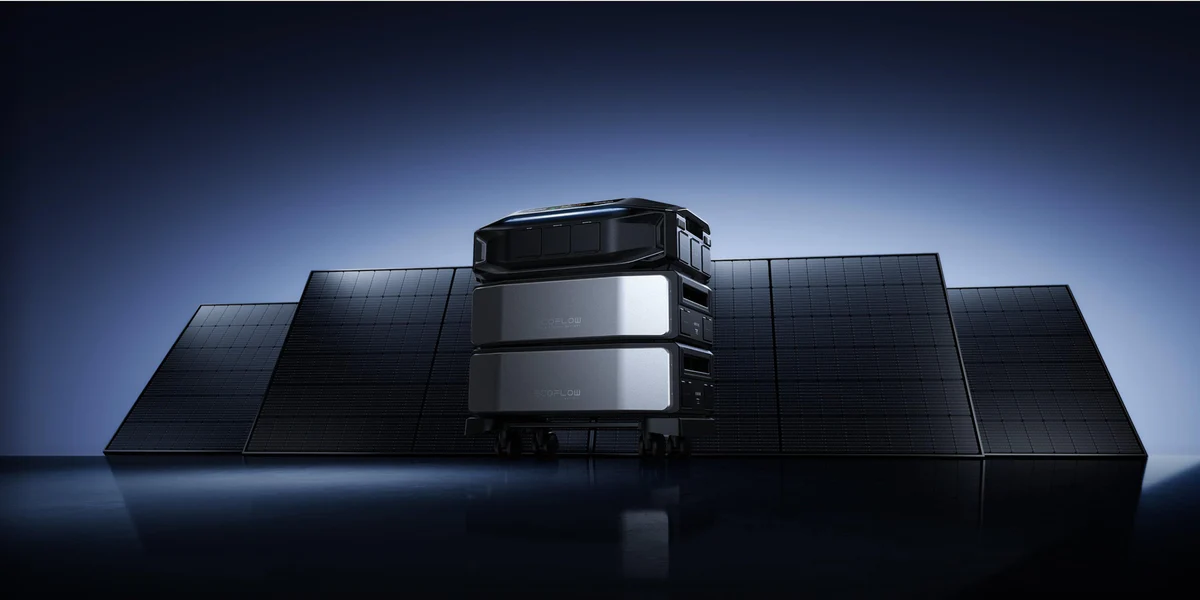
Solar backup systems: You don’t need gas or propane to run a generator. Instead of relying on fuel, solar battery backup solutions store electricity in batteries that power your home during outages. They can recharge either through solar panels or grid electricity. The EcoFlow DELTA Pro Ultra X is one example: a modular whole-home battery backup system that scales with your energy needs.
What Actually Changes the Price: The Biggest Cost Drivers to Know Before You Get Quotes
Before you start requesting installation quotes, it helps to understand the biggest cost drivers so you can put together a realistic budget. The factors that have the biggest impact on the cost of a whole-home backup solution are:
Generator size: The generator itself is usually the biggest expense. In general, the bigger the generator, the more you’ll pay.
Transfer switch: This device detects when the grid loses power and tells your generator to kick on. You need an electrician to install this, which is why it can be more expensive.
Labor: In most cases, you can’t DIY backup power installation. You’ll need to hire certified pros for the job. The longer the project takes (or the more complex it is), the more you’ll pay in labor.
Permits and infrastructure: Depending on your house, you may need to get permits and pay for infrastructure upgrades like concrete pads or trenching.
Fuel type: Traditional generators need propane or natural gas. If you don’t have these systems in place already, you’ll need to set them up.
Installation and Ownership Costs: Permits, Labor, Maintenance, and Fuel Planning
Ownership costs go beyond installation day. Fuel, maintenance, inspections, and long-term operating expenses all factor into the total cost of your backup power system over time.
A typical installation process may include:
Site evaluation
Electrical planning
Permit approvals
Transfer switch installation
Wiring
Inspection and testing
It can take a few weeks to complete these steps, but it could take longer if you need trenching or a concrete pad.
Installation is usually the biggest upfront expense, but it’s not the only cost you should budget for. Fuel-powered generators come with ongoing operating costs every time they run. Fuel usage depends on generator size and runtime, but many homeowners spend around $10 per hour.
Maintenance is another long-term expense. Traditional gas or propane generators usually need:
Oil changes
Filter replacements
Battery checks
Routine inspections
Periodic servicing
Fuel system maintenance
Battery backups tend to have lower ongoing maintenance requirements than fuel-powered generators, since there's no oil, fuel system, or combustion engine to service.
Choosing a Cost-Effective Backup Setup for Your Home in 2026
The right backup setup depends on how much courage you need and how your energy priorities might change over time.
The EcoFlow DELTA Pro is built for homeowners who want reliable backup power for the essentials, without the cost or complexity of a full-home installation.
Because it’s portable and expandable, it works especially well for:
Essential home backup
Apartments and smaller homes
RV travel and camping
Emergency preparedness
Home office backup
You can use it to keep essentials running during outages while still having the flexibility to take it on the road or use it for outdoor projects.
If your goal is expandable whole-home coverage, the EcoFlow DELTA Pro Ultra X is designed to grow with you. You can add capacity over time as your energy demand and budget grow, giving you a whole-home backup path that doesn’t require a single large upfront commitment.
Frequently Asked Questions
How Much Does a Home Generator Cost in 2026?
In 2026, most homeowners spend between $6,000 and $11,000 for a complete home generator setup, including installation. Smaller portable systems may cost under $3,000, while larger whole-home backup systems can exceed $20,000. That’s a big range, so request a few quotes to get a feel for fair pricing in your area.
How Do I Choose the Right Generator Size for My Home?
It depends on how many things you need to run. Some homeowners only need to run essentials like refrigerators, internet, lights, and medical devices. Others want enough backup power for HVAC systems and appliances. When in doubt, you can ask an electrician to calculate your load, which will help you find the right-sized option for your house.
What Does Installation Include, and How Much Will It Add?
Installation includes electrical work, connecting the transfer switch, and permitting and inspections. It depends on your home and system, but installation can add $3,000 to $10,000 to your total costs, so budget carefully.
Are There Rebates or Incentives for Home Backup Power?
Usually, yes! Check with your state, city, or utility company to see if you can save money through local programs. These incentives vary a lot by location and time of year, but you’ll generally see more options for green technologies like solar generators.
Save Money, Increase Resilience, and Gain Control Over Your Home Power
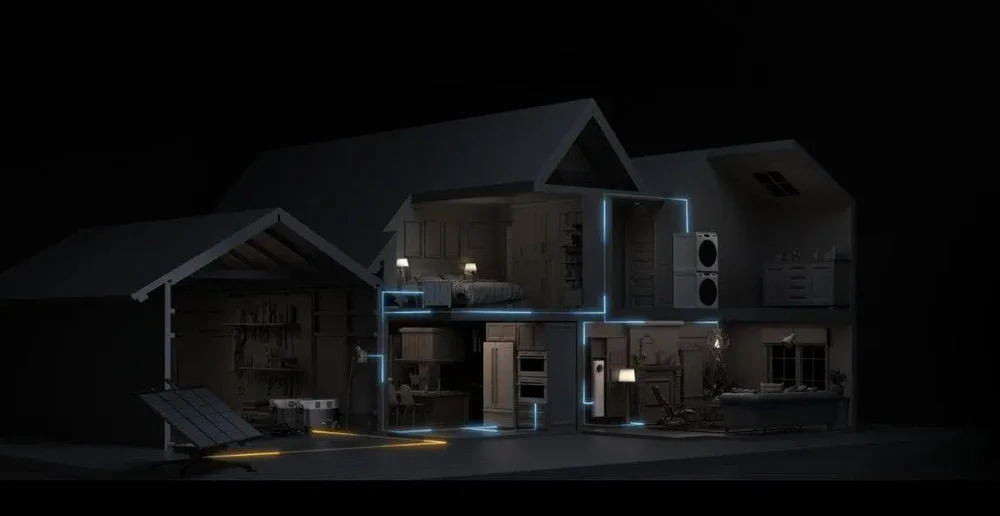
Home generator costs vary a lot, so it’s best to get quotes for your home from a few professionals. Fortunately, you’ve got plenty of options. Between portable power stations, expandable battery systems, and whole-home backup solutions, it’s possible to build a setup that fits both your budget and your energy goals.
Whether you're starting with essentials or ready for full coverage, options like the EcoFlow DELTA Pro and the EcoFlow DELTA Pro Ultra X, you can build toward whole-home backup at a pace that suits your budget.
For press requests or interview opportunities, reach out to our media team
media.na@ecoflow.com