How Do Tiny Homes Get Electricity? Solar & Backup Power Explained
- Why Tiny Homes Need a Reliable Power Plan
- Grid, Off-Grid, or Hybrid: Choosing the Right Setup
- How Tiny Home Electricity Works: Solar, Batteries, and Inverters
- Backup Power for Tiny Homes: What Actually Keeps You Running
- How to Size a Tiny Home Solar and Backup System
- Frequently Asked Questions
- Reliable, Efficient, and Scalable Tiny Home Power Solutions
Tiny homes might be smaller and simpler, but powering them takes more planning than you’d expect. Between solar panels, battery storage, backup power, and off-grid setups, a few key decisions have a direct impact on your comfort and reliability.
Here's what you need to know about tiny home electricity and how to build a setup that fits your lifestyle.
Why Tiny Homes Need a Reliable Power Plan
A tiny home is still a home, so you need electricity for lighting, refrigeration, cooking, internet, and HVAC. But if you live off-grid in a remote area, losing power hits a lot harder than it would in a traditional suburban home.
Every home needs a backup power plan, but it’s essential for tiny homes. Even basic daily loads can add up quickly between mini fridges, induction cooktops, laptops, and portable AC units. The last thing you want is to run out of energy when you're in a remote location with no utility access.
Comfort and safety aside, a power plan also benefits your wallet. Many tiny homeowners want more energy independence as outages and utility costs continue to rise.
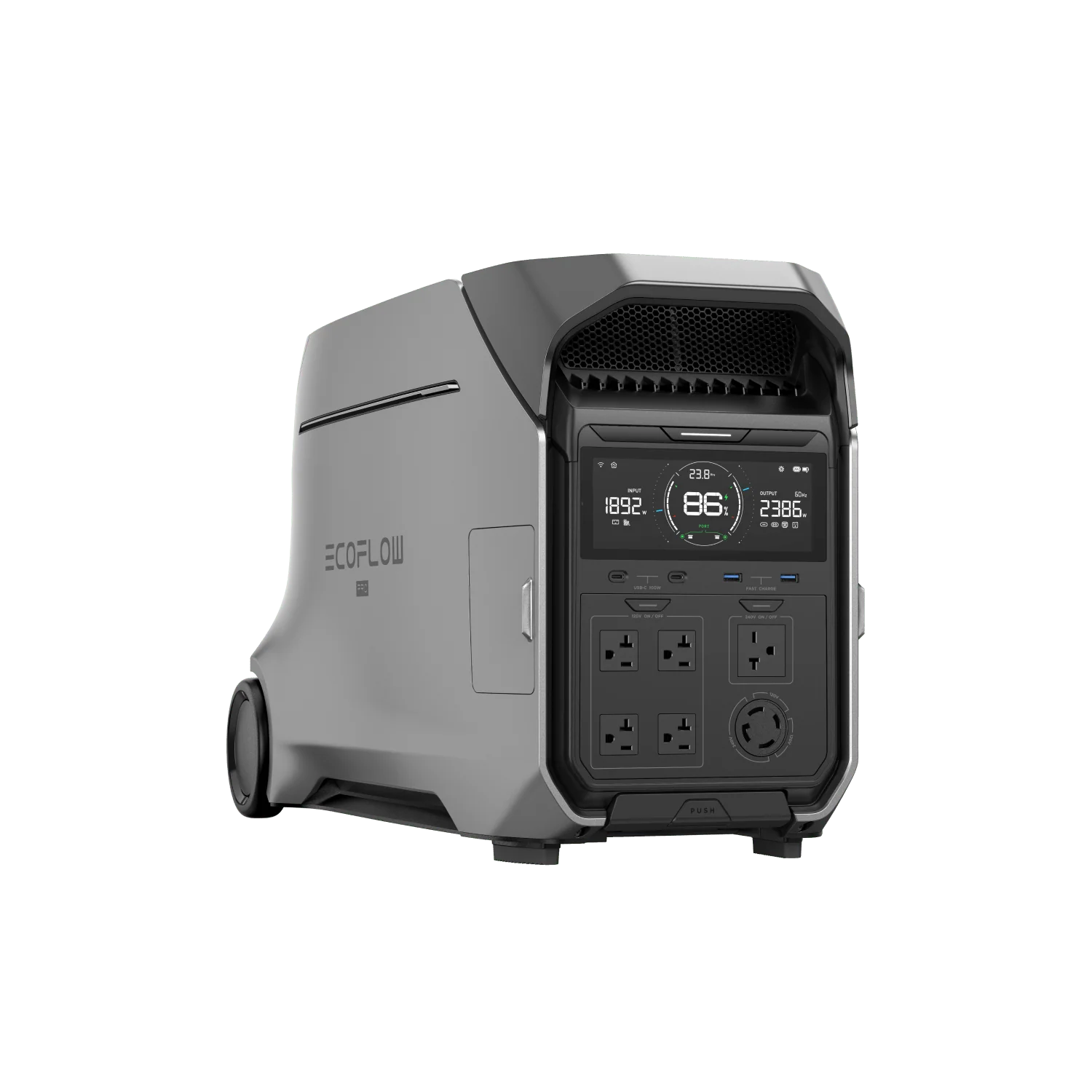
Tiny home power systems are more flexible than you might think. A portable system like the EcoFlow DELTA Pro 3 can cover the essentials (lights, refrigeration, internet, and device charging) without taking up much space. If your lifestyle calls for a hybrid setup or you want room to scale up, expandable whole-home backup options can grow with you.
Grid, Off-Grid, or Hybrid: Choosing the Right Setup
Your energy plans can have a big impact on your home build. Choose between these three options to power your tiny home:
Grid: With this option, you connect your tiny home to the grid just like you would a normal house. The upside is that you have access to steady, reliable energy. The downside is that you need access to the grid itself, which isn’t always an option in remote areas. You’re also at the mercy of the grid if there’s a blackout.
Off-grid: Off-grid systems don’t connect to the grid at all, so you’re free to come up with your own setup. Most tiny homeowners go with solar, though. Solar panels paired with battery storage can keep essentials like lighting, refrigeration, and device charging running without the utility bills.
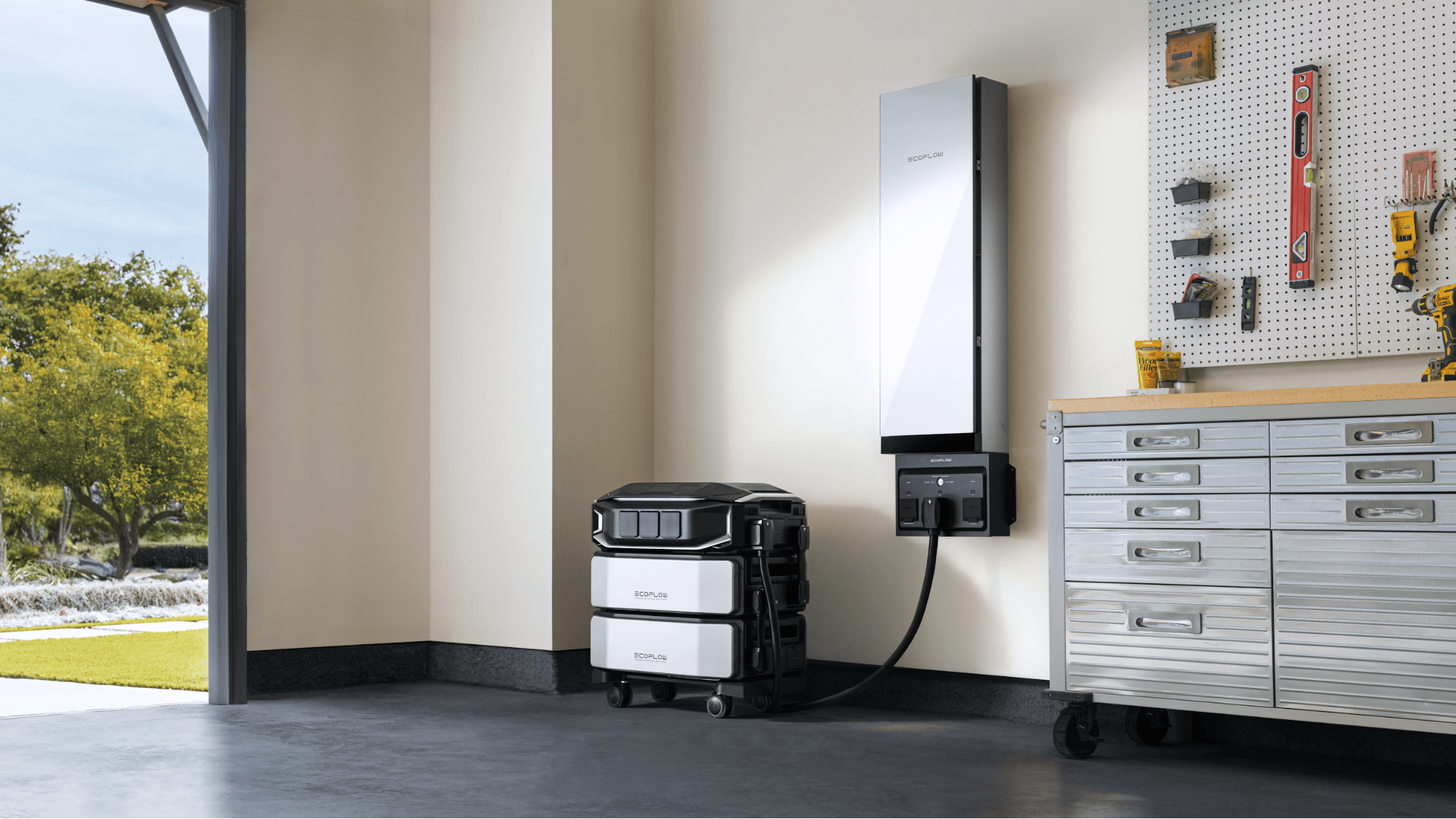
Hybrid: Hybrid setups are connected to the grid, but can go off-grid if needed. This system is a little more work up front, but it gives you the most options. Options like the EcoFlow DELTA Pro Ultra X support both hybrid and off-grid living by combining expandable battery storage, solar charging, and backup power in one setup.
How Tiny Home Electricity Works: Solar, Batteries, and Inverters
Off-grid solar power for tiny homes is one of the most common options. But how does it work?
Fortunately, you don’t have to be an electrician to understand it. The basic solar setup includes:
Solar panels: Solar cells capture sunlight and generate DC (direct current) electricity.
Charge controller: This controller regulates the flow of electricity to protect your battery from overcharging.
Battery storage: You may generate more energy than you can use right now. A battery stores extra power for nighttime, cloudy weather, or outages.
Inverter: An inverter converts DC electricity into AC (alternating current) power, which most household appliances require.
Solar is quiet, renewable, and pays for itself over time. It also means you can live independently from the grid. Still, solar does require a careful setup.
Before building a solar system, calculate how much electricity your tiny home actually uses each day. Many people underestimate the needs of high-draw appliances like portable AC units, heaters, or induction cooktops. Battery sizing matters, too. A battery that’s too small can overload or run out of power, while an oversized battery bank can be harder to keep fully charged.
Backup Power for Tiny Homes: What Actually Keeps You Running
You can’t settle for one power source in a tiny home, especially if you live off-grid. You need multiple failovers in place in case one of your systems breaks down. There are a lot of options for backup power, but some of the most popular are:
Battery backups: These modern backups are quiet, low-maintenance, and safe to use indoors. Systems like the EcoFlow DELTA Pro 3 store electricity for outages and can recharge from wall power or solar panels. It’s ideal for running essentials like lights, internet, fans, and small appliances without the noise or fumes of a gas generator.
Solar generators: Solar generators are perfect for remote homes because they combine battery storage with solar charging. Just remember that solar production depends on weather and sunlight, so you’ll need enough battery storage for cloudy days and nighttime use.
Fuel generators: Gas or propane generators can provide long runtimes and high output, but they’re noisy, and you definitely can’t run them inside. Still, they’re a traditional choice that’s worth considering.
How to Size a Tiny Home Solar and Backup System
Whether you plan to get power from the grid and just need a backup, or you want to go all-in on off-grid living, you need to size your system appropriately. Your tiny home needs just enough energy, plus some extra, to power essential appliances.
Here’s how to calculate the amount of energy you need to comfortably run your home:
Estimate Your Usage
Start by estimating your daily energy use in watt-hours. Add up the appliances you use most, how many watts they consume, and how long they run each day. Lights, laptops, routers, fans, refrigerators, and portable AC units all add to your total.
Consider Peak Wattage
This is the highest amount of power your system will need at once. For example, running a microwave and a portable heater at the same time creates more demand than charging your phone.
Solar Production
After considering how much energy you’ll use, now look at how much electricity your system can produce. Your setup needs enough panel capacity to recharge your batteries based on your local sunlight conditions. If you live in an area with less sunlight, you may need more panels or additional battery storage.
Size Your Battery Storage
Your battery capacity determines how long your system can run without solar input — overnight, during cloudy stretches, or through an outage.
For essential coverage (lights, a mini fridge, internet, and device charging), 2–5 kWh of usable storage is often enough for an overnight gap.
For whole-home coverage, or if you're going fully off-grid and need to bridge multiple low-sun days, you'll typically want 10 kWh or more.
If your needs are likely to grow — adding an EV charger, a second AC unit, or more appliances — look for a system with expandable capacity like the EcoFlow DELTA Pro Ultra X, so you're not starting over as your setup evolves.
Ultimately, the more items you want to run or the less sunlight you have, the bigger your system will need to be.
Frequently Asked Questions
What Is the Best Power Source for a Tiny Home?
That depends on where your tiny home is located and which appliances you want to power. Grid power is the simplest option if you already have a utility hookup, but solar with battery storage is the most practical choice for off-grid living. It’s smart to have a backup anyway, so many tiny homeowners go with a hybrid option with both on- and off-grid settings, just in case.
How Much Solar Power Does a Typical Tiny Home Need?
The answer varies based on your home’s size, location, and which appliances you want to run. A smaller setup focused on essentials uses far less than a whole-home off-grid system. Start by calculating your daily watt-hours, then factor in your local sun hours to figure out how many panels and how much storage you’ll need.
Can a Tiny Home Run Off-Grid Year-round?
With careful planning, yes. A year-round off-grid setup usually needs enough solar production and battery storage to handle cloudy weather, seasonal changes, and overnight energy use. You don’t want to run out of power when it matters, so even if you’re off-grid, you still need a backup energy source, like a portable battery, for emergencies.
How Do I Size a Backup System for Critical Appliances?
Start by listing the appliances you want running during an outage, and check both their running and starting wattages. Then estimate how long you’ll need backup power for each device. This helps determine the battery capacity and inverter size your system needs to comfortably support the essentials.
Reliable, Efficient, and Scalable Tiny Home Power Solutions
You don’t have to sacrifice comfort or flexibility to power your tiny home. Whether you stay connected to the grid, live fully off-grid, or install a hybrid setup, the key is to build a system that matches your actual energy needs. Solar panels, battery storage, and backup power can keep everything from lights and laptops to refrigerators and small appliances running, even during outages.
Whatever your setup — grid-tied, off-grid, or hybrid — EcoFlow's whole-home backup power solutions are built to scale with your energy needs, from essential coverage to full off-grid living.
For press requests or interview opportunities, reach out to our media team
media.na@ecoflow.com