Leasing vs. Buying Solar Panels in 2026
- Quick Answer: Is It Better to Lease or Buy Solar Panels in 2026?
- What Does It Mean to Lease vs. Buy Solar Panels? (Plain‑Language Breakdown)
- Leasing vs. Buying: Upfront Cost and Monthly Cash Flow
- How Do Leasing vs. Buying Impact Your Home's Value?
- Challenges with Selling a House with a Solar Lease
- Leasing vs. Buying Solar Panels: Control, Flexibility, and Risk
- How to Decide Between Leasing and Buying Solar Panels in 2026
- Choosing the Best Solar Path for Your Home
- FAQs: Leasing vs. Buying Solar Panels
- Disclaimer
Solar marketing is everywhere in 2026, often hiding the big differences between leasing and owning. If you lease, you pay a monthly fee to use a company's equipment. If you buy, the panels are yours. This choice affects everything from your total savings to how hard it is to sell your house later. Since a solar system would stay on your roof for 25 years or more, you need to know which path protects your wallet. This comparison cuts through the jargon to help you decide.
Quick Answer: Is It Better to Lease or Buy Solar Panels in 2026?
Choosing the right path for your home depends mostly on your long-term financial plans. For most people, buying is the superior choice because it offers much higher total savings and keeps you in control of your property.
Upfront cost: Leasing is almost always $0 or very low. Buying requires cash or a loan, though many ownership loans also offer $0 down options.
Ownership: A third party owns leased panels. You have full ownership of bought panels.
Incentives: In 2026, the main federal residential tax credit has ended, so state-level programs, including state solar incentives and rebates, tax credits, and performance-based incentives (PBIs), now play a much larger role in overall solar savings. Owners usually claim these directly, while lease/PPA providers typically keep most incentives, reflecting them indirectly as lower monthly payments rather than passing them through 1:1.
Home Value: Owned systems are a physical asset. Leases can become a hurdle if you decide to sell your home.
What Does It Mean to Lease vs. Buy Solar Panels? (Plain‑Language Breakdown)
While many solar terms sound alike, the legal difference between being a tenant and an owner significantly changes your financial outcome.
How Solar Leasing Works in 2026
In a lease, a third-party company owns the panels and inverter on your roof. You pay a fixed monthly fee to use the equipment. While these plans offer a "$0 down" start and include maintenance, they come with long-term strings. Most contracts last 20 to 25 years and include an "escalator" clause, causing your monthly payment to rise every year.
Where Do Solar PPAs Fit Under "Leasing"?
A Power Purchase Agreement (PPA) is almost identical to a lease, with one twist: instead of a flat monthly rent, you pay for the specific amount of electricity (kWh) the panels produce. The solar company still owns the system and keeps any available incentives. In this comparison, we group PPAs with leasing because you remain a customer rather than an owner.
Owning Your Solar Panel System: Cash vs. Loans
Buying solar panels puts you in total control. There are two ways to do this:
Cash Purchase: You pay the full cost upfront. This eliminates monthly payments and makes your electricity virtually free immediately.
Solar Loan: You pay for the system over time. Once you pay off the loan, usually within 10 to 15 years, the remaining life of the system provides pure savings.
Regardless of how you fund it, ownership allows you to claim any remaining local incentives and adds measurable value to your property.
Leasing vs. Buying: Upfront Cost and Monthly Cash Flow
Most families first ask: "How much does this cost today, and what is my monthly bill?" Comparing immediate spending against long-term costs shows why the cheapest start isn't always the best deal.
Upfront Cost Comparison
Leasing: This path has the lowest barrier to entry. Plans are often $0 down, making them a common choice for households with limited extra cash.
Buying: Paying cash requires a large one-time payment. If you choose a loan, the upfront cost can also be $0, but you are adding a formal debt to your record.
Monthly Payments and Bill Savings
Leasing: You pay a set monthly rent. Your savings equal your old electric bill minus your new smaller bill and the lease fee. If the contract has an escalator, your rent price climbs every year.
Buying with a Loan: Early on, your monthly loan payment usually feels similar to your old electric bill. The big change happens after you pay off the loan. Your monthly cost then drops to nearly nothing, leaving you with much more cash for other needs.
Short-Term vs. Long-Term Cash Flow
In the first three to five years, leasing and buying through a loan look very similar. Both options slightly lower your monthly expenses. Between years six and twenty, the gap widens. The homeowner with a paid-off system stops paying for power, while the person who leased continues to face rising monthly rent for the life of the contract.
How Do Leasing vs. Buying Impact Your Home's Value?
Your house is a major investment. Adding solar panels can make it more attractive to buyers or create a legal obstacle that stops a sale. Current real estate trends show that how you pay for your system determines its impact on your home's price.
Owned Solar: A High-Value Asset
An owned solar system is viewed as a permanent improvement, similar to a kitchen remodel. Because the equipment stays with the house and has no monthly rent, it attracts buyers looking for low utility costs. In many markets, homes with fully paid-off systems sell at a premium compared to houses with standard electric bills.
Leased Solar: Why Buyers Stay Away
One of the main disadvantages of leasing solar panels is the burden it places on a buyer. When you sell, the new owner sees:
A 10 to 20-year legal contract they must sign.
A mandatory monthly payment that functions like a second bill.
Complex rules regarding equipment upgrades or moving the panels.
Many real estate agents note that buyers often skip listings with leased solar to avoid the paperwork and credit checks. Instead of a selling point, a lease can become a negative factor that buyers use to negotiate a lower price.
Challenges with Selling a House with a Solar Lease
Transferring a solar contract is often more difficult than sales reps suggest. Closing a deal with a lease involves credit hurdles and financial risks that can delay your move or cost you thousands at the closing table.
What Happens at Resale?
When selling a home with leased solar panels, you typically have two choices:
The Buyer Takes Over: The new owner must pass a credit check by the solar provider and agree to the remaining years of the contract.
The Seller Pays Off the Lease: You pay a lump sum to end the contract early.
Common Obstacles for Sellers
Homeowners often report risks of solar panel leasing during the selling process.
Buyers frequently refuse to take on a new monthly bill, forcing the seller to pay for the system themselves.
These "buyout" prices can be extremely high, sometimes equaling the total remaining rent.
In some cases, paying off the lease only covers the power, but the company still keeps ownership of the panels.
Why Buying Is Usually Simpler at Resale
Buying solar panels removes these barriers. Since there are no third-party contracts or credit checks, the sale proceeds like any standard home transaction. Instead of a liability to manage, you offer a clear asset that provides the next owner with free electricity from day one.
Leasing vs. Buying Solar Panels: Control, Flexibility, and Risk
Ownership gives you the final say over your property. As technology improves and roofs age, being in charge of the hardware on your shingles becomes a major advantage.
Maintenance, Upgrades, and Roof Work
Leasing: The company handles basic repairs, but you lose control over your roof. Any changes, like replacing shingles or moving panels for a remodel, require their permission and often involve extra fees. You cannot easily add a battery or upgrade parts without their approval.
Buying: You have total control. You can upgrade your inverter, add more panels, or install a battery whenever you choose. If you need roof work, you hire your own contractor and move at your own pace.
Contract Risk vs. Equipment Risk
There are different solar lease contract pros and cons regarding long-term reliability.
Lease Risks: The company takes the technical risk if a panel breaks. You take the contract risk. If the provider is sold or goes out of business, your service quality may drop, or your contract terms could change.
Ownership Risks: You are responsible for maintenance and equipment. While you handle the repairs, you are never trapped in a 20-year service agreement. You can hire any local technician to fix your system using standard manufacturer warranties.
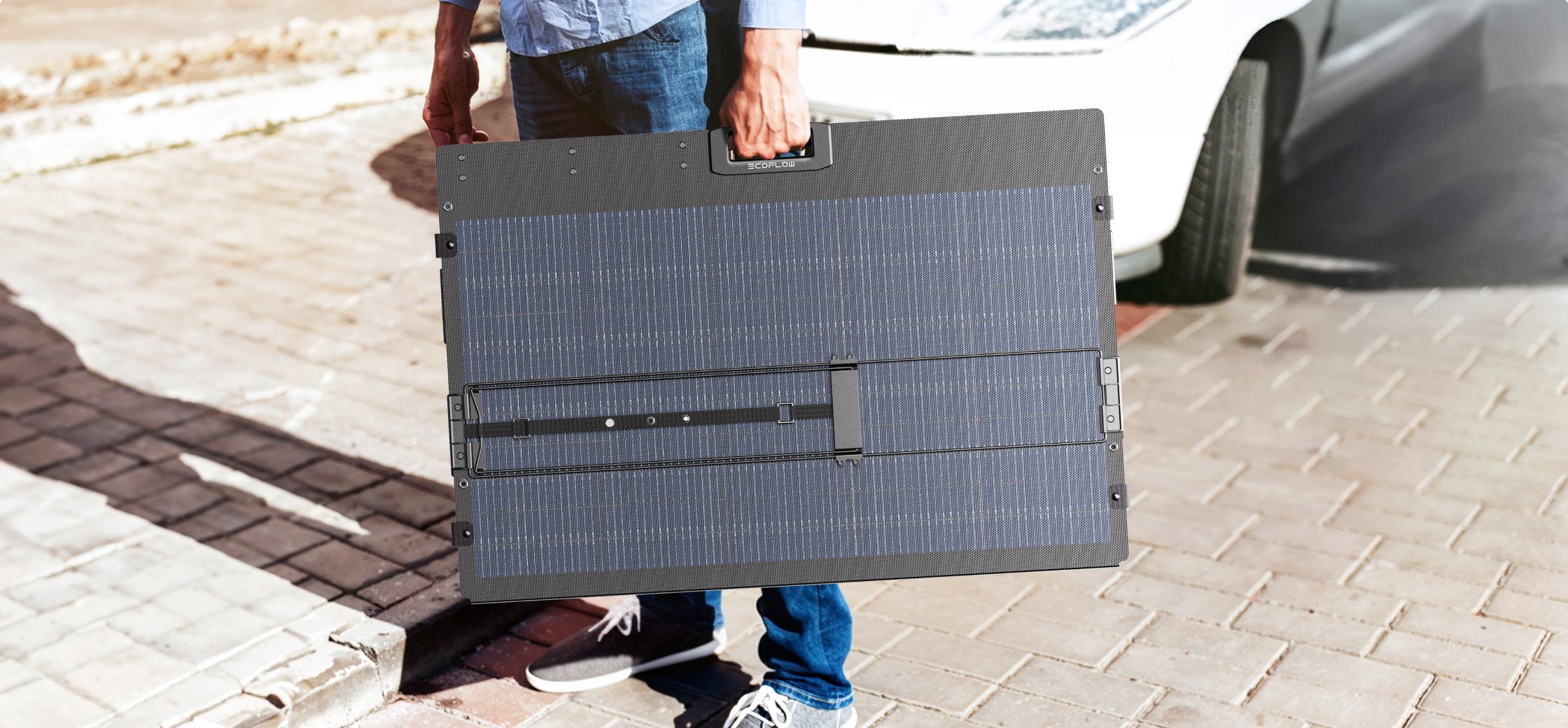
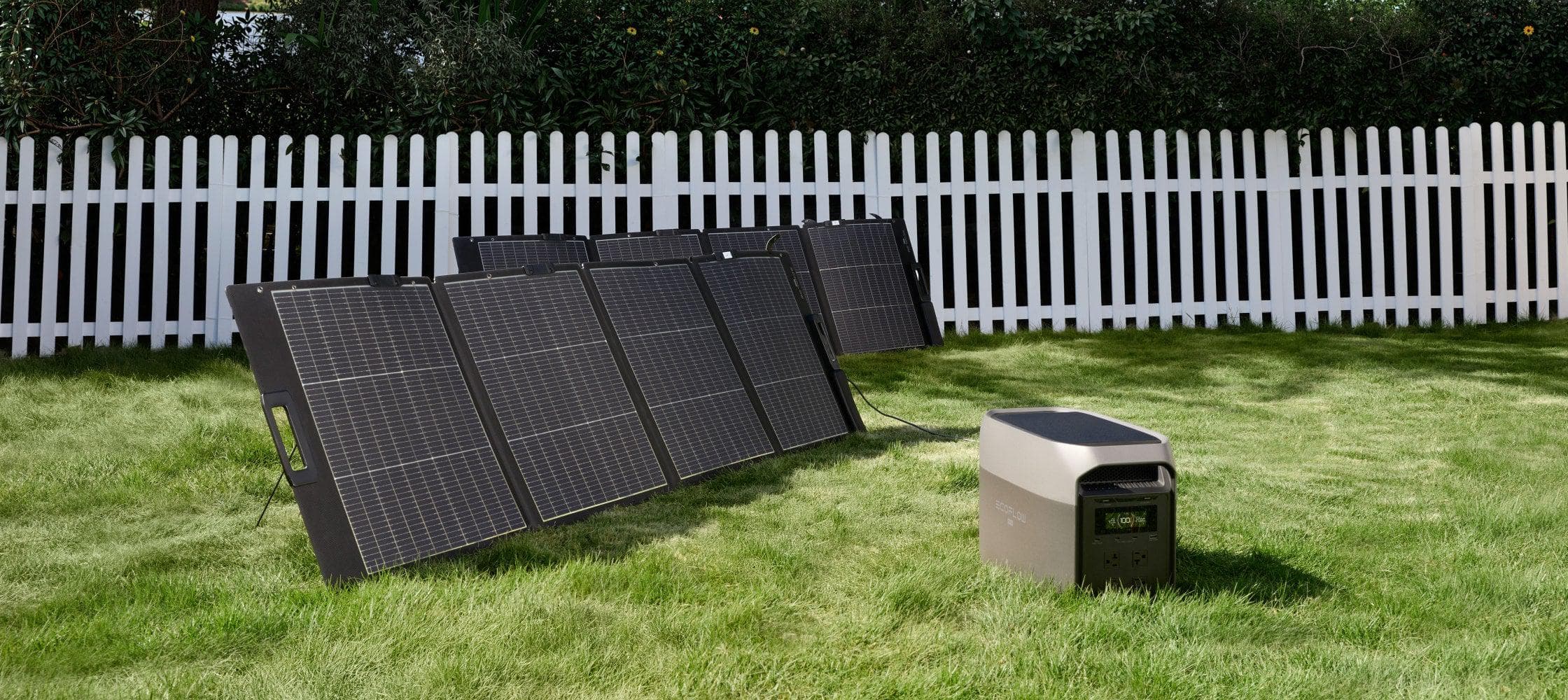
For even more flexibility, some homeowners start small with portable panels instead of a roof lease. A EcoFlow NextGen 220W portable solar panel delivers 220W of high‑efficiency, IP68‑rated solar you fully own, without adding any contracts to your property.
How to Decide Between Leasing and Buying Solar Panels in 2026
Picking a side requires looking at your future plans and financial habits. In 2026, the best choice depends on your timeline and how much control you want over your home.
Key Questions to Ask Yourself
How long will I live here? Staying for 10 or more years makes ownership much more profitable.
Can I get a good loan? If you have decent credit or cash, you can avoid long-term rental fees.
What is my priority? Do you want a tiny discount today with $0 down, or do you want to maximize your home's value and total savings over 20 years?
Who Should Buy?
Ownership is best if you plan to stay in your home long-term.
It works well for those who can use local rebates and want to turn an endless electric bill into a manageable loan.
If you care about solar ROI and want a clear path to free power, buying is the right move.
When Leasing Might Still Be a Rational Choice
A lease might be a rational choice if your credit makes getting a loan difficult.
It also suits people who strictly avoid taking on new debt or simply don't want the responsibility of maintenance.
If your main goal is "set it and forget it" without seeking the highest possible profit, a lease provides a simple safety net.
Choosing the Best Solar Path for Your Home
Owning your system remains the smartest move in 2026. While a lease has a low entry cost, the long-term price hikes and selling headaches often outweigh that initial ease. Buying gives you total control, higher savings, and a more valuable house. If you want the perks of solar without the complicated roof contracts, consider a portable setup. Pick up the EcoFlow NextGen 220W portable solar panel to start generating your own power today!
FAQs: Leasing vs. Buying Solar Panels
Q1: Is it better to lease or buy solar panels in 2026?
For most people, buying remains the better choice, but for different reasons than in the past. Since federal tax credits expired at the end of 2025, buying is now about protecting yourself from utility rate hikes without being stuck in a 20-year rental contract. Buying keeps your home easy to sell and eliminates the "price escalators" found in most leases.
Q2: Do leased solar panels really save money compared to just buying?
Leasing usually saves you money compared to having no solar at all. However, it rarely beats ownership. Even without federal credits, owners keep 100% of local rebates and state-level incentives. Leasing companies take those local perks for themselves and charge you an annual price increase, which eats into your long-term wealth.
Q3: Will a solar lease make it harder to sell my house?
Yes. In the current real estate market, buyers are increasingly cautious about taking over old solar contracts. While an owned system is a debt-free asset that adds value, a lease is a legal obligation. Many buyers will ask you to pay off the lease entirely before they agree to close the sale, which can be a massive unexpected expense.
Q4: Can I start with a lease and switch to owning the panels later?
Most leases offer a buyout option, typically starting after year five. The problem is the cost: these prices are calculated to protect the company's future profits, not to give you a fair deal. Because buyout costs are often much higher than the equipment's actual value, choosing ownership from day one is almost always the cheaper path.
Disclaimer
The information provided in this guide is for educational purposes only and does not constitute professional financial, tax, or legal advice. Solar policies, utility rates, and local incentives in 2026 vary significantly by state and municipality. Since the expiration of major federal tax credits under the Internal Revenue Service (IRS) guidelines at the end of 2025, homeowners should consult with a certified tax professional or financial advisor before signing a long-term contract. For the most current data on local solar regulations and available state rebates, please visit the Database of State Incentives for Renewables & Efficiency (DSIRE).
For press requests or interview opportunities, reach out to our media team
media.na@ecoflow.com