Lawn Mower Battery Charging Tips for Longer Life
Your lawn mower battery is one of the most critical yet overlooked parts of your machine, at least until it fails. How you charge it and how it’s stored, as well as the type and model, all affect how long it will last and how well it performs. But with a few smart tips and the right technology, you can expand its lifespan and get reliable performance for many years.
What Is Lawn Mower Battery Longevity?
Lawn mower battery longevity is how long it lasts under normal use. This depends on various factors. For instance, is it a robotic or traditional mower?
Traditional ride-on mowers may still come with lead-acid batteries. Those only have about 300–700 charging cycles, which means they need to be replaced after about 2–5 years.
Newer robotic mowers often use LiFePO4 batteries with more charging cycles, so they last about 10 years or more.
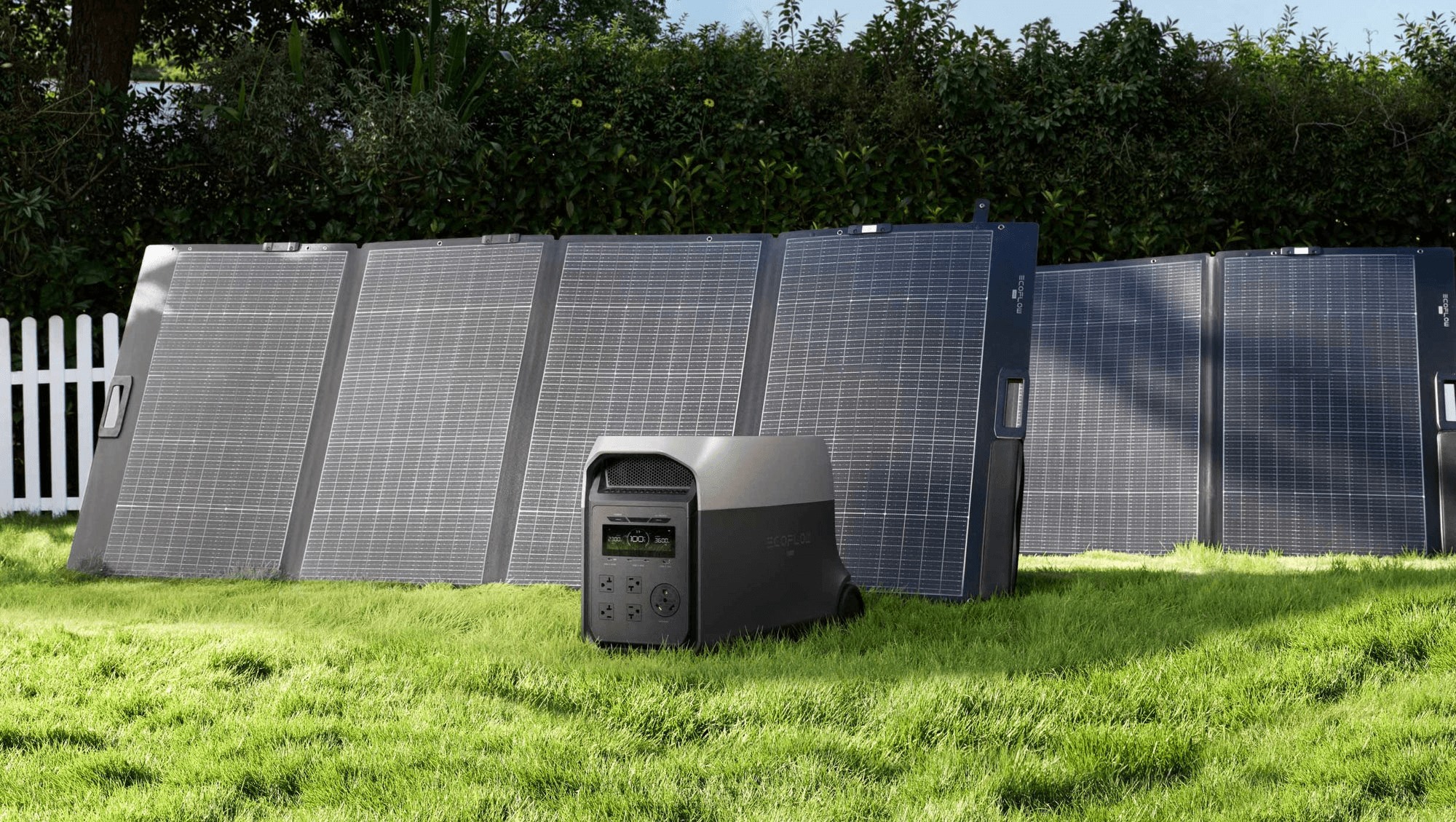
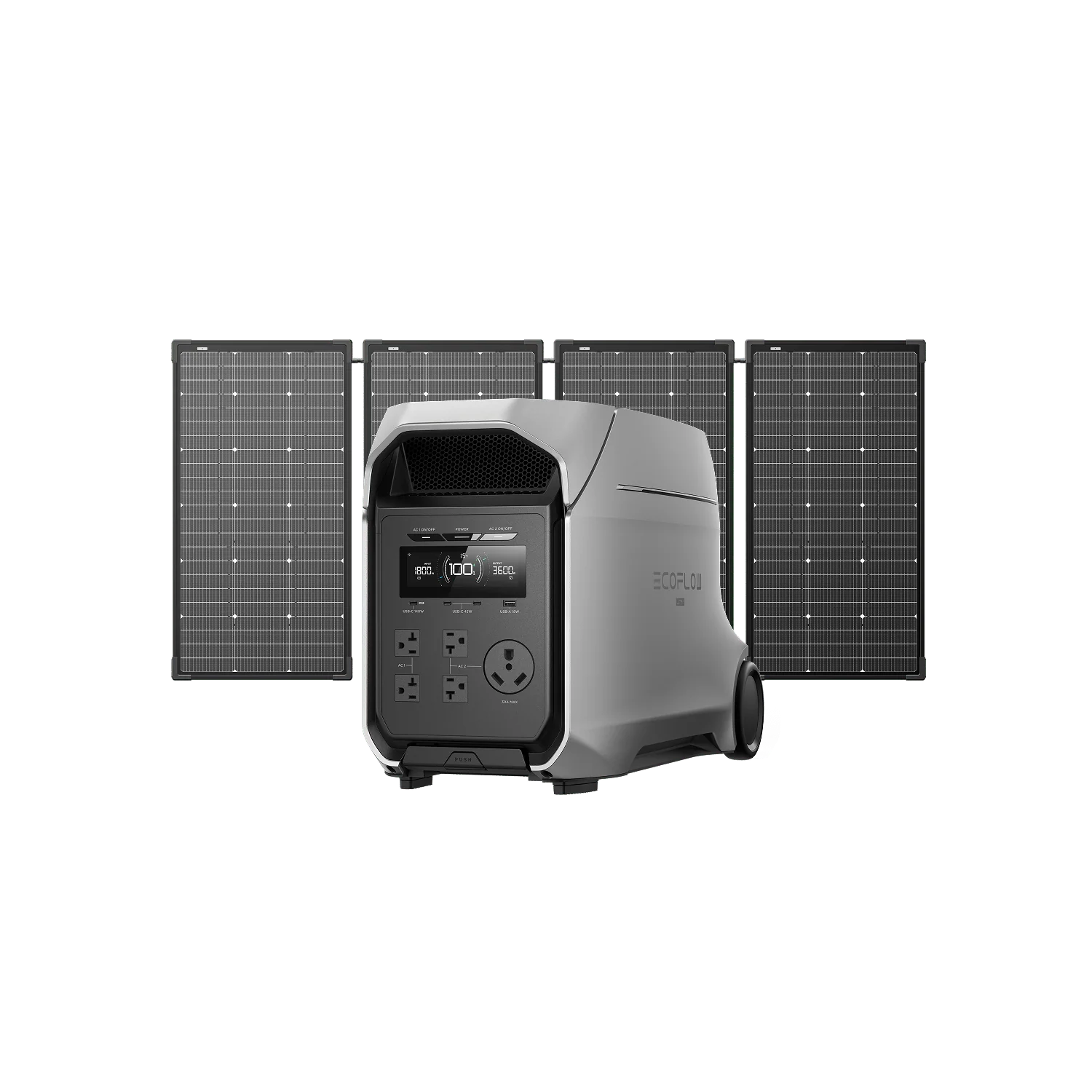
To ensure you always have the power to recharge your batteries, you can use a portable power station like the EcoFlow DELTA 3 Ultra Plus + 500W Solar Panel Kit, using sustainable solar with zero emissions and no fuel or electricity costs.
What Affects Lawn Mower Battery Life?
The type of lawn mower and battery it has will affect its longevity. Here are a few additional important factors:
Chemistry, Depth Of Discharge, And Temperature
Battery chemistry makes a huge difference. Traditional deep-cycle lead-acid models only have a depth of discharge (DoD) of about 50%, meaning you can only use 50% of the capacity. And if you drain them to 50% all the time, it degrades them even faster.
Another issue is temperature. While they can be operated up to 131°F (55°C), temperatures over 77°F (25°C) accelerate corrosion and reduce their lifespan.
Modern LiFePO4 batteries have a DoD of 95–100%, meaning you can use their full capacity. They can also be used up to 140°F (60°C), and they don’t start having performance issues until roughly 113°F (45°C), so they perform much better on hot sunny days.
Storage And Maintenance Habits
Storage and maintenance habits can significantly impact longevity.
The problem with lead-acid batteries is that they require more maintenance. They also lose charge quickly in storage and should never be drained completely, so they require periodic top-ups during the off-season to ensure they still work the next spring.
LiFePO4 models require no maintenance and hold their charge much longer, so they can sit for months.
However, storage is a potential issue with any chemistry. If you leave batteries in an uninsulated shed or garage in a very hot or freezing climate, it can reduce their lifespan. Ideally, store them in an insulated garage or basement.
If you’re worried about running out of power, a whole-home generator will ensure you can always stay charged up and keep your lawn looking fantastic, no matter what the grid is doing.
Practical Tips to Extend Battery Life
Check for loose connections, as they can cause short circuits and permanent damage.
Store your batteries in a cool, dry place during the off-season, away from extreme temperatures.
Store batteries between 20% and 80% charge. Being too full or too empty can create internal chemical stress that can reduce their capacity.
Always disconnect batteries in long-term storage to avoid phantom drain (mowers may still draw power when not in use).
Never charge batteries below freezing or in extreme heat, as it can damage them.
Use the correct OEM charger or one recommended by your manufacturer.
Avoid overcharging and never leave batteries on the charger once fully charged.
Avoid deeply discharging your battery; charge regularly.
If you have lead-acid batteries, maintenance is critical. Keep your terminals clean, ensure the liquid is topped up in flooded lead-acid models, and charge them occasionally in winter. LiFePO4 models require no such maintenance.
Use a whole-home backup power solution to charge batteries and keep your home running even during extended power outages.
The Smarter Solution: Modern Battery Management For Lawn Mowers
Modern LiFePO4 batteries are the smarter solution for lawn mowers, not only because they can handle high temperatures better than lead-acid or traditional lithium without being so prone to thermal runaway, but also because they make charging easier, more efficient, and safer.
Why Smart Battery Management Matters For Runtime And Lifespan
If you have an LiFePO4 model, it probably comes with a built-in battery management system, or BMS.
The BMS prevents overcharging by slowing as it reaches capacity before finally stopping charging once it is full. It also prevents over-discharging and helps control heat better, protecting against overheating.
These features improve their lifespan, allowing them to last 10+ years. They’re also perfect for integration into modern robotic lawnmowers, helping them run longer than ever.
Frequently Asked Questions
How Long Should My Lawn Mower Battery Last?
Lead-acid models should last about 2–5 years before needing replacement. However, if your mower uses a modern LiFePO4 battery, it should last at least 10 years.
What Is the Best Way to Charge a Mower Battery?
The best way to charge mower batteries is with the OEM or recommended charger to prevent damage. Then, follow the manufacturer’s directions, and remove it from the charger immediately once it’s full.
Is It Okay to Leave a Lawnmower Battery Charging Overnight?
If you have a standard charger, no, you should never leave it overnight to avoid the risk of overheating and thermal runaway. A smart charger should be safe overnight, but you should still remove it first thing in the morning.
Extend Battery Life, Improve Runtime, Reduce Downtime
The lifespan of a lawn mower battery depends on a mix of technology and good habits. While things like proper charging, storage, and maintenance all affect lifespan, the biggest gains come from using modern LiFePO4 batteries and battery management systems to ensure better longevity.
If you want longer runtimes, long-term savings, and less hassle, consider the EcoFlow DELTA 3 Ultra Plus + 500W Solar Kit so you can always keep your batteries charged up no matter what.
For press requests or interview opportunities, reach out to our media team
media.na@ecoflow.com