Heat Pump Water Heaters: The Hidden Energy Saver
Heating water is one of the most energy-intensive tasks in any household, accounting for approximately 18-20% of total energy costs. Traditional electric heaters can be one of the largest consumers, but heat pump water heaters help slash water heating costs compared to standard electric units.
When you combine the efficiency of heat pump water heaters with the reliability of backup power sources, such as solar, you can achieve significant reductions in your monthly energy bills.
Learn how a heat pump water heater works and whether you’re an ideal candidate.
What Is a Heat Pump Water Heater?
A heat pump water heater is a hybrid appliance that combines heat pump technology with traditional electric water heating, working a bit like a refrigerator or air conditioner in reverse. It extracts the ambient heat from the air around it, rather than generating heat directly, which can significantly reduce energy consumption. You can think of it as moving heat rather than creating it.
The core components of a heat pump water heater are the evaporator coil, compressor, condenser, and refrigerant system. The electric backup elements can be used during high-demand periods of freezing weather.
These systems are available as integrated units or as add-on systems that can be retrofitted to existing tanks as needed. This approach uses the same plumbing connections as conventional electric water heaters, so you don’t have to do a lot of additional work.
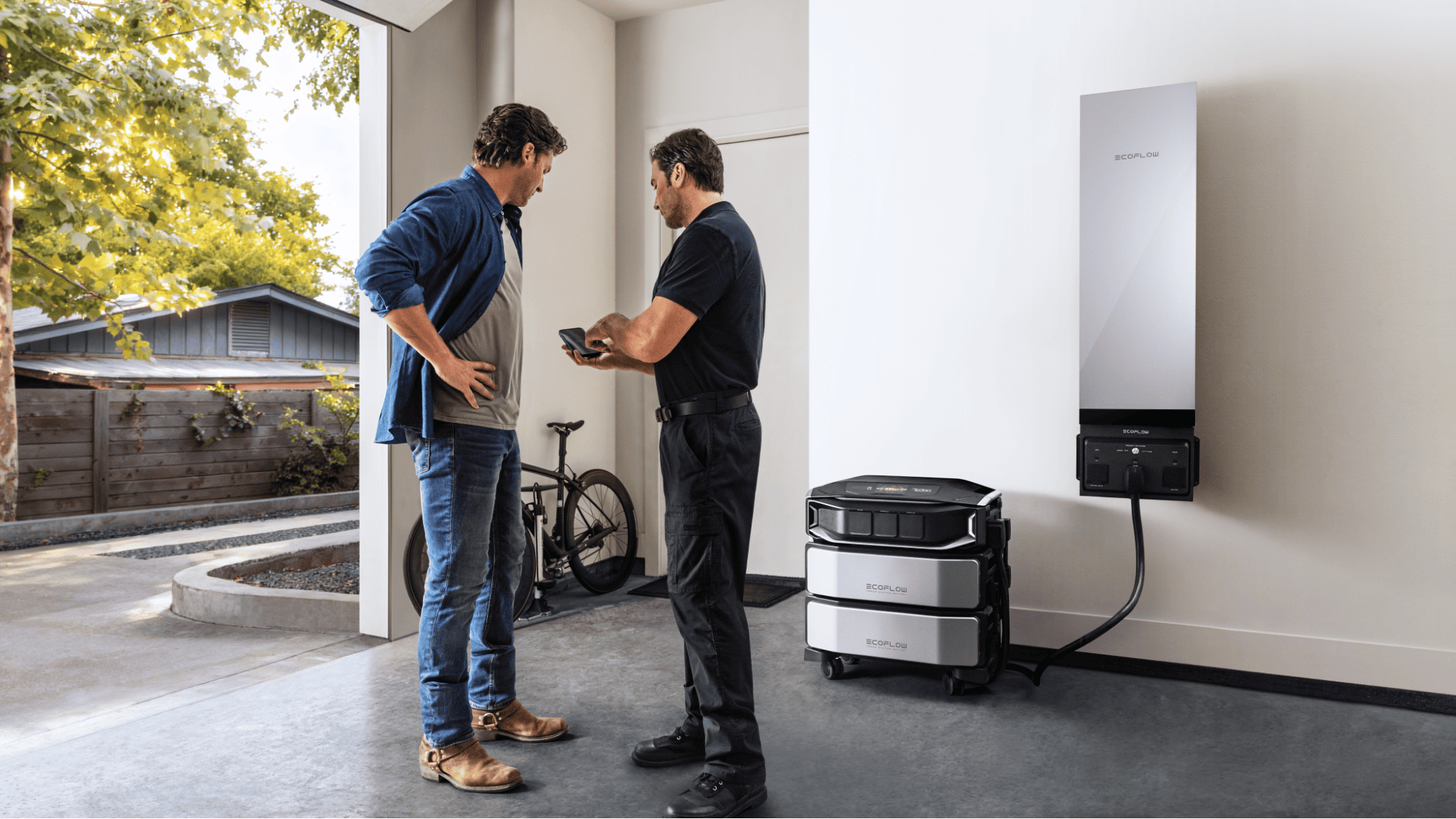
How Heat Pump Water Heaters Work
The evaporator coil absorbs heat in the surrounding ambient air where it’s located, whether that’s your garage, utility room, or basement. The refrigerant then captures the absorbed heat and transforms from a liquid to a gas state. The compressor pressurizes this gas, causing its temperature to increase dramatically.
The hot refrigerant transfers its heat to the water through a condenser coil wrapped around the water tank. Once the water is warmed, the refrigerant cools again and returns to its original liquid state. The cycle then repeats itself to maintain the ideal hot water temperature.
The electric elements can be used if the air temperature drops below a certain point, usually 40°F, but the heat pump aspect works well in temperatures ranging from 40°F to 90°F. It automatically switches between heat pump and electric modes based on demand and ambient temperature.
Energy Efficiency Benefits
When comparing the energy efficiency of heat pump water heaters to standard electric heaters, the two key metrics to consider are the Coefficient of Performance (COP) and Uniform Energy Factor (UEF). The COP measures the heat moved per unit of electricity consumed, and the UEF measures appliance efficiency, indicating how well the appliance converts energy into work.
Heat pump water heaters have COP ratings of around 2-3.5, whereas electric systems have COP ratings of only about 0.95. The UEF ratings typically range from 2.0 to 4.0 (with ENERGY STAR models between 3.3 and 4.0), compared to 0.9-0.95 for standard electric systems.
This means that heat pump water heaters transfer 2-3 times more heat energy than the electrical energy they consume. Efficiency gets even better in warmer ambient temperatures.
When you replace a conventional electric unit with a heat pump water heater, your annual energy consumption for water heating can be reduced by 60-70%. That impact is equivalent to taking a car off the road for several months each year.
Financial Benefits
There’s an initial cost to switching from an electric to a hybrid heat pump water heater (typically around $1,200-$3,000), but the annual energy savings are approximately $300-$600, depending on local energy rates and personal usage. That means you can typically recoup your investment within 2 to 4 years.
You can also utilize the federal tax credit from the Inflation Reduction Act to cover 30% of equipment and installation costs through 2032, as this represents a significant energy efficiency upgrade.
Utility companies often offer rebates for making the switch, potentially leading to additional savings of $500-$1,500.
It’s a wise investment for you and for the future of your home. It will increase your home's value and appeal to energy-conscious buyers while protecting your home from rising electricity rates.
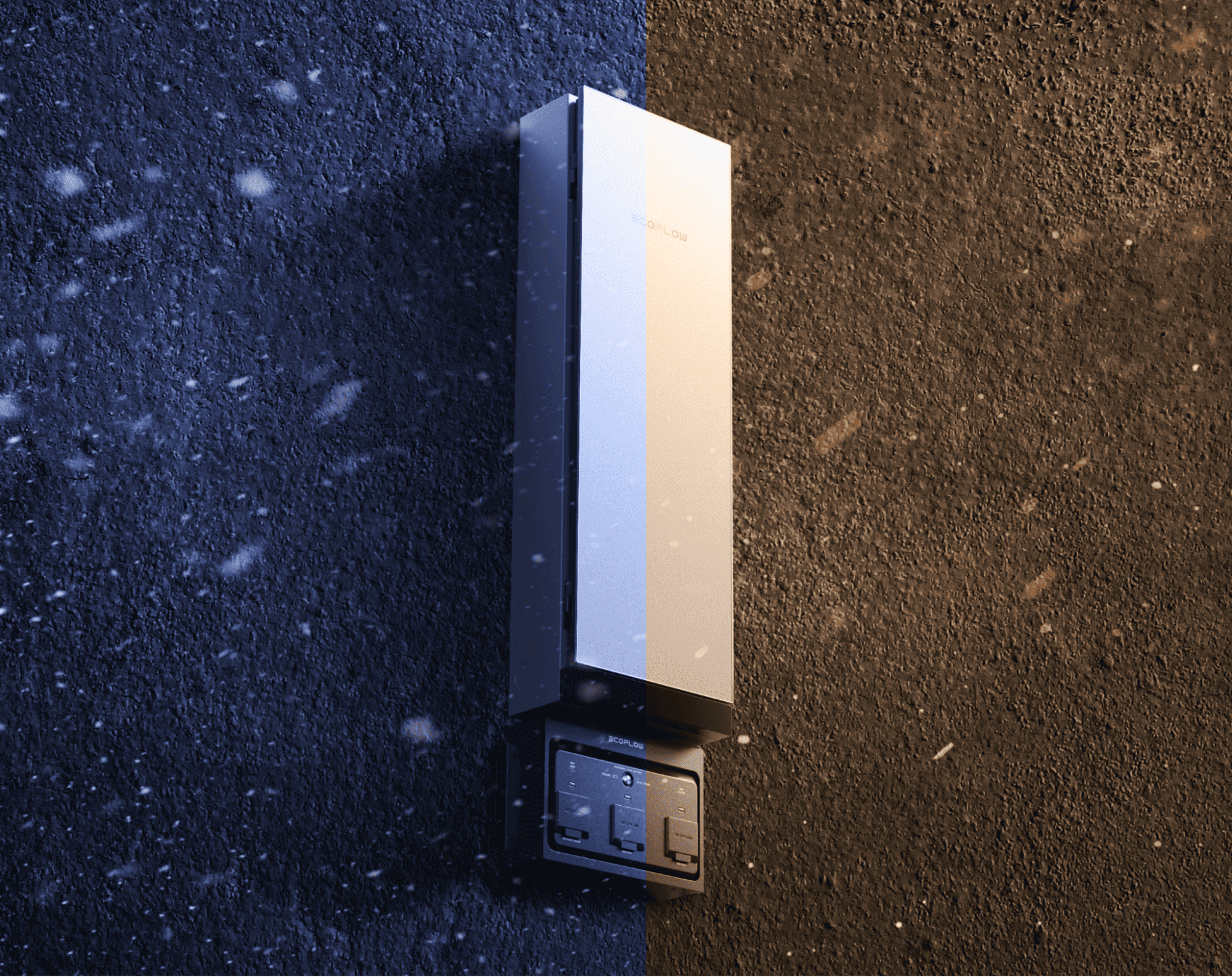
Ideal Candidates
The best homes for a heat pump water heater are those with basements, garages, or sufficient space for the system in an area with adequate airflow. Small utility closets won’t cut it.
Heat pump water heaters also make the most sense for households with moderate to high hot water usage patterns and those located in mild to warm climates throughout the year.
If you’re already considering replacing your aging electric water heater, it’s the perfect time to explore if switching to this alternative would work for you. For those who are energy-conscious and open to exploring additional upgrades, such as whole-home generators, this is the perfect place to start.
Installing and Maintenance for a Heat Pump Water Heater
When installing, you’ll need at least 1,000 cubic feet of surrounding air space for optimal operation and adequate ventilation to prevent moisture buildup. Most of the time, a professional installation is necessary due to the handling requirements for refrigerant. They will ensure your home meets clearance and space requirements and integrate it with existing plumbing.
Once operational, you will need to clean the air filter every three to six months to maintain high efficiency. Call a professional to inspect the refrigerant lines and electrical connections annually as well. You can expect a lifespan of 10-15 years if you take proper care of it.
Save Energy With a Heat Pump Water Heater
Heat pump water heaters represent some of the highest ROI energy efficiency upgrades for many homes, using advanced hybrid technology to immediately reduce energy bills while supporting the environment. Use a professional energy audit to determine the correct system sizing and confirm that you’re a good candidate for the switch. You can even power the system with stored energy from off-peak periods using the EcoFlow DELTA Pro Ultra X and slash your bills further.
For press requests or interview opportunities, reach out to our media team
media.na@ecoflow.com