Graduation Party Planning Guide: Themes, Venues, Food, and Budget Tips
- Start With a Realistic Graduation Party Budget and Guest List
- Trending Graduation Party Themes and Decoration Ideas for 2026
- How to Choose the Best Graduation Party Venue
- Graduation Party Food Ideas and Entertainment Guests Actually Enjoy
- Graduation Party Planning Timeline and Essential Checklist
- Conclusion
- FAQ
As graduation season nears, balancing the logistics of a milestone celebration with a realistic budget requires systematic preparation. Managing venue selection, catering contracts, and site infrastructure can quickly become complex. This guide outlines the essential components of hosting a streamlined, memorable graduation event, from current design trends to the technical logistics of managing outdoor power demands.
Start With a Realistic Graduation Party Budget and Guest List
A successful celebration relies on a definitive financial boundary established before finalizing design elements. For outdoor venues or residential backyards, this planning phase must also account for temporary utility needs. Deploying a high capacity portable power station ensures that lighting arrays, sound systems, and catering equipment function reliably without straining household circuits or requiring intrusive extension cord networks.
How Much Does a Graduation Party Cost in the U.S.?
Event expenses vary based on geographic location and scale. A casual backyard open house hosting 30 to 50 guests typically requires an expenditure of $600 to $1,800. Upgrading to a formal banquet format, encompassing rented event spaces, professional disc jockeys, and full-service catering, extends the financial commitment to between $3,000 and $6,000.
How to Build a Graduation Party Budget Without Overspending
Establishing a viable event budget requires an objective look at current inflation impacts on catering and equipment supplies. A standard celebration hosting 25 to 50 guests requires a baseline allocation between $600 and $1,800. Financial management relies on defining a maximum spending ceiling and building line-item expenses backward from that limit. Utilizing a standard 40/20/15 resource allocation framework provides a reliable guide: dedicate 40% of the total capital to catering and beverages, 20% to venue procurement or entertainment, and 15% to physical decor. Incorporating a mandatory 10% contingency cash buffer secures the event against unexpected supply shortages or last-minute delivery surcharges. Maintaining an active ledger to log every vendor invoice and hardware receipt from the start of the project is necessary to prevent cost overruns.
Creating the Perfect Guest List
The guest roster dictates the overarching financial layout, as individual attendees represent explicit catering portions and equipment rental costs. Reviewing the list early allows hosts to categorize invitees into three distinct operational segments: primary core attendees including immediate family and close companions, secondary contacts consisting of extended relatives and neighbors, and tertiary contacts comprising professional colleagues and general acquaintances. If immediate budget compression becomes necessary, removing the tertiary segment reduces catering invoices significantly. Implementing a staggered open-house format across a four-hour window provides an efficient hosting alternative. This operational method accommodates a higher overall guest count by dispersing arrivals, avoiding the need to rent additional square footage or seating infrastructure to accommodate the entire group simultaneously.
Quick Graduation Party Budget Comparison Table
If you’re trying to visualize where your money actually goes, here’s a quick breakdown of how these different celebrations stack up in terms of cost and logistics:
| Party Style | Estimated Cost | Best Venue | Food Approach | Key Vibes |
|---|---|---|---|---|
| The Casual Open House | $600 – $1,800 | Suburban Backyard | DIY BBQ or Taco Bar | Relaxed, drop-in style, budget-friendly |
| The Community Celebration | $1,000 – $2,000 | Local Park Pavilion | Food Truck or Bulk Pizza | Fun, spacious, great for large groups |
| The Elegant Banquet | $2,500 – $5,000+ | Rented Event Space | Professionally Catered | Formal, structured, zero-stress cleanup |
Trending Graduation Party Themes and Decoration Ideas for 2026
A structured design theme unifies an event, transforming an assembly of catering tables and seating into an intentional, curated experience.
Top Graduation Party Themes in America This Year
Current planning trends favor sophisticated, tailored aesthetics over generic plastic party supplies. The contemporary luxe theme, often styled as “One Degree Hotter,” incorporates minimalist typography and sleek metallic accents to evoke a refined lounge environment. For a more relaxed setting, the backyard festival motif utilizes low-profile wooden tables and coordinated floor cushions to establish an outdoor, festival-inspired atmosphere. Alternatively, a travel-focused theme incorporates vintage luggage and archival geographic maps to emphasize the graduate’s upcoming relocation or academic transition.
Graduation Party Decoration Ideas That Look Expensive on a Budget
Premium visual staging does not require commercial design services. Brainstorming unique and creative backyard party decorations allows hosts to craft premium, photogenic spaces without spending a large fortune. Utilizing unified color palettes, such as sage paired with cream, delivers an upscale aesthetic at a minimal cost. Constructing an archival photo installation using natural twine and wood clips provides a compelling, low cost focal point that promotes guest engagement. Opting for solid-color table linens that match the colors of the graduate’s future institution provides a mature presentation while avoiding commercial party store clutter.
Indoor vs. Outdoor Graduation Party Setups
Choosing between indoor and outdoor configurations involves balancing environmental security against spatial capability. Indoor venues eliminate climate-related risks, guarantee air conditioning, and suit structured, formal luncheons. Conversely, outdoor settings offer the physical clearance required for interactive catering and lawn games like Cornhole or Giant Jenga, though they demand active management of sun exposure, wind patterns, and insect mitigation.
How to Choose the Best Graduation Party Venue
The chosen location dictates the operational flow and logistical requirements of the event. While a family residence offers scheduling flexibility, utilizing public spaces or rented commercial venues can completely alter the gathering’s dynamic.
Popular Graduation Party Venues in the U.S. (Backyard vs. Rented Space)
Residential backyards remain a primary venue choice, eliminating rental overhead while granting complete control over setup timelines and entertainment schedules. This environment naturally supports a flexible, drop-in open-house format. However, if guest tallies exceed local residential capacity, municipal park pavilions, community centers, and neighborhood clubhouses serve as excellent alternatives, offering standardized parking and dedicated facilities at an accessible price point.
The Hidden Logistics of Outdoor Parties: Overcoming the Power Challenge
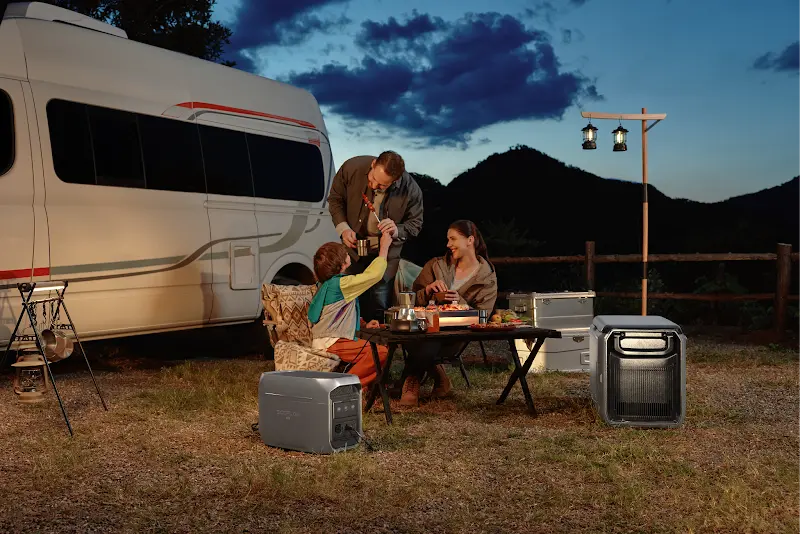
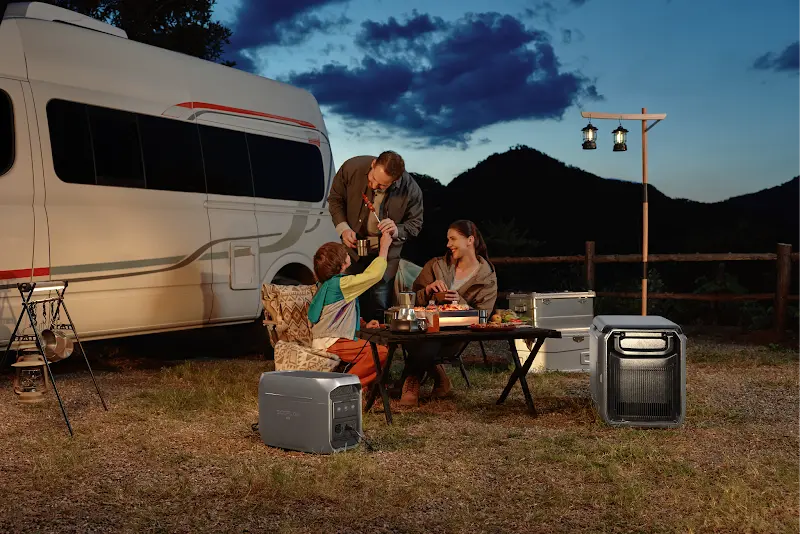
Hosting a large gathering in a backyard or a public park introduces a critical infrastructure challenge: power distribution. Reviewing specialized power solutions for backyard parties ensures your operational layout safely accounts for all necessary tech systems. A typical event layout requires simultaneous electrical support for a DJ sound system, commercial beverage refrigeration, LED illumination strands, digital projectors, and dedicated mobile charging stations.
Most public park pavilions feature limited electrical circuits that trip easily under heavy loads. Furthermore, stretching extensive networks of extension cords across high-traffic grass zones creates distinct tripping hazards. To maintain operational continuity without the intrusive mechanical noise and exhaust emissions of traditional combustion generators, a portable power station serves as a clean, silent alternative.
Deploying an EcoFlow DELTA 3 Ultra Plus + 500W Solar Panel provides a reliable utility solution for remote sites. The system manages high-draw appliances effortlessly, including commercial food warmers, electric smokers, and heavy audio gear. Leveraging daytime solar input keeps the internal battery reserves topped off, ensuring uninterrupted operation of slideshows and sound systems through sunset without the risk of a local blackout.
Graduation Party Food Ideas and Entertainment Guests Actually Enjoy
Successful hosting centers on efficient food presentation and consistent guest engagement, balancing diverse dietary needs with straightforward preparation. Large groups are best served by interactive food stations that remain stable over extended serving windows, keeping options fresh and accessible throughout the event.
Best Graduation Party Food Ideas for Large Groups
Feeding a large crowd requires a menu that remains appetizing over an extended serving window. Interactive food stations are highly effective because they allow guests to customize their meals while streamlining the serving line. A build-your-own taco station featuring shredded chicken and pulled pork is a cost-effective solution that naturally accommodates various dietary restrictions, such as gluten-free or dairy-free preferences. Similarly, a slider station with mini burgers or pre-assembled pulled pork sandwiches allows for rapid, large-batch preparation ahead of time.
Catering vs. DIY Food Preparation
Choosing between self-preparation and professional catering involves balancing labor against budget efficiency. If you plan to prepare food outdoors using slow cookers or electric grills, it may also help to have a reliable power source such as a solar generator to ensure temperature consistency. While a completely self-prepared menu reduces upfront costs, it requires the host to manage cooking duties during the celebration. Sourcing bulk party trays from a local restaurant or hiring a regional food truck serves as an efficient middle ground, keeping the home kitchen clear and significantly reducing prep labor.
Creative Drink Stations & Dessert Bars
Beverage and dessert stations should be visually cohesive and easily accessible to encourage self-service. Utilizing insulated, galvanized steel basins packed with ice, local seltzers, and classic sodas creates a functional, low-maintenance beverage depot. For a more formal presentation, glass drink dispensers filled with infused lemonade or iced tea work well. Alongside the traditional graduation sheet cake, incorporating an interactive element, such as a custom donut wall or a decorate-your-own cupcake bar featuring the graduate’s future college colors, provides an engaging focal point for attendees.
Fun Graduation Party Entertainment Ideas
Maintaining steady event energy requires a balanced mix of low-barrier activities suitable for all age groups. Standard lawn games like Cornhole, Giant Jenga, and KanJam serve as excellent icebreakers, giving guests a casual way to interact while mingling. Dedicated photography spaces are also essential for modern student milestones; a simple setup utilizing a ring light, a metallic fringe backdrop, and themed props will keep guests engaged. For events extending into the evening, setting up an outdoor digital projector to screen a retrospective childhood slideshow provides an excellent concluding segment for the celebration.
Graduation Party Planning Timeline and Essential Checklist
Distributing preparation tasks across a multi-month schedule ensures organized execution and minimizes the logistical pressure typically concentrated in the final week of event hosting.
2-3 Months Before
Initial planning focuses on establishing the core parameters of the celebration. Hosts should sit down with the graduate to finalize the maximum budget, target guest count, and design themes. If the event utilizes a public space, such as a municipal park pavilion or a neighborhood community clubhouse, securing the venue reservation early is critical to avoid seasonal booking conflicts. This period is also the optimal time to design and order formal physical invitations or digital announcement templates.
1 Month Before
The secondary phase centers on vendor coordination and outreach. Hosts should distribute formal invitations or activate digital RSVP tracking links. This timeline requires final confirmation of the menu structure and contract locks with external caterers or food truck vendors. Additionally, sourcing non-perishable service items, paper goods, disposable dinnerware, and heavy duty structural decorations from commercial wholesale suppliers offers significant cost protections compared to retail party stores.
1 Week Before
The final preparatory phase involves site optimization and technical verification. For residential events, grounds maintenance should include trimming lawns and clearing indoor common areas. Hosts need to follow up directly with any remaining non-respondents to establish an accurate final headcount for the caterers. Operational details, such as compiling media playlists or finalizing technical cue sheets for the hired disc jockey, must be completed to prevent administrative distractions during the actual gathering.
Party Day
Execution day requires strict focus on physical setup and layout flow. Hosts should position food service equipment, chilled beverage basins, and dessert displays according to the floor plan. Placing clearly labeled bins for refuse and recycling alongside a designated table for cards and gifts allows guests to navigate the space independently. Once the site infrastructure is active, starting the background audio systems allows hosts to shift their focus entirely to welcoming attendees and celebrating the graduate’s achievements.
The DIY & Backyard Party Checklist: Gear You Need to Rent vs. Buy
Optimizing an outdoor layout requires a calculated division between rented and purchased assets. Securing large scale structural hardware, such as high peak tension tents, commercial folding tables, and high capacity seating, through local rental agencies represents the most practical approach, eliminating long term residential storage requirements. Conversely, purchasing smaller decorative elements, low voltage exterior string lighting, and standard lawn games is often more economical, as these items can be integrated into subsequent seasonal events.
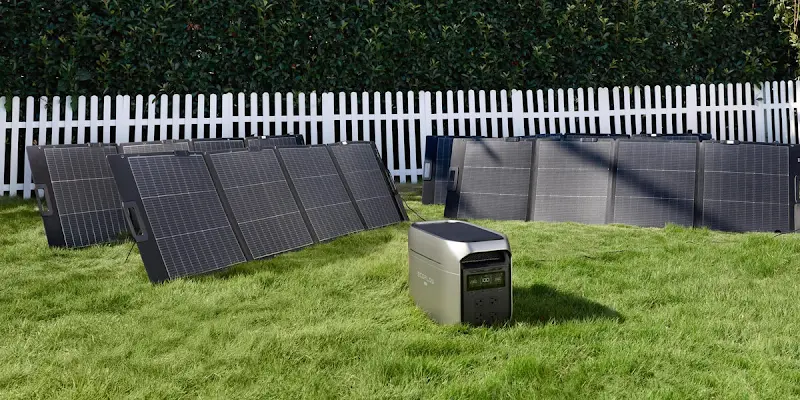
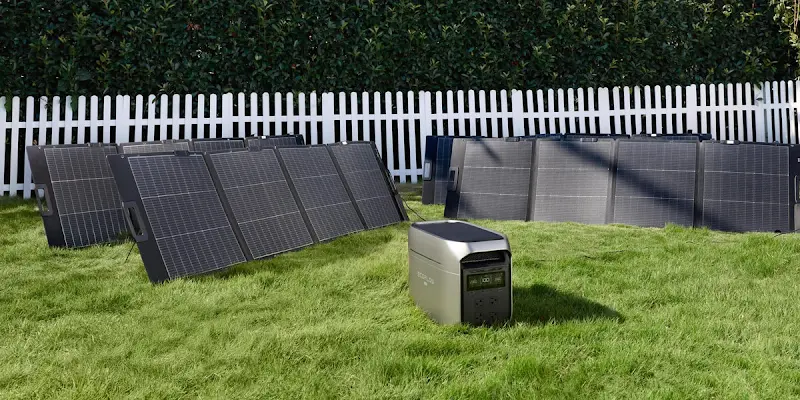
To eliminate the safety hazards and aesthetic issues associated with intricate networks of extension cords across high traffic grass zones, modern outdoor events frequently utilize independent power configurations. Deploying an EcoFlow DELTA 3 Max Plus + 2 × 220W Solar Panel offers a standalone operational answer. This setup supplies clean, regulated power directly to critical gear across varied outdoor spaces, bypassing the limitations of fixed wall outlets and avoiding supplementary utility hookup fees.
Smart Ways to Save Money on a Graduation Party
Lowering overall expenditures can be achieved effectively without compromising the event’s presentation. Sourcing ingredients, beverages, and paper supplies through commercial wholesale suppliers offers significant savings compared to standard grocery stores. Avoiding single-use branded decorations in favor of solid-color tablecloths and coordinated balloon arrays provides a mature presentation that reflects the graduate’s future institution. Additionally, co-hosting the celebration with a classmate’s family allows for an equitable division of major infrastructure expenses, enabling hosts to split the costs of tents, structural rentals, and catering contracts directly down the middle.
Graduation Party Mistakes to Avoid
Failing to audit total electrical demands prior to the event can result in immediate infrastructure failure, as routing high draw food warmers and heavy audio equipment through the same residential circuit will trip breakers and disrupt operation. Hosts must also review local municipal codes regarding curbside parking restrictions and neighborhood decibel limits well in advance to prevent administrative interventions from local authorities during peak hours. Finally, avoiding customized, made-to-order menus that require continuous, real time preparation is essential. Focusing exclusively on batch-prepared or easily scalable dishes ensures that hosts remain engaged with attendees rather than confined to kitchen duties.
Conclusion
Ultimately, executing a graduation celebration serves to honor the graduate’s academic progress while establishing a supportive foundation for their upcoming transition. Maintaining a structured financial framework, securing a viable venue early, and organizing logistical timelines allows hosts to eliminate the operational strain often associated with large scale events. Prioritizing simplified food service alongside independent, reliable power infrastructure ensures consistent event flow and prevents technical interruptions. Managing these technical and structural preparations in advance grants hosts the freedom to step away from active management duties, ensuring they can participate fully in recognizing the graduate’s milestone achievement.
FAQ
How Far in Advance Should I Invite People to a Graduation Party?
Send invitations three to four weeks in advance for local guests, and six weeks for out-of-state travelers. Because late spring and early summer calendars fill up quickly with competing weddings and holiday trips, early notice ensures your event gets scheduled first.
Is 3 Hours Long Enough for a Graduation Party?
Three hours is the ideal duration for an open house format. This timeframe gives guests ample opportunity to drop by, eat, and converse with the graduate without feeling rushed, while preventing hosting fatigue before the event concludes.
What Is a Reasonable Budget for a Graduation Party?
A budget of $600 to $1,800 is standard for a casual gathering of 30 to 50 guests. This typically covers bulk ingredients for a DIY food station, simple decorations, and lawn games, though renting formal venues or hiring caterers will increase costs.
What Food to Serve at a Graduation Open House?
Focus on menu items that can be held safely over an extended serving window. Interactive food bars like taco stations, slider bars, or pulled pork are ideal because components stay warm in slow cookers and are easy to scale for large crowds.
Is It Cheaper to Cater or Cook Yourself?
Cooking yourself is more cost effective because it eliminates professional labor and delivery fees. For a balance between savings and labor, sourcing bulk party trays from a local restaurant reduces kitchen work without the premium price of full service catering.
For press requests or interview opportunities, reach out to our media team
media.na@ecoflow.com