Energy Awareness Month: Dates, Importance & Ways to Save Energy at Home
October falls at a useful point in the household calendar. Air-conditioning season is winding down in much of the country. In colder states, furnaces are starting up again. The next few utility bills will often reveal which parts of a home are using more energy than they should.
That is the practical value of Energy Awareness Month. It gives homeowners a reason to study their energy use before winter, make inexpensive fixes, and decide whether a larger upgrade belongs in next year’s budget. This guide covers where to begin, how solar and battery storage fit into the picture, and which incentive claims require a closer look in 2026.
When Is Energy Awareness Month and Why Is It Important?
Energy Awareness Month takes place in October in the United States. The idea is simple: waste less energy and make sound decisions about how energy is used.
For a homeowner, that rarely means a month of major projects. It might be an attic leak, an old thermostat schedule, or the second refrigerator in the garage that no one has checked in years.
Energy Awareness Month Dates and Origins
October has been associated with federal energy-awareness efforts for decades. President George H. W. Bush formally proclaimed October 1990 as Energy Awareness Month and issued another proclamation for October 1991. Both called attention to conservation, reliable energy supplies, and the choices made by consumers, businesses, and government.
The phrase National Energy Awareness Month is also used for October observances. The label has lived on in campaigns run by agencies, utilities, schools, and employers, though the events differ from place to place. At home, October works best as a yearly checkup rather than a ceremonial date on the calendar.
Why Energy Awareness Matters at Home
Most houses do not have one dramatic source of waste. They have several small ones: a loose attic hatch, ducts running through an unconditioned space, a water heater set higher than the family needs, or electronics left on around the clock. Each looks minor. Together, they show up on the bill.
They show up in comfort, too. A drafty room is harder to heat, while an unshaded west-facing window keeps the air conditioner running late into the afternoon. October leaves time to address those weak spots before winter and puts the past summer’s electricity use close at hand for comparison.
What Are the Most Effective Ways to Reduce Home Energy Consumption?
Start with the house you already have. Improving energy efficiency does not always require a major upgrade. A new appliance or solar array may be worthwhile, but neither one replaces basic maintenance. The first round of savings often comes from keeping heated or cooled air indoors and making sure existing equipment is operating as intended.
Improve Home Insulation and Air Sealing
Drafts often appear around the attic access, exterior doors, window trim, plumbing penetrations, and the rim joist above a basement wall. Fresh weatherstripping or caulk will handle some of them. Moisture, ventilation, or combustion-safety concerns belong in a professional assessment.
Before buying insulation, a home energy audit can help identify where the house is losing energy and which improvements deserve priority. Professional assessments may use diagnostic tools to uncover air leaks and insulation gaps that are difficult to spot during a basic walkthrough.
Do not bury leaks beneath another layer of insulation. Inspect the attic for damp material, roof leaks, and proper clearance around heat-producing fixtures first. Then seal the air paths and add insulation where it is needed. The work pays off in both directions: less heat escapes in winter, and less outdoor heat enters in summer.
Choose Energy-Efficient Appliances and Lighting
When an appliance reaches the end of its life, compare more than the sticker price. The yellow EnergyGuide label shows estimated annual energy consumption and operating cost under standardized test conditions. The ENERGY STAR® label identifies models that meet the program’s efficiency requirements. Together, the two labels are more useful than a shelf tag promising that a model is “eco-friendly.”
There is no reason to replace every working appliance at once. An aging refrigerator in a hot garage deserves attention before a television in a guest room. Lighting is easier: switch the most-used incandescent bulbs first. Kitchens, living rooms, porches, and home offices usually offer a better return than a closet light used for five minutes a week.
Adjust Heating and Cooling Settings
Thermostat changes work best when they fit the household. For many conventional systems, the Department of Energy says a setback of 7 to 10 degrees for eight hours a day could save as much as 10% a year. Climate, insulation, equipment, and the starting setting all affect the result.
Heat pumps require more care because a deep setback sometimes brings on auxiliary heat during recovery. Use a control and schedule suited to the equipment. If the house takes hours to recover, try a smaller adjustment and check for maintenance or air-leak problems. Also revisit the schedule when work hours, school routines, or the season changes. A smart thermostat following last year’s calendar is not especially smart.
Reduce Standby Power Consumption
Standby power is real, but chasing every glowing clock around the house is not a productive Saturday. Focus on clusters. A television, game console, speakers, and streaming box might share a switched power strip. So might a home-office desk with monitors and chargers.
Target the devices that actually draw power while idle. These energy-saving tips are more useful when they address measured waste instead of every plugged-in device.
Leave equipment connected when it needs continuous power for safety, security, updates, or network access. If a device’s idle use is in doubt, a plug-in meter will settle the question. Measure it before rearranging the room.


How Can Solar and Home Energy Storage Lower Your Utility Bills?
Solar can reduce grid purchases, while storage can shift when solar or grid energy is used. The economics are local. Roof exposure, shade, system cost, utility rates, export compensation, and household schedules all matter. Two identical homes on different rate plans will not necessarily get the same result from the same equipment.
Generate Electricity With Rooftop Solar
Solar panels produce direct current during daylight hours. An inverter converts it to the alternating current used by the house. While the array is producing, the home draws from that generation before it buys additional electricity from the grid.
The strongest solar hours do not always match a family’s busiest hours. Laundry, dishwashing, pool equipment, and other flexible loads sometimes fit better in the middle of the day. Review a full year of bills before sizing a system, then account for roof condition, shade, orientation, and planned changes such as an electric vehicle or heat pump.
Store Excess Solar Energy for Later
A battery does not create energy. It changes when that energy is available. A home battery can store solar production left after the home’s immediate needs are met, then make that energy available after sundown or when demand rises.
The utility’s export rules shape the value. Some customers receive a favorable credit for electricity sent to the grid; others receive much less than the retail rate. Conversion losses and reserve settings also count, so a kilowatt-hour sent to a battery does not come back in full. Some owners accept that tradeoff because they want to hold part of the battery in reserve for an outage.
Use Stored Energy During Peak Rates
Some utilities charge time-of-use rates, with higher prices during certain afternoon or evening hours. Others use flat rates, seasonal rates, or demand charges. Read the tariff before building a battery schedule around a peak window that does not apply to your address.
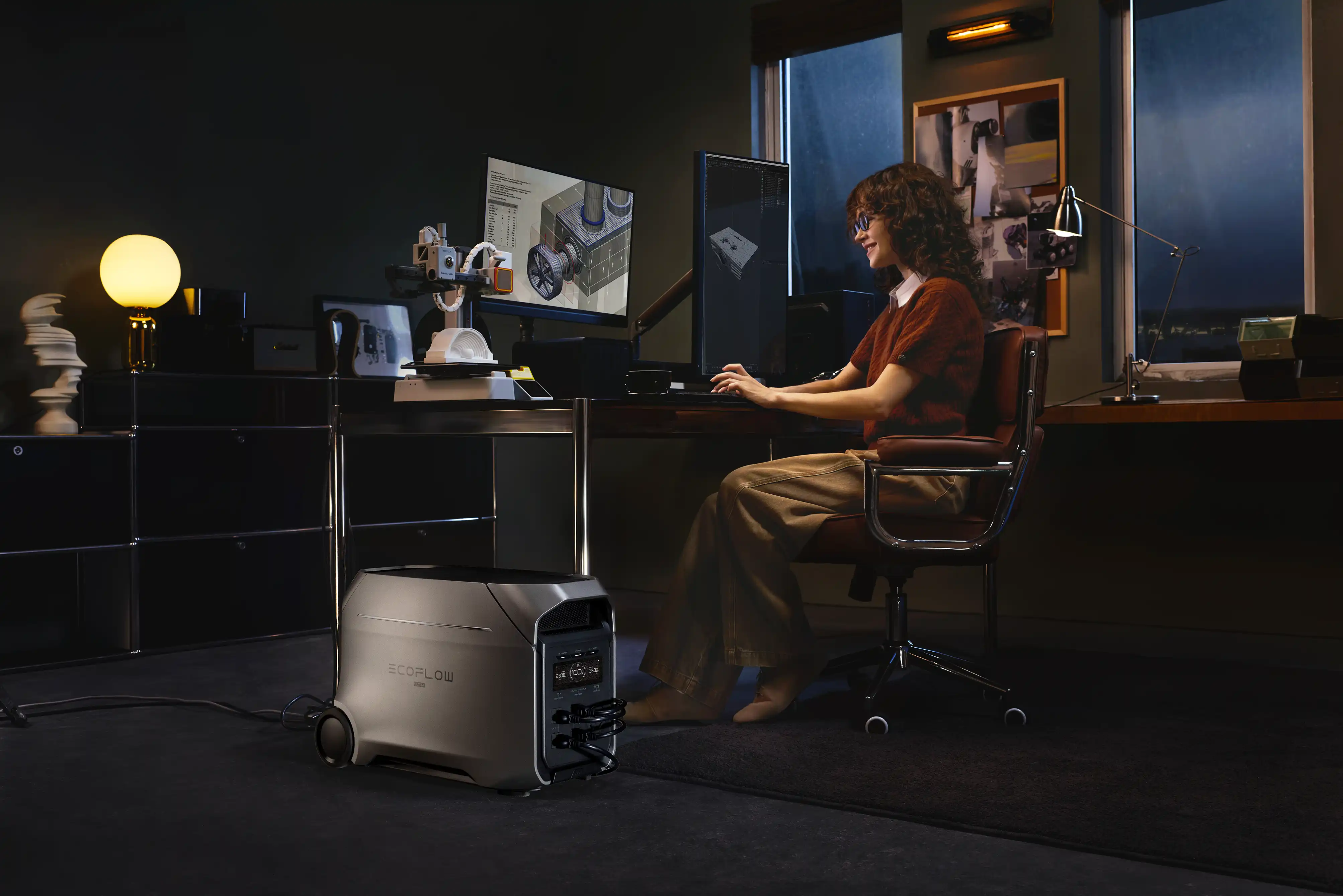
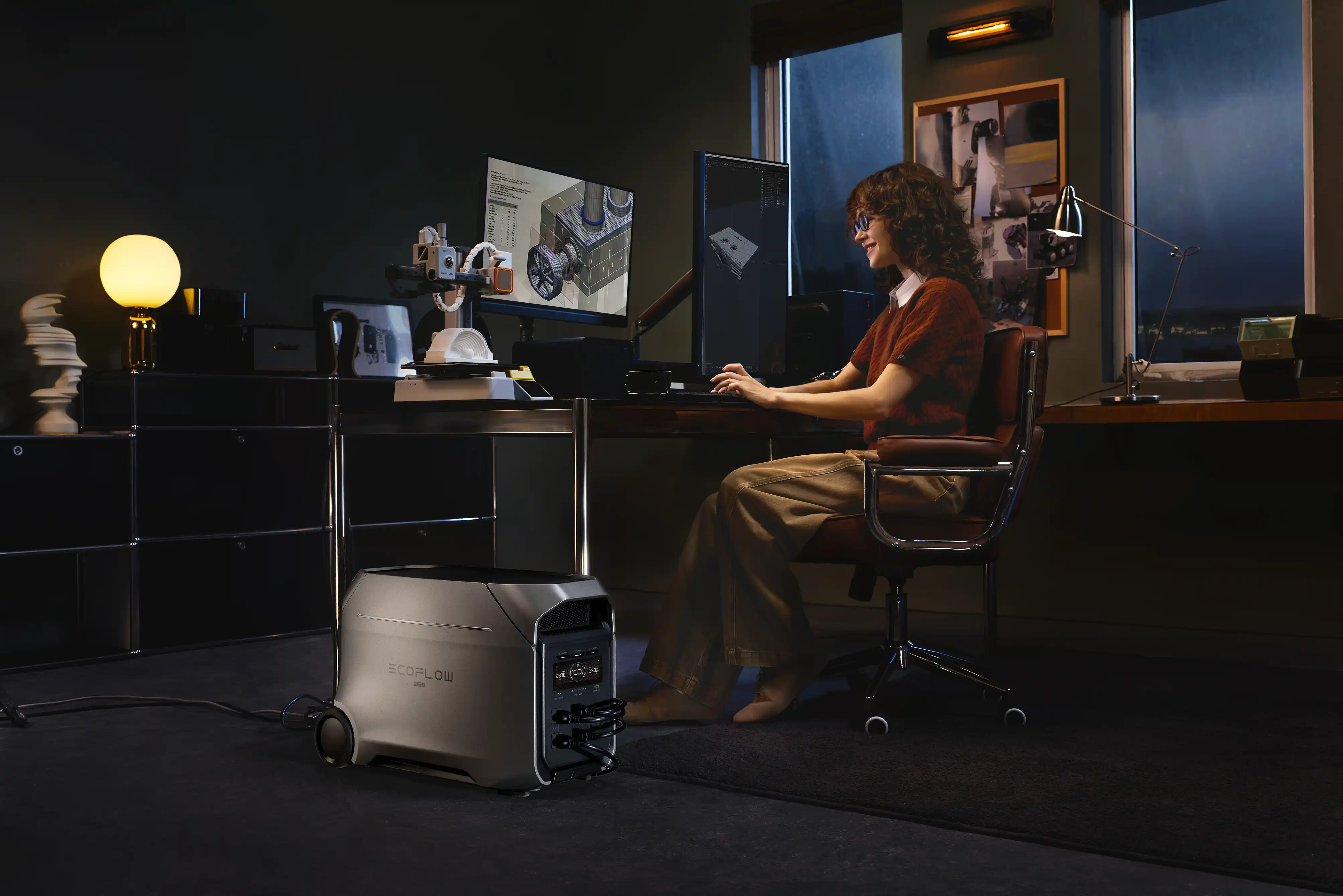
Where rate shifting makes sense, the EcoFlow DELTA 3 Max Plus Portable Power Station (2048Wh) fits into that plan. Its Self-Powered Mode uses stored solar energy after the battery reaches a preset reserve. OASIS 3.0 shows energy use, electricity rates, and estimated savings so the owner can choose when to charge or draw from storage.
The settings still need attention. A schedule that saves money in August may be wrong after the utility changes to winter rates.
Provide Emergency Backup Power During Outages
Outage planning begins with a list, not a product. Decide what must stay on. A refrigerator, well pump, furnace controls, medical device, internet equipment, and a few lights might matter more than everything else combined. Include both normal demand and the brief surge required by motors and compressors.
For a larger reserve, the EcoFlow DELTA 3 Ultra Plus Portable Power Station is designed for a broader home-backup role. Its battery capacity expands from 3 kWh to 11 kWh. Its <10 ms UPS switchover provides fast backup for compatible connected devices.
Backup time will depend on the connected loads, battery configuration, and operating conditions. Any connection to household circuits should use compatible equipment and follow local electrical requirements.
What Incentives and Rebates Can Help Pay for Home Energy Upgrades?
The incentive landscape changed significantly for 2026. Two major federal residential energy tax credits ended after 2025, while Home Energy Rebates and some state, utility, and local programs may still be available. Check the current rules before signing a contract, and never treat a possible credit or rebate as cash already in hand.
Federal Energy Efficiency Incentives
The federal Energy Efficient Home Improvement Credit, also known as the Section 25C credit, ended earlier than previously scheduled. Under current IRS guidance, the credit is not available for qualifying property placed in service after December 31, 2025.
That deadline still matters to someone filing a 2025 return for an eligible improvement installed in 2025. A project completed in 2026 should not be budgeted around the old 25C credit. Questions about a particular installation or filing year belong with a qualified tax professional.
State and Local Energy Rebates
The federal Home Energy Rebates programs run through states, territories, and Tribal programs rather than one nationwide rebate counter. In 2026, rebates are active in some places, while local launch dates, funding, and application procedures differ elsewhere.
The address matters as much as the equipment. Check the U.S. Department of Energy’s Home Energy Rebates program and your state or territory energy office before work begins. Eligibility, application procedures, and covered upgrades vary by program.
Solar and Battery Storage Incentives
The federal Residential Clean Energy Credit, or Section 25D, previously covered qualifying residential solar and battery-storage expenditures. That credit is not available for expenditures made after December 31, 2025. The IRS generally treats the expenditure as made when the original installation is completed, so paying for a system in 2025 does not preserve the credit if the installation is completed in 2026.
State tax provisions, utility rebates, financing programs, or local incentives might still reduce the cost of solar or storage. Funding and rules change. Get the terms in writing and confirm that the installer, equipment, and completion date satisfy them.
Eligibility Requirements for Energy Rebates
Before ordering equipment or authorizing work, check three things:
Program and product eligibility: Confirm that the program is open, the property qualifies, and the proposed equipment meets the current requirements.
Documentation: Keep the contract, itemized invoices, proof of payment, model information, manufacturer statements, permits, and completion records.
Household and project rules: Review any applicable income limits, occupancy requirements, contractor rules, application deadlines, and restrictions on combining incentives.
A calculator can provide an early estimate, but the program administrator’s current eligibility rules determine whether a project qualifies.
Conclusion
Energy Awareness Month is not a reason to buy every efficiency product on the market. It is a reminder to look at the house before another heating season begins.
Review your recent utility use. Check the thermostat schedule and walk through the attic, basement, doors, and windows. Test the equipment meant to work during an outage. Those ordinary jobs usually point to the first worthwhile improvements.
Solar, battery storage, insulation, and new heating equipment require more homework. Their long-term value rests on design, installation, local rates, and available incentives. In 2026, verify rebate and tax information instead of relying on material written under the old federal deadlines.
FAQ
What Uses the Most Energy in a House?
Heating and air conditioning account for the largest combined share of energy use in the average U.S. home. The balance varies. Space heating tends to dominate in cold climates, while air conditioning often drives summer electricity use in hotter regions. Home size, insulation, fuel, and daily habits all affect the answer. A July electric bill and a January natural-gas bill may be telling different parts of the same story.
How Can I Track My Energy Usage?
Start with the utility account. Download 12 months of bills and compare kilowatt-hours or fuel use, not just dollars. A rate increase can raise the bill even when consumption falls. Smart-meter charts, when available, show the hours or days when demand jumps.
Plug-in meters work well for individual appliances. A whole-home monitor provides a wider view but might require installation in the electrical panel. For compatible EcoFlow equipment, the EcoFlow app can provide real-time energy-use and system information. A battery app, however, does not necessarily measure every load in the house.
Can I Do a Home Energy Audit Myself?
Yes. A do-it-yourself review should cover utility bills, attic insulation, door seals, window trim, HVAC filters, ducts, water-heating settings, and exterior caulk. Write down what you find rather than trying to repair everything during the walk-through.
A professional assessment goes further. Blower-door testing measures leakage, while infrared imaging helps locate insulation gaps and temperature differences. Bring in a professional before expensive work or when the house has moisture, ventilation, or indoor-air-quality concerns.
What Is the Lowest Cost Way to Make Your Home More Energy-Efficient?
The least expensive useful step depends on the house. Correcting a thermostat schedule costs nothing. Replacing failed weatherstripping, sealing a small air leak, cleaning an HVAC filter, or installing LEDs in heavily used fixtures costs little.
Avoid buying a cart full of efficiency gadgets before you know where the energy is going. One poorly sealed attic hatch or an inefficient older appliance may matter more than several small plug-load fixes.
Is Higher or Lower Energy Efficiency Better?
Better efficiency means getting the same result with less energy, but the numbers on product labels do not all run in the same direction. Higher SEER2 and AFUE ratings generally indicate better efficiency. A lower window U-factor indicates less heat transfer.
Compare the same rating across similar products, then consider the installation. Efficient equipment that is oversized, poorly installed, or operated badly will not necessarily deliver the savings shown in a brochure. Comfort, climate, maintenance, and total cost still belong in the decision.
For press requests or interview opportunities, reach out to our media team
media.na@ecoflow.com