Does a Gas Water Heater Need Electricity to Work?
- Can a Gas Water Heater Work Without Electricity?
- What Types of Gas Water Heaters and Ignition Systems Exist?
- How Does Electricity Interact With Gas Water Heaters?
- Why Electricity Matters for Performance, Safety, and Outages
- The Smarter Solution: Backup Power and Modern Ignition Options
- Frequently Asked Questions
- Keep Hot Water During Outages, Improve Reliability, and Save Energy
Gas water heaters are often believed to be a reliable source of hot water during a power outage. However, that assumption is very misleading because it depends entirely on the system you have.
While older gas heaters often do work during an outage, many modern models still require electricity to ignite the burner or for ventilation systems to work.
Understanding how your unit functions is the key to ensuring you can keep the hot water flowing during an outage.
Can a Gas Water Heater Work Without Electricity?
Gas heaters burn fossil fuels rather than using electricity to heat your water, so people often assume they’ll simply work without power.
But that only applies to older models that have a standing pilot light.
Modern models usually rely on electricity to ignite the gas and run other systems. This means if your pilot light always remains lit, you may not need power, but if you don’t have a standing pilot light, you will need power.
Also, it’s important to keep in mind that the gas supply must remain active — some outages affect both gas and power.
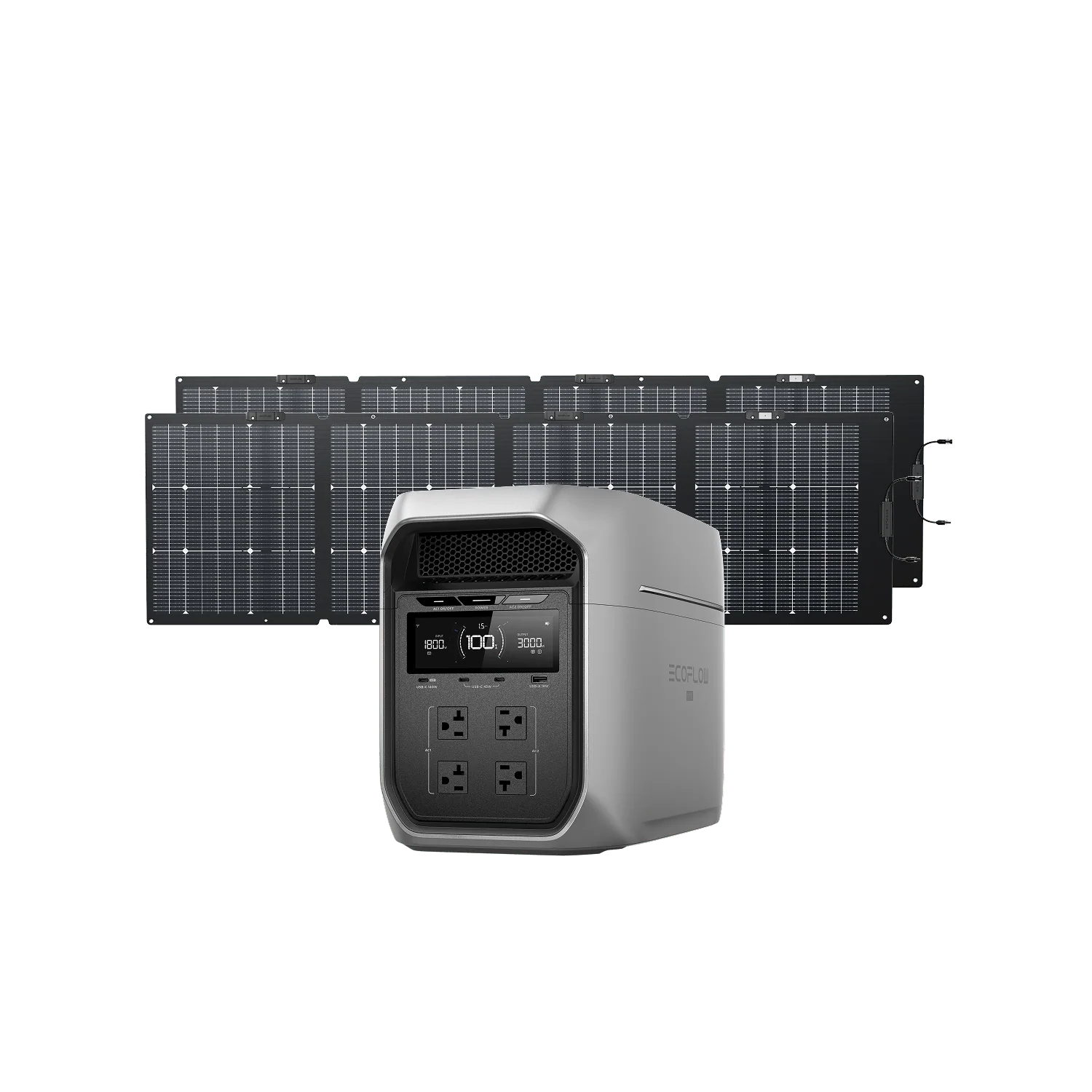
You can always keep your essential appliances running during power outages with a backup power supply like the EcoFlow DELTA 3 Max Plus + 2×220W Solar Panel bundle, which is easily powerful enough to run any gas model. During extended outages, you can recharge it with solar panels, and as a bonus, using solar for water heaters saves energy and money.
What Types of Gas Water Heaters and Ignition Systems Exist?
Water Heaters With Pilot Lights
These are your most common traditional models that come with a standing pilot light that stays lit. This type doesn’t require electricity, but it also consumes extra fuel to keep it lit.
Water Heaters With Surface Ignition
Modern gas models now often use hot surface ignition, which uses electricity and a resistance element to ignite the burners.
Tankless Water Heaters
Increasingly, people are turning to tankless water heaters for their efficiency. Rather than keeping a full tank ready just in case you need it, they heat it when you turn on the tap. These can be gas or electric, but most modern tankless gas models still require electricity, generally between 60W and 300W, while electric models require substantially more (3000+W).
How Does Electricity Interact With Gas Water Heaters?
Gas water heaters with standing pilot lights, including some on-demand tankless gas models, require no electricity because they keep a pilot light burning to ignite the burners whenever needed.
However, most modern units require electricity, generally less than 100W. Instead of leaving a pilot light burning to ignite the gas, which is inefficient and may present safety issues, the system uses electricity to heat a resistance element that ignites the gas, which then heats the water.
Power is also sometimes used for control systems, digital displays, freeze protection systems (important in cold climates), and ventilation fans, which help ensure toxic emissions don’t build up inside your home.
Why Electricity Matters for Performance, Safety, and Outages
Electricity is important for safety, as pilot lights — especially in older models — can present safety issues when things go wrong.
If the pilot light goes out and doesn’t have an automatic shut-off, or if it’s not working, then the room will fill with gas. And sometimes pilot lights can spark fumes from paint thinners, gasoline, or insecticides, creating a fire hazard.
Also, electricity to run ventilation fans to prevent carbon monoxide poisoning is essential for safety.
If you really want high-performance, energy-efficient, sustainable living, you’ll want one that uses a heat pump to make it run even more efficiently, but it too requires electricity. If you’re worried about relying on electricity, a whole-home generator can be used to run any household appliance, including fully electric tankless water heaters.
The Smarter Solution: Backup Power and Modern Ignition Options
The smartest solution is to use a new system with modern (electric) ignitions for their superior safety, efficiency, and reliable performance.
However, this approach does mean that you should also always have a backup power source to ensure you don’t run out of hot water when the grid goes down.
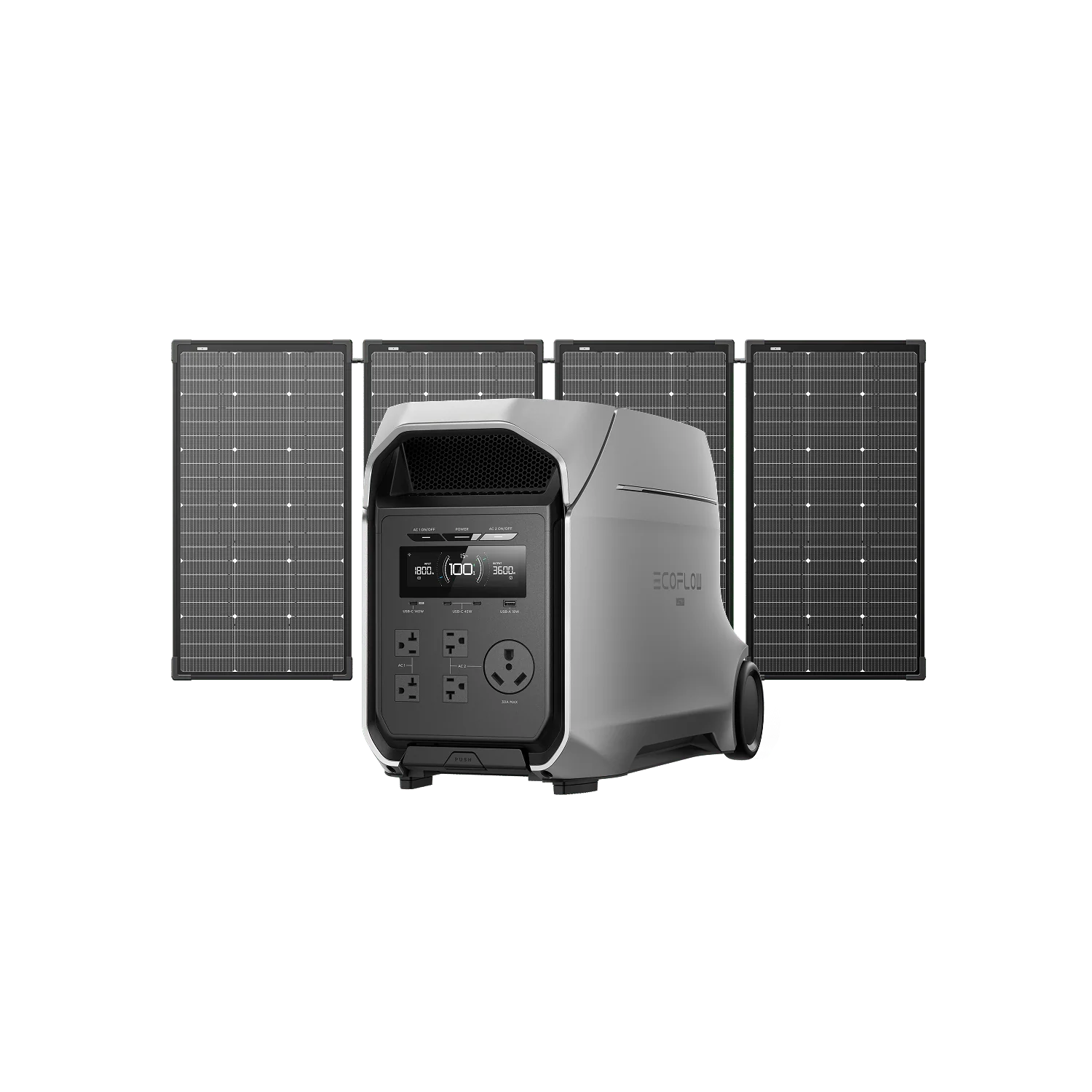
Since gas water heaters don’t use a lot of power, you can get a small, dedicated portable power station to keep it running when the grid goes down. Alternatively, you can get a whole-home backup power solution that can be tied into your electrical panel so that it turns on automatically as soon as an outage is detected.
In both cases, you can recharge them with solar power to keep hot water flowing through any outage, no matter how long it lasts.
Frequently Asked Questions
How Do I Tell If My Gas Water Heater Needs Electricity?
You can tell if your gas water heater needs electricity by looking to see if it has a power cord or digital display. You can also check if it has a standing pilot light that stays lit; if it doesn't, then it uses electric ignition.
Can a Gas Water Heater Run During a Power Outage?
If the water heater has a standing pilot light that remains lit all the time, as most traditional models do, then it may run without power. However, most modern models use electronic ignition, ventilation systems, and digital displays, so these still need electricity to run.
Keep Hot Water During Outages, Improve Reliability, and Save Energy
Whether a gas water heater needs electricity to run depends on its design. Still, most modern models do rely on electricity for safe ignition, controls, or ventilation systems to work. While this method is more efficient and safer, the trade-off is that it will not work during a power outage.
However, you can avoid bathing in the cold using a backup power supply like the EcoFlow DELTA 3 Max Plus + 2×220W Solar Panel bundle, which will keep your water heater powered up until the grid returns.
For press requests or interview opportunities, reach out to our media team
media.na@ecoflow.com