The Pros and Cons of Tankless Water Heaters
Tankless water heaters offer endless hot water, lower energy bills, and considerable space savings, but must be chosen carefully to ensure they’ll work in your home. Before making the switch from a traditional storage tank, it’s crucial to understand flow rates, installation demands, and real-world performance in different climates. This guide also breaks down how on-demand systems work, where they excel, and where they may struggle.
How Water Heaters Work
Let’s first take a look at how water heaters work.
Storage Tank Water Heaters
Storage tank heaters use natural gas, propane, electricity, or oil to heat water stored in a 30- to 60-gallon tank, ensuring it’s always full and hot. This means you pay to heat water whether you use it or not.
Storage tank models occupy a considerable amount of space. They’re typically about 5ft tall and 2ft wide, or larger. In small homes, replacement models, even of the same capacity, may no longer fit due to new regulations requiring tanks to have better insulation.
Tankless Water Heaters
Tankless models have no storage tank and instead heat water on demand, which is why they’re also called on-demand water heaters. When someone turns the tap on, water is drawn into a heat exchanger that rapidly heats it to the desired temperature. Just like tank-based models, these can run on natural gas, propane, or electricity.
These heaters are much smaller, about 2ft tall and 1ft wide. They’re also typically mounted on the wall, making them perfect for small homes.
A Comparison of Tankless and Storage Tank Water Heaters
Here are some important differences between tankless and storage tank heaters.
Flow Rate
Flow rate is often cited as a concern with tankless water heaters. One problem is a lack of understanding of how these systems work. The colder the initial water and the hotter you want it, the lower the flow rate will be; in some cases, it won’t even reach the desired temperature. Other issues include people buying a capacity that's too small or not installing it correctly.
Purchasing a suitable flow rate for your home, especially in cold climates, is critical to prevent inconsistent temperatures, low flows, low pressure, and reduced energy efficiency.
Modern on-demand models typically provide flow rates of 2-5GPM (gallons per minute) for electric and as high as 10GPM for some gas models. Since the average home needs about 6-8GPM, electric models are best for small to medium homes or for point-of-use (i.e., one servicing the kitchen and one the bathroom). A single high-flow-rate gas model may work for a large home.
Storage tank heaters, on the other hand, are measured in tank capacity and recovery rate in gallons per hour (GPH). A typical home needs a recovery rate of 40GPH. A larger tank means more hot water, while a faster recovery rate is essential for heavy use like running a washing machine and showering simultaneously. Still, storage tank models tend to produce higher flow rates from your tap than tankless models do.
Installation Costs
The installation cost of a storage tank model is generally $600 to $800, while tankless units cost $800 to $1,500. However, that initial installation cost is higher for tankless models because the plumbing and electrical systems often need to be changed. However, once installed, the replacement fees are lower for tankless models because they save time by eliminating the need to remove a large tank.
Energy Savings
Because tankless models are “on demand”, they don’t constantly heat water. Instead, they produce it only when needed, making them more energy efficient. For homes using <41 gallons of hot water daily, on-demand models are 24%–34% more efficient than storage tank models.
This translates into savings on your energy bills. While electric tankless models don’t save as much as gas due to the high cost of electricity, they are still cheaper than electric storage tank units.
Can You Run Water Heaters on Battery Power?
Since gas tankless and tank-based models require very little to no electricity, they easily run on battery power. Then you can have hot water during power outages or for living off-grid.
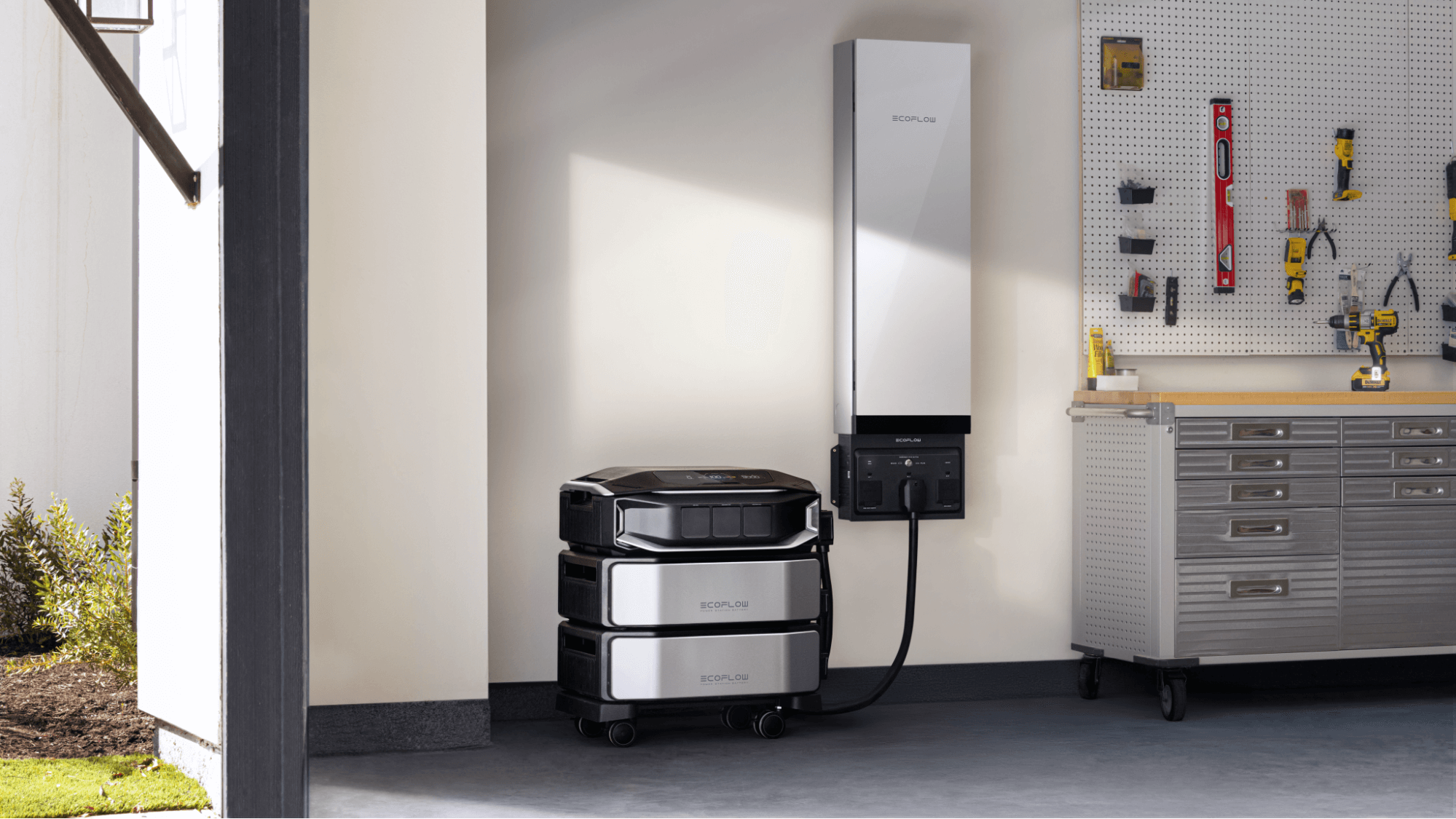
The high draw of electricity from electric on-demand models makes it more challenging to run on batteries, but you can with a powerful enough system. The EcoFlow DELTA Pro Ultra X offers 12-36kW of expandable output, enough power to run tankless electric water heaters and even an entire home.
Pros and Cons of Tankless Water Heaters
Now, let’s summarize some pros and cons of on-demand water heaters:
Pros
More energy efficient than storage tanks because they only produce hot water on demand rather than constantly heating it.
You never have to wait for hot water.
They cost less to operate than tank-based models.
They typically have easily replaceable parts, making them last longer.
On-demand units last ~20 years compared to 10-15 years with storage tanks.
Once installed, the labor costs to replace it are lower.
Wall-mounted, saving crucial floor space in small homes.
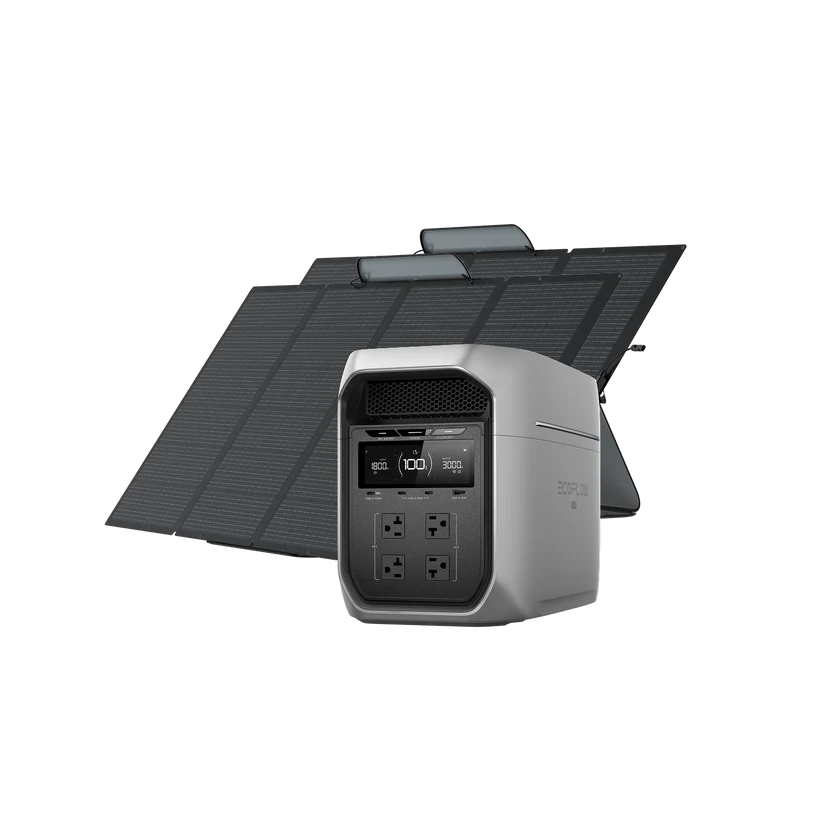
During power outages, you can easily run a gas tankless heater with a home battery like the EcoFlow DELTA 3 Max.
Cons
They cost more upfront, typically between $500 and $1,200, compared to $300 to $800 for tank models.
Initial installation typically costs more, between $800 and $1,500.
Installation must be done correctly to ensure they work as designed.
If your flow rate isn’t high enough, you might not be able to run the washing machine and shower simultaneously.
Low-capacity models may not have enough power to heat cold water in winter.
Tankless Water Heaters Balance Efficiency and Performance
A tankless water heater can deliver excellent efficiency and long-term savings, but only if it’s sized correctly and installed for your home’s plumbing and climate. Weigh the upfront costs against lower operating expenses and longer lifespan to decide whether on-demand is right for you. And if you want reliable hot water even during power outages, pair your setup with a powerful home battery like the EcoFlow DELTA Pro Ultra X.
For press requests or interview opportunities, reach out to our media team
media.na@ecoflow.com