DIY vs. Professional Install: EcoFlow's Turnkey Service
- What DIY Solar Installation Typically Involves
- Risks and Limitations of DIY Solar Installs
- How DIY Installation Can Affect Performance and System Lifespan
- What Professional Solar Installation Includes
- Safety, Permits, and Compliance in Professional Installs
- What a Turnkey Solar Installation Service Means
- How EcoFlow’s Turnkey Service Supports Modern Home Energy Systems
- DIY or Professional Install: Which Option Fits Your Energy Goals?
- Frequently Asked Questions
- Ready to Upgrade Your Solar Setup with EcoFlow Turnkey Service?
DIY solar systems have put home power generation within reach of many more people than ever before. But is DIY for everyone? For some systems, professional installation provides greater safety, performance, and regulatory compliance.
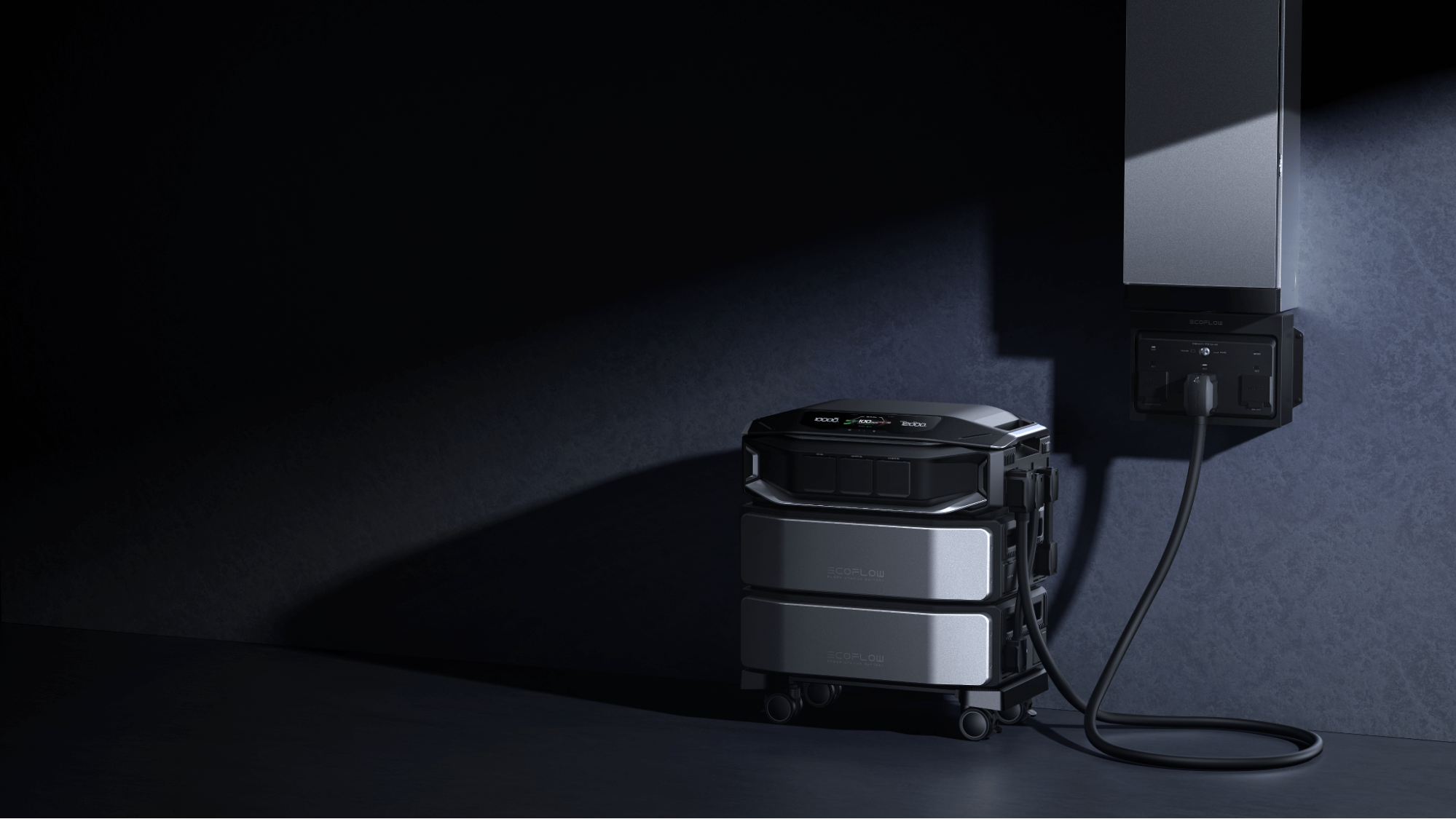
Let’s weigh up the pros and cons of professional solar system installation, whether you’re installing the EcoFlow DELTA Pro Ultra X or another power solution.
What DIY Solar Installation Typically Involves
There are many steps to installing a solar system. To get the most out of your system, it's important to get them right. For example, you need to:
Mount solar panels on your roof or on the ground
Run DC wiring to inverters
Install battery storage systems and connect them to your inverter
Connect to your electrical panel
Coordinate inspections and local permits
Mounting hardware kits and plug-and-play battery systems like the EcoFlow DELTA Pro Ultra X have made solar power more accessible. Still, installing a whole-house solar system requires electrical knowledge, structural considerations, and compliance with local building codes. That's not something that most homeowners have.
It's also worth remembering that electricity can be dangerous to those who don't know what they're doing.
Often, small off-grid projects are fine for capable DIYers. But a whole-home system tied into the grid demands a level of expertise and bureaucratic know-how only professionals usually have.
Risks and Limitations of DIY Solar Installs
DIY installations come with both legal and technical challenges. Here are some of the things you will need to watch out for:
Incorrect wiring that reduces efficiency
Improper grounding, causing safety hazards
Roof penetrations leading to leaks
Noncompliant installations that fail inspection by local authorities
Voided equipment warranties
In many jurisdictions, you can't connect a system to your home's electrical panel without a licensed electrician signing off on the work. Even if it is allowed, mistakes can compromise system safety or harm efficiency.
How DIY Installation Can Affect Performance and System Lifespan
Solar systems are very precisely engineered to get the maximum performance from every component. Panel orientation, inverter sizing, battery integration, and load-balancing all play a role.
Improper installation can lead to reduced energy production, battery degradation, overloaded circuits, and, overall, a shorter lifespan for your system.
A whole-home backup system can save you thousands of dollars on electricity bills and help you become energy independent, but only if it’s installed correctly. Even the best design system is only as good as its installation. If you want to use your system to its full capacity, you need to make sure you get the setup right.
What Professional Solar Installation Includes
It's true that professional solar installation will increase the upfront cost of your system. But it's also true that the increased efficiency and reliability of a professionally installed system can make that cost well worth paying.
Typically, professional solar installation includes:
Site assessment and energy load evaluation
A system designed especially for your home
A structural inspection of your roof
Integration into your home's existing electrics
Battery setup and configuration
Coordination of connection to the power grid
A competent installer makes sure that all your components work together seamlessly. That's especially important when you’re integrating storage systems like backup batteries.
Safety, Permits, and Compliance in Professional Installs
The rules around solar installation aren’t there just because governments love to make regulations. They’re intended to keep homeowners safe.
Solar installations involve high-voltage DC and AC systems. Well-trained professional installers learn how to handle grounding, breaker sizing, safe battery placement, fire safety clearances, and solar panel mounting.
They also manage permits and inspections, making sure your system is not only safe and reliable, but legal. The last thing you want is for improper installation to void your warranty or compromise your insurance.
What a Turnkey Solar Installation Service Means
The idea behind turnkey service is to remove stress and complexity from the process. Essentially, it means everything gets handled as one coordinated service. You don’t need to hire multiple contractors to install panels, run wiring, and set up batteries. And you won't need to deal with the sometimes confusing process of permitting and inspection enforced by your local authorities.
Turnkey service means that you can sit back and let the professionals handle everything. You get a fully optimized and reliable solar energy generation system, licensed and compliant, and guaranteed to keep producing power for years to come.
How EcoFlow’s Turnkey Service Supports Modern Home Energy Systems
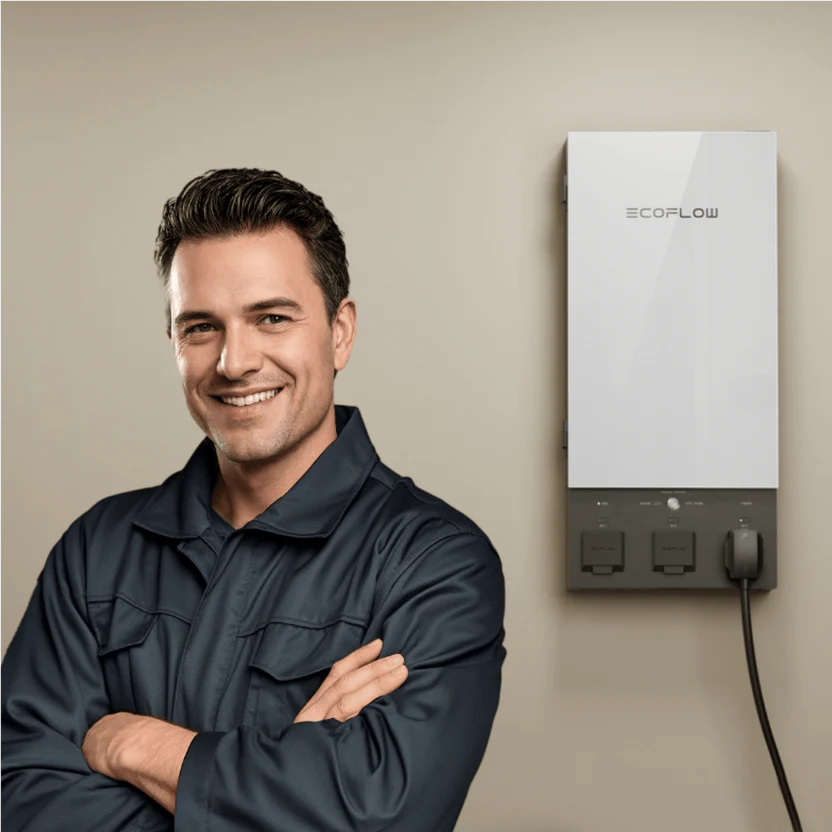
EcoFlow's Turnkey Installation Service is the easiest way to generate your own power. EcoFlow systems use high-capacity battery storage and smart load management as well as state-of-the-art solar panels to create systems that work flawlessly. You can choose from Live Installation Support (Remote), using your preferred electrician but with real-time support from EcoFlow’s video guidance. Or, you can take the stress out entirely and opt for the Turnkey On-Site Installation.
Whichever you choose, EcoFlow’s turnkey service ensures safe integration with existing electrical panels, optimizes performance, provides warranty protection, and ensures legal compliance. That's how you get the very best out of your smart energy generation system.
DIY or Professional Install: Which Option Fits Your Energy Goals?
Whether a turnkey service is for you depends on your needs and your abilities. If you're a novice to electrical systems and to DIY in general, the turnkey service can help you avoid costly mistakes. On the other hand, if you already have a good knowledge of electrical systems, you may be able to handle a small off-grid system by yourself.
A whole-home backup system is on a different level, especially if it's connected to the grid. That means dealing with code compliance from your local jurisdiction, which often requires professional installation.
Basically, the larger and more integrated your system is, the more valuable professional installation becomes.
Frequently Asked Questions
Is DIY Solar Safe?
DIY solar can be safe for small stand-alone systems. But if you plan to tie into the electrical grid or perform a whole-home installation, you probably require a licensed professional. In some jurisdictions, it's a legal requirement.
Does Professional Solar Installation Cost More in the Long Run?
Professional solar installation can actually save you money. Although it costs more upfront, it prevents expensive corrections, improves your performance, and protects your warranty. Over the decades-long life of your energy system, that can add up to big savings.
Does DIY Actually Save Money?
Not always. Yes, you save on labor, but improper installation, failed inspections, and reduced efficiency all cost you money. When dealing with home solar systems, you need to think about the long-term performance, as that often offsets any upfront costs.
Ready to Upgrade Your Solar Setup with EcoFlow Turnkey Service?
Plug-and-play systems have made it easier than ever for homeowners to perform DIY solar installation. But there's a lot more to it than just putting some panels up on the roof. And if you tie into the electrical grid, you may well need the services of a professional to make sure it’s done safely and legally.
The EcoFlow Turnkey Installation Service can also save you money through increased efficiency. If you want your home solar system to function at its best, it's well worth considering.
For press requests or interview opportunities, reach out to our media team
media.na@ecoflow.com