How Much Does It Cost to Install Solar Panels in 2026? (U.S. Homeowner Guide)
- Average Cost of Solar Panels in the U.S. (2026 Overview)
- What Factors Affect the Cost of Solar Panel Installation?
- Solar Panel Cost Breakdown (Where Your Money Goes)
- Federal Tax Credits and State Incentives in 2026
- Is Installing Solar Worth It in 2026? (Savings & ROI)
- How to Reduce Solar Installation Costs (Smart Buying Tips)
- Conclusion
- FAQs
Since utility rates are hitting record highs and the reliability of the aging power grid is unknown, people are looking to solar energy. Solar energy has transitioned from a “green luxury” to a strategic and financial opportunity for U.S. households. This guide provides a comprehensive breakdown of the current costs and regional trends. Plus, how smart technology is being integrated so American homeowners can power their homes reliably.
Average Cost of Solar Panels in the U.S. (2026 Overview)
While technology has become more efficient, factors like high demand and localized labor rates influence the final quote for your system. Many homeowners also find that why solar panels will likely keep getting cheaper is a key topic as manufacturing scales globally.
National Average Cost Range in 2026
In 2026, total installation costs for most American homeowners will range from $15,000 to $30,000. However, after applying the federal tax credits, the net investment can drop significantly, making solar more accessible than ever before. This range often includes the core setup, though some choose to supplement it with a portable power station for mobile energy needs.
Cost Per Watt Explained ($/W in the U.S.)
The industry standard for comparing quotes is the “cost per watt.” The national average is currently between $2.50 and $3.30 per watt. This metric is the most reliable way to compare and make sure you’re getting a competitive deal, regardless of the brand of panels.
Typical System Size (5kW–10kW) and What It Covers
Most American homes typically require a system size between 5kW and 10kW. A 7kW system, for example, is generally sufficient to handle the majority of the electricity needs for a standard 2,000-square-foot home. This figure will vary depending on your state’s daily hours of sun, but you can always supplement your capacity with a standalone solar generator for emergency backup.
Example: Monthly Electricity Bill vs. Solar Investment
If you are currently paying $200 per month for electricity, it’s like you’re paying rent, and you get nothing in return. By switching to solar, that same $200 could be redirected into a solar loan payment. Once the system is paid off, your monthly electricity costs will be $0.
Another critical factor many homeowners overlook is what happens when the grid fails or electricity prices spike during peak hours. A traditional solar system that’s tied to the grid cannot fully eliminate these added costs unless it has power storage.
What Factors Affect the Cost of Solar Panel Installation?
Every home is unique, and several variables can impact your total investment. Understanding these factors helps you avoid sticker shock when you receive a professional estimate.
System Size and Household Energy Usage: Homes with electric vehicles (EVs) or large HVAC systems require more panels. More panels will increase the upfront cost but also maximizes long-term savings.
Roof Type, Angle, and Structural Condition: A simple south-facing asphalt shingle roof is the cheapest to install. When evaluating space constraints, many homeowners also weigh the pros and cons of solar panels for tiny houses before deciding on a fixed or ground-mounted array.
Equipment Quality (Panels, Inverters, Batteries): Premium Tier-1 panel companies offer higher efficiency and better warranties. This often justifies their higher price point over a 25-year system life.
Labor and Installation Complexity: Labor rates vary by state. In 2026, the Northeast and California areas will have higher labor costs due to specialized permit requirements.
Location Differences: A home in Arizona will produce more energy per panel than one in Massachusetts. This determines how many panels you need to buy to reach energy independence. Fewer panels mean lower costs.
Permits, Inspections, and Interconnection Fees: Local jurisdictions typically charge fees for permits and approval to connect your home system to the local grid. These fees can range from a few hundred to a few thousand dollars.
Solar Panel Cost Breakdown (Where Your Money Goes)
The costs on a typical 2026 solar quote are split between hardware, labor, and “soft costs,” as explained here.
Solar Panels (30–40%): The primary hardware cost.
Inverters (10–15%): The devices that convert sunlight into usable household electricity.
Panel Mounting Systems and Hardware: The racking that keeps your panels secured during 100mph winds.
Labor and Installation Costs (20–30%): Payment for the certified electricians and crew on your roof.
Soft Costs: Includes marketing, permits, and the company’s overhead.
Grid-Tied vs. Hybrid vs. Off-Grid: Standard grid-tied systems are the most affordable. Hybrid and Off-Grid systems, which include batteries, are becoming the 2026 standard for American homeowners seeking energy reliability and independence.
Federal Tax Credits and State Incentives in 2026
The quoted price of a solar system is rarely what you actually pay. Government tax credits need to be considered and are the strongest incentive for solar adoption in the United States.
Federal Solar Investment Tax Credit (ITC – Up to 30%)
The Federal ITC, now known as the Residential Clean Energy Credit, remains the primary incentive. Homeowners can claim a 30% federal tax credit on the total system cost through 2032, including solar panels and, from 2023, standalone or integrated battery storage systems.
State and Local Solar Incentives
Many states, such as New York and Maryland, offer additional rebates or state tax credits. These can be stacked on top of the federal 30% tax credit.
Net Metering Policies Explained
Net metering allows you to “bank” excess energy produced during the day and use it at night. This effectively lets you use the grid as a free battery.
However, as more states transition to Net Metering 3.0 program, the utility rates for off-loaded solar energy is decreasing. This shift is pushing homeowners towards more self-consumption strategies. This is where homes store and use their own solar energy. The power becomes significantly more valuable than sending it back to the grid.
Real Example: Cost After Incentives
A $20,000 system might see a $6,000 reduction from the Federal ITC alone. This brings the real-world cost down to $14,000, before any state-specific rebates are even applied.
Is Installing Solar Worth It in 2026? (Savings & ROI)
The return on investment (ROI) for solar has reached an attractive level in 2026. Solar system owners can effectively lock in their energy costs for the next two decades and avoid the rate hikes coming from utility companies.
In the U.S., more and more families are installing solar not just to lower bills, but to offset rising electricity rates and attain some power security. This is especially occurring in states like California and Texas, where price volatility is high and there are possible frequent blackouts due to extreme weather., It’s no longer enough to rely solely on the utility grid. This is why integrating solar and power storage has become a very popular choice.
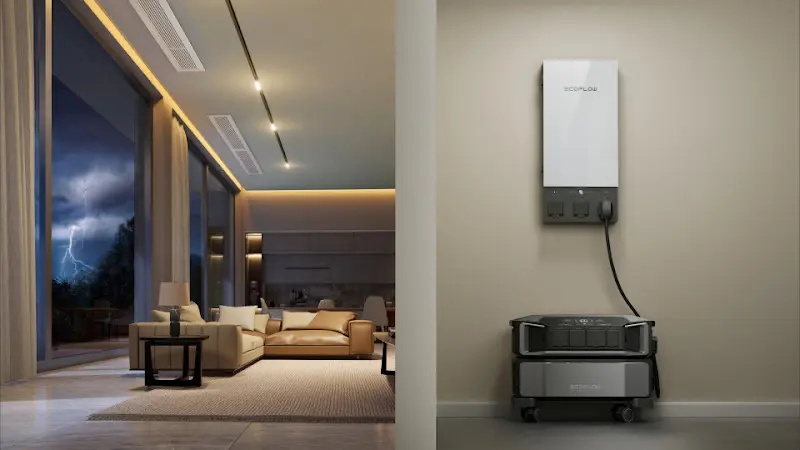
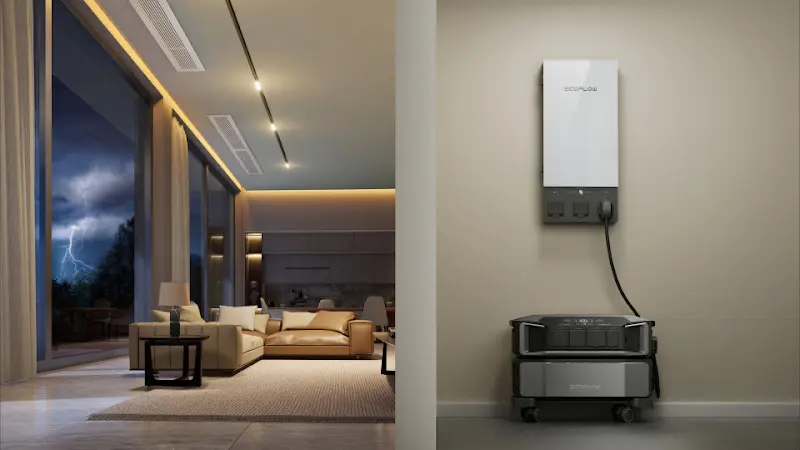
By combining the EcoFlow DELTA Pro Ultra Whole-Home Backup Power with the EcoFlow Smart Home Panel 2, homeowners can store solar energy during the day to reduce reliance on the grid. Once this is done, the overall ROI is significantly improved. Moreover, this setup provides an automatic switchover during outages, keeping critical appliances like refrigerators and AC units running. This integrated approach maximizes long-term financial gains and improves your home energy stability. For sure, this is a defining trend in the 2026 U.S. market.
Average Payback Period (6–10 Years)
Most homeowners see their system paid for in under a decade. After that break-even point, the solar electricity produced is essentially free.
Impact on Home Value in the U.S. Housing Market
Real estate data continues to show that solar-equipped homes sell faster and for an average 4% higher price than homes without solar.
How to Reduce Solar Installation Costs (Smart Buying Tips)
You don’t always have to go with the biggest, most expensive system to get one that suits your situation. Do some comparisons, and it can save you thousands.
Compare Multiple Solar Quotes: Never settle for the first cold caller or door-to-door salesperson. Use online marketplaces to compare 3 to 5 local installers.
Choose the Right System Size: Don’t pay for more capacity than your family actually uses.
Explore Financing Options: Look for low-interest solar loans or “Green Bank” financing rather than high-interest personal loans.
When to Consider Battery Storage
Many homeowners wonder if they really need a battery. Batteries were once considered an expensive add-on, but prices have come down, and efficiency is up. Many utilities are using Time-of-Use (TOU) rates, which makes storage essential for long-term savings.
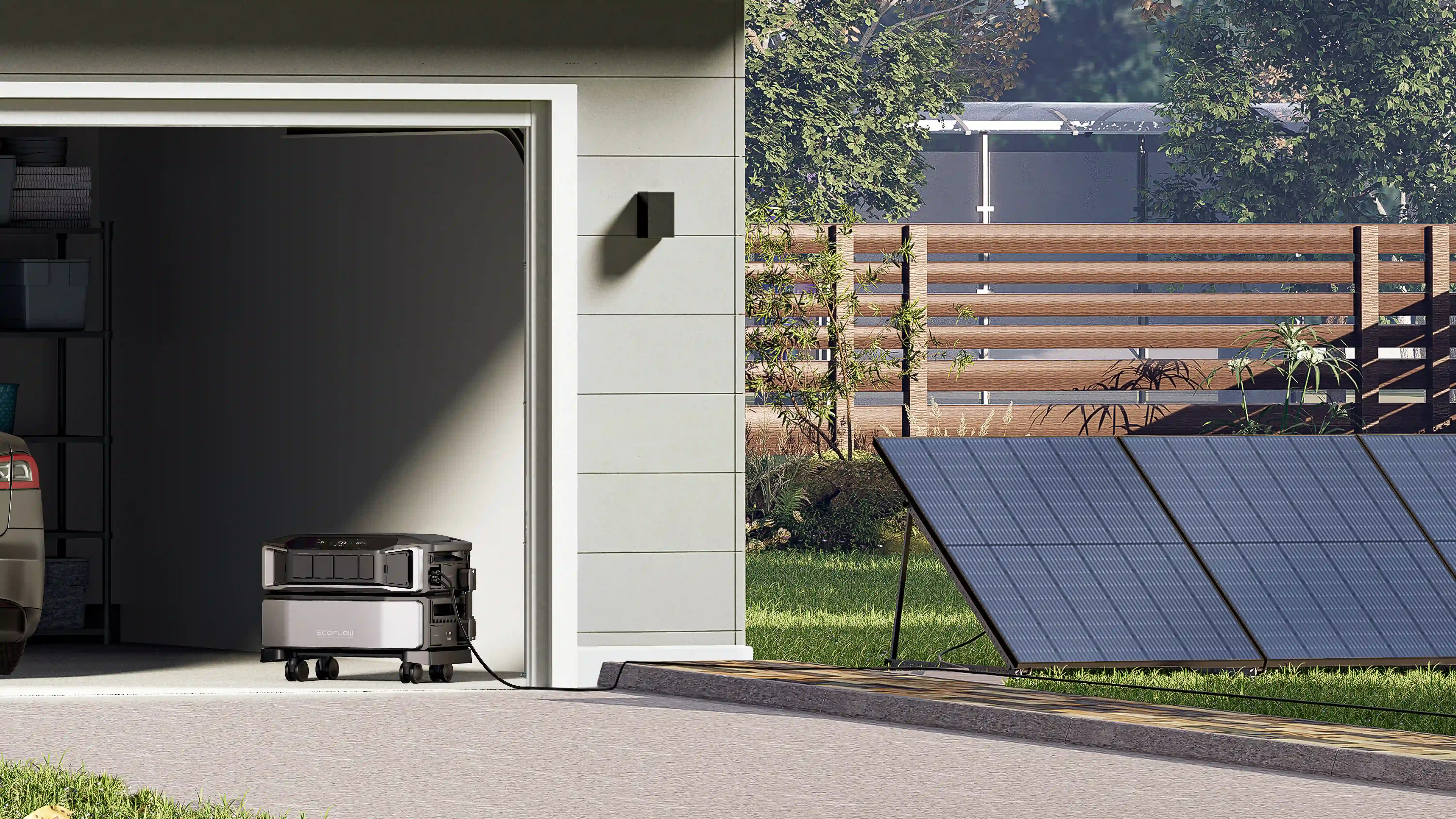
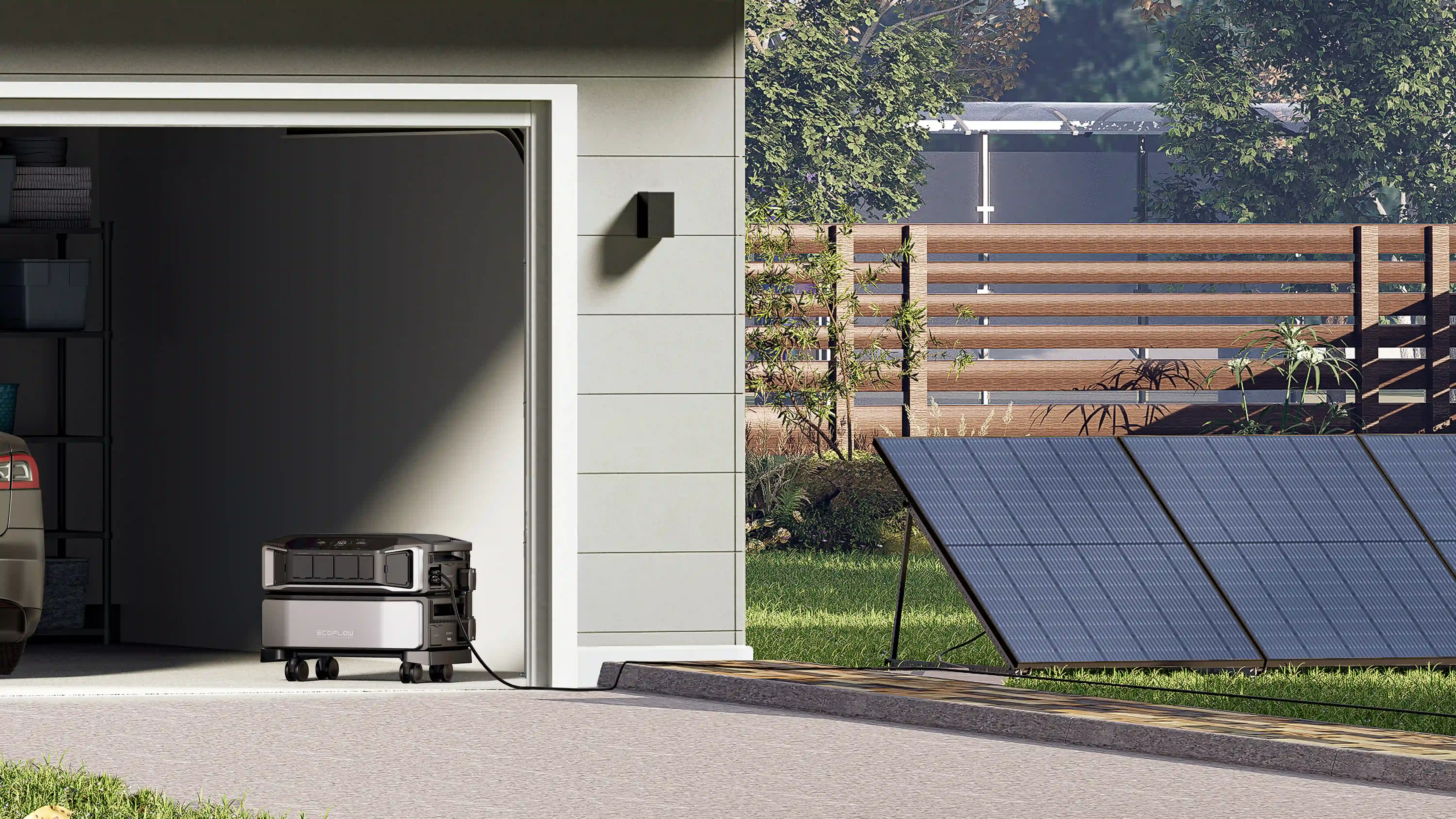
A flexible and cost-effective entry point into energy independence, it is a combination of the EcoFlow DELTA Pro Ultra Whole-Home Backup Power with 400W Portable Solar Panels. You can store energy during the day to avoid peak-hour charges and then make sure your home stays powered during unexpected grid failures. This modular approach allows you to control future costs also by expanding your capacity when needed. This is better than committing to a huge rooftop overhaul all at once.
Conclusion
In 2026, going solar has evolved from an environmental choice into a wise financial and energy plan. New systems offer a competitive cost-per-watt, and with the 30% Federal ITC still available, entry costs are lower than ever. However, true energy independence requires more than just panels.
From Arizona’s heat to Florida’s storms, energy reliability is more and more important. When you integrate smart, modular power storage like the EcoFlow DELTA Pro Ultra, you make sure your investment works 24/7. This protects you from peak-hour hikes and keeps the lights on during grid failures. Whether you choose a full rooftop array or a flexible, expandable system, solar is officially the smartest home investment you can make in 2026.
FAQs
1. How Much Do Solar Panels Cost Per Square Foot?
Solar panels generally cost between $4 and $10 per square foot, depending on the efficiency of the panels and the complexity of the installation. However, most professionals recommend using the total “cost per watt” as a more accurate financial comparison.
2. Are “Free Solar Panels” Really Free?
No, “free solar” programs are typically marketing terms for Solar Leases or PPAs. In these arrangements, a third party owns the panels, and you pay them for the power. You do save on your electricity bill, but you don’t own the equipment or get the tax credits.
3. What Is the Cheapest Way to Go Solar?
The cheapest way to go solar is through a cash purchase or by utilizing modular, DIY-friendly systems. Products like EcoFlow’s portable and stationary solar kits allow you to install your own system without the large overhead of traditional construction.
4. How Long Do Solar Panels Last?
Most modern solar panels are rated for 25 to 30 years. After 25 years, they don’t simply stop working; they produce about 80-85% of their original power output.
5. Do Solar Panels Require Maintenance?
Solar panels require very little maintenance beyond occasional cleaning. Since they have no moving parts, usually a quick rinse with a hose to remove dust or snow is all that is needed to keep them running at peak efficiency.
For press requests or interview opportunities, reach out to our media team
media.na@ecoflow.com