Northern Lights Alaska: Best Viewing Tips for an RV Trip
- When Is the Best Time for Northern Lights Alaska RV Travel?
- Where Should You Go for Aurora Viewing Alaska by RV?
- How Should You Use Forecasts on an Alaska Northern Lights Trip?
- What Cold Weather Gear Do You Need for Northern Lights Alaska?
- How Can You Photograph Northern Lights Alaska Without Overpacking?
- How Can You Stay Safe While Aurora Viewing Alaska at Night?
- When Is an Alaska Northern Lights Tour Better Than Driving Yourself?
- Plan a Warmer, Smarter Northern Lights Alaska RV Trip
- FAQs
The sky in Alaska can turn from quiet black to moving green in minutes. For travelers planning a northern lights Alaska RV trip, the reward is not only the aurora. It is the freedom to wait under dark skies, stay warm between viewing windows, and move when weather allows. A good trip starts with the right season, safe locations, cold weather gear, and realistic expectations.
When Is the Best Time for Northern Lights Alaska RV Travel?
The best time for northern lights Alaska RV travel depends on how much cold, darkness, and road planning you can handle. The aurora season usually runs from late August to late April, but not every month feels the same for RV travelers.
For most visitors, September to October and February to March offer the easiest balance. These months still provide dark skies, while travel conditions can be more manageable than the deepest part of winter.
Late August to October: This is a good early season window for an Alaska northern lights trip. Nights grow darker, temperatures are usually less extreme, and some routes and services may be easier to use before deep winter.
November to January: These months bring the longest nights, which can help aurora viewing Alaska. However, they also bring stronger cold, shorter daylight, and more demanding road conditions.
February to March: This is often the most practical window for RV travelers. Nights are still dark enough for northern lights Alaska viewing, while daytime driving can feel easier than in midwinter.
Late April: Viewing may still be possible early in the month, but longer daylight begins to shorten the dark sky window.
The aurora is often visible from late evening into the hours around midnight, but it does not follow a fixed schedule. Plan at least three to five viewing nights if possible. More nights give you a better chance to work around clouds, moonlight, and quiet solar activity.
Where Should You Go for Aurora Viewing Alaska by RV?
For most RV travelers, Fairbanks is the most practical base for aurora viewing Alaska. It has road access, fuel, supplies, winter travel services, and darker viewing areas nearby. You can stay close to town for comfort, then drive to safer dark-sky spots when the weather looks clear.
Look for places with low light pollution, open sky, and a clear northern view. Roads outside Fairbanks can work well, but always choose legal pullouts where your RV is fully off the road. Avoid narrow shoulders, blind curves, private land, and areas that are not plowed.
The Denali area can also add strong scenery to a northern lights Alaska RV trip. Mountains, snow, and open sky can create beautiful photo backgrounds. However, road access and services can change by season, so check current conditions before adding Denali to your route.
More remote northern areas may offer darker skies, but they are better for experienced winter drivers or travelers using local support. For a first Alaska northern lights trip, a Fairbanks-based route is usually easier, safer, and more realistic.
A good viewing spot should meet three basic needs:
Dark sky with limited nearby lights
Safe and legal RV parking
A simple route back to camp or town
The best place for northern lights Alaska viewing is not always the farthest place. It is the place where you can wait safely, stay warm, and keep watching when the sky finally starts to move.
How Should You Use Forecasts on an Alaska Northern Lights Trip?
Forecasts help you decide when to wait, when to move, and when to stay near camp. For an Alaska northern lights trip, check both aurora activity and local weather because a strong aurora forecast means little if clouds cover the sky.
The Kp index is a common scale for geomagnetic activity, which means activity caused by solar energy interacting with Earth’s magnetic field. A higher number can suggest stronger aurora activity, but it does not guarantee visibility. Clear skies, darkness, and low light pollution still matter.
Before heading out, check:
Aurora forecast and Kp index
Cloud cover and snow conditions
Moon brightness
Wind chill and temperature
Road conditions near your viewing area
Use forecasts as planning tools, not promises. If roads are safe and skies are clear, choose a darker nearby spot for aurora viewing Alaska. If weather turns poor, stay close to your RV base and try again another night.
What Cold Weather Gear Do You Need for Northern Lights Alaska?
Cold weather can turn a beautiful sky watch into an uncomfortable wait if you are not prepared. Aurora viewing often means standing or sitting still for long periods, usually late at night. Dress for waiting, not for walking.
Start with layers. A moisture moving base layer helps keep sweat away from your skin. An insulated middle layer helps trap heat. A wind resistant outer layer helps protect you from cold air while you stand outside.
Bring gear that keeps both people and devices working:
Warm boots with good traction
Wool socks and backup socks
Liner gloves plus heavier gloves
A warm hat and face covering
Red light headlamp to protect night vision
Spare flashlight
Tripod and extra camera batteries
Thermos with a warm drink
High calorie snacks
Emergency blanket and first aid kit
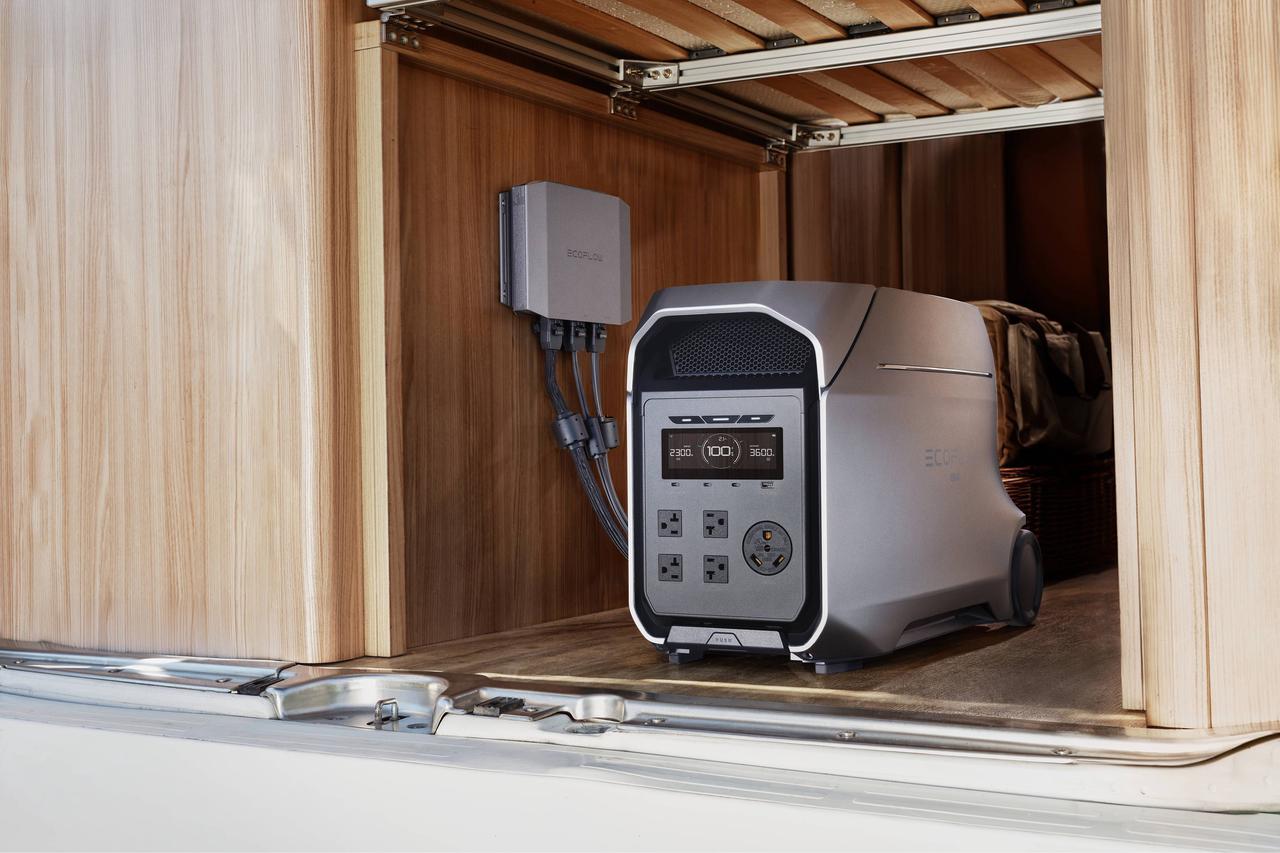
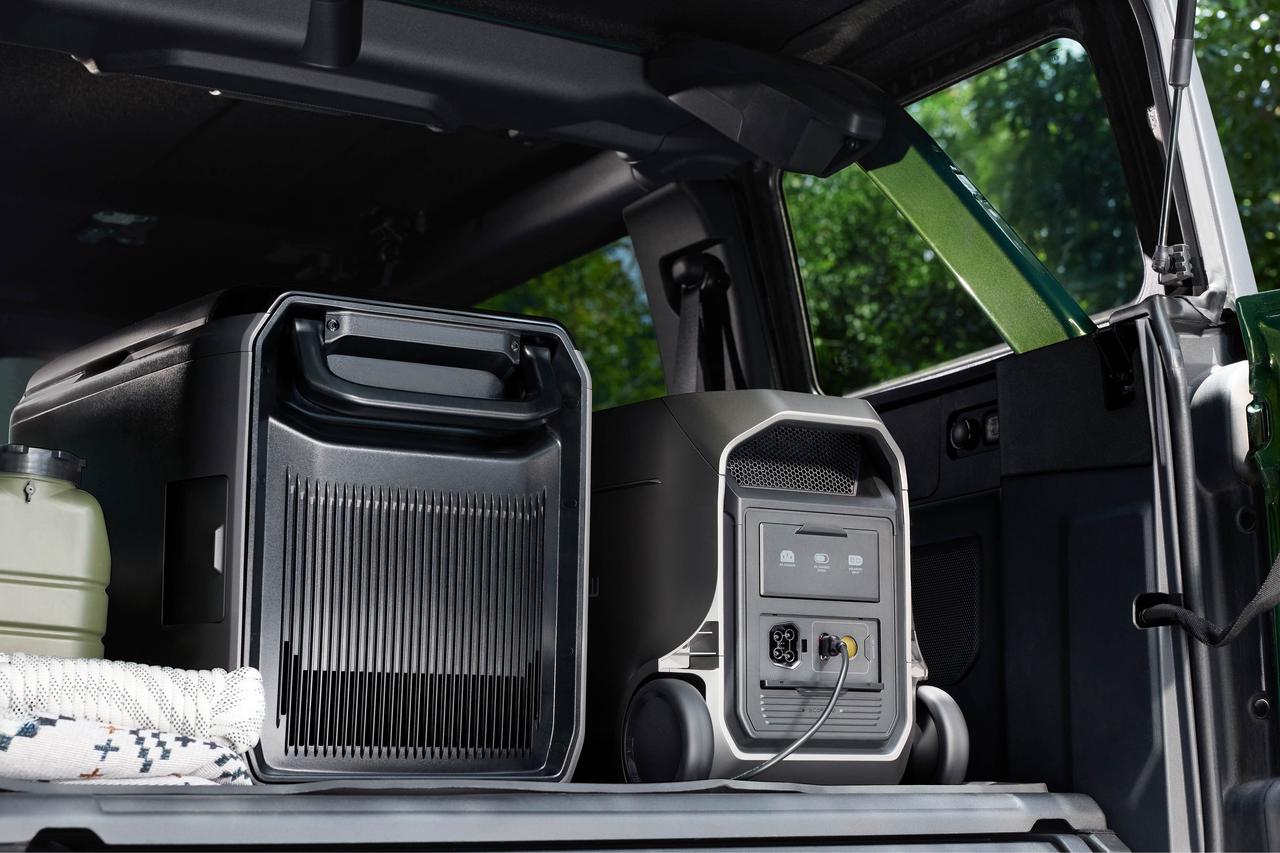
Cold weather can also drain phones, camera batteries, headlamps, and small heated accessories faster than expected. For an RV based setup, the EcoFlow DELTA 3 Ultra paired with two 220W Solar Panels can fit naturally into a cold weather gear plan. Its 3072Wh capacity gives travelers a larger stored power reserve for long viewing nights, while its 3600W output provides enough flexibility for charging multiple devices and supporting small comfort gear between aurora sessions.
A portable power station is a rechargeable power unit that stores electricity for later use. Solar panels can help top up power during daylight when conditions allow. For an Alaska northern lights trip, pre charge the unit before leaving town and use solar charging as a daytime support option, not the only part of your RV power plan.
How Can You Photograph Northern Lights Alaska Without Overpacking?
You do not need a studio level camera bag to enjoy the northern lights Alaska. A few simple tools can improve your photos and keep the night easier.
A tripod is the most important item. Aurora photos often need a longer exposure, which means the camera must stay still while it gathers light. If you use a phone, place it on a stable surface or use a small phone tripod.
For a camera, start with a wide lens, a wide aperture, a higher ISO, and a several second exposure. Take a few test shots before the sky becomes active so you are not learning settings in the dark.
Keep extra batteries in an inside pocket. Cold air can reduce battery performance, so warm storage helps. Bring a clean lens cloth because frost and moisture can blur images.
Add a simple foreground when you can. Trees, snow, mountains, or the outline of your RV can make the photo feel connected to the trip. Take photos, but also look up. The best part of aurora viewing Alaska is watching the light move in real time.
How Can You Stay Safe While Aurora Viewing Alaska at Night?
Night viewing can feel calm, but Alaska rewards careful choices. Before leaving your base, check road conditions, weather alerts, fuel level, and your return route. Download maps before you lose service.
Do not stop in unsafe places. Your RV should be fully off the road and visible to other drivers. A wide legal pullout is better than a random shoulder with a slightly better view.
Keep your night plan simple:
Scout viewing areas before dark.
Keep fuel above a comfortable level.
Tell someone your route if you leave town.
Keep a clear path back to the RV.
Avoid walking onto frozen water without local knowledge.
Follow heater and ventilation instructions carefully.
Keep carbon monoxide safety in mind inside any enclosed space.
Carbon monoxide is a dangerous gas that has no color or smell. Any RV using fuel burning appliances needs proper ventilation and working safety alarms.
A good aurora night should feel peaceful, not stressful. If roads turn icy, visibility drops, or you feel tired, stay near camp. Another viewing window may come later.
When Is an Alaska Northern Lights Tour Better Than Driving Yourself?
A self guided RV trip works well if you are comfortable with winter driving, flexible planning, and late night waiting. It gives you freedom to choose your route and stay longer when skies improve.
An Alaska northern lights tour can make more sense for first time visitors, short trips, or travelers who do not want to drive at night in unfamiliar conditions. A tour can also help when you want local knowledge about safe viewing areas and timing.
Some travelers use a hybrid plan. They travel by RV, then book one guided aurora night near a strong viewing base. That gives them local support while still keeping the freedom of an RV based Alaska northern lights trip.
Plan a Warmer, Smarter Northern Lights Alaska RV Trip
A great northern lights Alaska RV trip comes from patience, preparation, and smart choices. Choose a practical season, stay near dark and safe viewing areas, watch both aurora and weather forecasts, and pack for long cold nights. Build your route with enough flexibility to wait for the sky. Keep your camera ready, your devices charged, and your safety plan simple. Start planning your RV aurora route now, and give yourself the time and comfort to enjoy Alaska when the lights appear.
FAQs
Q1. Can Families Plan a Northern Lights Alaska RV Trip?
Yes, families can plan a northern lights Alaska RV trip if they prepare for late nights and cold weather. Children may need shorter viewing sessions, warmer backup clothing, and a cozy place to rest inside the RV. A flexible schedule helps families enjoy the trip without forcing everyone outside for hours.
Q2. What Type of RV Works Best for Northern Lights Alaska Travel?
The best RV is one that is suitable for the season, road conditions, and overnight temperatures on your route. Good insulation, reliable heat, safe tires, and enough storage for winter gear matter more than size. Always confirm that the RV is approved for the travel dates and areas you plan to visit.
Q3. Can You See Northern Lights in Alaska During a Full Moon?
Yes, northern lights in Alaska can still appear during a full moon, but faint auroras may look less vivid. A bright moon can light up snowy landscapes, which may help with photos. For the darkest sky, many travelers prefer dates closer to a new moon.
Q4. Is It Better to Stay in One Place or Move Around for an Alaska Northern Lights Trip?
For most travelers, staying in one strong base area is better than moving every night. It reduces driving stress and gives you time to learn local viewing spots. Short local adjustments can still help when clouds shift, but constant long-distance driving can make the trip tiring.
Disclaimer: This article is for informational purposes only and does not constitute professional travel, weather, road-safety, emergency, or RV operation advice. Northern lights Alaska viewing conditions can change quickly due to aurora activity, cloud cover, moonlight, winter weather, and road conditions. Always follow official forecasts, local alerts, posted road rules, campground policies, and equipment manufacturer instructions during an Alaska northern lights trip. For official and authoritative information, please refer to Travel Alaska Northern Lights Viewing Tips, NOAA Tips on Viewing the Aurora, NOAA Aurora Dashboard, Alaska 511 Road Conditions, and National Weather Service Winter Weather Safety.
For press requests or interview opportunities, reach out to our media team
media.na@ecoflow.com