Can a Portable Power Station Charge a Deep Cycle Marine Battery?
- Quick Answer
- Introduction
- What Makes Deep Cycle Marine Batteries Different?
- How Does a Portable Power Station Charge Marine Batteries?
- What Power Requirements Do You Need?
- How to Charge a Marine Battery with a Portable Power Station
- What Safety Precautions Should You Take?
- What Are the Limits of Marine Battery Charging with Power Stations?
- 5 Ideal Use Cases for Portable Power Station Charging
- Can Portable Power Stations Handle Deep Cycle Battery Charging?
- FAQs
Quick Answer
Yes, it is possible for the portable power stations to charge the deep cycle batteries as they are able to charge a standard marine battery charger using the AC outlet. For this process to be successful, it is recommended that you get a power station with a minimum of 500Wh (1000Wh or more) along with a compatible smart charger based on your battery type.
Introduction
Can a portable power station charge a deep cycle marine battery? This is one question many boat users and RV users ask. However, the good thing is that it is quite possible to use the right charger for the marine battery, as well as a power station that can supply enough power to do the job. It is quite simple to do: your portable charger will supply power to a standard charger via the AC outlet, which will take care of the maintenance for the marine batteries just as it would back at the shore.
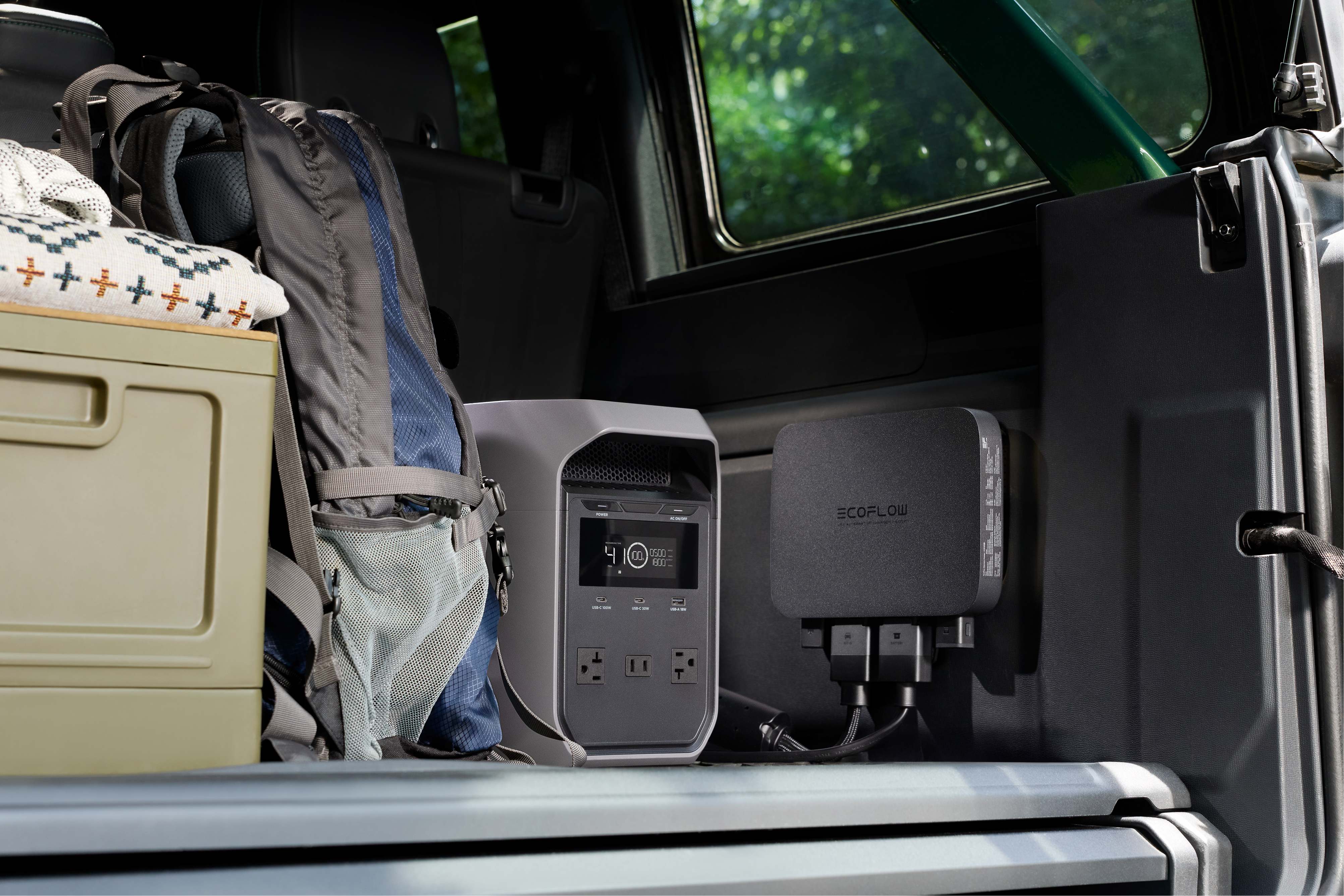
What Makes Deep Cycle Marine Batteries Different?
Deep cycle marine batteries work differently than car batteries in a few important ways.
1. They Provide Steady Power Instead of Quick Bursts
The car battery gives a short, high-powered "boost" to get your engine going, while the alternator takes over. Deep-cycle marine batteries will provide hours of constant power for the "trolling" motor, radios, lights, and more, without the need for recharging.
2. They Handle Being Drained Without Getting Damaged
However, car batteries will quickly go bad if the charge is depleted to less than 80%, whereas the deep-cycle marine battery can be depleted to 20 to 50% on many battery cycles. This is because the lead plates are thick.
3. They're Built Tougher for Marine Conditions
Boats vibrate constantly, which would destroy regular batteries. Marine batteries use durable components that withstand rough seas. Absorbed glass mat batteries are specifically great because their design prevents damage from vibrations.
4. They Come in Different Types for Different Needs
These batteries come in four types: flooded lead-acid (the least expensive, but you'll need to top off the water level); maintenance-free AGM; gel; and lithium-ion (the costliest, but the lightest and longest-lasting).
How Does a Portable Power Station Charge Marine Batteries?
The charging process is straightforward once you understand the basic setup. Your portable power station acts as a mobile power source that runs a standard marine battery charger through its AC outlet.
What You Need
Two main components make this work:
A portable power station with an AC inverter
A compatible marine battery charger designed for your specific battery type
How Does the Charging Actually Work?
1. Charge Your Power Station: First, power up your portable power station at home using a wall outlet, or use solar panels if you're already on the water.
2. Connect the Charger: Plug your marine battery charger into the power station's AC outlet, then connect the charger clamps to your battery terminals.
3. Let It Charge: The charger handles all the technical work—managing voltage, current, and multi-stage charging phases. Your power station just supplies the AC power while the charger safely fills up your battery through bulk, absorption, and float charging stages.
What Power Requirements Do You Need?
Getting the right match between your portable power station and marine battery charger is critical for successful charging. The math isn't complicated, but you need to understand a few key numbers before you buy equipment.
Calculating Required Wattage
Most marine battery chargers pull between 50 and 400 watts depending on their charging rate. Here's how different charger sizes compare:
| Charger Size | Typical Wattage | Best For |
| 5-amp charger | 70-80 watts | Small batteries, trickle charging |
| 10-amp charger | 120-150 watts | Standard marine batteries |
| 15-amp charger | 180-220 watts | Faster charging, larger batteries |
| 20-amp charger | 280-320 watts | Quick charging, high-capacity systems |
Example Calculation: Say you have a 100Ah deep cycle battery and a 10-amp charger. Most 10-amp chargers run at about 12 volts, so the math is simple: 12 volts × 10 amps = 120 watts. Your power station needs to supply at least 120 watts continuously.
Pay attention to both continuous and surge power ratings. Some chargers spike to higher wattage when they first start up. If your charger needs 120 watts to run but surges to 180 watts at startup, your power station must handle both numbers.
Choosing the Right Equipment
For practical marine battery charging, you'll want equipment that works together reliably and safely.
Portable Power Station Capacity
Look for a unit with at least 500Wh capacity as a starting point. Smaller units will work but won't give you much charging time before they're depleted. Here's what different capacities can realistically do:
500Wh power station: Can run a 10-amp charger for about 3-4 hours (accounting for efficiency losses)
1000Wh power station: Provides 6-8 hours of charging time with a 10-amp charger
1500Wh+ power station: Handles larger chargers and extended charging sessions
For serious marine applications, the EcoFlow DELTA 3 Max Plus Portable Power Station offers 2048Wh capacity with 3000W output—more than enough to run even 20-amp chargers without breaking a sweat. Its fast 1800W input means you can recharge it in about an hour, so you're never waiting long between charging sessions.
Essential Marine Battery Charger Features
Your charger should include these capabilities for proper marine battery maintenance:
Multi-stage charging: Automatically switches between bulk, absorption, and float phases for optimal battery health
Selectable battery type settings: Lets you choose flooded, AGM, gel, or lithium profiles
Automatic shutoff: Prevents overcharging and switches to maintenance mode when complete
Temperature compensation: Adjusts charging voltage based on ambient temperature (available on better models)
Battery Type Compatibility
Different deep cycle battery types need different charging profiles. Getting this right matters for battery lifespan:
| Battery Type | Charging Voltage | Special Requirements |
| Flooded Lead-Acid | 14.4-14.8V | Needs ventilation during charging |
| AGM | 14.4-14.7V | Lower voltage than flooded, no maintenance |
| Gel | 14.0-14.2V | Must not exceed voltage limits |
| Lithium | 14.2-14.6V | Requires lithium-specific charger with BMS |
Always match your charger to your battery chemistry. Using the wrong charging profile can damage your battery or significantly reduce its lifespan.
How to Charge a Marine Battery with a Portable Power Station
Following the right steps makes marine battery charging safer and more effective. Here's the complete process from start to finish.
Before You Start Charging
Run through this quick checklist before connecting anything:
1. Inspect battery terminals: Look for corrosion, cracks, or loose connections
2. Check battery condition: Make sure there's no swelling, leaking, or damage to the case
3. Verify voltage: Use a multimeter to confirm your deep cycle marine battery isn't completely dead (should read above 10.5V)
4. Clean terminals if needed: Remove any corrosion with a wire brush and baking soda solution
5. Ensure proper ventilation: Especially important for flooded lead-acid batteries
Setting Up Your Equipment
Place your portable power station on a flat, stable surface away from water and direct sunlight. Make sure it has at least a few inches of clearance on all sides for air circulation. Keep it close enough to your battery that cables reach comfortably without stretching.
Connection Sequence
Follow this exact order to avoid sparks or electrical issues:
1. Set your marine battery charger to the OFF position
2. Connect the charger's red clamp to the positive (+) battery terminal
3. Connect the charger's black clamp to the negative (-) battery terminal
4. Plug the charger into your power station's AC outlet
5. Select the correct battery type on your charger (AGM, flooded, gel, or lithium)
6. Turn on the power station
7. Turn on the battery charger
Monitoring the Charge
Charging times vary based on your battery's size and how depleted it is. Here are typical timeframes:
| Battery Size | Depletion Level | 10A Charger | 15A Charger |
| 50Ah | 50% depleted | 2-3 hours | 1.5-2 hours |
| 100Ah | 50% depleted | 5-6 hours | 3-4 hours |
| 200Ah | 50% depleted | 10-12 hours | 7-8 hours |
Check the charger's indicator lights periodically. Most modern chargers show red during bulk charging, yellow during absorption, and green when complete or in float mode.
Disconnecting Safely
When charging is complete, follow this shutdown sequence:
1. Turn off the battery charger
2. Turn off the power station
3. Unplug the charger from the power station
4. Remove the black clamp from the negative (-) terminal first
5. Remove the red clamp from the positive (+) terminal last
This reverse order prevents accidental shorts and keeps everyone safe.
What Safety Precautions Should You Take?
Charging batteries involves electrical current and chemical reactions, so following proper safety practices protects both you and your equipment.
Keep Air Flowing During Charging
Flooded batteries evolve hydrogen gas during charging. Hydrogen gas is very flammable. All flooded batteries should be charged in well-ventilated areas; charge outside or near open windows. Do NOT charge flooded batteries in enclosed spaces. AGM, Gel cell, or Li batteries produce low gas volumes. Ventilation helps.
Prevent Overheating and Overcharging
Modern smart chargers handle this automatically, but check your battery periodically during marine battery charging. If it feels too hot to hold comfortably (above 125°F), stop charging and let it cool. Most quality chargers switch to float mode when full. With older manual chargers, set a timer and check regularly.
Protect Equipment from Weather
The charger and power station should be kept dry during charging. A covered area or watertight enclosure should be used. Charging should not be done at temperatures below 32°F or above 104°F.
Use Proper Cables and Connections
Use the cables that came with your charger, or make sure any replacements are properly rated. For a 10-amp charger, you need at least 14-gauge wire. Larger chargers require thicker cables:
10-amp charger: 14-gauge minimum
15-amp charger: 12-gauge minimum
20-amp charger: 10-gauge minimum
Check all connections before starting. Loose clamps create resistance, which generates heat and reduces charging efficiency. Make sure clamps bite firmly onto clean terminal posts.
Know When to Stop
Stop charging immediately if you notice:
Unusual smells (sulfur or burning)
Excessive heat from battery or charger
Smoke or sparks
Battery swelling or bulging
Charger making clicking or buzzing sounds
Disconnect power, let everything cool down, and inspect for damage before trying again.
Store Batteries Properly
After marine battery maintenance is complete, store your battery in a cool, dry spot. Fully charged batteries self-discharge over time, so check voltage monthly and recharge if it drops below 12.4V for lead-acid or 13.0V for lithium.
What Are the Limits of Marine Battery Charging with Power Stations?
Portable power stations work for charging marine batteries, but they have real limitations you should know about.
You Lose Power in the Conversion
Your power station converts DC to AC, then your charger converts AC back to DC. You lose 10-15% of your power in this process. A 1000Wh power station only delivers about 850-900Wh to your battery after conversion losses.
How Long Charging Actually Takes
With a 1000Wh power station and 10-amp charger, here's what to expect:
50Ah battery (half empty): 3-4 hours, uses 300-350Wh
100Ah battery (half empty): 6-8 hours, uses 600-700Wh
200Ah battery (half empty): Needs multiple recharges or a bigger power station
Higher-capacity units change the math significantly. The EcoFlow DELTA 3 Max Plus Portable Power Station (2048Wh) can fully charge a 100Ah battery from 50% depletion in one session with plenty of power left over. Its 3000W output also means you can use faster 15-20 amp chargers to cut your charging time nearly in half.
When It's Worth Using
This setup works well for emergencies, weekend trips, or occasional off-grid charging. It's not practical for daily use if you live on your boat or cruise long-term. For regular charging, shore power or solar panels with a charge controller make more sense.
What It Costs
A 1000Wh power station runs $600-1200, plus $100-200 for a good marine battery charger. That's $700-1400 total compared to a portable generator at $300-600 or permanent solar at $500-2000. Power stations cost more but run quietly without fumes.
Effect on Battery Life
A proper smart charger won't shorten your deep cycle battery's lifespan, regardless of whether it's plugged into a power station or shore power. The charging quality comes from your charger, not your power source.
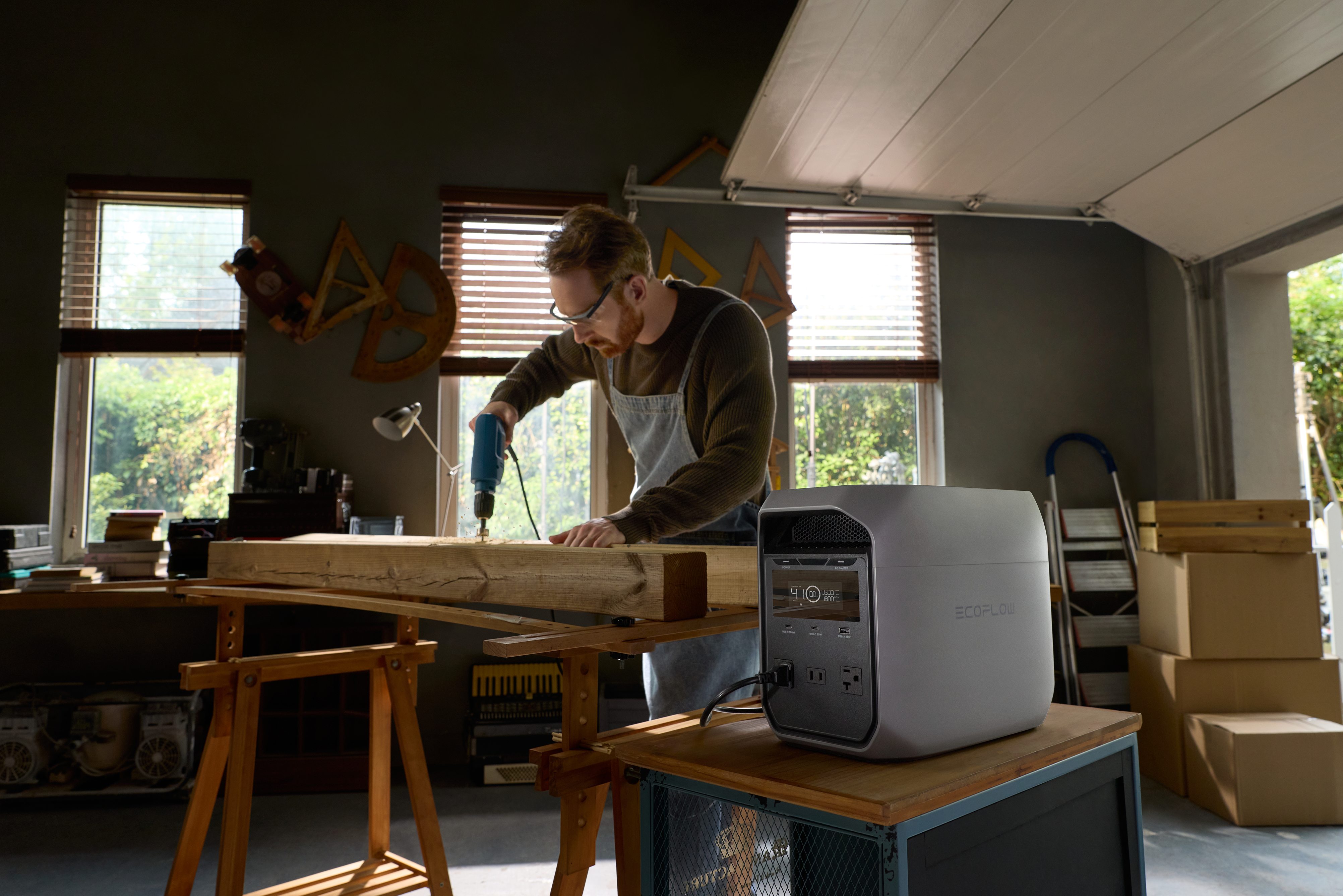
5 Ideal Use Cases for Portable Power Station Charging
When Shore Power Goes Out: If your dock loses power due to the storm or your marina has electrical issues, having a portable power station means your deep cycle battery will always be charged and ready to go. Your refrigerator, bilge pumps, and other critical electronics don’t have to be down when you need them the most.
Anchoring in Remote Spots: If you find yourself anchored in a secluded cove rather than in a marina, a power station is invaluable, as you can recharge your boat without having to run your engine for hours. And with solar panels, you can stay anchored for much longer without thinking about your power supply.
RV and Camping Trips: Most recreational vehicles use deep cycle marine batteries as their power source. The power station can charge these batteries silently when you are camping in areas where generators are prohibited.
Winter Storage Maintenance: Batteries will drain their charge while in storage during the winter months. A portable power station gives the user the ability to charge their batteries without having to run extension cords from the storage area to a power outlet
Temporary Events and Setups: For boat shows, fishing competitions, or temporary installations, power stations can charge batteries without the need for constant electrical connections. Transfer anywhere and charge batteries accordingly.
For reliable emergency backup, look for a power station with solid capacity and smart features. The EcoFlow DELTA 3 Max Plus Portable Power Station has Storm Guard Mode that monitors weather alerts and auto-charges before storms hit, keeping your battery ready even when you're away.
Can Portable Power Stations Handle Deep Cycle Battery Charging?
Yes, and it's actually pretty straightforward once you understand the basics. Match your power station capacity to your deep cycle marine battery size, use a smart marine battery charger with the right settings, and you're good to go. This method shines for emergency backup and occasional off-grid use, even if it's not the most efficient choice for everyday charging. Take a few minutes to calculate your actual power requirements before investing in equipment—it'll save you from buying the wrong gear.
FAQs
Q1: Can I use a portable power station to charge my deep cycle marine battery while it's still connected to my boat's electrical system?
Not recommended. Disconnect the battery from your boat's electrical system before charging to avoid potential conflicts with onboard charging systems or electrical loads that could interfere with the charging process. This also prevents any risk of feedback into your boat's electronics.
Q2: Will charging through a portable power station damage my deep cycle battery compared to using shore power?
No. The quality of the charge depends entirely on your marine battery charger, not the power source. As long as you're using a proper smart charger with correct settings for your battery type, the results are identical whether powered by a portable station or shore power.
Q3: Can I charge my deep cycle marine battery and run other devices from the power station simultaneously?
Yes, but check your power station's total output capacity. Add up the wattage of your charger plus any other devices you want to run. If the combined load exceeds your station's continuous output rating, you'll trip the overload protection or drain the deep cycle marine battery much faster.
Q4: Do I need to fully charge my portable power station before using it to charge my marine battery?
Not necessarily, but it's wise to have enough capacity. Check that your power station has sufficient watt-hours remaining to deliver the charge your marine battery needs. A half-charged 1000Wh station can still charge a 50Ah battery, but won't complete a full charge on a 200Ah battery.
Q5: Will cold weather affect how well my portable power station charges my marine battery?
Yes, significantly. Lithium batteries in most portable power stations lose capacity and charging efficiency below freezing. Lead-acid marine batteries also charge more slowly in cold temperatures. For best results, charge in temperatures between 50°F and 85°F, and bring your power station indoors if it's freezing outside.
Q6: Is it safe to charge a wet cell (flooded) battery inside my boat's cabin using a portable power station?
No. Flooded batteries release hydrogen gas during charging, which is explosive in enclosed spaces. Always charge flooded batteries in well-ventilated areas or outside. AGM and lithium batteries produce minimal gas and are safer for indoor charging, though ventilation is still recommended.
Q7: Can I use a higher amp charger to speed up the process if my power station has enough wattage?
Yes, within your battery's limits. Check your deep cycle battery manufacturer's specifications for maximum charging current—typically 0.2C to 0.3C (20-30% of the amp-hour rating). A 100Ah battery can safely handle 20-30 amps. Using excessively high charging rates reduces battery lifespan, even if your equipment can handle it.
For press requests or interview opportunities, reach out to our media team
media.na@ecoflow.com