Does Melt Snow Make Your Power Go Out? Here's What You Need to Know
- Exactly When Does Snow Melt During the Winter Season
- How Rapid Snow Melt Affects Your Home Power Supply
- Snow Storm vs. Snow Melt: Which Affects Power More?
- Finding Out When Will the Snow Melt in Your Specific Area
- How to Prepare Yourself for a Snow Melt Power Outage
- Your Comprehensive Snow Melt Preparation Checklist
- Stay Powered During Winter
- FAQ
Yes, snow melt causes unexpected power outages across many residential neighborhoods. Heavy water runoff heavily saturates the surrounding soil, loosening deep tree roots and causing massive branches to crash directly into above-ground power lines. The sheer volume of excess liquid also easily floods underground electrical vaults, shorting out local community transformers. Knowing the exact mechanisms behind these failures gives you a distinct advantage. You can take immediate, proactive steps to maintain your electricity supply during these messy seasonal transitions.
Exactly When Does Snow Melt During the Winter Season
People constantly monitor the local weather to anticipate the exact timeline of winter thawing. The process relies heavily on several overlapping environmental factors rather than a single predictable calendar date.
Ambient air temperatures remaining above 32 degrees Fahrenheit for extended periods accelerate the entire thawing process.
Direct sunlight exposure hits dark surfaces like asphalt driveways, generating localized heat that degrades surrounding ice banks.
Ground temperatures radiate trapped warmth from beneath the deep frost line, attacking the bottom layers of accumulated drifts.
Heavy rainfall washing over existing accumulation speeds up the physical breakdown of solid ice crystals, causing sudden floods.
Wind speed plays a massive role by moving relatively warm air across the frozen surface, increasing the melt rate.
Tracking these specific environmental conditions helps you accurately anticipate heavy liquid runoff around your property. A slow, gradual thaw usually causes very few infrastructure issues. A sudden temperature spike combined with heavy rain leads to rapid, highly problematic water flow.
How Rapid Snow Melt Affects Your Home Power Supply
A fast thaw introduces massive amounts of water into the local environment in a very short period. This sudden liquid influx creates distinct, severe hazards for municipal electrical grids.
Saturated Soil and Falling Trees
The ground constantly absorbs the runoff until the dirt reaches maximum holding capacity. This soggy, waterlogged soil loses its structural integrity, making it incredibly difficult for large, mature trees to stay securely anchored. A very light breeze can easily topple a massive pine tree directly onto a neighborhood transmission line. These falling trees snap wooden utility poles and tear down high-voltage wiring, cutting off electricity to hundreds of local homes instantly.
Submerged Underground Infrastructure
Many modern residential neighborhoods rely entirely on buried electrical lines to keep the streets looking neat and organized. All that excess ground water naturally flows directly into low-lying areas, eventually seeping into heavy concrete electrical vaults. Submerged transformers and degraded cable insulation lead to immediate, massive system faults. Pumping the water out of these underground spaces takes utility crews many hours, delaying the final repair process.
Shifting Ground and Physical Strain
Water expands and contracts aggressively as daily temperatures fluctuate during the late winter thawing period. This continuous physical movement actively shifts the heavy dirt around wooden utility poles and deeply buried cables. The resulting mechanical stress easily snaps aging metal wires and pulls delicate underground connections apart.
The municipal electrical grid faces constant physical stress from all that moving liquid. Recognizing these specific vulnerabilities helps you accurately anticipate the duration of neighborhood blackouts.
Snow Storm vs. Snow Melt: Which Affects Power More?
Active winter weather and the subsequent thawing period present entirely different physical threats to utility infrastructure. Comparing the two distinct phases reveals exactly why both require completely different household preparation strategies.
| Threat Factor | Active Snow Storm | Rapid Snow Melt |
| Primary Cause | Heavy ice accumulation and high winds. | Soil saturation and underground vault flooding. |
| Speed of Onset | Immediate damage during the active event. | Delayed damage occurring days after the storm. |
| Infrastructure | Above-ground wires and exposed transformers. | Deeply buried cables and concrete vaults. |
| Repair Trouble | High wind conditions delay bucket trucks. | Flooded spaces require extensive water pumping. |
| Warning Signs | Dark clouds and severe wind gusts. | Pooling ground water and rising temperatures. |
Both distinct weather events clearly possess the severe capacity to plunge your entire home into darkness. Preparing your property for the initial freezing temperatures solves only half the problem.
Finding Out When Will the Snow Melt in Your Specific Area
Figuring out the exact timing for your specific neighborhood requires monitoring local conditions very closely. Unique neighborhood microclimates dictate the exact pace of the thaw for individual streets and private properties.
- Check municipal weather alerts regularly for rapid warming trends or upcoming spring rain forecasts.
- Monitor your property's specific elevation, noting that heavy water from higher ground will continuously flow down into your yard.
- Observe the sheer amount of concrete near your home, as urban heat islands thaw much faster than open rural fields.
- Pay close attention to the depth of the frost line reported by local agricultural extensions to gauge ground absorption.
- Watch for active water pooling in street gutters, signaling that the local storm drains are officially overwhelmed.
Localized environmental data gives you a much clearer picture of your specific property risk level. You gain highly valuable time to secure your home by actively watching these specific environmental cues.
How to Prepare Yourself for a Snow Melt Power Outage
Taking aggressive, proactive steps ensures your household continues running smoothly despite severe municipal grid failures. A solid strategy combines physical property maintenance with highly reliable backup energy solutions.
Clearing Exterior Drainage Pathways
Moving water away from your delicate foundation and local power hookups prevents dangerous pooling. Keep your roof gutters completely clear of dead leaves and ensure long downspouts direct all water far away from the house. Clear the street storm drains directly near your property to continuously prevent major neighborhood street flooding. Proper drainage keeps the soil around your personal utility drop firm and secure.
Securing a Reliable Home Power Backup
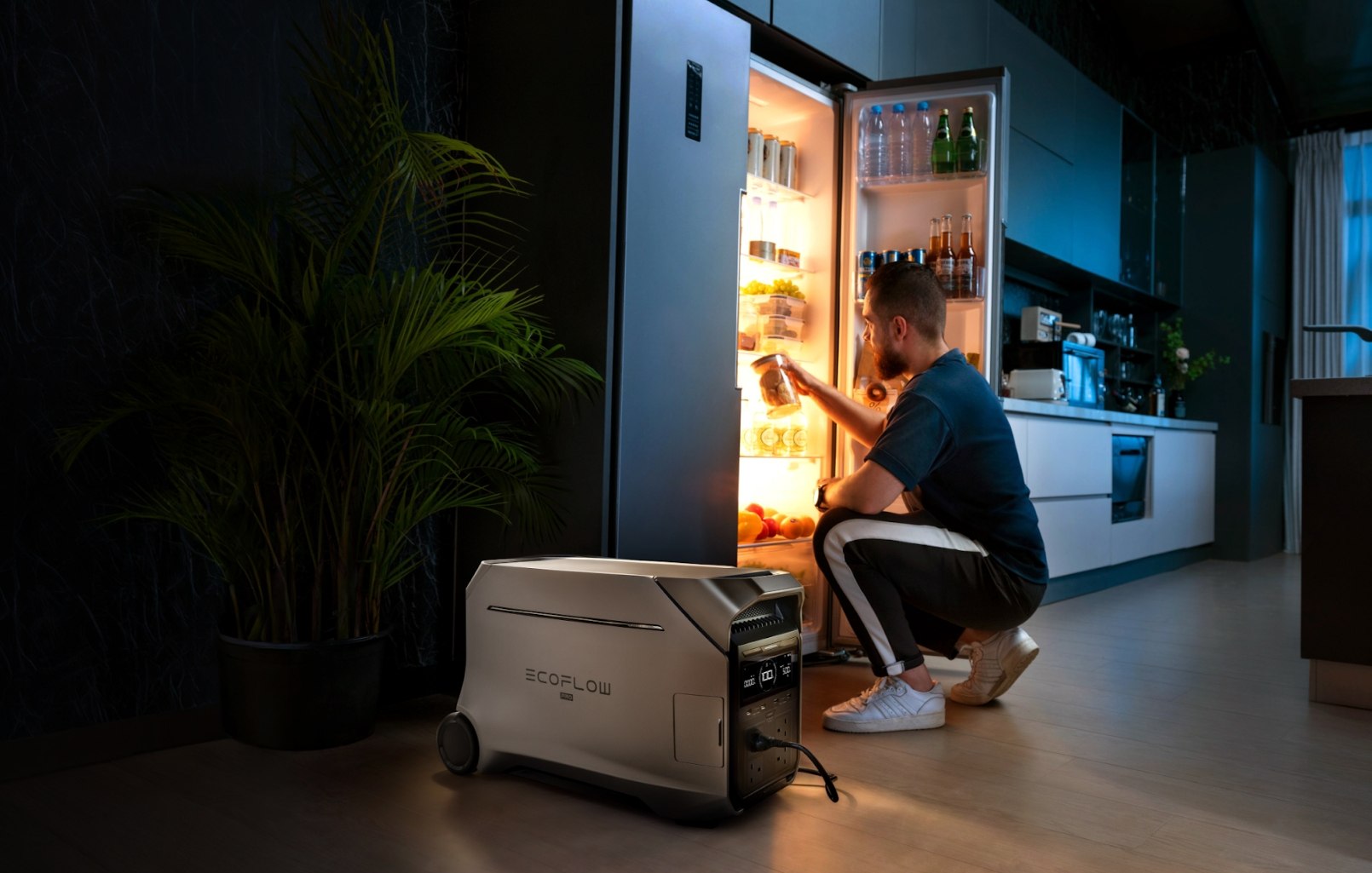
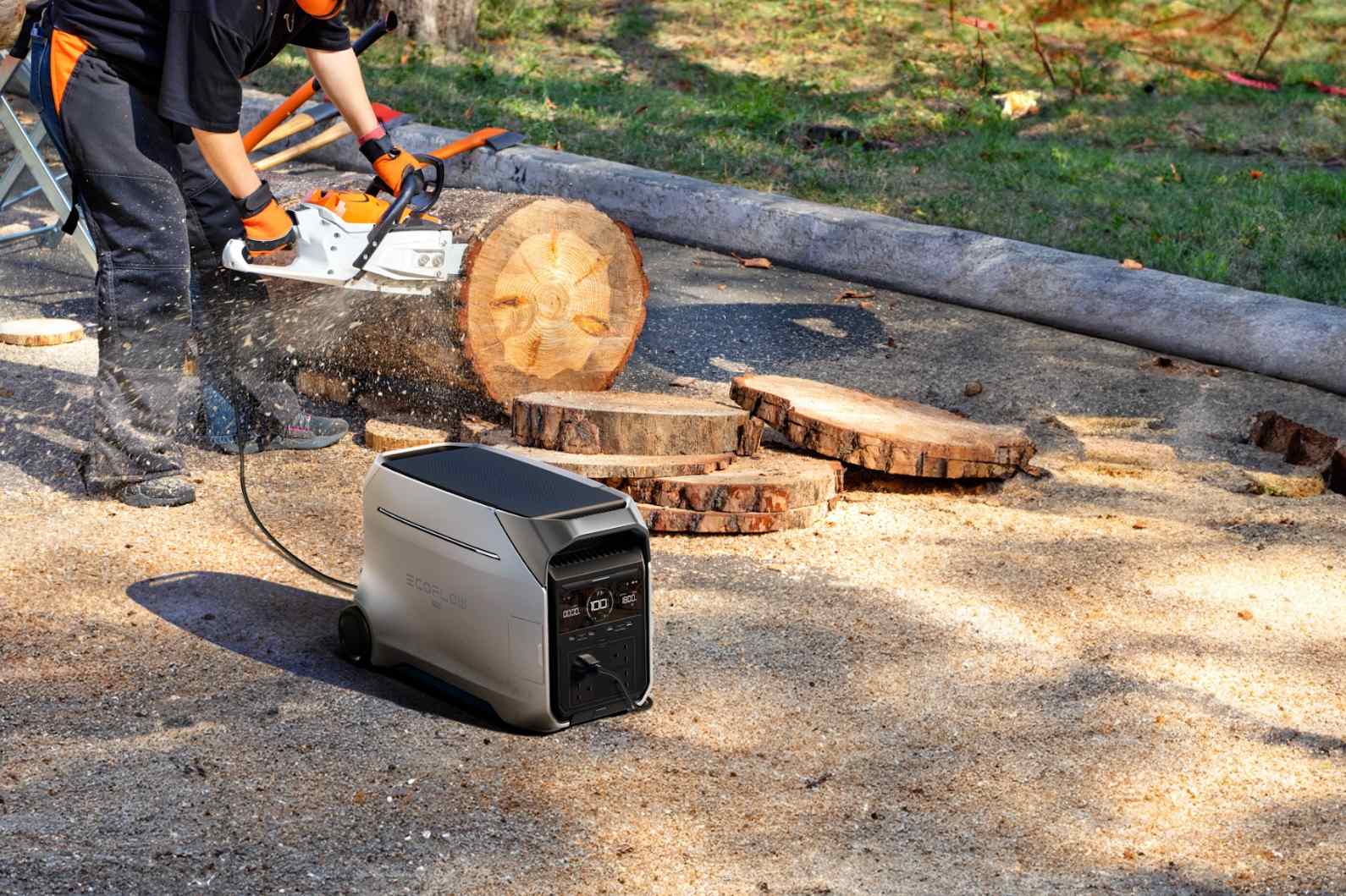
Having a robust, independent power source keeps your daily household routine uninterrupted when the local grid goes down. The EcoFlow DELTA Pro 3 Portable Power Station provides incredible peace of mind during these messy outages. It is incredibly powerful and versatile, delivering up to 4000W to easily run your heavy-duty appliances. You can power a 1 HP water pump to keep your basement totally dry, or keep your kitchen buzzing by running your refrigerator and microwave simultaneously. You avoid the hassle of noisy gas generators and messy maintenance. Its X-Quiet technology ensures a peaceful hum, promising you a great night of sleep.
Checking Basement and Ground-Level Vulnerabilities
Inspect your thick basement walls closely for very small cracks where water might intrude and quickly reach low electrical outlets. Elevate any sensitive electronics off the concrete floor in all lower levels. Test your basement sump pump regularly to confirm it activates perfectly when the surrounding water level rises. Install reliable water sensors near your main electrical panel to receive instant alerts.
Diligent property maintenance combined with independent energy storage creates a highly strong defense against winter weather aftermath. You naturally maintain total control over your home environment even during severe utility disruptions.
Your Comprehensive Snow Melt Preparation Checklist
Following a strict, repeatable routine entirely removes the guesswork from your family emergency planning. Use this specific checklist to verify your residential property is completely ready for the heavy liquid runoff.
Test the backup battery system on your sump pump to ensure it handles high water volume efficiently.
Inspect large, mature trees near your primary power drop for leaning trunks or newly exposed root systems.
Keep your heavy-duty portable power stations fully charged and easily accessible near the main living area.
Store a full three-day supply of fresh drinking water in case the municipal pumping stations fail entirely.
Seal basement glass windows and low-level utility line penetrations with fresh, waterproof silicone caulking.
Verify your outdoor emergency lighting turns on automatically when the main electricity drops out.
Completing these specific tasks methodically drastically reduces your overall risk of severe property damage. A highly prepared home naturally weathers the messy seasonal transition very smoothly.
Stay Powered During Winter
Heavy snow melt poses a distinct, severe threat to local power grids through deep soil saturation and massive underground flooding. Anticipating these specific outages allows you to fully protect your property and secure reliable independent energy sources early. You keep your entire household running comfortably by taking immediate action long before the heavy thaw actually begins. EcoFlow products provide the exact reliable backup power solutions you absolutely need to handle unexpected utility failures confidently.
FAQ
Q1: Can melting roof ice damage my home electrical panel directly?
Yes, excess water from melting ice dams on your roof occasionally seeps directly behind your exterior siding and travels down the interior walls. This water frequently finds its way inside your main electrical panel, causing severe metal corrosion and immediate, dangerous short circuits. You must hire a licensed electrician to thoroughly inspect the panel immediately if you notice any active moisture near your breakers. Addressing your roof drainage issues early entirely prevents this highly dangerous situation from developing.
Q2: Does my utility company monitor soil saturation levels near power lines?
Utility companies primarily focus entirely on maintaining the physical equipment and clearing tree branches directly touching the high-voltage lines. They completely lack the vast resources required to monitor deep soil conditions across their entire service territory. They rely heavily on direct reports from local residents to identify leaning utility poles or newly uprooted trees. You should always maintain a very safe distance and call the utility provider immediately if you spot compromised infrastructure in your neighborhood.
Q3: Are underground power lines safer from winter weather damage?
Buried cables completely avoid falling trees and heavy ice accumulation, making them generally much more resilient during active storms. The thawing phase presents totally different physical challenges because the large underground vaults frequently flood completely. The protective rubber insulation around aging buried cables occasionally degrades over time, allowing water to cause severe electrical faults. Repairing these underground faults often takes much longer because crews must locate the exact point of failure beneath the frozen ground.
Q4: Will my home owners insurance cover food lost during an outage?
Many standard residential policies include specific provisions for food spoilage caused by prolonged power failures, often covering up to a specific dollar amount. The outage typically must result directly from a covered peril, like a massive tree falling on a local line, rather than planned rolling blackouts. You should review your specific policy documents immediately to confirm your exact coverage limits and deductible requirements. Taking clear photos of the spoiled items helps streamline the entire claims process.
Q5: Should I turn off my main breaker if the street floods?
Turning off your main breaker remains a highly smart safety precaution if rising street water actively threatens to enter your home or reach your ground-level electrical outlets. Standing water mixed heavily with active electricity creates an incredibly dangerous shock hazard for anyone nearby. You must strictly avoid stepping into flooded areas to reach the main electrical panel. Always call a trained professional to safely assess the situation if deep water has already surrounded your sensitive electrical equipment.
For press requests or interview opportunities, reach out to our media team
media.na@ecoflow.com