Backpacking vs Car Camping vs RV Vanlife Camp Cleanup Routines That Actually Work
The smell of pine smoke and morning coffee makes camping perfect until you face the greasy skillet from last night's dinner. Each camping style creates unique cleanup challenges. Backpackers count every ounce in their pack. Car campers haul bins and power gear for elaborate setups. RV travelers juggle limited tank capacity in tight quarters. A smart cleanup routine protects your health, preserves your gear, and keeps wildlife at bay. Master the right steps and spend more time on fun activities instead of the washbasin.
The Universal Four-Step Cleanup Process
Most camping methods employ the same basic procedure. These four steps eliminate water waste, prevent bacteria, and keep your gear fresh between camping excursions. The actual equipment will change according to what you are able to transport or store, but not the concept.
Step 1: Dry Scraping and Pre-Wiping
Begin by removing as much food residue as possible before your dish comes into contact with water. You can use a soft silicone scraper or a bit of cloth to wipe down oils and food residue. It is important that you begin the process of cleaning your dishes in this manner. It ensures that your washwater is not a saturated mixture of floating material.
Step 2: Low Water Wash Techniques
A spray bottle filled with a solution of water and a few drops of biodegradable soap is your best friend. Biodegradable refers to items that can be degraded by bacteria or other living organisms without harming the ecosystem. Spray a light mist of solution on top of the plate and then use a sponge to wipe away grime. This will create sufficient lubrication to clean without having to fill a basin with solution.
Step 3: Simple Disinfection and Sanitization
Sanitizing is the process through which the number of microorganisms is reduced to a safe level that will not cause any health hazards. Dip your belongings in a small container of water mixed with a food-safe sanitizer or use hot water if available. This will help you remove unseen microorganisms from your forks or plates.
Step 4: Full Drying and Proper Storage
The presence of moisture affects new equipment as it causes mold growth in dark areas. It is essential to ensure all equipment is completely dry in the open before it is safe to store in a closed bag. This is because equipment with moisture will not allow air to pass through, causing a pungent smell.
Backpacking Maintenance and Minimalist Hygiene
Hikers prioritize weight and follow the principles of Leave No Trace (LNT). LNT is a set of outdoor ethics designed to minimize human impact on natural environments. When you carry everything on your back, you cannot afford to waste supplies or carry heavy cleaning tools.
The Routine: Focus on a single pot system to minimize the number of surfaces that require attention. Clean your gear immediately after eating to prevent food from hardening.
Essential Gear: A small silicone scraper, a tiny bottle of concentrated biodegradable soap, and a microfiber towel that dries within minutes.
The Failure Point: Washing dishes directly in a lake or stream is a major mistake that introduces chemicals into the local water supply and harms aquatic life.
Car Camping Solutions for Heavy Messes
Car camping allows for more elaborate meals, which often result in more intensive cleaning requirements. Since you have a vehicle to carry extra gear, you can build a more robust station to handle the extra grime. Integrating a portable power station for camping into your outdoor kitchen allows you to use high-wattage electric kettles or even portable induction cooktops for instant hot wash water. Hot water is much more effective at dissolving animal fats and oils than cold water from a jug. This reduces the amount of scrubbing required and helps you finish the job in half the time. A reliable power source also supports area lighting so the entire family can help with the cleanup after sunset.
The Routine: Set up a three-bin system for washing, rinsing, and sanitizing. Use the first bin for soapy water, the second for a clean rinse, and the third for a sanitizing dip.
Essential Gear: Fold wash basins, a sturdy mesh bag for air drying, and a large water jug with a spigot.
The Failure Point: Letting dishes pile up until the next morning makes the grease much harder to remove once it has dried.
RV and Vanlife Sanitation Management
RV and vanlife enthusiasts need to manage the capacity of their gray water tanks. A gray water tank is the onboard storage container for wastewater from sinks and showers. If you use too much water during cleanup, you will be forced to find a dump station more frequently. The use of a portable power station for RV life provides the energy needed for specialized tools like low-wattage drying fans or high-efficiency electric water heaters. Wattage is a measure of electrical power that indicates how much energy a device consumes. These fans help move air through the small kitchen space to prevent condensation from turning into mildew on the walls.
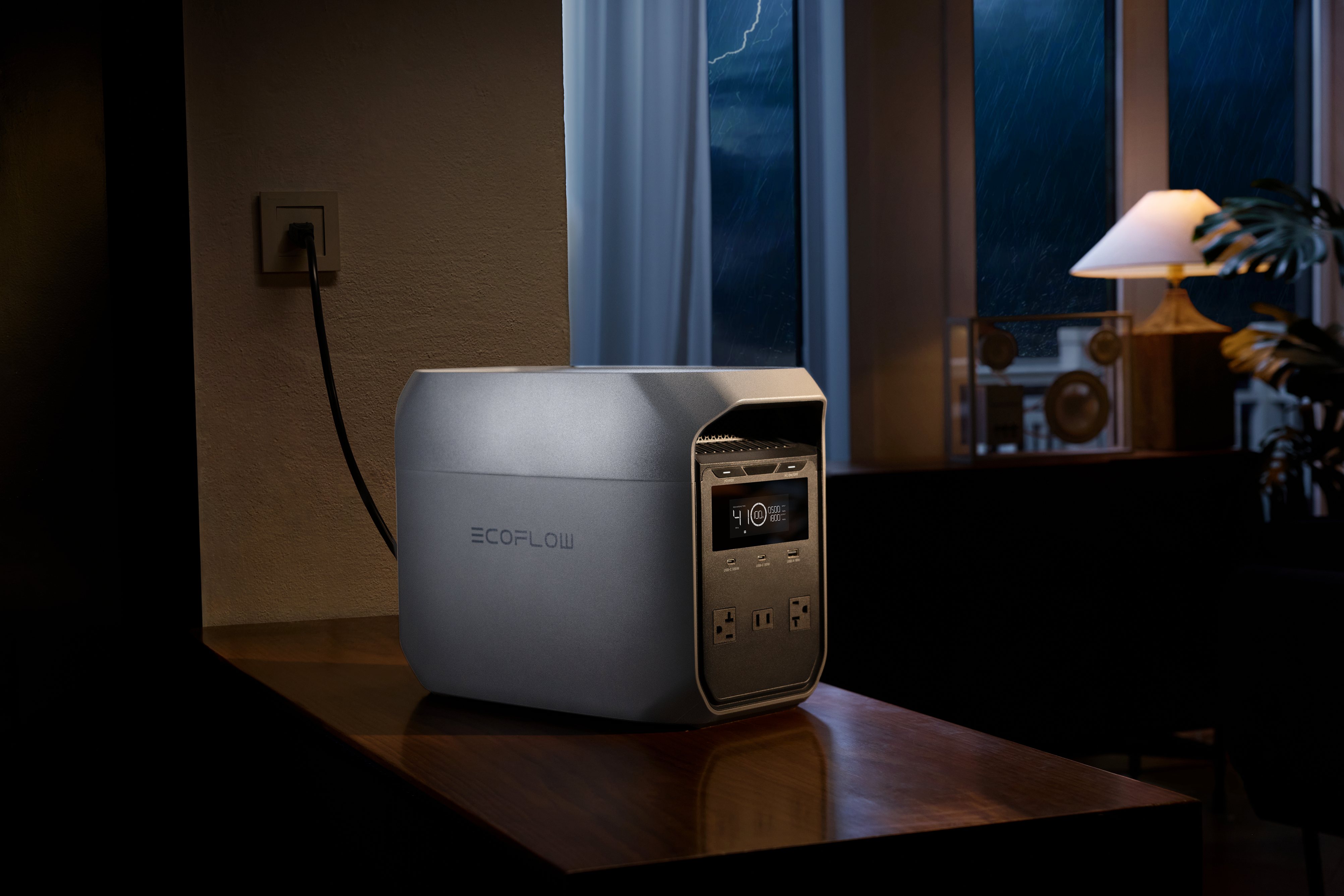
For those looking to balance efficiency with professional-grade performance, the EcoFlow DELTA Pro 3 Portable Power Station is an excellent power solution for life on the road. Boasting a massive 4000W rated output (supporting up to 6000W peak with X-Boost technology), it effortlessly powers heavy-duty RV appliances—from electric kettles for instant boiling water to onboard dishwashers and air conditioners—without breaking a sweat. With a generous 4kWh capacity and X-Quiet technology that keeps operation as whisper-quiet as 30dB, it ensures your kitchen stays clean and your environment stays peaceful. Its ultra-fast charging and plug-and-play setup make it an indispensable hub for maintaining a high-standard, hygienic mobile home.
The Routine: Wipe every dish with a dry towel until it looks clean before it ever reaches the sink to keep solids out of your plumbing.
Essential Gear: A high-pressure but low-flow faucet aerator and a specialized drying mat that captures moisture.
The Failure Point: Ignoring the vents in the kitchen area can lead to humidity problems and mold growth inside the vehicle.
Comparative Analysis of Camp Maintenance
The following data provides a quick look at how different styles manage their resources during the cleaning process.
| Feature | Backpacking | Car Camping | RV and Vanlife |
| Water used | Under 500ml | Around 1 liter | Around 2 liters |
| Cleanup Time | 5 to 8 minutes | 10 to 12 minutes | 12 to 15 minutes |
| Primary Power Need | Headlamp charging | Area lighting | High-wattage appliances |
| Crucial Equipment | Silicone scraper | Multi bin system | Camping power station |
| Main Advantage | Extreme portability | Flexible setup | Full kitchen features |
Backpackers win on speed and simplicity. Car campers get the most flexibility. RV users enjoy the closest experience to home cooking and cleaning.
Pick Your Method and Get Started
Each type of camping has its own method of cleanup. Backpackers stick with what works: ultralight scrapers and microfiber cloths. Car campers enjoy versatility with the use of portable power stations for brighter light sources. RV campers use built-in systems and manage moisture. The four-step method is universal: scrape off food residue, use minimal water to rinse dishes, sanitize dishes quickly, and dry dishes thoroughly. Choose products based on your camping style, and you will be spending more time around the campfire and less time washing dishes.
FAQs
Q1. Can I Use Regular Dish Soap Instead of Biodegradable Soap When Camping?
Conventional dish soap is harmful to soil and water sources in nature. Biodegradable camping soap does not harm the environment as it breaks down easily without toxic residue. Most camping sites and wilderness environments require the use of biodegradable soap. They are just as effective in removing grease and require only a few drops. They also occupy less space in your backpack.
Q2. How Do I Clean Cast Iron Cookware at Camp Without Ruining the Seasoning?
Remove food residue while the skillet is still warm, then simply wipe it with a damp cloth and a little bit of oil. Do not use soap or submerge cast iron in water. This will remove the seasoning. For tougher food residue, heat the cast iron slightly and scour off the food with coarse salt. Then simply wipe the skillet clean and apply a thin coat of oil. Campers will often use a specific rag for cleaning cast iron to prevent the possibility of soaping up the rag.
Q3. What Should I Do With Greasy Wash Water After Cleaning Dishes?
Strain out food particles first, and then spread the water well away from water sources and campsites. If possible, dig a small hole and pour the water out over a wide area to allow natural soil filtration to occur. Avoid pour water from washing dishes directly into streams or lakes, even if you are using biodegradable soap. Food particles will attract animals and can upset the natural environment. Gray water disposal stations may be available at campsites, and this is the best method of disposal if available.
Q4. How Do I Prevent Food Odors From Attracting Wildlife to My Campsite?
Consider storing food, trash, and scented items in animal-resistant containers or secured vehicles instead of your tent. Setting up your cooking area a reasonable distance—ideally 100 feet or more—from your sleeping quarters can help keep kitchen scents away from where you sleep. Promptly cleaning gear and keeping food scraps in sealed bags are also effective ways to reduce the overall scent trail.
For press requests or interview opportunities, reach out to our media team
media.na@ecoflow.com