Tent Camping with Electricity: How to Power Your Site
- Why Do Tent Campers Want Electricity at Their Site?
- What Are Your Options for Powering a Tent Site?
- What Devices Do You Need to Power at a Tent Site?
- How Can Solar Panels Extend Your Power Supply?
- How Do You Safely Use Electricity in a Tent?
- Frequently Asked Questions
- Portable Power Stations Give Tent Campers Reliable, Safe Electricity Anywhere
Bringing power to your tent site changes what a camping trip can look like. You can charge devices, run a fan on a warm night, or keep a cooler going for days at a time. The challenge is choosing the right setup for where you're headed and what you need to run. Here's where to start.
Why Do Tent Campers Want Electricity at Their Site?
Most tent campers aren't chasing luxury; they're chasing reliability. A charged phone means a working GPS and a way to call for help if plans change. A charger for camera batteries and drones matters on longer trips. Some campers need power for medical devices, like a CPAP machine, which makes electricity a health necessity rather than a convenience.
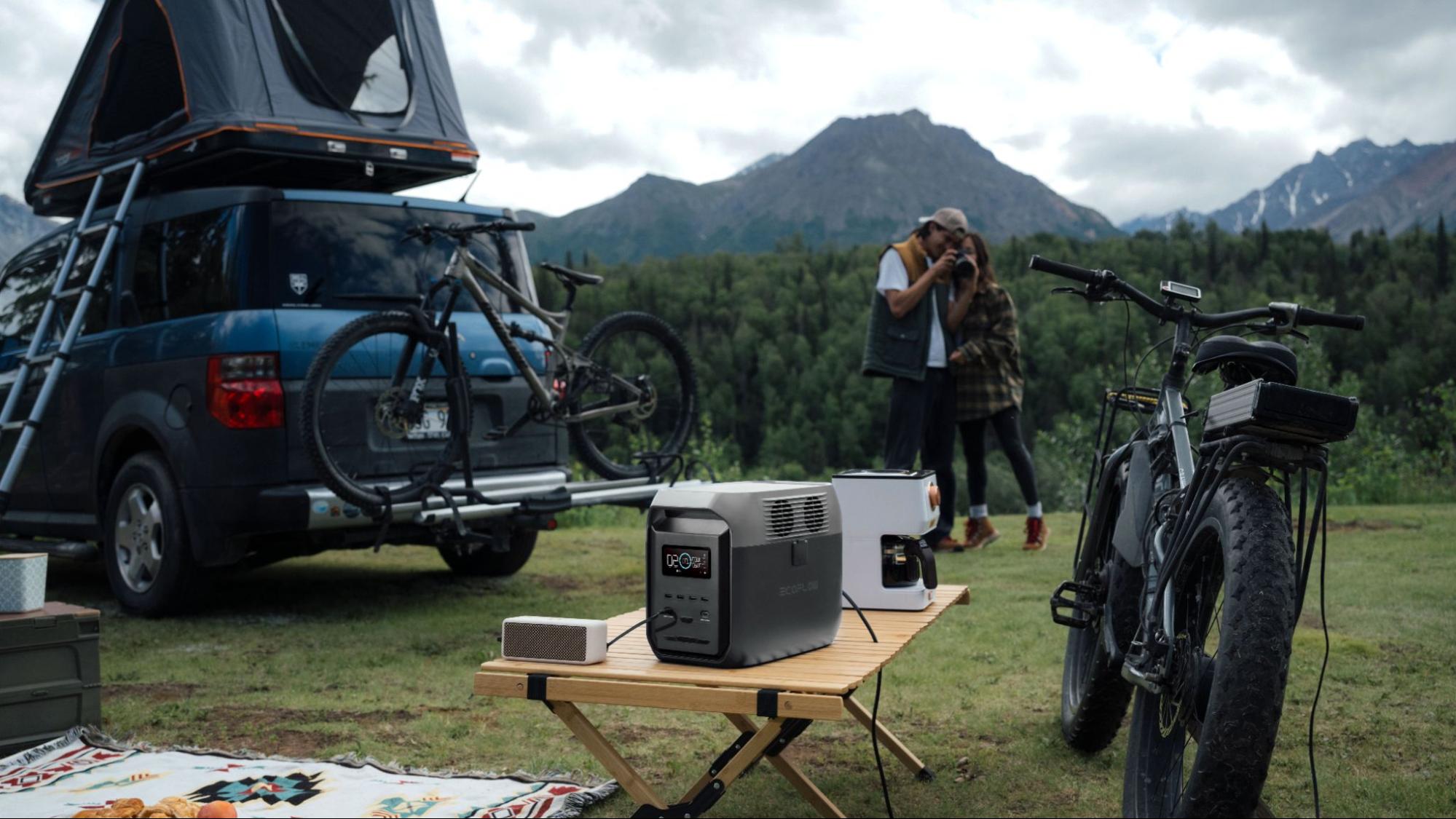
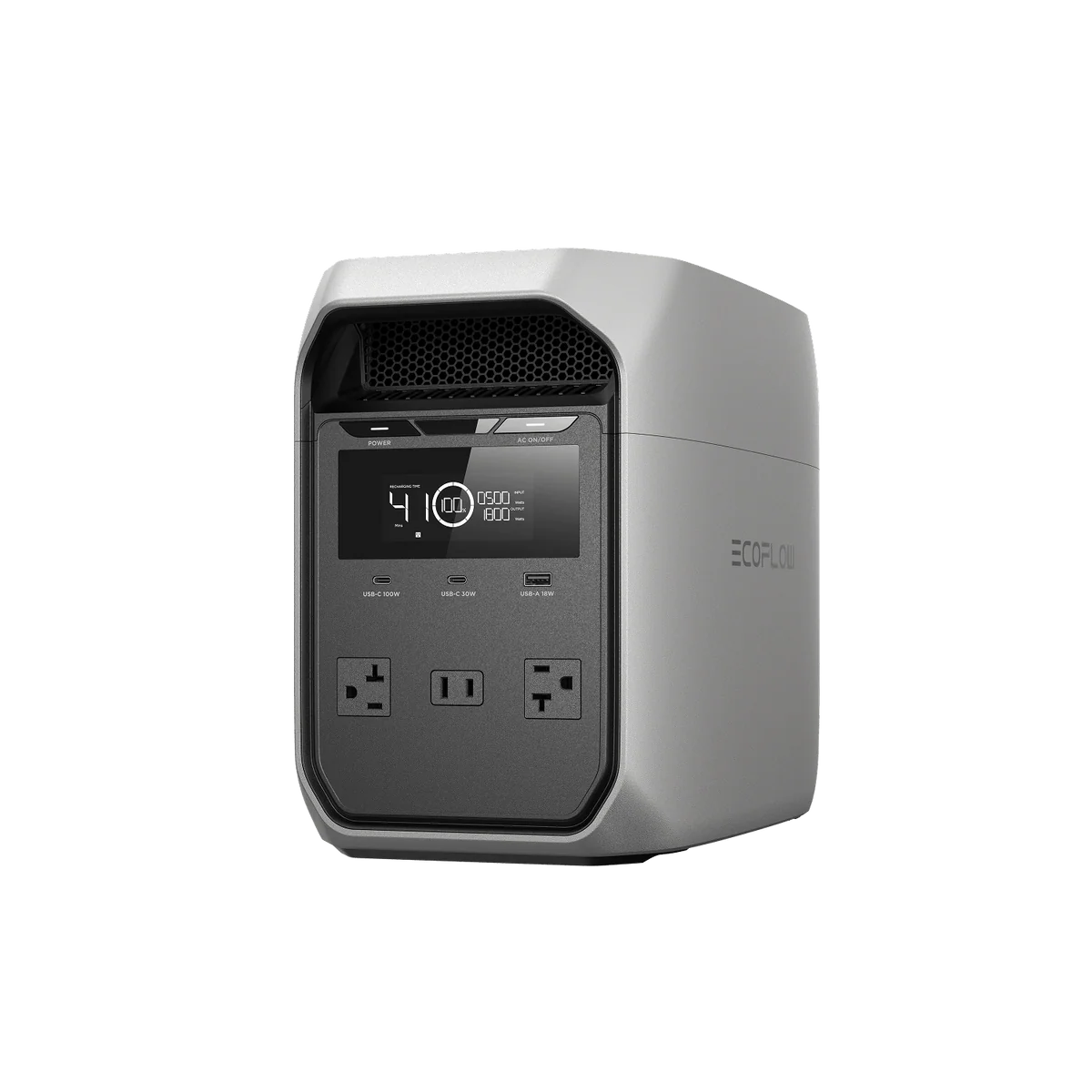
This is where a compact power source earns its spot on the packing list. The EcoFlow DELTA 3 Classic (1024Wh) gives tent campers enough capacity to run small appliances and recharge devices overnight without needing a campground hookup or a noisy generator running nearby.
What Are Your Options for Powering a Tent Site?
Tent campers generally choose from four approaches, and the right one depends on the campground, the trip length, and what's being powered.
Campground Electrical Hookups
Many developed campgrounds offer electrical hookups at individual sites, similar to what RV campers use, though tent sites often get a lower-amperage connection meant for lights and small devices rather than appliances.
Availability varies widely by park. Sites at destinations like Zion National Park may offer hookups at select campgrounds, but permits and availability should always be confirmed ahead of a trip.
Portable Power Stations
A portable power station stores electricity in a rechargeable battery, which you can then draw from days at a time through AC outlets, USB ports, and car outlets. Unlike a hookup, it goes wherever you go, making it useful at both developed and undeveloped sites.
A model like the EcoFlow DELTA 3 Classic (1024Wh) covers all three outlet types in one unit, so you're not carrying separate adapters for a laptop, a cooler, and a phone charger. Recharging options usually include a wall outlet before the trip, a car charger on the drive in, or solar panels once you've set up camp.
Solar Panels
Solar panels don't power devices directly. Instead, they recharge a battery or power station throughout the day, which extends how long you can stay off-grid. For tent campers on multi-day trips without access to an outlet, this pairing solves the problem of running out of stored power.
Gas Generators
Gas generators can supply significant power, but they come with real downsides at a tent site: noise, exhaust fumes, and the need to store fuel. Many campgrounds restrict or ban generator use during quiet hours, and running one too close to a tent creates a carbon monoxide risk.
What Devices Do You Need to Power at a Tent Site?
Your device list shapes which power option makes sense. Common needs include phone and laptop chargers, headlamps, portable fans or heaters depending on climate, coffee makers, and coolers that keep food fresh over a multi-day trip.
Festivals add their own demands, since anyone camping at Stagecoach or Welcome to Rockville will often need to keep multiple phones charged, run string lights, and power small speakers across several consecutive days with no access to an outlet.
Adding up your devices' wattage before a trip helps you avoid running short on power halfway through.
How Can Solar Panels Extend Your Power Supply?
Pairing solar panels with a portable power station turns a single charge into an ongoing power supply. During daylight hours, panels feed energy back into the battery, offsetting what you use overnight for lights, chargers, or a fan.
This matters most on trips longer than a weekend, where relying on a single battery charge isn't practical. Panel output depends on sunlight, angle, and weather, so campers in shaded or overcast areas should plan for slower recharging and budget power use accordingly.
How Do You Safely Use Electricity in a Tent?
Electrical safety around a tent comes down to keeping heat, sparks, and exhaust away from flammable fabric and enclosed spaces. Never run a gas generator inside or near the entrance of a tent.
According to the Consumer Product Safety Commission, carbon monoxide from portable generators causes an average of about 100 deaths in the U.S. each year, and generators should always run at least 20 feet from any tent, with the exhaust pointed away from the campsite.
Battery-based power stations don't produce exhaust, which removes that particular risk, though basic precautions still apply: keep cords away from tent walls and away from where people walk, don't run devices through damaged or wet cables, and avoid overloading outlets with more devices than the unit is rated for.
Frequently Asked Questions
Do Tent Campsites Have Electricity?
It depends on the campground. Many developed campgrounds offer electrical hookups at some tent sites, usually a lower-amperage connection meant for lights and small devices. Primitive or backcountry sites typically have no electrical infrastructure at all, which is why many tent campers bring a portable power station or solar setup instead of relying on the campground itself.
Is It Safe to Use Electricity in a Tent?
Yes, when set up correctly. Battery-powered devices and portable power stations carry minimal risk since they don't produce exhaust or open flame. The bigger hazards come from gas generators, which need to run well away from tents due to carbon monoxide, and from frayed cords or overloaded outlets, which can pose fire risks in any setting, including a tent.
What Size Portable Power Station Do You Need for Tent Camping?
It depends on what you're running. A weekend trip charging phones and running a headlamp needs far less capacity than a week-long stay powering a cooler and CPAP machine. Add up the wattage of your devices and how many hours you'll run them daily, then choose a capacity with some buffer for cloudy days or unplanned extra use.
Portable Power Stations Give Tent Campers Reliable, Safe Electricity Anywhere
Whether you're at a developed campground with hookups or miles into the backcountry, having a dependable power source means one less thing to plan around.
Portable power stations offer that flexibility without the noise, fumes, or fuel logistics of a generator. Browse EcoFlow's full lineup to find the right portable power station for your next camping trip.
For press requests or interview opportunities, reach out to our media team
media.na@ecoflow.com