How to Build a Treehouse With Solar Power for Safe Off-Grid Fun
- What a Solar Treehouse Can Look Like in a Backyard
- Simple Solar Layout for a Small Treehouse
- Why a Solar Treehouse Needs a Safer Plan
- Pick the Right Tree and Platform Location
- Plan the Structure Before You Cut Wood
- How to Build a Treehouse Step by Step
- How to Make a Treehouse Ready for Solar Power
- Safety Checks Before Anyone Climbs In
- Common Mistakes That Make Treehouses Less Durable
- Build Your Solar Treehouse With Care
- FAQs
- Disclaimer
A solar treehouse can be safe, useful, and fun when the structure comes first and the power system stays simple. Start with a healthy tree, a light platform, weatherproof materials, and modest electrical needs. Add solar only after the treehouse is stable, easy to access, and protected from water, wind, extra weight, and routine wear over time.
What a Solar Treehouse Can Look Like in a Backyard
Before the safety details, it helps to picture the kind of space you want to create. A solar treehouse does not need to be large or complex. In many homes, the best version is small, bright, dry, and easy to enjoy.
A Reading Nook in the Trees
A simple treehouse can become a quiet reading nook. Add a small bench, a few cushions, low-voltage LED lights, and a shelf for books or sketch pads. Solar power can keep the lights soft in the evening without running long extension cords across the yard.
This type of design works well for children who like calm play. It also gives adults a small place to sit nearby, drink tea, and enjoy the yard from a different view.
A Playhouse With Gentle Evening Light
For families, a solar treehouse can become a small playhouse for pretend games, storytelling, and weekend afternoons. The design can stay open on one or two sides so adults can see inside easily.
Soft solar lighting makes the space feel warm after sunset. It can support simple activities like board games, drawing, or quiet talks before dinner. The goal is comfort, not heavy power use.
A Backyard Hideaway for Better Mood
A treehouse can give people a small break from screens, noise, and indoor routines. Fresh air, natural shade, and a raised view can make the space feel special. For children, it may feel like their own little world. For adults, it may become a peaceful corner for short breaks.
This emotional value is one reason many people want to know how to make a treehouse in the first place. It gives the backyard a purpose. It can turn unused outdoor space into a place for joy, focus, and family memories.
A Creative Corner for Weekends
Once you have built a treehouse, it can support many low-power activities. Solar lights can help with drawing, journaling, puzzles, or small craft projects. A small fan may make warm afternoons more comfortable.
The design should still stay simple. A treehouse is best when it feels easy to use and easy to maintain.
Treehouse Style | Main Use | Helpful Solar Feature |
|---|---|---|
Reading nook | Books, quiet time, sketching | Warm LED lights |
Kids’ playhouse | Pretend play, board games, stories | Ceiling or wall lights |
Backyard hideaway | Relaxing, journaling, short breaks | Soft lighting and phone charging |
Creative corner | Drawing, crafts, puzzles | Task light and small fan |
Family lookout | Evening chats, nature watching | Low-level safety lighting |
These ideas can help shape the design before you start planning the structure. The more specific the use is, the easier it becomes to keep the build light, safe, and practical.
Simple Solar Layout for a Small Treehouse
After the treehouse idea feels clear, the solar setup should match that simple use. A backyard treehouse usually does not need a large power system. It only needs enough energy for safe, low-power comfort.
Keep the System Small
A small solar layout is often enough for LED lights, a phone charging point, and perhaps a compact fan. Avoid heaters, cooking tools, large speakers, or high-power devices inside the treehouse. They add more electrical demand and may create extra safety concerns.
A simple system is easier to protect from rain, heat, and curious hands. It also keeps the treehouse lighter.
Consider a Portable Power Station for Larger Use
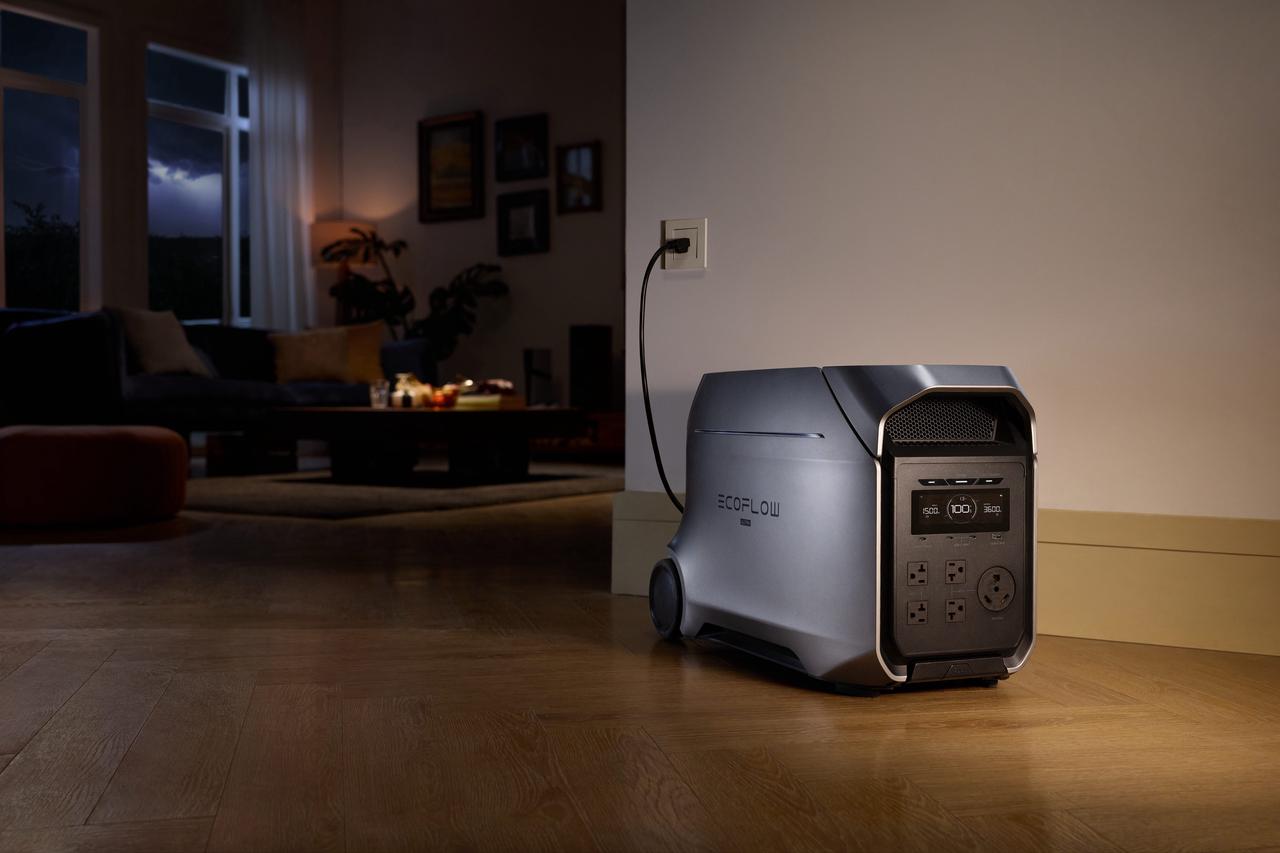
For families who want more stored power for longer weekend use, a portable solar generator can be a practical option. For example, the EcoFlow DELTA 3 Ultra (3072Wh) + 2 × 220W Solar Panel setup offers a larger battery capacity and a solar charging kit in one package, which may suit lighting, device charging, and other low-demand outdoor comfort needs. The official product page lists this bundle as a 3072Wh portable power station with two 220W solar panels.
For a treehouse, the safer choice is usually to keep a larger power station on the ground, in a dry, shaded, well-ventilated spot, instead of adding its weight to the platform. The treehouse can still use protected wiring for lights or charging points, while the heavier power unit stays easier to access and inspect.
Place the Panel Where Sunlight Is Better
The solar panel can sit on the treehouse roof if the roof gets steady sunlight and has enough support. In some yards, a nearby pole, shed roof, or ground frame may work better. That can reduce weight on the treehouse and make the panel easier to clean.
The best setup is the one that stays secure, dry, and easy to inspect.
Store Power in a Protected Spot
The battery and charge controller should stay dry, shaded, and ventilated. A weather-resistant box or small cabinet can help, but the area should not trap heat. Place electrical parts where adults can reach them and children cannot open them easily.
For anything beyond a very small low-voltage setup, ask a licensed electrician.
Part | Simple Role | Practical Tip |
|---|---|---|
Solar panel | Collects sunlight | Mount it securely and keep it easy to clean |
Charge controller | Manages battery charging | Place it close to the battery |
Battery | Stores power | Keep it dry, shaded, and ventilated |
LED lights | Add safe evening light | Use low-voltage fixtures |
Switch or fuse | Helps control power | Add basic circuit protection |
Conduit | Protects wiring | Cover wires along wood and entry points |
This layout keeps the power system useful without making the treehouse feel complicated. It supports comfort, safety, and a little evening magic while keeping the structure easier to manage over time.
Why a Solar Treehouse Needs a Safer Plan
After the design style and solar layout are clear, safety becomes the next priority. A treehouse with solar power adds one more layer to a project that already depends on living trees, weather, weight, and movement. Before panels, lights, or batteries become part of the plan, the structure needs to be safe, light, and easy to inspect.
Keep the Tree Healthy
A strong tree is the base of the whole project. Pick a mature tree with a solid trunk, healthy bark, and no clear signs of rot, large cracks, or dead limbs. Oak, maple, beech, and similar hardwood trees are often used, but local tree health matters more than the tree name.
Try not to cut large roots or remove major branches without expert advice. A tree is still growing. It moves in wind. It also reacts to holes, pressure, and trapped moisture.
Control Weight and Movement
A solar panel, small battery, lights, and wiring may seem light on their own. Together, they add weight. The platform, walls, roof, furniture, and people add much more.
Keep the treehouse small. A compact design is easier to support, easier to maintain, and usually safer for children. Leave room for the tree to move instead of locking every branch tightly into place.
Make Adult Access Easier
A treehouse should not be hard to check. Adults need safe access to inspect fasteners, rails, roof edges, and solar parts. A fixed ladder with handholds is often safer than loose steps or rope access.
The easier it is to inspect, the more likely you are to catch small problems early.
Pick the Right Tree and Platform Location
With the safety basics in mind, the next step is location. A good treehouse site balances tree strength, sunlight, access, and distance from hazards.
Tree Size and Health
Look for a trunk that can support the design without stress. For a small backyard treehouse, a single strong trunk or a few large limbs can work better than several thin branches. The tree should stand away from power lines, fences, sheds, and roofs.
If there is any doubt, ask a certified arborist or qualified tree professional before work begins. That cost can prevent bigger problems later.
Sunlight and Shade
Solar power needs sun, but the treehouse also needs shade and comfort. The best spot often receives direct sunlight for part of the day while still staying cool enough for kids or adults to enjoy.
A panel can sit on the treehouse roof if the roof has good sun exposure. In many yards, a separate pole mount or nearby shed roof may get better sun and reduce weight on the treehouse.
Ground Access
The area below the treehouse matters. Keep the ground clear of rocks, sharp edging, metal tools, and stored materials. Soft mulch or wood chips can help create a more forgiving landing area.
Also, think about the path from the house. A treehouse that is easy to reach is easier to use and easier to check after storms.
Plan the Structure Before You Cut Wood
After you pick the location, slow down and plan the frame. The best way to approach how to build a treehouse is to plan the platform first, then the walls, roof, railing, and access. Solar should come after those parts are stable.
Platform First
The platform carries almost everything. Use outdoor-rated lumber and fasteners. Avoid thin boards for main support pieces. The platform should sit level, feel firm, and allow the tree to keep growing.
A common mistake is making the platform bigger than needed. A smaller platform lowers weight and helps the treehouse feel more secure.
Walls and Roof
Walls can be simple. Open sides with strong railings may be better than a fully enclosed room, especially for a small treehouse. More walls mean more weight and more wind resistance.
The roof should shed water well. A slight slope helps rain move away from the platform. Good roof overhangs can protect the doorway, windows, and solar wiring.
Rails and Access
Rails should feel solid when an adult pushes against them. Avoid wide gaps where a child could slip through. Stairs or ladders should be fixed in place and easy to grip.
Here is a simple planning table before building starts.
Area | What to Check | Why It Matters |
|---|---|---|
Tree | Health, trunk size, branch strength | The tree carries the structure |
Platform | Size, level, support points | This affects safety and weight |
Roof | Slope, water runoff, panel space | Water control protects the build |
Access | Ladder, handholds, landing area | Safe entry reduces falls |
Solar | Sun exposure, wire path, battery spot | Power parts need dry, stable areas |
After this plan feels realistic, materials and layout become easier to manage.
How to Build a Treehouse Step by Step
Now the project can move from planning to building. This process works best when each part is finished and checked before the next part begins.
Prep the Site
Clear the ground around the tree. Remove loose branches, old nails, broken boards, and anything that could cause a trip or fall. Mark the platform height and footprint with string or temporary boards.
Keep the height modest. A lower treehouse is easier to build, easier to use, and often better for younger children.

Build the Platform
Set the main supports first. Use hardware made for outdoor structural use. Do not rely on small screws for load-bearing parts. Keep the platform square, level, and well-braced.
Leave space around the trunk so the tree can grow. Do not squeeze the boards tight against bark. Water and bark pressure can create damage over time.
Add the Frame and Roof
After the platform is firm, add wall posts, rails, and roof supports. Keep the roof simple and light. A sloped roof with durable outdoor panels or boards can protect the interior from rain.
If you plan to mount a small solar panel on the roof, add blocking or a firm frame where the mount will attach. The roof should not flex under the panel.
Finish the Entry
A safe entry can make the treehouse feel much better. A fixed ladder, stair-style steps, or a short ramp from a nearby slope may work, depending on the yard.
Check every step by placing full adult weight on it. If it twists, bends, or feels loose, fix it before anyone uses the treehouse.
How to Make a Treehouse Ready for Solar Power
Once the main structure is stable, the solar plan can become more specific. The safest choice is usually a small, low-voltage setup designed for light use.
Estimate Power Needs
List the items you want to run. Most small solar treehouses only need low-voltage LED lights, a phone charging point, and perhaps a compact fan. Avoid heaters, cooking devices, and high-power tools inside the treehouse.
A small system is easier to protect and easier to maintain. It also keeps battery size and panel weight lower.
Keep Wires Protected
Use outdoor-rated wiring and weatherproof cable paths. Keep wires away from sharp wood edges, moving branches, ladders, and places where children may pull on them.
Run wires through protective conduit where possible. Seal openings so water does not follow the wire path into the treehouse.
Add Simple Controls
A switch near the entry can make the lights easier to use. A fuse or breaker can add basic circuit protection. Labels can also help adults know which part controls the lights, charger, or fan.
Do not place switches where rain can hit them directly. Use weather-resistant parts in exposed areas.
Safety Checks Before Anyone Climbs In
After the build is complete, the treehouse still needs regular checks. Trees move, wood expands, screws loosen, and weather changes the structure over time.
Tree and Fastener Checks
Look for cracked boards, rusted hardware, loose rails, and new tree damage. Check after strong wind or heavy rain. If the platform shifts or feels springy, stop using it until the issue is fixed.
Pay close attention to the areas around the trunk and major support points. Small cracks can grow if they are ignored.
Electrical Checks
Look for frayed wires, water inside boxes, loose cable clips, or heat around the battery area. Turn the system off if anything smells odd, feels hot, or looks damaged.
Do not let children open battery boxes or electrical covers.
Weather Checks
Rain, snow, sun, and wind all affect a treehouse. Reapply exterior finish when wood starts to look dry or cracked. Clear leaves from the roof so moisture does not sit in one place.
Good maintenance keeps the space safer and more pleasant to use.
Common Mistakes That Make Treehouses Less Durable
Even a well-planned treehouse can fail early if small details are missed. A few common problems are easy to avoid with patient work.
Attaching Too Tightly
Trees grow and move. Boards that press hard against bark can trap moisture and damage the tree. Leave enough space for movement and future growth.
This also helps reduce stress on the frame during windy weather.
Adding Too Much Weight
Extra furniture, thick walls, heavy roofing, and oversized solar parts can stress the platform. Keep the design light. Use the treehouse for simple activities, not as a full outdoor room.
A small space can still feel special when it has good light, clean airflow, and a comfortable place to sit.
Ignoring Drainage
Water causes many treehouse problems. Sloped roofs, gaps for airflow, and exterior-rated materials can help the structure last longer. Do not let water pool near the trunk, platform, or battery area.
Dry wood and dry electrical parts are both important.
Build Your Solar Treehouse With Care
Build your solar treehouse in the right order with tree health, platform strength, weather protection, and then small-scale power. Keep the design light, inspect it often, and leave complex wiring to a licensed professional. With planning, a backyard treehouse can become a brighter space for reading, play, or quiet evenings with simple power ready for gentle use.
FAQs
Q1: Can a treehouse damage a tree over time?
Yes, it can. Poor attachment methods, trapped moisture, tight framing, and heavy loads may harm the tree over time. A tree-friendly design leaves space for growth, limits weight, and avoids cutting major limbs.
Q2: Do I need a permit for a backyard treehouse?
Sometimes, you do. Permit rules can depend on height, size, electrical work, property lines, and whether the structure is considered temporary or permanent. Check with your local building office before work begins.
Q3: What is the best height for a beginner treehouse?
Lower is usually better. A modest height makes the treehouse easier to build, inspect, and access. It may also reduce fall risk, especially when children will use the space.
Q4: Can a solar treehouse work in a shaded yard?
Yes, but performance may be limited. A shaded treehouse may need a separate panel placed in a sunnier part of the yard, with protected wiring running back to the treehouse.
Q5: How long does a small treehouse usually take to build?
Several weekends is common. The timeline depends on design size, helper availability, weather, inspections, and whether solar power is added after the structure is complete.
Disclaimer
This article is for general educational purposes only. A treehouse with solar power should be planned according to local building codes, electrical rules, property requirements, and site conditions. Before you build, consider speaking with a qualified builder, licensed electrician, and certified arborist, especially if the treehouse is elevated, used by children, or connected to solar equipment.
For safety checks, refer to the U.S. Consumer Product Safety Commission’s home playground safety information, the National Fire Protection Association’s solar and energy storage safety guidance, the U.S. Department of Energy’s solar and storage basics, and the International Society of Arboriculture’s arborist directory for tree-related professional help.
For press requests or interview opportunities, reach out to our media team
media.na@ecoflow.com