Best Places to Live Off the Grid: Top Locations for Self-Sufficient Living
There’s something appealing about living off the grid. No utility bills, no reliance on the power company, and a home that runs the way you want it to. Where you decide to settle determines your living situation; cheaper or more remote land is not always the best option as it seems. Key factors that directly influence your quality of life include adequate sunlight, access to potable water, and a manageable climate. Then there are the rules, zoning, building codes, septic permits, all of which vary from one county to the next and can either open doors or shut them fast.
Here is a breakdown of the best states for living off-grid, along with practical insights into what it takes to maintain an off-grid home.
What Makes a Place Suitable for Off-Grid Living?
Picking the right location goes beyond dreaming of independence; it requires matching your vision with what is actually feasible on the ground. Before you lock in on a specific property, step back and run through four essential factors that will decide whether off-grid life is actually workable.
Access to Renewable Energy Resources
To produce your own electricity, the property needs access to reliable natural energy. The American Southwest is a natural fit for solar. Coastal areas or windy mountain passes work well for micro-wind turbines. A year-round creek with decent flow opens the door to micro-hydro, one of the few renewable sources that keeps running consistently, day and night, regardless of weather.
Availability of Water and Land
Water isn’t something you can compromise on. Without a secure supply, even the most beautiful piece of land won’t support long term living. Soil condition, groundwater access, and springs all influence your ability to grow food, raise animals, and have clean drinking water. It’s also essential to verify the water rights attached to the deed, in some western states, who controls the water matters as much as who controls the land.
Climate Suitability for Off-Grid Living
Climate has a massive impact on off-grid living. Bitter winters mean you’ll be cutting and hauling firewood for months, and solar panels will need regular clearing from snow. Blistering desert heat demands a lot of power just to keep indoor temperatures tolerable. A more balanced climate makes everything easier, less work, less stress, and a better quality of life overall.
Local Regulations and Building Rules
Zoning and building codes can be the make-or-break factor for off-grid plans. Some counties are more flexible, they let you build your own place, use alternative septic systems, or put up small cabins without a pile of permits. Others are much stricter, with minimum size requirements, mandatory grid connections, and expensive inspections that can blow your budget.
Where Are the Best Places to Live Off the Grid in the U.S.?
Every region in the U.S. offers something different for self-sufficient living. When evaluating the best states to live off-grid, key factors like climate, water availability, and land cost play a major role. Here are five top locations that consistently stand out for off-grid homesteaders:
Arizona for Solar and Desert Living
Arizona ranks near the top for off-grid solar thanks to near-constant sunshine and plenty of open rural land. Parts of Apache and Cochise counties, for example, can offer affordable land and lighter development restrictions, though rules do vary by county. The primary drawback is water scarcity. Rainwater catchment and deep wells are essential for making it work in the high desert.
Montana for Remote Land and Cabins
Montana draws people in with its wide-open spaces and unmatched privacy. The state has relaxed rural zoning in many areas and plenty of timber for building and heating. County-level rules can differ significantly, so it’s worth doing some research on the specific area you’re considering before you move forward. Winter months can be tough, plan for cold weather gear, a backup power source you can count on, and enough firewood to carry you through.
Maine for Forest and Homestead Living
Maine is a solid choice for off-grid living. Rain is plentiful, the soil is generally rich, and the forests are dense. Collecting rainwater is more workable here than in many drier parts of the country, although you’ll still want a water source that’s dependable throughout the year. Timber is widely available, useful for building and heating alike. Heating demand is high in winter, but the summer payoff is a fertile, productive garden.
Colorado for Mountain and Rural Living
Colorado appeals to those who want mountain views and plenty of sunshine. Solar potential is strong in many parts of the state, making a solar generator a reliable way to support daily power needs in remote homes, cabins, and rural properties where grid access is limited. However, high elevation, rugged terrain, heavy snow, and strict water rights laws can complicate things, requiring careful planning around Colorado’s water regulations and seasonal snowfall.
Texas for Rural Land and Space
Texas draws people with its property rights, lack of state income tax, and large rural properties. West and Central Texas often have more lenient zoning, but county-specific regulations, septic system requirements, and deed restrictions still need to be looked into before you buy. The big challenge is summer heat, you’ll need dependable power to keep living spaces cool. But for many, the flexible land laws make it worth the effort.
| State | Primary Advantage | Key Challenge | Best For |
|---|---|---|---|
| Arizona | Exceptional Solar Yield | Severe Water Scarcity | Desert Living & Solar Power |
| Montana | Vast Cheap Acreage & Privacy | Harsh Sub-Zero Winters | Remote Cabins & Seclusion |
| Maine | Abundant Water & Timber | Shorter Growing Season | Traditional Homesteading |
| Colorado | High Solar Days & Scenery | Complex Water Rights Laws | Mountain Living |
| Texas | No State Tax & Loose Zoning | Intense Summer Heat | Large Rural Land Plots |
What Do You Need for Off-Grid Living?
Living off-grid doesn’t mean giving up comfort. It’s about managing your own essentials, power, water, shelter, and putting together a system that actually fits your life. With the right equipment, off-grid living can be every bit as practical and comfortable as staying connected to the utility grid.
Reliable Off-Grid Power Systems
A solid off-grid power setup is the foundation of any self-sufficient home. Because you won’t have access to the utility grid, your power plan has to match the way you actually live, whether you’re in a full-time cabin, traveling in an RV, or spending weekends at a rural retreat.
Portable Power for Small Off-Grid Setups
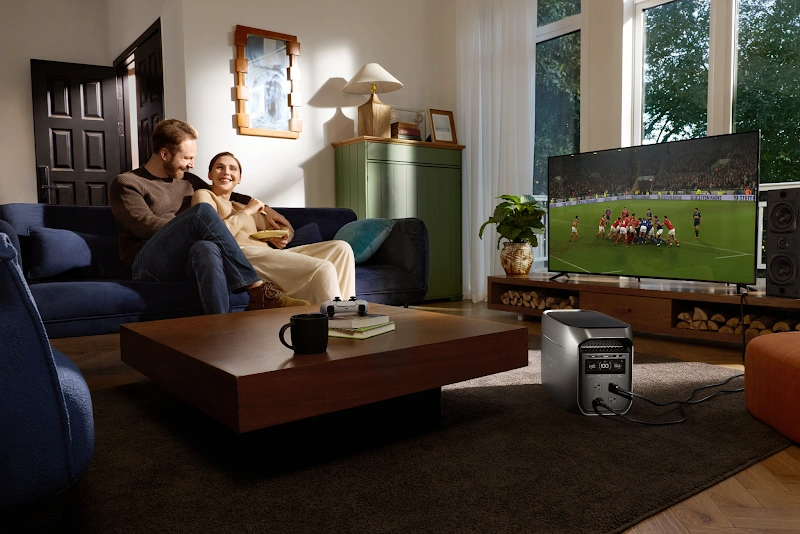
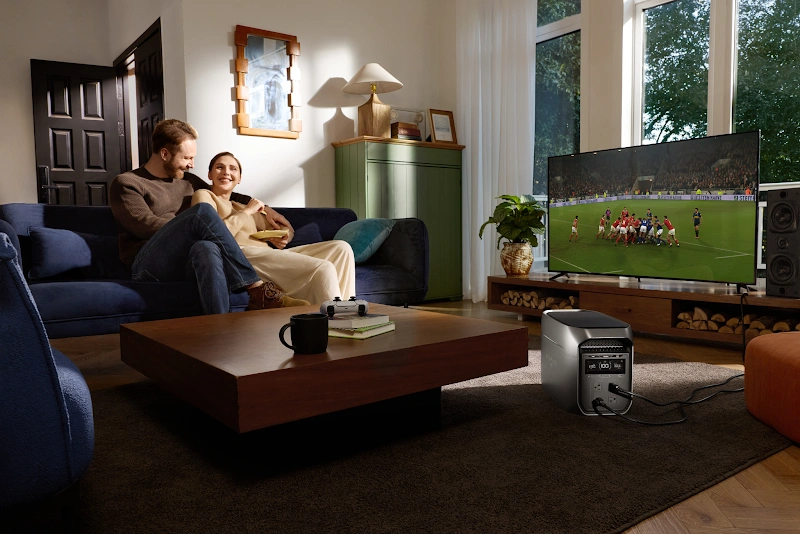
If you’re working with a mobile setup or only staying off-grid for short periods, you don’t need anything overly complex. The daily energy demand remains relatively modest, charging devices, keeping Wi-Fi online, running LED lights, and using a portable fridge or coffee maker now and then. Portable power stations are a great fit here. They give you convenient, plug-and-play power without the need for permanent wiring or installation.
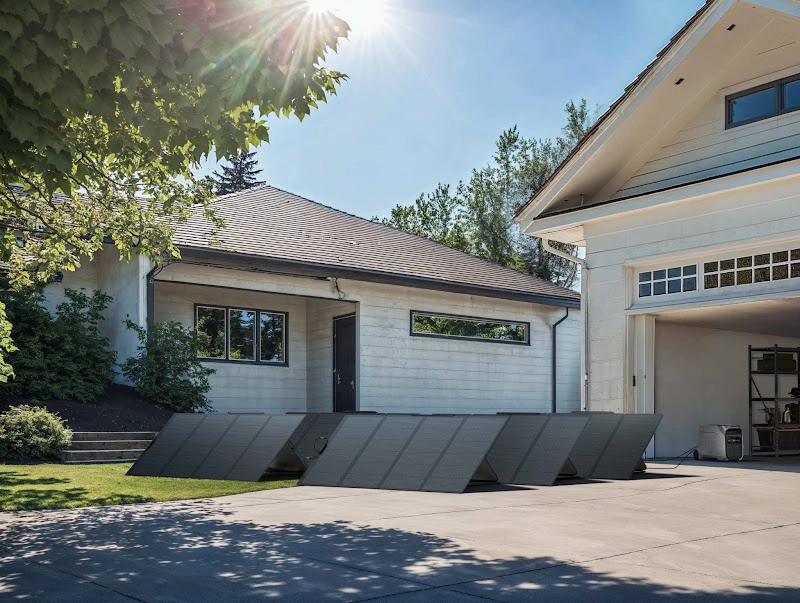
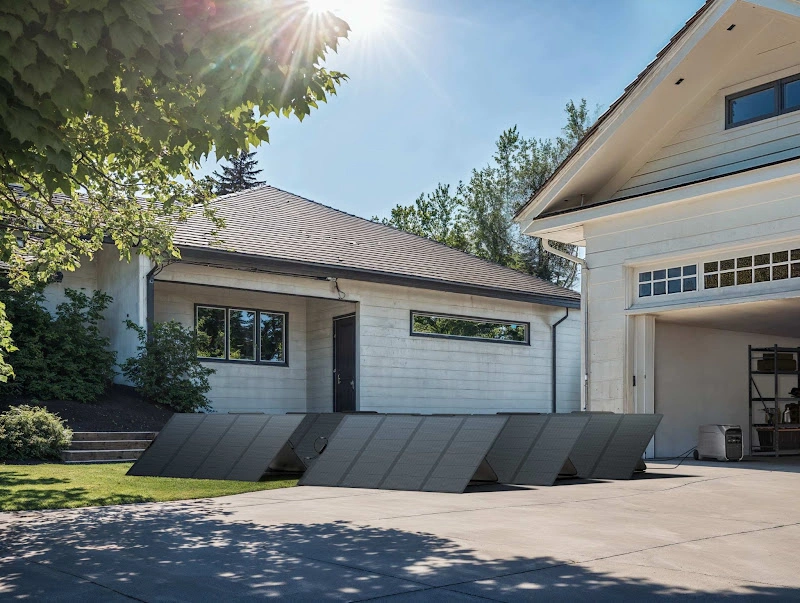
The EcoFlow DELTA 3 Max Plus Portable Power Station is a good match for setups where space and simplicity matter. Its portable design makes it practical to transport between your vehicle, campsite, or cabin setup, while solar panels can provide a convenient charging option when sunlight conditions are suitable. It fits well into RVs, established campsites, or smaller cabins without adding unnecessary complexity.
Power Needs for Off-Grid Homes
Full-time off-grid living is a different story. Refrigerators, well pumps, power tools, heating, cooling, and laundry all demand a lot more energy. A larger-capacity solution is often needed to support these daily needs. The EcoFlow DELTA Pro 3 Portable Power Station can provide reliable portable power support for larger cabins and homesteads, with high output and expandable capacity to adapt to changing energy requirements.
Water Collection and Storage Solutions
Water systems are equally important. A well designed setup, rain catchment tanks, deep well pumps, and multi-stage filtration, ensures you have clean water for drinking, washing, and keeping your garden alive during dry periods.
Shelter and Heating Options
How your home is built has a real effect on energy use as well. A timber frame with solid insulation, a straw-bale structure, or a home tucked into the earth can all stay comfortable through a range of temperatures. When winter rolls in, wood stoves, propane heaters, and well-placed windows that catch the sun can keep the place warm even when conditions get rough.
Food Production and Storage
Growing and storing your own food is a big part of long-term off-grid living. Heirloom crops, livestock, and preservation methods, canning, drying, cold storage, all support a stable food supply. Solar dehydrators, root cellars, and efficient freezers help extend your harvest through the winter months.
What Are the Challenges of Living Off the Grid?
Off-grid living offers a level of freedom that’s hard to match. But that independence comes with a trade-off: personal responsibility and consistent effort. Knowing the common challenges ahead of time can help you avoid expensive missteps.
Energy Independence Challenges
When your power depends on the weather, you have to pay close attention to how much you’re using. A stretch of cloudy days can cut solar production significantly, which means you’ll need to run only essential appliances and keep a close eye on battery levels.
Daily System Maintenance
Off-grid, you’re essentially your own utility company. That means checking solar battery banks, cleaning water filters, servicing backup generators, and maintaining wood stoves all become part of your regular routine, not once in a while, but on a consistent basis.
Extreme Weather Risks
Severe weather puts off-grid systems to the test. Blizzards, floods, and wildfires can cut off road access and damage solar panels or rainwater collection systems. That’s why preparing ahead of each season is essential, once the weather hits, it’s too late to get ready.
Remote Connectivity Issues
Maintaining a reliable off-grid internet setup can be tricky when you are far from town. Satellite internet and signal boosters have helped bridge the gap, but terrain like hills, thick forest, and long distances can still interfere with a reliable signal.
Conclusion
Going off-grid is about more than just cutting ties with utilities; it’s a deliberate move toward self-reliance, security, and a closer relationship with the land you live on. With the right location, dependable water access, and a modern power system like EcoFlow’s DELTA series, you can build a home that’s not only resilient but sustainable for years to come.
FAQ
In Which States Is It Illegal to Live Off-Grid?
There’s no single national list of states that ban off-grid living outright. But local rules, covering building, zoning, septic, water, and utility connections, can make it difficult or impractical in certain areas. It’s always wise to check county and municipal requirements before you buy land.
How Much Money Do I Need to Live off the Grid?
Initial setup costs vary widely depending on land prices, home construction, and the complexity of your power and water systems. After these initial investments are made, monthly living expenses often drop considerably, especially once your land, solar setup, and water systems are paid for.
What Is the Cheapest State to Live in Off-Grid?
Arkansas, West Virginia, and Missouri often come up as some of the more affordable options for off-grid living. Land doesn’t cost a fortune, property taxes are on the lower side, and the building rules are generally straightforward. Regular rainfall in these areas also helps keep water system costs from getting out of hand.
What Are Common Off-Grid Mistakes?
A lot of beginners get tripped up by two things: not realizing how much water they actually go through, and putting together a power setup that just can’t handle the load once everything’s running. Beginners also often overlook local zoning rules or fail to prepare for extreme seasonal weather, both of which can create serious problems down the line.
How Do People Living Off-Grid Get Water?
As for water, most people off-grid rely on a mix, rain catch, wells, springs, or having it trucked in. Whatever the source, good filtration and UV treatment are non-negotiable if you want to keep it safe for drinking and cooking.
For press requests or interview opportunities, reach out to our media team
media.na@ecoflow.com