How to Save Energy at Home Every Season, From Summer to Winter
Building small, daily habits and making a few home upgrades creates a clear path to lower electric bills. Utility rates continue to change throughout 2026. Because of this, finding ways to lower costs usually starts with simple, everyday changes. Once those basic habits stick, households can move on to larger solutions. For example, for households on time-of-use electricity plans, shifting some electricity use away from expensive peak periods may help reduce costs, depending on local rates, battery efficiency, and how the system is charged.
Taking control of home power use requires understanding seasonal weather. Different seasons bring distinct energy needs. A cooling strategy that works well during a hot July afternoon can be ineffective during a January freeze. This guide covers basic, year-round efficiency first. After establishing those rules, it breaks down targeted energy saving strategies for both summer and winter. This approach helps households adapt smoothly as the seasons change.
Quick Energy Saving Habits That Work Year-Round
Everyday routines build the necessary foundation for lower electricity costs. A few simple adjustments stop wasted power and establish long-term efficiency across the entire house.


Thermostat Scheduling: Program a thermostat to drop a few degrees when a house sits empty. Doing this while occupants sleep also adds up to big savings over a billing cycle. Lowering the temperature when climate control is not needed gives the heating and cooling system a much-needed break. The gap between indoor and outdoor temperatures decides how fast a house loses energy. Keeping that gap small saves money.
Eliminating Phantom Loads: Switch old lighting to LED bulbs and unplug unused electronics. This stops continuous phantom power drain. Many modern devices still draw power even when turned off. Televisions, gaming consoles, microwaves, and phone chargers stay in a state of readiness. They wait for a remote signal or a software update. This quietly increases monthly energy use.
Better Appliance Habits: Run dishwashers and washing machines only with full loads. This gets the most value out of each cycle. Heating water takes a substantial amount of appliance energy. Running fewer, fuller loads directly cuts those water heating costs. Also, running these machines during off-peak hours helps. It takes advantage of times when local power rates drop to their lowest points.
Run dishwashers and washing machines only with full loads. This gets the most value out of each cycle. Heating water takes a substantial amount of appliance energy. Running fewer, fuller loads directly cuts those water heating costs. Also, running these machines during off-peak hours helps. It takes advantage of times when local power rates drop to their lowest points.
Sealing Drafts: Add fresh weatherstripping around doors and windows. This acts as a cheap fix that pays for itself quickly. Keeping conditioned air from escaping through cracks stops heating and cooling units from running longer than necessary. A poorly sealed home forces the system to frequently replace lost air. This drives up operational costs over time.
Practicing these everyday efficiency habits builds a strong baseline. It lowers utility bills over time without requiring a major upfront financial investment.
Habit changes only go so far, however. Pairing these daily routines with the right home energy setup reveals where the biggest structural savings actually happen.
Store Power When It's Cheap, Use It When Rates Spike
Many regional utility providers currently use time-of-use (TOU) rate structures to manage grid capacity. Under a TOU plan, electricity costs significantly more during peak afternoon and evening hours. This peak window typically happens when families return home from work and school. They turn on major appliances and push regional grid demand to its highest point.
Integrating a home battery setup allows households to bypass these high costs. This setup allows a house to pull cheap electricity from the grid overnight to fill up the battery. Another option is hooking up solar panels to charge the system off the grid. By managing time-of-use loads, families can tap into their stored power right when grid prices hit their peak levels. This can reduce reliance on grid electricity during higher-priced periods and turn daily power consumption into a predictable expense.
Portable Power Solutions for Time-of-Use Management
For many homes, the easiest way to start managing time-of-use rates is by integrating a portable power station. These units offer plug-and-play convenience. Depending on your electricity plan, a portable power station may help shift compatible loads away from higher-priced periods when charged during lower-cost hours or with solar energy. Whether you need to keep a single refrigerator running during peak afternoon hours or want to back up heavy-duty heating and cooling equipment, flexible battery solutions make load shifting highly accessible.
EcoFlow DELTA 3 Max Plus
This unit serves as an ideal starting point. It helps households shift usage away from peak hours without a permanent, hardwired home installation.
EcoFlow DELTA Pro
This serves as a step-up option. It is designed for households experiencing much higher daily energy usage. It also works well for homes seeking a larger battery buffer against peak-rate utility hours.
Habits and storage solutions cover the baseline fundamentals. However, summer and winter each bring specific energy drains. These require distinct, seasonal tactics.
Energy Saving Tips for Summer
Warmer months introduce heavy, continuous cooling demands. Managing indoor temperatures efficiently prevents utility costs from surging uncontrollably during prolonged summer heatwaves.


Automated Climate Control: Set the thermostat a few degrees higher when a house sits empty. This reduces the overall daily cooling load. An automated or smart thermostat handles this process seamlessly. It removes the need for manual adjustments each morning. This prevents an empty house from drawing maximum grid power during the hottest part of the day.
Strategic Fan Use: Ceiling and box fans cool people rather than entire rooms. They accomplish this by creating a wind-chill effect. This effect evaporates moisture from the skin to cool the body. Pairing active fans with a modest thermostat bump supplements air conditioning without replacing it. Since fan motors actually generate a tiny amount of heat, leaving them running in empty rooms wastes electricity.
Managing Sunlight: Close blinds and curtains during peak sun hours. This minimizes solar heat gain. Direct sunlight entering through glass windows acts like a greenhouse. It traps radiant heat inside the living space. Blocking this light prevents the interior from heating up quickly. This significantly reduces the operational strain on the central AC unit.
Alternative Cooking Methods: Grill outside or use a microwave instead of a traditional oven. This prevents extra heat from building up inside the kitchen. Baking or roasting for extended periods heats up the surrounding area. This forces the air conditioner to work harder to remove that newly introduced heat from the house.
Understanding the main factors behind summer rate spikes helps contextualize these steps. It keeps seasonal cooling costs manageable.
Winter flips the climate equation entirely. When outside temperatures drop, the primary residential goal shifts. The focus moves from keeping heat out to keeping it securely inside.
Energy Saving Tips for Winter
Cold weather requires a completely different set of strategies. These tactics maintain indoor comfort without overworking a residential furnace or heat pump.
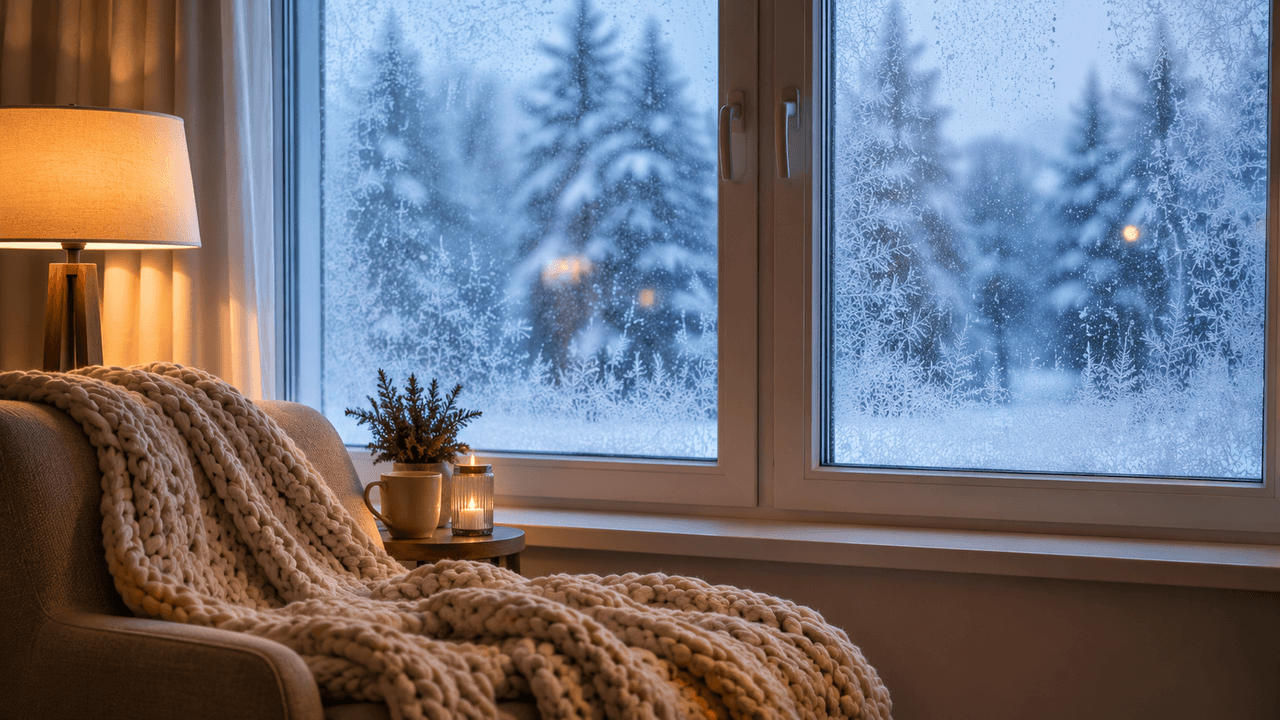
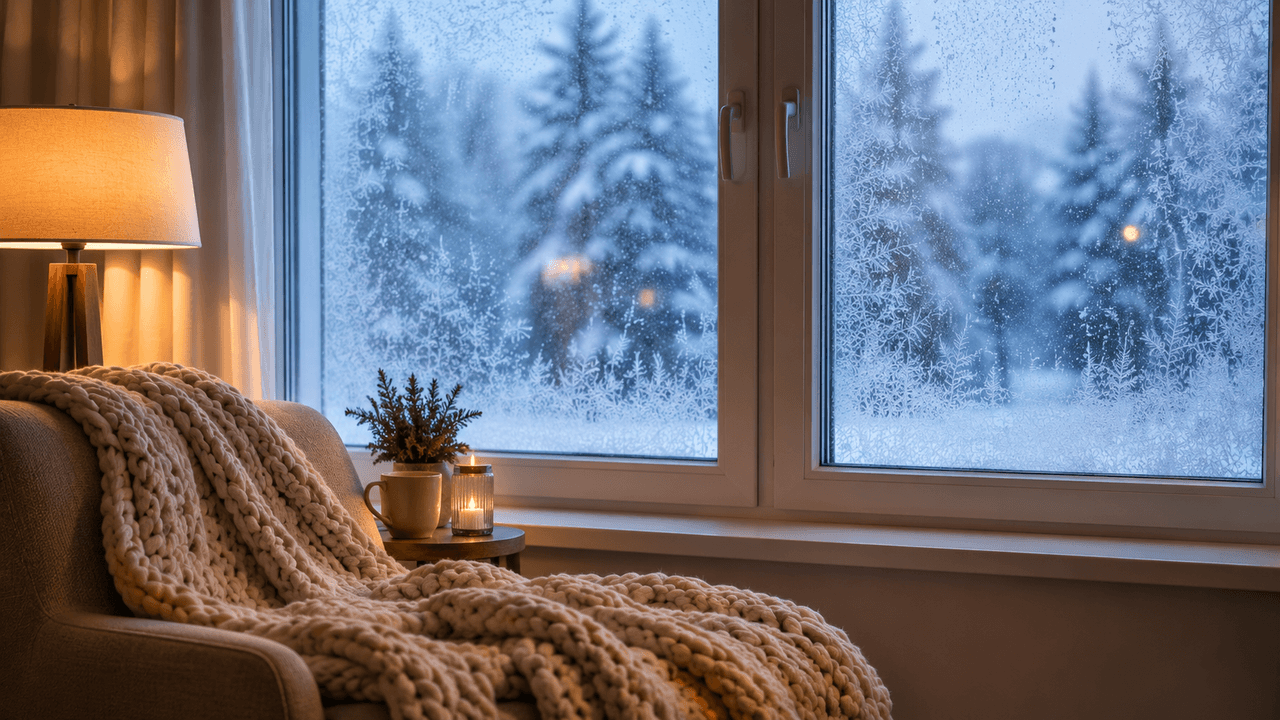
Thermostat Adjustments: Lower the indoor temperature slightly, especially overnight. This provides a solid baseline for winter savings. Layering warm clothing or adding thicker blankets provides substantial personal warmth. This avoids excessive reliance on whole-home central heating. Keeping the ambient room temperature lower reduces the speed at which heat escapes through the walls and roof.
Fan Redirection: Switching a ceiling fan to run in reverse forces rising heat back toward the floor. Warm air naturally floats up to sit against the ceiling. In rooms with suitable ceiling fans, reversing the blade direction at a low speed can help circulate warm air that collects near the ceiling, balancing out a freezing room.
Eliminating Heat Loss: Patching drafty window frames and adding fresh weatherstripping to exterior doors blocks freezing breezes. This ranks as a vital winter efficiency strategy. Heat escaping through structural gaps represents a significant energy drain, forcing the heater to run much longer just to keep the house livable.
Passive Solar Heating: Pulling back the curtains on south-facing windows captures the sun's natural energy, bringing free warmth into the living space. Once the sun goes down, shutting those thick drapes helps lock the heat inside. Heavy window coverings essentially work like blankets for the glass, helping retain accumulated solar heat through the cold night.
Putting these winter-specific heating strategies into practice guarantees a comfortable home. It also spares the heating system from constant wear and tear when January hits hard.
Once the seasonal basics are sorted out, combining all these routines creates the biggest drop in monthly expenses.
Conclusion
Lowering household energy costs relies heavily on a multi-tiered, year-round approach. Combining small daily habits, targeted seasonal temperature adjustments, and strategic usage shifts creates real, sustainable savings. Starting with free habit changes establishes an immediate baseline efficiency. Adjusting thermostats and eliminating phantom loads does not require a financial investment.
From there, households can take the next logical step. Evaluating whether expanding a home setup with a DELTA 3 Max Plus or a DELTA Pro makes sense for specific power needs is crucial. Integrating these advanced battery systems helps shift larger appliance loads safely away from expensive utility peak rates. This ensures long-term budget stability without sacrificing daily comfort.
FAQs
What's the single biggest way to save on my electric bill?
The biggest way to reduce an electric bill is by lowering heating and cooling demands. Heating and cooling are often among the largest sources of household energy use, so reducing HVAC demand can be one of the most effective ways to lower an electric bill. Adjusting the thermostat just a few degrees and improving insulation easily cuts the largest source of energy waste.
Does unplugging devices when not in use actually save meaningful money?
Unplugging idle electronics prevents phantom load draining. While a single device draws very little power, the combined standby drain of dozens of devices across a household accounts for a noticeable percentage of monthly and yearly electricity usage.
Is it worth using a home battery just for time-of-use savings, without solar panels?
Using a portable power station strictly to outsmart time-of-use rates. It can make sense for households with significant time-of-use price differences, but the savings depend on local electricity rates, battery efficiency, charging costs, and how often the stored energy is used. A unit like the EcoFlow DELTA 3 Max Plus simply stores cheap overnight grid power to run the house later, letting you dodge those nasty peak charges.
What temperature should I set my thermostat to in summer vs winter?
For many households, starting around 78°F in summer and 68°F in winter can be a useful efficiency benchmark, although the most comfortable and efficient setting depends on climate, humidity, insulation, and personal preferences. This targeted range ensures a comfortable living environment while maximizing overall energy efficiency.
Do energy saving tips make a bigger difference in older homes?
Efficiency upgrades often show much more dramatic results in older properties. Because older houses tend to have thin insulation, drafty windows, and aging appliances, there is a lot more room to make immediate, highly visible improvements.
For press requests or interview opportunities, reach out to our media team
media.na@ecoflow.com